
11 Simple Home Gardening Rules for Healthy Plants
The Foundation of Every Successful Garden
Walk through a neighborhood in summer.
Some yards burst with colorful flowers and heavy vegetable plants. Others have brown patches, wilted stems, and empty spots where plants gave up.
What’s the difference?
It’s not luck or a “green thumb.” It’s following basic rules that work every single time.
These home gardening rules for healthy plants aren’t complicated science. They’re simple principles that separate thriving gardens from disappointing ones. Master these 11 rules and you’ll join the group with the beautiful yards.
No guesswork. No confusion. Just clear guidelines that guarantee results.
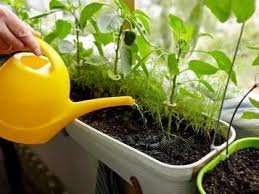
Rule 1: Water Deep, Not Often
This is the most misunderstood rule in gardening.
New gardeners think plants need water every single day. They’re wrong.
Frequent shallow watering creates weak, dependent plants with roots that stay near the surface. Skip one day and those plants wilt because they never learned to dig deep for moisture.
The Deep Watering Principle
When you water, soak the soil until moisture penetrates 6-8 inches deep.
Then don’t water again until the top 2 inches of soil dry out.
This forces roots to grow downward searching for water. Deep roots create strong, drought-resistant plants that survive stress better.
How to Check Soil Moisture
Stick your finger into the soil up to your second knuckle (about 2 inches).
Dry at that depth? Time to water. Still moist? Wait another day.
Don’t rely on the soil surface. It dries out first while moisture remains deeper.
Watering Schedule Guidelines
| Plant Type | Watering Frequency | Amount per Session |
|---|---|---|
| Vegetables (established) | Every 3-4 days | 1-2 inches |
| New seedlings | Daily (light) | Keep surface moist |
| Container plants | Every 2-3 days | Until water drains out |
| Drought-tolerant plants | Every 7-10 days | 1 inch |
| Lawns | Twice weekly | 1 inch per session |
Water early morning when possible. Less evaporation. More time for leaves to dry before evening (prevents disease).
Rule 2: Match Plants to Available Sunlight
You can’t force a sun-loving tomato to thrive in shade.
You can’t make a shade-preferring hosta happy in blazing afternoon sun.
This rule seems obvious, but it’s violated constantly.
Know Your Sun Zones
Full Sun = 6-8 hours of direct sunlight daily
- Tomatoes, peppers, squash
- Most vegetables and herbs
- Roses, sunflowers, zinnias
Partial Sun/Shade = 3-6 hours of direct sunlight
- Lettuce, spinach, kale
- Impatiens, begonias
- Many herbs tolerate this
Full Shade = Less than 3 hours direct sun
- Hostas, ferns
- Astilbe, bleeding hearts
- Some leafy greens
Morning vs. Afternoon Sun
Morning sun is gentler and cooler.
Afternoon sun is intense and hot.
A plant that needs “partial sun” does better with morning sun than afternoon sun.
The 24-Hour Sun Test
Before planting anything, observe your garden space for a full day.
Check at 8 AM, noon, 3 PM, and 6 PM.
Note which areas receive sun at each time.
Plant accordingly, not hopefully.
Rule 3: Good Soil Trumps Everything Else
You can water perfectly and provide ideal sunlight, but poor soil ruins everything.
Healthy soil does three critical things:
- Drains excess water
- Holds adequate moisture
- Provides nutrients
Most yard soil doesn’t do all three naturally.
The Compost Rule
Add 2-3 inches of compost to any garden bed before planting.
Mix it into the top 6-8 inches of existing soil.
Compost improves both sandy and clay soils. It’s the universal soil fixer.
For containers, always use potting mix, not garden soil. Potting mix is specifically formulated for container drainage.
Signs of Healthy Soil
When you squeeze moist soil:
- It forms a loose ball
- The ball crumbles when poked
- It smells earthy, not sour or rotten
- You see earthworms and small organisms
Soil Improvement Timeline
| Action | When to Do It | Results Timeline |
|---|---|---|
| Add compost | 2-4 weeks before planting | Immediate texture improvement |
| Add organic fertilizer | At planting time | Nutrients available in 2-3 weeks |
| Mulch surface | After planting | Moisture retention within days |
| Plant cover crops | Fall in vegetable gardens | Soil improvement by spring |
Never work wet soil. It compacts and damages structure. Wait until a squeezed handful crumbles.
Rule 4: Feed Plants, Don’t Just Water Them
Plants need food just like you do.
Even great soil eventually runs out of nutrients. Container plants need feeding more often because water washes nutrients out the drainage holes.
The NPK Basics You Must Know
Every fertilizer package shows three numbers like 10-10-10.
N (Nitrogen) – Green leafy growth P (Phosphorus) – Roots, flowers, fruits K (Potassium) – Overall plant health and disease resistance
Different plants need different ratios at different times.
Simple Feeding Schedule
Vegetables:
- At planting: Balanced fertilizer (10-10-10)
- During growth: High nitrogen (for leaves)
- When flowering: High phosphorus (for fruits)
- Feed every 3-4 weeks
Flowers:
- Monthly with balanced fertilizer
- Switch to bloom booster when buds appear
Container Plants:
- Weekly at half-strength
- Or every two weeks at full strength
Organic vs. Synthetic
Organic fertilizers (compost, manure, fish emulsion):
- Release nutrients slowly
- Improve soil structure
- Feed soil organisms
- Can’t burn plants
Synthetic fertilizers (Miracle-Gro, etc.):
- Work immediately
- Precise nutrient ratios
- Can burn plants if over-applied
- Don’t improve soil
Both work. Pick what fits your philosophy and budget.
Rule 5: Space Plants Properly From Day One
Tiny seedlings look pathetic with huge gaps between them.
Your instinct says, “I can fit more plants in here.”
Don’t listen to that instinct.
Why Spacing Matters
Plants compete for:
- Sunlight on leaves
- Nutrients in soil
- Water from roots
- Air circulation
Crowded plants become weak, stressed, and disease-prone.
Read the Tag or Seed Packet
Every plant tells you its mature size and spacing needs.
That 6-inch tomato seedling becomes a 4-foot-wide plant.
Those tiny lettuce starts triple in size.
Common Plant Spacing
| Plant | Space Between Plants | Space Between Rows |
|---|---|---|
| Tomatoes | 24-36 inches | 36-48 inches |
| Peppers | 18-24 inches | 24-30 inches |
| Lettuce | 6-8 inches | 12 inches |
| Beans | 3-4 inches | 18-24 inches |
| Cucumbers | 12 inches | 36 inches |
| Carrots | 2-3 inches | 12 inches |
| Squash | 36 inches | 48 inches |
| Basil | 10-12 inches | 12-18 inches |
When in doubt, go with the wider spacing recommendation.
Rule 6: Mulch Protects and Improves
Bare soil around plants is wasted opportunity.
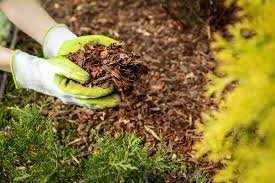
A 2-3 inch layer of mulch solves multiple problems simultaneously.
What Mulch Does
Conserves moisture – Reduces watering by 50% or more Blocks weeds – No light = no weed germination Regulates temperature – Keeps roots cooler in summer, warmer in winter Prevents disease – Stops soil from splashing onto leaves Improves soil – Breaks down over time, adding organic matter
Best Mulch Materials
For Vegetables:
- Straw (not hay – hay has weed seeds)
- Grass clippings (chemical-free lawns only)
- Shredded leaves
- Compost
For Flowers and Shrubs:
- Shredded bark
- Wood chips
- Pine needles
- Cocoa hulls
How to Apply Mulch Correctly
Spread 2-3 inches thick around plants.
Keep mulch 2-3 inches away from plant stems and tree trunks. Mulch touching stems causes rot.
Replenish mulch as it decomposes. Most needs refreshing once or twice per season.
Rule 7: Prune Regularly, Not Randomly
Many gardeners never prune. Others hack away randomly.
Both approaches reduce plant health and production.
Strategic pruning creates stronger, more productive plants.
Why Plants Need Pruning
Removes dead, diseased, or damaged growth Improves air circulation (prevents disease) Directs energy to productive growth Shapes plants for better appearance Increases flower and fruit production
The One-Third Rule
Never remove more than one-third of a plant at once.
Severe pruning shocks plants and reduces growth.
Take a little off regularly instead of cutting drastically once per year.
When to Prune Different Plants
| Plant Type | Best Pruning Time | What to Remove |
|---|---|---|
| Spring-flowering shrubs | Right after blooming | Dead flowers, crossed branches |
| Summer-flowering shrubs | Late winter/early spring | Old wood, weak stems |
| Tomatoes | Throughout season | Suckers, lower leaves |
| Roses | Early spring | Dead wood, weak canes |
| Herbs | Anytime | Top third for bushiness |
Use sharp, clean pruners. Ragged cuts invite disease.
Rule 8: Watch Plants, They Tell You What’s Wrong
Plants communicate problems through their appearance.
Learn to read these signals and you’ll catch issues early when they’re easy to fix.
Common Plant Signals
Yellow Lower Leaves Cause: Nitrogen deficiency or natural aging Fix: Feed with nitrogen-rich fertilizer
Yellow Leaves with Green Veins Cause: Iron deficiency or pH problem Fix: Add iron supplement or adjust soil pH
Brown Leaf Tips Cause: Underwatering, low humidity, or fertilizer burn Fix: Water more consistently, check fertilizer amounts
Wilting Despite Wet Soil Cause: Root rot from overwatering Fix: Stop watering, improve drainage
Holes in Leaves Cause: Insect damage Fix: Identify pest, use appropriate treatment
White Powder on Leaves Cause: Powdery mildew fungus Fix: Improve air circulation, treat with fungicide
Daily Garden Walks
Spend 5 minutes walking through your garden each day.
Notice changes. Catch problems early.
Early detection is easier to fix than crisis management.
Rule 9: Rotate Crops Every Year
Plant the same vegetables in the same spot year after year and you’ll see declining results.
Crop rotation prevents this problem.
Why Rotation Works
Different plants:
- Use different nutrients
- Attract different pests
- Fight different diseases
Moving plants around breaks pest and disease cycles while balancing nutrient use.
Simple Three-Year Rotation
Year 1: Tomatoes, peppers, eggplants (heavy feeders) Year 2: Beans, peas (nitrogen fixers) Year 3: Root vegetables, leafy greens (light feeders)
Then repeat.
Container Garden Rotation
Replace potting soil every 2-3 years.
Or at minimum, remove top 3-4 inches and replace with fresh compost each spring.
Plant different crops in each container year to year.
Rule 10: Deadhead Flowers for More Blooms
When flowers fade, most gardeners ignore them.
Bad move.
Removing spent flowers (deadheading) triggers plants to produce more blooms.
The Biology Behind Deadheading
Plants bloom to produce seeds.
Once seeds form, the plant thinks its job is done. Flowering stops.
Remove faded flowers before seeds develop and the plant keeps trying to reproduce by making more flowers.
How to Deadhead Properly
Cut or pinch off flowers just above the next set of leaves.
Don’t leave long stems – cut close to new growth.
Do this weekly during peak blooming season.
Plants That Benefit Most
| Plant Type | Deadheading Impact | Method |
|---|---|---|
| Roses | Doubles bloom production | Cut above 5-leaf set |
| Zinnias | Continuous blooming | Pinch above next buds |
| Marigolds | Extends season by months | Snap off faded heads |
| Petunias | Prevents legginess | Shear back by half when scraggly |
| Geraniums | More flower clusters | Remove entire spent cluster |
Some plants are “self-cleaning” (impatiens, begonias). They drop spent flowers themselves.
Rule 11: Start Small and Expand Gradually
The biggest mistake new gardeners make is starting too big.
Enthusiasm creates massive garden plans. Reality brings disappointment when you can’t keep up.
The Small Garden Advantage
Easier to maintain properly Less overwhelming More likely to succeed Builds confidence for expansion
Start With This Size
First Year: 4×4 foot bed or 4-6 containers Second Year: Double the space if first year went well Third Year: Add specialty areas (herbs, flowers, etc.)
Choose Just Five Plants
Pick one from each category:
- One easy vegetable (cherry tomatoes)
- One salad green (lettuce)
- One herb (basil)
- One flower (marigolds)
- One experimental plant (your choice)
Master these five plants completely.
Learn their needs, watch their growth, harvest their production.
Next year, add five more plants to your knowledge base.
The Expansion Strategy
| Garden Stage | Size | Plant Count | Time Investment |
|---|---|---|---|
| Beginner | 16 sq ft | 5-8 plants | 30 min/week |
| Intermediate | 48 sq ft | 15-20 plants | 1 hour/week |
| Advanced | 100+ sq ft | 30+ plants | 2-3 hours/week |
Scale your garden to match available time and interest.
Following Rules Creates Freedom
These home gardening rules for healthy plants might seem restrictive.
They’re actually liberating.
When you know the rules, you stop guessing. You stop second-guessing. You make decisions based on proven principles instead of hope.
Your Garden Success Checklist
Before Planting: ✓ Test soil moisture before watering ✓ Verify sunlight conditions ✓ Improve soil with compost ✓ Check plant spacing requirements ✓ Plan crop rotation
During Growing Season: ✓ Water deeply, not frequently ✓ Feed plants on schedule ✓ Apply and maintain mulch ✓ Prune strategically ✓ Watch for plant signals ✓ Deadhead flowers regularly
End of Season: ✓ Note what worked well ✓ Record problems and solutions ✓ Plan next year’s rotation ✓ Prepare beds for winter
Mistakes Will Still Happen
Even following all these rules, you’ll occasionally:
- Lose plants to unexpected frost
- Battle pest invasions
- Deal with strange weather
- Experience unexplained failures
That’s gardening.
But following these 11 simple home gardening rules for healthy plants means most of your garden succeeds most of the time.
That’s all you can ask for.
Build Your Garden on Solid Ground
Great gardens aren’t complicated.
They’re built on simple rules applied consistently:
Water deeply but less often. Match plants to sunlight. Improve soil before planting. Feed regularly. Space properly. Mulch generously. Prune strategically. Watch plant signals. Rotate crops. Deadhead flowers. Start small.
Master these fundamentals and the rest becomes easy.
You’ll spend less time fixing problems and more time enjoying your garden.
The neighbors will ask for your secrets. You’ll smile and share these same simple rules that anyone can follow.
Your healthy, productive garden starts with rule number one.
What are you waiting for?
Frequently Asked Questions
Q: Can I break these rules occasionally and still have success?
A: Gardens are forgiving within limits. Missing one watering or planting slightly closer than recommended won’t cause disaster. But consistently ignoring these rules leads to chronic problems. Aim to follow them 80-90% of the time for best results.
Q: Which rule is most important if I can only focus on one?
A: Water management (Rule 1) impacts everything else. Perfect sunlight and great soil don’t matter if watering is wrong. Master deep watering first, then tackle the other rules progressively.
Q: How do I know if my soil needs compost or if it’s already good?
A: Do the squeeze test: grab moist soil and squeeze it. Good soil forms a ball that crumbles when poked. If it won’t ball up or stays in a tight clump, add compost. Even good soil benefits from compost every year.
Q: What if I don’t have time for daily garden walks to watch my plants?
A: Check your garden 2-3 times per week minimum. Most problems don’t develop overnight. The key is consistent observation, not constant monitoring. Even 5 minutes three times weekly catches most issues early.
Q: Do these rules apply to both outdoor gardens and indoor houseplants?
A: Most rules apply to both. Deep watering, proper sunlight matching, good soil, regular feeding, and watching plant signals work everywhere. Skip crop rotation and mulching for indoor plants. Adjust watering frequency since indoor conditions differ.
Q: How long does it take to see results from following these rules?
A: Some results appear immediately (proper watering stops wilting within days). Others take weeks (feeding shows results in 2-3 weeks). Full garden transformation requires one complete growing season of consistent rule-following.
Q: What’s the best way to learn my specific garden’s sunlight patterns?
A: Observe for one full week during the growing season. Check the same spots at 8 AM, noon, 4 PM, and 6 PM daily. Take photos or notes. Sunlight patterns change seasonally, so reassess in different months.
Q: Can I use these rules for vegetable gardens, flower gardens, and mixed gardens?
A: Yes. These rules apply universally to all garden types. The specific plants change, but watering deeply, matching sunlight, improving soil, feeding, spacing, mulching, pruning, watching signals, rotating, deadheading, and starting small work for any garden style.