
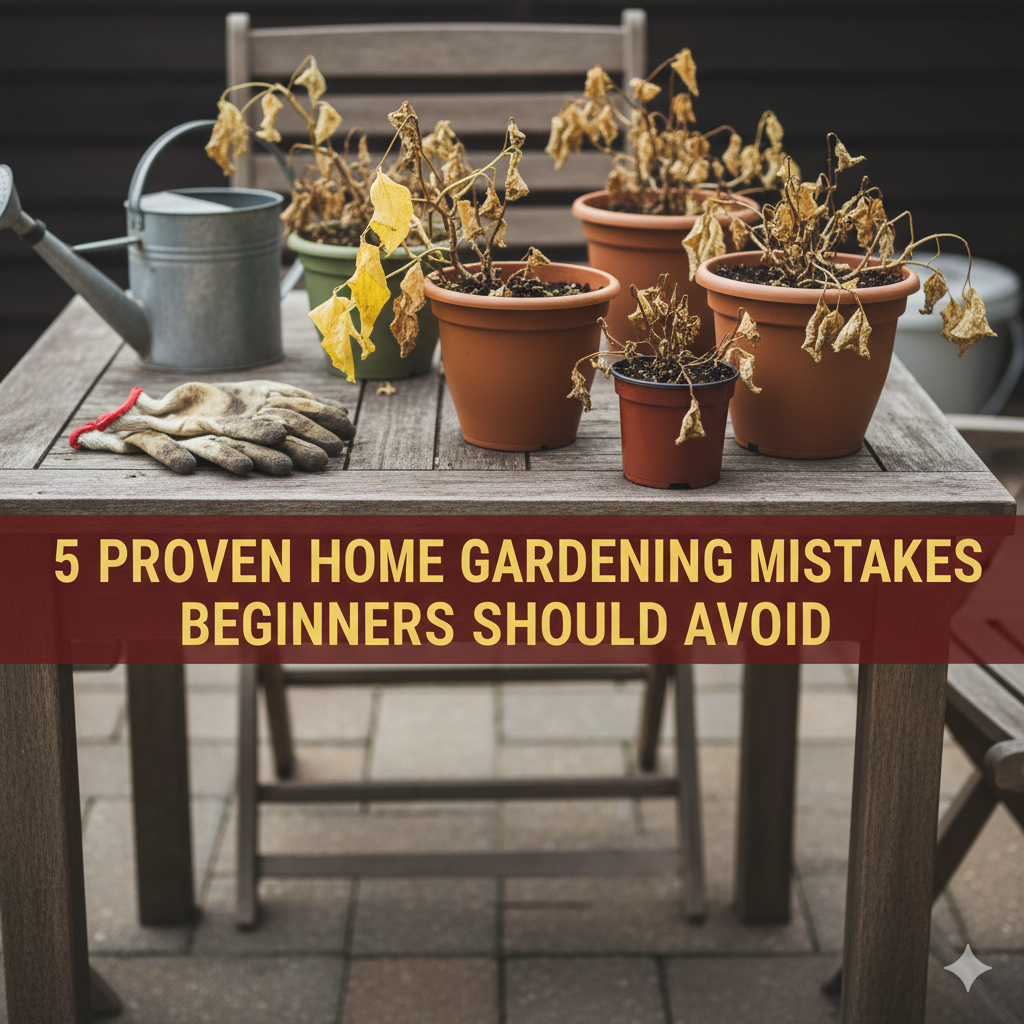
5 Proven Home Gardening Mistakes Beginners Should Avoid
The Costly Secret of Shame No One Tells You About
Sarah purchased plants, soil and containers for her initial garden to the tune of $200.
Three months later, everything was gone.
She did what thousands of inexperienced gardeners do each spring. She committed the same five mistakes that consign novice gardens to doom before they even have a chance.
Here’s what you are never told in those joyful gardening videos: most first-time gardeners do not succeed. Not because gardening is tough, but because they don’t know what not to do.
This guide uncovers the home gardening mistakes beginners must avoid to get plants that survive and thrive. These are not small tips that make marginal differences. It’s the major mistakes that will turn your garden full of tomatoes or flowers into a yard filled with dead plants.
Learn from the mistakes made by others instead of making your own.
Mistake 1: Loving Plants to Death
“But I watered it every day!”
It’s the first sentence gardeners don’t understand as they gaze at their wilting, dying plants.
Plants certainly die more often of too much water than of not enough. You may be surprised to hear me say that, but it’s true.
How Plants Drown: Overwatering and Oxygen Deprivation
Plant roots require two simple things: water and air (specifically, the oxygen in that air).
When soil is filled with water, all the air pockets are completely full. Roots can’t breathe. They literally suffocate and rot.
Rotted roots are no longer able to take in water. The plant looks floppy even though the soil is drenched. It’s the first thing rookie gardeners see, the wilting; panic ensues and more water is added. This makes everything worse.
The Real Signs of Overwatering
| Symptom | Overwatered Plant | Underwatered Plant |
|---|---|---|
| Leaves | Yellow, limp, drooping | Brown, brittle, curling down |
| Soil | Consistently moist and smells moldy | Dry, pulls away from the pot |
| Roots | Mushy and brown | Dehydrated yet still alive |
| Stem | Mushy base with dark spots | Alive but leaning over |
How to Water the Right Way
Put your finger in the soil 2 inches deep.
Dry at that depth? Time to water.
Still moist? Wait another day.
This easy test eliminates 80 percent of watering errors.
When it is time to water, give the plants a good long drink until water runs out of the drainage holes. Then ignore them until the soil dries out again.
Different Plants Need Different Amounts
- Succulents and cacti: Water every 2-3 weeks
- Most vegetables: Water every 3-4 days
- Tropical plants: Water every 2-3 days
- Herbs: Water every 4-5 days
These are general guidelines. Always check the soil first.
The Container Problem
Plants go to die in containers without drainage holes.
Water has nowhere to go. It collects at the base, forming a swamp. Roots rot within weeks.
Each pot requires holes in the bottom. No exceptions.
If you have an ornamental pot without holes, drill some or use it as a sleeve on the outside with a plastic pot inside that can drain.
Mistake 2: Planting It in the Wrong Location
Seventy percent of your success in gardening is based on location.
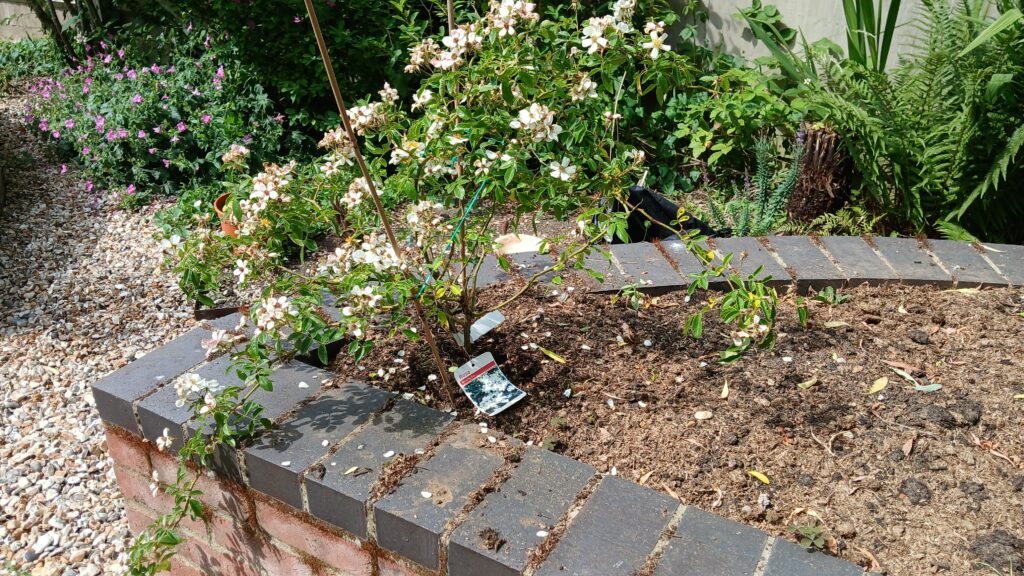
You may have everything else right, but if your sun-loving tomatoes are in deep shade, they will not do well. Your shade-loving ferns will crisp up in blazing afternoon sun.
The Sunlight Trap
“My yard gets sun.”
That’s not specific enough.
Different plants need various amounts of direct sunlight:
- Full sun = 6-8 hours of direct sunlight
- Partial sun/shade = 3-6 hours of direct sunlight
- Full shade = Less than 3 hours of direct sunlight
Direct sunlight indicates that the plant receives direct rays from the sun with no objects or obstacles between them. Light filtered through trees does not count as direct sun.
Map Your Yard by Sun
Dedicate a single day to monitoring the sunlight in your backyard.
Check the same spots at:
- 8:00 AM
- 12:00 PM
- 4:00 PM
- 6:00 PM
Notice where the sun is at each time. Morning sun is gentler. Afternoon sun is more intense.
Most vegetables need full sun. Most common flowers do too. Partial shade areas may be limiting in what you can grow.
The Building and Tree Shadow Challenge
Shadows shift with time of day and time of year.
That sunny area in April could be in the shadow of your neighbor’s tree when it leafs out in July. That spot that soaks up the morning sun could be in the shade of your house by afternoon.
For at least a week before you plant anything, observe the potential garden spots.
Wind and Weather Exposure
Strong wind desiccates plants and breaks stems.
In a consistent wind in an open area, you will water twice as often and battle broken plants all summer.
Corners of buildings and spaces between them become wind tunnels. Do not plant sensitive plants in these places.
The Convenience Factor Nobody Mentions
Put your garden where you are going to see it and work on it.
A nice sunny spot in the rear corner of your yard sounds perfect. But if you don’t actually walk back there, you’ll neglect to water and weed.
The ideal spot is one you’ll be able to see from your home and get to easily with a hose. You’ll be more likely to give tending to plants you regularly see your full attention.
Mistake 3: Getting the Wrong Plants for Your Skill Set
Garden centers have plants that look gorgeous right now.
They don’t tell you which will also be dead in 3 weeks because you’ve neglected to water them daily or have no idea what to do when it comes to a fungus.
The Seduction of Pretty Plants
You enter the garden center in spring. Everything is blooming and gorgeous. You pick the prettiest plants without figuring out what they really require.
Two months later you’re annoyed because:
- The roses are infected with black spot
- The orchids refuse to rebloom
- The leaves all fell off the fiddle leaf fig
- The fancy heirloom tomatoes yielded nothing
These are all plants that require special care.
Begin With These Unkillable Plants Instead
Easy Vegetables:
- Cherry tomatoes (not beefsteak or heirloom varieties)
- Lettuce and salad greens
- Radishes
- Green beans
- Zucchini (one plant feeds a family)
Easy Flowers:
- Marigolds
- Zinnias
- Sunflowers
- Petunias
- Impatiens for shade
Easy Herbs:
- Basil
- Mint (warning: it spreads everywhere)
- Parsley
- Chives
These plants forgive mistakes. They grow fast. They yield something that makes you want to keep gardening.
The Native Plant Secret
Landscape plants that belong in your area are adapted to your climate, soil and pests.
They require smaller quantities of water, fertilizer, and fussing compared to exotic imports.
Search “native plants” and put in your state or area. Many local garden centers have native plant departments.
Reading Plant Tags Properly
Each plant comes with a tag that provides crucial details:
| Tag Information | What It Means | Why It Matters |
|---|---|---|
| Hardiness zone | Climate plant survives | Plant will die if wrong zone |
| Sun requirements | Light needed | Wrong light = poor growth or death |
| Water needs | Drought tolerant to water-loving | Tells you how often to water |
| Mature size | How big plant gets | Stops overcrowding |
| Days to harvest | Time from planting to eating | Sets expectations |
Read these tags before buying. If needs do not suit your garden conditions, however pretty the plant may be, don’t buy it.
Mistake 4: Thinking That All Soil Is Created Equal
Dirt is not soil.
Soil is a living ecosystem. It has minerals, organic matter, water and air along with billions of microorganisms. It’s all about the soil – you can only get out of it what you put in.
Most beginners ignore soil completely. They just dig a hole in whatever dirt and ask why won’t that plant grow.
The Three Soil Problems
Too sandy: Water runs right through before the plants can get any of it. Nutrients wash away.
Excessive clay: Water won’t drain. Roots suffocate. Soil becomes rock-hard when dry.
Nothing Organic: No material and organisms to feed on. Can’t hold moisture properly.
The Simple Soil Test
Grab a handful of wet (not soaking) soil from your garden.
Squeeze it into a ball.
- If you poke it and it falls apart = good soil
- If it doesn’t form a ball = Too sandy, needs organic matter
- If it remains in a tight ball = Too much clay, needs organic matter
The Magic Solution to Nearly Any Soil
Add compost.
Compost boosts the fertility and health of sandy or clay soils. It helps keep water in sandy soil. Clay soil gets better drainage. It adds nutrients. It feeds beneficial organisms.
Add 2″ – 3″ of compost to the top 6″ –8″ inches of the soil prior to setting out plants.
Use real potting mix (not garden soil) for containers. Potting mix is designed to drain and hold water well in containers.
The pH Level Factor
Soil pH determines whether plants are able to take up nutrients.
The majority of vegetables and flowers grow best in slightly acidic to neutral (6.0-7.0) pH range.
Blueberries require ultra acidic soil (4.5-5.5). If you set them into neutral soil, they will go yellow and not do anything no matter what you do.
You can purchase a cheap pH test kit at garden centers for about $10-15.
Garden Soil vs Potting Mix vs Topsoil
- Garden soil = For in-ground beds, too dense for containers
- Potting mix = Lighter mix, great for containers; sometimes has fertilizer included
- Topsoil = Cheap bulk soil; requires a lot of compost added to it
Never use garden or topsoil in containers. It compacts and suffocates roots.
Mistake 5: Overcrowding Your Plants
Nothing disquiets new gardeners like empty space.
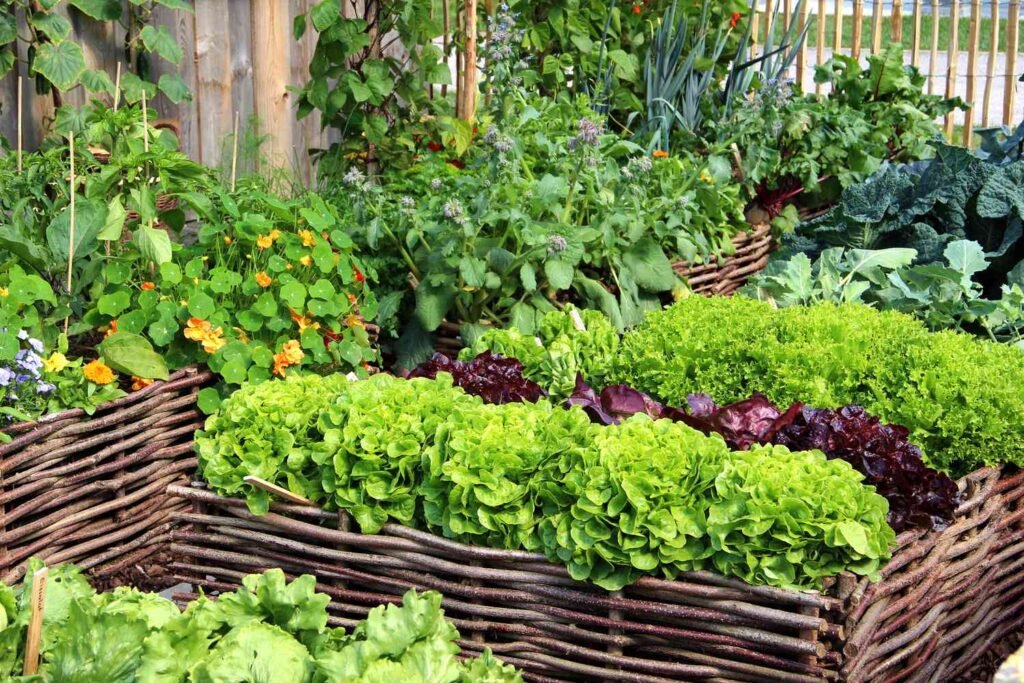
You stand gazing at the newly planted raised bed. There is so much open area between those wee seedlings. It seems wasteful.
So you add more plants.
Big mistake.
Why Crowding Kills Your Garden
Plants need:
- Sunlight on their leaves
- Air circulation around stems
- Root space underground
- Access to soil nutrients
With too many plants, there is strong competition for all of these resources. They become weak and stressed.
Plants under stress are particularly attractive to pests and diseases. One plant gets infected and soon an entire area is affected.
The Reality of Plant Size
That tomato seedling is 6 inches now.
Within two months it will be 4-6 feet tall and roughly 2-3 feet wide.
Those cute little lettuce starts will grow triple their size.
Each zucchini plant will grow 3-4 feet in all directions.
Be sure to check the mature size on the plant tag. That’s how much room in the garden that each plant needs.
Proper Spacing Guidelines
| Plant Type | Spacing Between Plants | Space Between Rows |
|---|---|---|
| Tomatoes | 24-36 inches | 36-48 inches |
| Peppers | 18-24 inches | 24-30 inches |
| Lettuce | 6-8 inches | 12 inches |
| Carrots | 2-3 inches | 12 inches |
| Cucumbers | 12-18 inches | 36-48 inches |
| Marigolds | 8-10 inches | 10-12 inches |
The Thinning Problem
You sow a packet of carrot seeds. They all sprout. Now you’ve got 40 little carrots in a 12-inch row.
You have to thin them out to the correct spacing.
“But they’re all alive! I can’t kill them!”
Yes, you can and must. Those 40 jostling carrots will be nothing but small, misshapen ones. Thin them to 10 properly spaced carrots, and you will get normal-sized, healthy ones.
Pull out the weakest seedlings. Leave the strongest ones at proper spacing.
It feels like a waste, but it’s essential for success.
Container Crowding
Just because a plant fits in a pot doesn’t mean it belongs there.
One big tomato plant should have a 5-gallon container to itself.
Three small lettuce plants can comfortably cohabit a 12-inch pot.
Don’t mix plants with divergent water needs in the same pot. The high-water plant drowns and the low-water plant dehydrates.
The One Pattern Behind All These Mistakes
See what all five of these home gardening mistakes beginners should try to avoid have in common?
It’s all impatience or assumptions.
- Watering everything every day because you think plants need to be constantly wet
- Planting wherever there is room under the assumption all places are equal
- Selecting pretty plants on the assumption they must all be easy to grow
- Dismissing soil as simply dirt, because it’s all the same to you
- Crowding plants because you think having more is better
Successful gardening forces you to slow down and think what plants really need rather than what seems logical.
There’s A Research-Backed Way To Avoid These Mistakes
Research Before You Buy
Research any plant you’re tempted to buy online for 5 minutes.
Search: “[plant name] growing guide”
Read about:
- Sunlight needs
- Water requirements
- Soil preferences
- Common problems
- Mature size
Those 5 minutes spare weeks of frustration and squandered cash.
Start a Garden Journal
Keep simple notes about:
- What you planted and when
- Where you planted it
- How often you watered
- What problems appeared
- What worked well
You’ll have your own guide and won’t feel like such a rookie next year.
A simple notebook or notes app on your phone is ideal.
Join a Gardening Community
Local gardening clubs and networks know what grows best in your specific climate and soil.
They’ll tell you about local pests. They will let you know when to put the seeds in. They’ll give you extra seedlings and advice.
Search for:
- Community gardens in your area
- Local Facebook gardening groups
- Local extension office workshops
- Neighbor gardeners
There is no advice like boots-on-the-ground local knowledge.
For more comprehensive gardening guidance and resources, visit the University Extension gardening programs.
Your Garden Can Succeed
These five home gardening mistakes beginners should avoid are responsible for literally 90% of first-year gardening failures.
Avoid these and you are already well ahead of most beginning gardeners.
Remember:
- Check soil moisture before you water. Don’t overwater! With most plants, you don’t have to water every day.
- Match plants to your actual sun exposure
- Begin with easy plants that forgive mistakes
- Amend your soil with compost before you plant
- Give plants space to grow to their mature size
None of this is complicated. It’s simply a matter of heeding what your plants actually require rather than what you think or hope they will.
Start small. Pick 3-5 plants. Concentrate on doing those few things well rather than having a huge garden you can’t manage.
Success with a small garden breeds confidence and understanding. In the coming year, scale up through what you have learned.
Your garden can thrive if you avoid these traps.
Frequently Asked Questions
Q: How do I tell if I’m overwatering or underwatering?
A: Stick your finger two inches into the soil. If it’s dry that far down, water. If it’s still moist, wait. Plants that have been overwatered are yellow, limp and their soil feels moist. Underwatered plants have brown, crispy leaves and dry soil that has pulled away from pot edges.
Q: How do I improve a garden spot with too much shade?
A: You can’t make sunshine happen, but you can select shade-tolerant plants such as lettuce, spinach, ferns, hostas and impatiens. Or try container gardening, where you can move pots to sunnier spots as the day goes on.
Q: What if I planted things too closely already?
A: Thin now, before they grow any bigger. Remove the weaker plants to make room for the stronger ones. Yes, it feels like a waste, but crowded plants will all be sad, small ones. Better to have fewer healthy plants than a lot of ailing ones.
Q: Do I really need to use expensive potting soil, or can I just dig up dirt from my yard?
A: When planting in a container, always use potting mix, not yard dirt. Yard soil is too heavy and compacts when packed into pots, effectively suffocating roots. Potting mix is designed to drain well and hold water. It is an investment but at $8-15 a bag it has proved to be worthwhile.
Q: How can I check whether my soil is good without buying a kit?
A: Try the squeeze test: Take moist soil and squeeze it; if it holds together in a ball but crumbles when you poke it — then it’s likely perfect for planting. Good soil crumbles. Sandy soil won’t form a ball. Clay sticks together in a tight ball. No matter the type, compost enhances nearly any soil.
Q: What’s the one thing I should research before buying a plant?
A: Match the light needs of the plant to what your garden actually has. A plant in the wrong light is never going to flourish, regardless of what else you do right. Look at the plant tag or search online for light requirements before you buy.
Q: Can a plant that I’ve been watering too much be saved?
A: Maybe. Stop watering right away and let the soil dry out completely. Check the roots — if they are brown and mushy, the plant might be too far gone. If the roots are white and firm, it may recover. Remove any yellow leaves and improve drainage.
Q: Can I fertilize struggling plants to induce growth?
A: Not necessarily. Sick and struggling plants usually have issues with water, light or pests — not food. A sick plant can be easily shocked by fertilizing. Diagnose the true problem first (is it lack of water, poor light, pests, disease) and correct that issue.