
10 Must-Follow Rules in Organic Home Gardening
The Foundation of Successful Organic Gardening
There’s nothing new about organic gardening. It’s back to the way humans grew food for millennia before synthetic chemicals were introduced into agriculture.
You may feel that the subject of organic gardening is a world where you either have the skills to succeed or do not. The truth is simpler. In organic gardening, we work with nature’s rhythms rather than against them.
The following ten rules are the foundation for successful organic gardening. These are not just random tips: They’re tried-and-true principles that work in concert to produce bountiful gardens.
Certain rules are aimed at soil health. Some even help protect your plants from pests and diseases. A couple help you work smarter, not harder.
Master these principles and you’ll have healthier plants, more food in your harvests and will avoid harmful chemicals that may affect beneficial insects, soil life or even the health of those you love.
Organic gardening saves money too. You won’t be purchasing costly fertilizers and pesticides anymore. Your soil gets better year by year rather than worse.
Are you ready to turn your garden into an organic paradise? Here are the 10 rules for organic gardening.
Rule #1: Feed the Soil, Not Just the Plants
It is the first and most crucial rule in organic gardening. Healthy soil makes healthy plants as if by magic.
Why Soil Health Matters Most
Consider soil a living community. Billions of bacteria, fungi, worms and other living things are found in each handful of healthy garden soil.
These critters break down organic matter into nutrients that plants can absorb. They improve soil structure, which reduces compaction and allows air and water to get down to the roots. They can even have a protective effect on plants in regards to disease.
Synthetic fertilizers circumvent this natural arrangement. They deliver food to plants directly and starve out the soil organisms. Through time, the soil becomes dead dirt relying on constant chemical inputs.
Organic gardening works differently. You feed the soil organisms, and they feed your plants.
How to Build Living Soil
Add compost regularly. Compost is decomposed organic matter, nature’s perfect fertilizer. It has nutrients, beneficial microbes and improves your soil structure.
Add 2-3 inches of compost over garden beds every spring. Stir it into the top few inches of soil. Your soil will get better each year.
Use organic mulch. Wood chips, straw, shredded leaves or grass clippings cover your soil while feeding it as it decomposes. Apply 2-4 inches around plants.
Avoid tilling when possible. Over-tilling ruins soil structure and kills the organisms that do the most good. Use no-till or minimal-till methods.
Plant cover crops. In the off-season plant crops such as clover, rye or vetch. They curb erosion, increase organic matter and fix nitrogen in soil.
Signs of Healthy Soil
- Dark, rich color (not pale or gray)
- Earthy smell (not sour or rotten)
- Crumbly texture that holds together loosely
- Visible earthworms and other soil life
- Plants grow vigorously without excessive fertilizer
Rule #2: Never Use Synthetic Chemicals
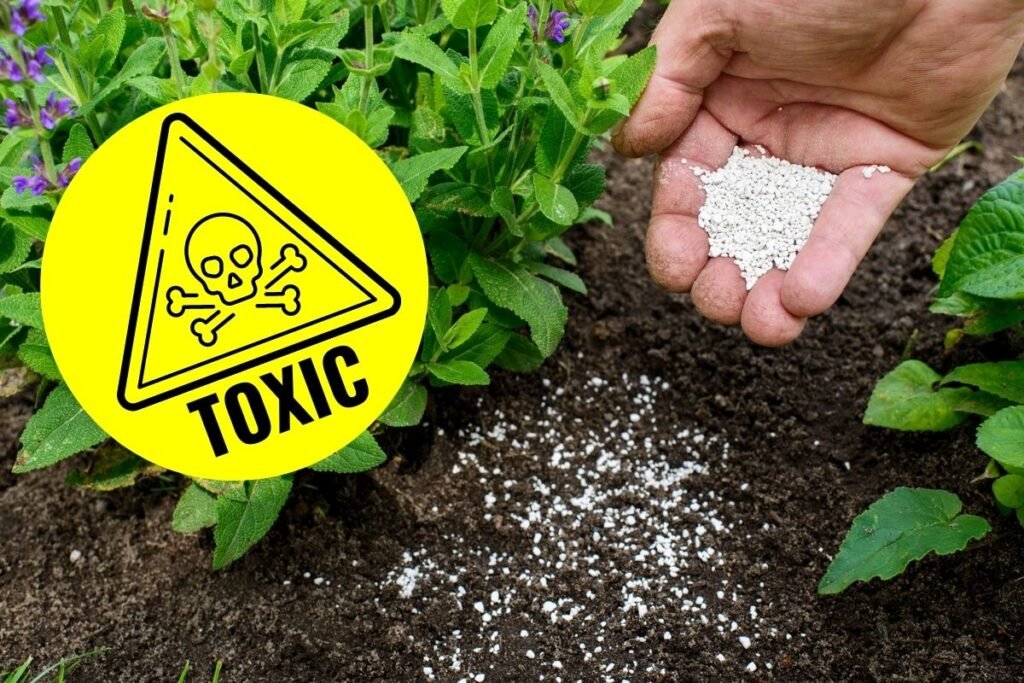
This rule defines organic gardening. No synthetic pesticides, herbicides or fertilizers allowed.
The Problem with Synthetic Chemicals
Chemical pesticides destroy beneficial bugs just as much as they do pests. They build up in soil, water and food. Many harm human health.
Artificial fertilizers give a quick hit of nutrients but harm the biodiversity of soil. They are like plant junk food — a temporary burst of energy followed by dependence.
Herbicides don’t just kill weeds; they also kill the microbes in soil and can drift onto neighboring plants. The residues persist for months or years.
Organic Alternatives That Work
For pests:
- Hand-pick large insects such as caterpillars and beetles
- For soft-bodied pests like aphids, use insecticidal soap
- Apply neem oil for insect pests and fungal infections
- Encourage beneficial insects that eat pests
- Use row covers to physically exclude insects
For weeds:
- Mulch heavily to suppress weed growth
- Hand-pull weeds when small
- Use a hoe or cultivator for larger spaces
- Pour boiling water on weeds in cracks and paths
- Apply corn gluten meal as pre-emergent weed preventer
For fertilization:
- Use compost as complete fertilizer
- Apply organic amendments, such as bone meal, blood meal or kelp
- Make compost tea for use as a liquid fertilizer
- Plant nitrogen-fixing cover crops
Making the Transition
If you are switching from conventional to organic gardening, don’t expect instant perfection. Soil does not immediately replenish its natural fertility and pest-regulation systems.
The first year may be challenging, as beneficial insects move into your garden. By year two or three, natural equilibrium achieves itself. Pest problems often decrease dramatically.
Rule #3: Rotate Your Crops Every Season
Crop rotation prevents soil exhaustion and interrupts pest and disease cycles.
Why Rotation Works
Different plant families are made up of species that uptake various nutrients. A single crop growing in a single place will use up some nutrients while others accumulate.
Specific plant families are targeted by numerous pests and diseases. They spend the winter in soil where their host plants grew. Rotating crops breaks this cycle.
Simple Rotation Strategy
Divide your garden into four sections. Cycle through plant families moving through these sections every 4 years:
Year 1: Fruiting plants (tomatoes, peppers, eggplants) Year 2: Leafy greens (lettuce, spinach, kale) Year 3: Root crops (carrots, beets, radishes) Year 4: Legumes (beans and peas)
After the fourth year, you repeat the cycle.
Plant Family Groups
| Family | Common Vegetables | Special Notes |
|---|---|---|
| Nightshades | Tomatoes, peppers, eggplants, potatoes | Heavy feeders, prone to similar diseases |
| Brassicas | Broccoli, cabbage, kale, cauliflower | Attract similar pests, need calcium |
| Legumes | Beans, peas, lentils | Fix nitrogen in soil, light feeders |
| Alliums | Onions, garlic, leeks | Pest-resistant, light feeders |
| Cucurbits | Squash, cucumbers, melons, pumpkins | Heavy feeders, need lots of space |
| Roots | Carrots, beets, radishes, turnips | Break up soil, moderate feeders |
Small Garden Rotation
In small gardens, rotate by container or bed instead of section. Just switching from one end of a little bed to the other helps.
Record what you grew where. Photos work well. Simple pen-and-paper sketches work well, too.
Rule #4: Encourage Beneficial Insects and Wildlife
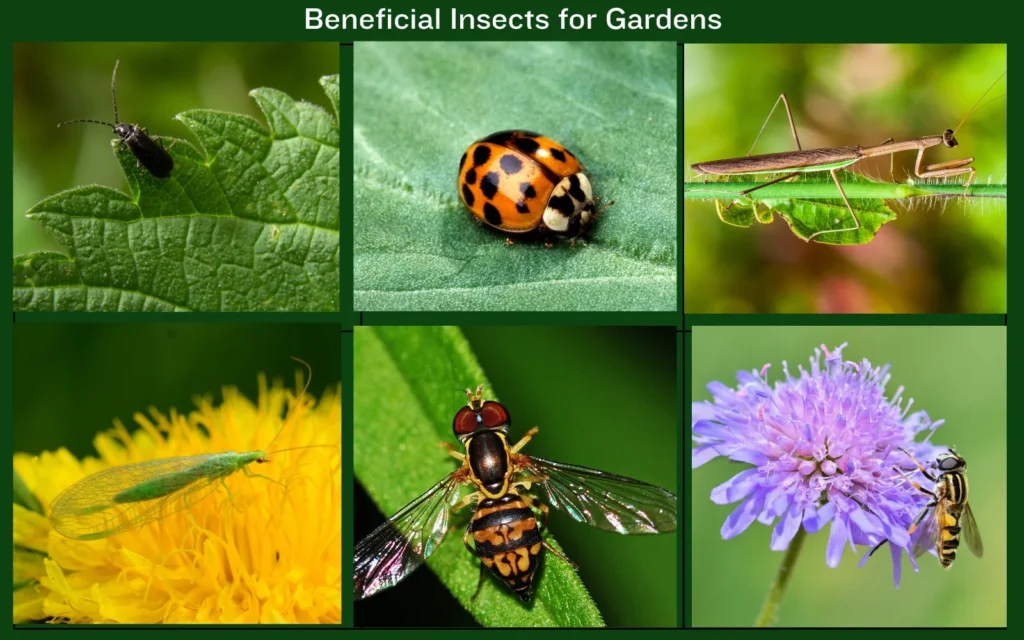
Your garden is an ecosystem. Beneficial creatures do much of the pest control work for you.
The Good Guys in Your Garden
Ladybugs eat aphids, mites and other soft-bodied pests. A single ladybug can consume 5,000 aphids in its lifetime.
Lacewings have larvae that devour aphids, caterpillars and pest eggs. Adults pollinate while feeding on nectar.
Ground beetles hunt slugs, cutworms and other soil-dwelling pests at night.
Parasitic wasps lay their eggs in pest insects. The larvae consume the pest from inside. They are tiny and do not sting humans.
Praying mantises eat most insects they can catch, including pests.
Spiders catch flying and crawling insects in webs or by hunting.
Birds eat countless caterpillars, beetles and other insects while feeding their young.
Toads and frogs consume slugs, beetles and other ground pests.
Creating Habitat for Beneficial Creatures
Plant flowers for beneficial insects. They need nectar and pollen when pest populations are low.
Good choices include:
- Yarrow
- Sweet alyssum
- Dill and fennel
- Marigolds
- Sunflowers
- Cosmos
- Zinnias
Provide water sources. A shallow dish with pebbles for landing spots attracts beneficial insects. A small pond brings frogs and dragonflies.
Create shelter. Leave some areas slightly wild. Mulch, stones and brush piles provide hiding spots for beneficial beetles and toads.
Avoid broad-spectrum pesticides. Even organic pesticides such as pyrethrin kill beneficial insects as well as pests. Use targeted solutions only when necessary.
Plant diverse species. Variety attracts different beneficial insects and prevents pest explosions.
Rule #5: Use Companion Planting Strategically
Some plants help each other when grown together. This is companion planting.
How Companion Planting Works
Certain plants repel pests that attack their neighbors. Others attract beneficial insects. Some improve soil for nearby plants.
Tall plants can shade heat-sensitive crops. Deep-rooted plants bring up nutrients for shallow-rooted neighbors.
Proven Companion Combinations
Tomatoes + Basil: Basil repels aphids, whiteflies and hornworms from tomatoes. It also improves tomato flavor.
Carrots + Onions: Onions repel carrot flies. Carrots repel onion flies. Perfect partnership.
Corn + Beans + Squash: The “Three Sisters” indigenous planting. Corn provides support for beans. Beans fix nitrogen for all three. Squash shades soil and deters pests with prickly vines.
Lettuce + Tall Crops: Plant lettuce in the shade of tomatoes, sunflowers or trellised peas. It prevents bolting in hot weather.
Marigolds + Everything: Marigolds repel many insects and soil nematodes. Plant them throughout the garden.
Nasturtiums as Trap Crops: Aphids love nasturtiums even more than other plants. They concentrate on nasturtiums, leaving vegetables alone.
Bad Combinations to Avoid
Some plants harm each other through allelopathy (releasing growth-inhibiting chemicals) or by competing for resources.
- Don’t plant beans near onions or garlic
- Keep fennel away from most vegetables—it inhibits growth
- Separate tomatoes and brassicas (cabbage family)
- Don’t plant cucumbers near aromatic herbs
Rule #6: Water Deeply and Less Frequently
Proper watering builds strong plants while conserving water and preventing disease.
The Deep Watering Principle
Shallow, frequent watering creates weak root systems. Roots stay near the surface where water is available. Plants become dependent on daily watering and vulnerable to drought.
Deep watering encourages roots to grow deep seeking moisture. Deep-rooted plants access more nutrients, resist drought better and stay healthier.
How to Water Properly
Water in the morning. This gives foliage time to dry before nightfall. Wet leaves overnight invite fungal diseases.
Water soil, not leaves. Direct water to the root zone. Drip irrigation and soaker hoses work perfectly. Hand watering works if you target the base.
Water until soil is moist 6-8 inches deep. Stick your finger into soil to check. For most gardens, this means watering 1-2 times per week deeply rather than daily.
Mulch to retain moisture. A good mulch layer reduces watering needs by 50% or more.
Adjust for weather and plant needs. New transplants need more frequent watering initially. Established plants need less. Hot, windy weather increases water needs.
Signs of Watering Problems
Underwatering:
- Wilting during the day
- Slow growth
- Leaf edges turning brown
- Early fruit drop
Overwatering:
- Yellowing leaves
- Fungal growth on soil
- Root rot
- Wilting despite wet soil
Rule #7: Mulch Everything, Always
Mulch is an organic gardener’s secret weapon. It solves multiple problems simultaneously.
The Magic of Mulch
Mulch is any material spread on soil surface around plants. Organic mulches include:
- Straw or hay
- Wood chips or bark
- Shredded leaves
- Grass clippings (thin layers only)
- Compost
- Newspaper or cardboard (under other mulch)
Benefits of Mulching
Suppresses weeds. A 3-4 inch mulch layer blocks light from weed seeds, preventing germination. Any weeds that appear are easy to pull.
Retains soil moisture. Mulch reduces evaporation dramatically. You’ll water half as often or less.
Moderates soil temperature. Mulch keeps soil cooler in summer, warmer in winter. This protects roots and extends the growing season.
Prevents soil erosion. Rain and wind can’t wash away mulched soil.
Improves soil. As organic mulch decomposes, it adds nutrients and organic matter to soil.
Reduces disease. Mulch prevents soil (which carries many disease organisms) from splashing onto plant leaves during rain or watering.
Attracts earthworms. Worms love the moist environment under mulch. They improve soil structure and fertility.
How to Apply Mulch
Spread mulch 2-4 inches deep around plants. Keep it a few inches away from plant stems to prevent rot.
Replenish mulch as it decomposes. Most organic mulches need topping up once or twice per year.
Use finer mulches like compost near small plants. Coarser materials like wood chips work better around established plants and trees.
Rule #8: Start with Healthy, Organic Seeds and Plants
Your garden’s success begins with what you plant.
Why Seed and Plant Quality Matters
Diseased plants bring problems into your garden. Weak plants struggle to thrive even in perfect conditions.
Seeds treated with synthetic fungicides contaminate organic gardens. Genetically modified seeds work against organic principles.
Choosing Seeds
Buy organic seeds when possible. They’re grown without synthetic chemicals and aren’t genetically modified.
Look for disease resistance. Seed catalogs list resistant varieties. Choose these to reduce disease problems naturally.
Select varieties suited to your climate. Regional seed companies offer varieties tested in local conditions.
Save seeds from healthy plants. This is free and preserves varieties that thrive in your specific garden. Only save seeds from open-pollinated varieties, not hybrids.
Avoid treated seeds. Many conventional seeds are coated with fungicides or insecticides. Choose untreated organic seeds.
Selecting Transplants
Examine plants carefully. Look for:
- Dark green, healthy foliage (not yellow or spotted)
- Compact, sturdy growth (not leggy and weak)
- No visible insects or eggs
- Moist but not soggy soil
- White, healthy roots (gently tip pot to check)
Choose smaller, younger plants over larger ones. Young transplants recover from transplant shock faster and often outperform bigger plants.
Buy from organic nurseries when available. These plants are grown without synthetic chemicals.
Quarantine new plants briefly. Keep them separate for a few days to ensure they’re not harboring pests before introducing to your garden.
Rule #9: Practice Proper Plant Spacing
Crowded plants create numerous problems. Proper spacing prevents most of them.
Why Spacing Matters
Air circulation prevents disease. Fungal diseases thrive in damp, stagnant air. Good spacing allows air to move freely around plants, keeping foliage dry.
Plants get adequate sunlight. Crowded plants shade each other, reducing photosynthesis and weakening growth.
Roots don’t compete. Proper spacing ensures each plant has enough soil volume for its root system.
Harvesting is easier. Well-spaced plants are accessible for maintenance and harvest.
Pest problems decrease. Pests spread more slowly when plants aren’t touching. You can inspect plants more easily.
Following Spacing Guidelines
Every seed packet and plant tag lists recommended spacing. These aren’t suggestions—they’re essential guidelines.
For vegetables:
- Large plants (tomatoes, peppers, eggplants): 18-24 inches apart
- Medium plants (broccoli, cabbage): 12-18 inches apart
- Small plants (lettuce, spinach): 6-8 inches apart
- Vining plants (cucumbers, squash): 24-36 inches apart
Intensive Planting vs. Overcrowding
Intensive planting means using space efficiently without overcrowding. It’s different from jamming plants together.
In intensive beds, plants are spaced so their leaves barely touch at maturity. This shades out weeds while maintaining adequate air circulation.
Square foot gardening uses this principle, dividing beds into one-foot squares and planting specific numbers of each vegetable per square.
Rule #10: Observe and Adapt Constantly
The best organic gardeners are keen observers. They notice small changes and respond before problems escalate.
What to Watch For
Daily observations (quick walks):
- New pest damage or insects
- Wilting or drooping plants
- Obvious disease symptoms
- Dry soil needing water
- Ripe produce ready to harvest
Weekly observations (detailed inspections):
- Under leaves where pests hide
- Soil moisture at root depth
- New growth patterns
- Early disease signs
- Beneficial insect populations
Seasonal observations:
- Which varieties performed best
- Where pest problems concentrated
- Which companion plantings worked
- Soil improvements needed
- Layout changes for next season
Keeping Garden Records
Documentation makes you a better gardener year after year.
What to record:
- Planting dates and varieties
- Harvest dates and yields
- Pest and disease problems
- Weather patterns
- What worked and what didn’t
- Photos throughout the season
Simple notebooks work fine. Garden apps exist for tech-savvy gardeners. The method doesn’t matter—the information does.
Adapting Your Approach
Gardening isn’t rigid. Every garden is different. Every season brings surprises.
If something isn’t working, change it. Try different varieties, adjust planting times, modify spacing or change companion plantings.
Learn from failures. Every dead plant teaches a lesson. Successful organic gardeners embrace experimentation.
How These Rules Work Together
These ten rules aren’t isolated practices. They form an interconnected system.
Healthy soil (Rule 1) creates strong plants that resist pests better, reducing need for chemical controls (Rule 2).
Crop rotation (Rule 3) combined with companion planting (Rule 5) maximizes beneficial insect habitat (Rule 4).
Proper spacing (Rule 9) improves air circulation, which works with proper watering (Rule 6) to prevent diseases.
Mulching (Rule 7) supports soil health (Rule 1) while reducing watering needs (Rule 6).
Starting with quality seeds (Rule 8) and observing carefully (Rule 10) helps you adapt practices to your specific conditions.
Together, these rules create gardens that largely maintain themselves. Nature does most of the work while you guide and harvest.
Common Challenges When Following These Rules
“Organic methods seem slower.”
They are initially. Chemical shortcuts provide quick fixes but create long-term problems. Organic methods invest in lasting solutions.
Give it time. Year one is transition. Year two shows improvement. Year three and beyond, your garden thrives with minimal intervention.
“Organic products cost more.”
Quality organic seeds and amendments may cost more upfront. But you’ll spend far less overall because:
- You’re not buying chemical fertilizers every season
- Healthy soil needs less inputs
- You can save seeds
- Compost is free
“I don’t have time for all this.”
These rules actually save time long-term. Healthy, well-mulched organic gardens need less watering, weeding and pest control than conventional gardens.
Start with a few rules. Master them before adding more. Even partial organic practices improve results.
“Pests are destroying my garden.”
Organic pest control works differently. You’re managing pests, not attempting to eliminate them completely.
Small pest populations feed beneficial insects. Accept minor damage. Only intervene when damage exceeds acceptable levels.
Build beneficial insect populations first. They provide free, ongoing pest control.
Frequently Asked Questions
Can I follow these rules in containers?
Absolutely. Container gardening works perfectly with organic methods. Use organic potting mix, avoid synthetic fertilizers and follow all other rules. Containers actually make crop rotation easier.
How long until I see results from organic methods?
Some results appear immediately—healthier soil looks and smells better right away. Full benefits take 2-3 seasons as beneficial organisms establish and soil biology rebuilds.
Are these rules necessary or just recommended?
They’re essential for true organic gardening. You might skip one or two temporarily, but following all ten creates a successful, sustainable garden.
What if organic methods don’t control a serious pest problem?
First, identify whether it’s truly serious or just noticeable. Organic gardening accepts some pest damage. If intervention is necessary, use targeted organic solutions like neem oil or insecticidal soap, not broad-spectrum pesticides.
Can I transition my existing garden to organic gradually?
Yes. Start by eliminating synthetic chemicals. Add compost and mulch. Implement other rules over time. Full transition takes 2-3 years, but improvements begin immediately.
Do organic gardens produce less food?
Initially, maybe slightly less. Within a few seasons, organic gardens often out-produce conventional gardens because soil health improves continuously rather than degrading.
Are homemade organic fertilizers as good as commercial ones?
Often better. Compost, compost tea and other homemade fertilizers provide broader nutrition and feed soil biology. Commercial organic fertilizers can supplement homemade versions when needed.
What’s the most important rule to start with?
Rule 1—feed the soil. Everything else builds on healthy, living soil. Start here and other practices become easier.
Your Organic Gardening Journey Starts Now
These ten essential organic home gardening rules form the foundation of success. They’re not complicated, but they do require commitment to natural methods.
You don’t need to implement everything perfectly on day one. Start where you are. Choose the rules that seem most achievable and master them.
Add practices gradually as you gain confidence. Within a few seasons, these rules become second nature. You’ll wonder why you ever gardened any other way.
Your plants will grow stronger. Your harvests will increase. Your soil will improve year after year instead of degrading. You’ll spend less money on inputs while producing healthier food.
The beneficial insects, earthworms and soil microbes will thank you. So will your family when they taste truly organic, homegrown produce.
Organic gardening isn’t just about avoiding chemicals. It’s about working with nature instead of against it. It’s about building systems that sustain themselves. For more home gardening tips and organic practices, explore comprehensive resources that can help you create a thriving organic garden.
These rules guide you toward that goal. Follow them consistently and you’ll create a garden that thrives naturally, producing abundant food with minimal intervention.
Stop fighting your garden with chemicals and quick fixes. Start following these essential rules and discover how easily plants grow when you support nature’s wisdom. According to the Rodale Institute, organic farming systems have been proven to build soil health and produce nutritious food while protecting the environment.
Your organic garden awaits. The transformation begins with your next planting decision. Choose organic, and never look back.