
7 Proven Organic Home Gardening Methods That Work
Introduction: Growing Food the Natural Way
Gardening was dominated for decades by chemical fertilizers and pesticides. Synthetic products in bottles and bags promised bigger harvests and pest-free plants. Many gardeners took up this practice without considering its long-term impact on soil health, beneficial insects or the food they ate.
Organic gardening takes a different path. It makes nature its ally rather than its opponent. This is a method of sustainable gardening in which nutrients are recycled in as biologically similar way as possible, nourishing the plants with enriched soil, benefiting beneficial insects that regulate pests and establishing balance to your own backyard ecosystem.
You don’t need a degree in horticulture or pricey organic products to garden successfully without chemicals. The seven approaches below rely on time-tested techniques perfected by gardeners over generations.
The following organic home gardening techniques do produce vegetables that are higher quality and more flavorful, as well as being nutrient dense. They save money while getting rid of costly chemical inputs. Best of all, they make gardens that get better every year as soil health improves and helpful organisms move in.
Whether you’re transitioning a present garden to organic methods or starting from scratch, these processes work in every climate and any size of space. Let’s investigate some of the proven methods that make organic gardening both successful and sustainable.
Build Living Soil Through Composting
Organic gardening success begins with the health of the soil. Unlike chemical treatments that feed plants directly, organic methods work by creating soil teeming with life. This living soil naturally nourishes plants while protecting them from many common problems.
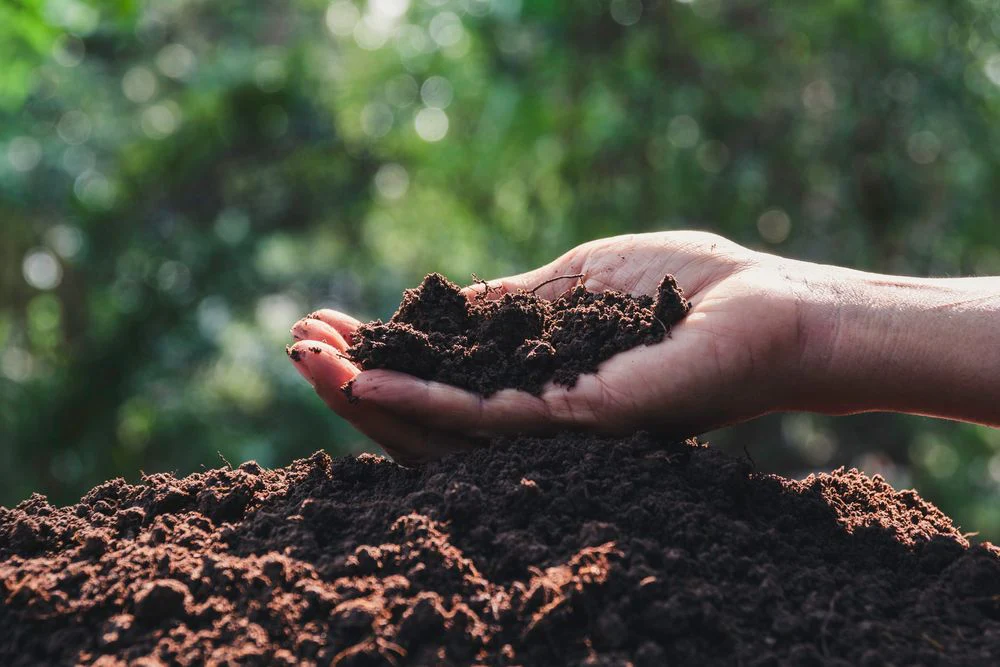
Composting converts kitchen scraps and yard waste into a nutritious material that benefits all kinds of soil. It introduces beneficial microorganisms, promotes drainage in clay soils and increases water retention in sandy ones; it also offers a source of slow-release nutrients that plants can draw upon as needed.
How to Make Simple Compost
Begin with a designated compost area or bin. To work properly, the pile needs to heat up and decompose efficiently, which means you need at least 3 feet of space in both width and height.
Layer high-nitrogen “green” materials with carbon-rich “brown” materials. Greens are vegetable scraps, grass clippings and coffee grounds. Browns are things like dry leaves, straw and shredded paper.
Perfect Compost Recipe:
| Material Type | Examples | Purpose |
|---|---|---|
| Greens (Nitrogen) | Vegetable scraps, grass clippings, coffee grounds | Nourish microorganisms |
| Browns (Carbon) | Dry leaves, straw, shredded paper | Provide energy for decomposition |
| Moisture | Water as needed | Keep pile damp like a wrung-out sponge |
| Air | Turn pile weekly | Accelerate decomposition; eliminate odors |
A good balance is about 3 parts brown to 1 part green material. When pile feels dry, add water. Rotate it weekly with a pitchfork to mix in oxygen.
When your compost is ready, it’ll be dark and crumbly looking with a scent that reminds you of fresh soil (there should be no clue to the original materials). In warm months, this usually occurs after 2-4 months.
Using Compost in Your Garden
Apply 2 to 3 inches of finished compost over garden beds before planting. Work this into the top 6 inches of soil. This makes soil nutrients and beneficial organisms directly available to plant roots.
Apply compost as mulch around plants, once a month during the growing season. This repeated feeding also conditions the soil and adds nutrients with every application.
Do not fertilize plants that you have organically grown with synthetic chemicals. The compost is enough to feed plants while supporting the soil ecosystem that will help ward off disease and pests.
Practice Strategic Companion Planting
Companion planting groups certain plants together, as they benefit each other. This age-old method cuts down on pest issues, promotes pollination, maximizes space and can even improve flavor.
Certain plants fend off insects that prey on their neighbors. Others draw in beneficial predators that feast on garden pests. Some combinations enhance soil nutrients or provide physical support.
Winning Plant Combinations
Tomatoes + Basil + Marigolds: Basil is a repellant of aphids and whiteflies, and it’s also proven to improve the flavor of tomatoes. Marigolds repel nematodes in the soil and any number of above-ground pests. This trio protects valuable tomato plants.
Corn + Beans + Squash: Commonly referred to as the “Three Sisters,” this Native American method maximizes production. Corn serves as a pole for beans to climb. Beans fix nitrogen in soil, which feeds all three plants. Squash leaves cover the ground and block weeds while also holding in moisture.
Carrots + Onions: Onion family plants such as chives, leeks, and spring onions all repel carrot flies – the number one carrot pest. Carrots help create loose soil that enables the bulb of an onion to expand.
Lettuce + Tall Flowers: Protect lettuce from hot temperatures by planting it in the shadow of sunflowers or zinnias in warm climates. The blooms create afternoon shade, keeping lettuce from bolting (going to seed) too soon.
Plants to Keep Separated
Not all combinations work well. Some compete for nutrients or produce chemicals that suppress their neighbors.
Keep these plants apart:
- Beans away from onions and garlic (they inhibit each other’s growth)
- Tomatoes away from brassicas such as cabbage and broccoli (they are nutrient competitors)
- Fennel away from most vegetables (it inhibits growth of nearby plants)
- Potatoes away from tomatoes (both are susceptible to the same diseases)
Design your garden layout with companion planting in mind. Create a simple map to indicate where plants go. This strategy helps avoid unintended mismatching and maximizes positive pairings.
Control Pests Without Chemicals
Organic pest control aims to prevent issues first, resorting to gentle interventions if problems do occur. This approach benefits helpful insects that feed on pests and pollinate plants.
The vast majority of garden pests have natural enemies. Offering habitat to these beneficial insects helps control pests without you lifting a finger.
Attract Beneficial Insects
Ladybugs, lacewings and parasitic wasps devour aphids, caterpillars and other unwanted pests. Plant flowers that draw these helpers throughout your garden.
Best flowers for beneficial insects:
- Alyssum (attracts tiny parasitic wasps)
- Calendula (brings ladybugs and hoverflies to the garden)
- Dill and fennel (feed beneficial wasps and beetles)
- Yarrow (attracts predatory wasps and ladybugs)
- Cosmos (offers nectar to many beneficial species)
Plant these flowers along garden borders or group them between rows of vegetables. The more beneficial insects you attract, the fewer pest problems you’ll face.
Physical Pest Barriers
Lightweight fabric row covers allow light and water through while blocking flying insects. Cover plants immediately after planting and remove when flowers appear and need pollination.
Ring raised beds with copper tape to deter slugs and snails. The copper produces a small electrical charge that repels them harmlessly.
Netting protects berries and fruiting plants from birds. Drape it over supports to keep fruit accessible while preventing bird damage.
Safe Organic Sprays
When pests overwhelm your natural controls, use these gentle organic options:
Neem oil: Controls aphids, whiteflies and fungal diseases. Mix 2 tablespoons per gallon of water. Spray early in the morning or late in the evening to avoid harming bees.
Insecticidal soap: Kills soft-bodied insects such as aphids and spider mites on contact. Buy ready-made or mix 2 tablespoons of pure liquid soap per gallon of water.
Diatomaceous earth: Sprinkle this powdered rock around plants to stop crawling insects. The microscopic sharp edges cut insect bodies, causing dehydration.
Always identify pests correctly before treating them. Sometimes what looks like pest damage is actually beneficial insect activity or a minor issue that will resolve naturally.
Mulch Everything for Multiple Benefits
Mulching might be the single most important technique in organic gardening. This simple practice solves multiple problems simultaneously while reducing your workload.
Organic mulches suppress weeds by blocking sunlight, retain soil moisture so you water less, regulate soil temperature to protect plant roots, and break down gradually to feed soil organisms.
Choosing the Right Mulch
Different mulches work better for different situations. Consider what you’re growing and what materials you have access to.
Wood chips or bark: Best for perennial plants, trees and permanent pathways. They break down slowly and look attractive. Apply 3-4 inches thick.
Straw: Perfect for vegetable gardens. Clean straw (not hay with seeds) provides excellent weed control and moisture retention. Apply 3-6 inches around plants.
Grass clippings: Free and readily available. Let clippings dry before applying to prevent matting. Apply thin layers of 1-2 inches, adding more as it decomposes. Grass clippings add nitrogen as they break down.
Shredded leaves: Excellent for all garden applications. Run over leaves with a lawn mower to shred them. Apply 2-3 inches. Leaves break down quickly, feeding soil heavily.
Compost: Use as both mulch and soil amendment. Apply 1-2 inches around growing plants monthly. Provides nutrients while protecting soil.
Proper Mulching Technique
Pull weeds before mulching. Mulch prevents new weeds from sprouting but won’t kill existing ones.
Keep mulch 2-3 inches away from plant stems and tree trunks. Mulch touching stems creates moisture that encourages rot and disease.
Apply mulch 2-4 inches thick depending on material. Finer materials need less depth. Coarser materials need more depth for effective weed suppression.
Refresh mulch as it decomposes. This typically means adding more every 2-3 months during growing season. The decomposing mulch feeds your soil, so this isn’t wasted effort.
Rotate Crops to Prevent Disease
Crop rotation means growing different plant families in different locations each season. This traditional practice prevents disease buildup, balances soil nutrients, and disrupts pest life cycles.
Many diseases and pests target specific plant families. They build up in soil when you grow the same crops in the same spot year after year. Rotation breaks this cycle naturally.
Simple Rotation System
Divide your garden into three or four sections. Assign each section to a plant family and rotate them through the sections each year.
Basic three-year rotation:
- Year 1: Section A = Tomato family, Section B = Bean family, Section C = Cabbage family
- Year 2: Section A = Bean family, Section B = Cabbage family, Section C = Tomato family
- Year 3: Section A = Cabbage family, Section B = Tomato family, Section C = Bean family
This ensures no plant family returns to the same spot for three years. Most soil-borne diseases and pests die out in that time without host plants.
Plant Family Groups
Understanding plant families makes rotation easier. Related plants share similar nutrient needs, pests, and diseases.
Common vegetable families:
- Tomato family: Tomatoes, peppers, eggplant, potatoes
- Cabbage family: Broccoli, cauliflower, kale, cabbage, radishes
- Squash family: Cucumbers, melons, squash, pumpkins
- Bean family: Peas, beans, lentils
- Onion family: Onions, garlic, leeks, chives
- Carrot family: Carrots, parsley, celery, parsnips
Keep records of what grows where each season. A simple garden journal prevents accidental mistakes and helps you plan better rotations.
Rotation becomes especially important for preventing tomato and potato blights, clubroot in cabbage family plants, and soil-borne fungal diseases.
For more detailed gardening strategies and helpful resources, explore comprehensive guides to support your organic growing journey.
Water Deeply and Infrequently
Watering technique dramatically affects plant health and garden productivity. Most gardeners water too often and too shallowly, creating weak root systems and wasting water.
Organic gardening emphasizes building drought-resistant plants through proper watering habits. Deep, infrequent watering encourages roots to grow down into soil where moisture stays more consistent.
The Deep Watering Method
Water until soil is moist 6-8 inches deep. Stick a trowel into soil after watering to check depth. If soil is wet only 2-3 inches down, you haven’t watered enough.
Let soil dry somewhat between watering sessions. Check soil moisture by sticking your finger 2-3 inches into the ground. Water when it feels barely damp at that depth.
This approach typically means watering 2-3 times weekly instead of daily shallow watering. Frequency depends on weather, soil type, and plant needs.
Watering Techniques That Save Water
Soaker hoses: Weep water directly into soil without waste through evaporation or runoff. Lay them along plant rows and run for 1-2 hours to soak soil deeply.
Drip irrigation: Even more efficient than soaker hoses. Delivers water directly to root zones through emitters placed at each plant. Can reduce water use by 50% compared to sprinklers.
Hand watering: Gives you control and lets you observe plants closely. Time-consuming but therapeutic for small gardens. Direct water at soil, not leaves, to prevent fungal diseases.
Watering cans: Perfect for container gardens and targeted watering. The slow application rate reduces runoff and ensures water soaks in.
Morning watering remains best for disease prevention. Leaves dry quickly as temperatures rise, reducing fungal problems that thrive in damp conditions.
Make Your Own Organic Fertilizers
Store-bought organic fertilizers work well but cost money. Making your own fertilizers from free materials saves money while providing excellent nutrition for plants.
These homemade options contain balanced nutrients and beneficial microorganisms that support organic gardening principles.
Compost Tea for Liquid Feeding
Compost tea extracts nutrients and beneficial organisms from finished compost into a liquid form plants absorb quickly.
Fill a 5-gallon bucket halfway with finished compost. Add water to fill the bucket. Stir vigorously daily for 3-5 days. The mixture should smell earthy, not rotten.
Strain out solids through cheesecloth or an old t-shirt. Dilute the liquid to look like weak tea (light brown). Apply to soil around plants or spray on leaves for foliar feeding.
Use compost tea immediately after making it. Beneficial organisms die within 24 hours of brewing finishing.
Banana Peel Fertilizer for Flowering Plants
Banana peels contain high potassium levels that encourage flowering and fruiting. They also provide calcium and magnesium.
Chop banana peels into small pieces and bury them 2-3 inches deep around tomatoes, peppers, and flowering plants. They break down in 2-3 weeks, releasing nutrients gradually.
Alternatively, soak chopped peels in water for 2-3 days to make banana peel tea. Remove solids and water plants with the liquid.
Grass Clipping Fertilizer
Fresh grass clippings contain high nitrogen that leafy vegetables need for growth. Layer thin amounts (1 inch) around lettuce, spinach, kale, and other greens.
Let clippings dry partially before applying to prevent matting and odors. They break down within 2-3 weeks, feeding plants throughout their growth.
Eggshell Calcium
Crushed eggshells provide calcium that prevents blossom end rot in tomatoes and peppers. Rinse shells, dry them, then crush into small pieces.
Sprinkle crushed shells around tomato and pepper plants at planting time. Work them into soil or let them sit on surface as mulch. They break down slowly over the season.
For additional information on organic gardening practices and soil health, visit the Rodale Institute’s organic gardening resources.
Frequently Asked Questions
How long does it take to convert a garden to organic methods?
You can start organic practices immediately by stopping chemical inputs and adding compost. Full soil transition takes 2-3 years as chemicals break down and beneficial organisms establish. Most gardeners notice improvements in soil texture and plant health within the first season.
Are organic methods really as effective as using chemicals?
Yes, though they work differently. Chemical fertilizers provide instant nutrients but don’t improve soil. Organic methods build soil health that sustains plants long-term. By year two or three, organic gardens often outperform chemical gardens in productivity and disease resistance.
What’s the best organic pest control for aphids?
Spray aphids off with a strong stream of water daily for 3-5 days. This simple method controls most outbreaks. For severe infestations, use insecticidal soap or neem oil. Plant alyssum and other beneficial insect attractors to prevent future problems.
Can I use organic methods in containers?
Absolutely. Container gardening works perfectly with organic methods. Use quality organic potting soil, add compost monthly, and apply compost tea for liquid feeding. Container plants actually benefit more from organic approaches because nutrients leach out faster in pots.
Is organic gardening more expensive than conventional methods?
Initial costs might be slightly higher for quality compost and organic seeds. Long-term, organic gardening costs less because you make your own fertilizers and amendments from free materials. You also save money not buying pesticides and synthetic fertilizers.
How do I deal with weeds organically?
Mulch heavily (3-4 inches) to prevent most weeds from sprouting. Pull emerging weeds when small, before they set seed. Hand weeding takes time initially but decreases dramatically once you establish good mulch coverage and healthy soil that favors your plants over weeds.
Conclusion: Building a Sustainable Garden Ecosystem
These seven proven organic home gardening methods create gardens that thrive without chemical inputs. You’ve learned how composting builds living soil, companion planting creates beneficial relationships, and natural pest control protects your harvest without harming the environment.
You understand that mulching solves multiple problems simultaneously, crop rotation prevents disease naturally, deep watering builds stronger plants, and homemade fertilizers provide nutrition while saving money.
Organic gardening isn’t just about avoiding chemicals. It’s about working with natural systems instead of fighting against them. This approach creates gardens that improve each year instead of depleting resources.
Your organic garden becomes a balanced ecosystem where beneficial insects control pests, soil organisms feed plants, and companion plants support each other. This self-regulating system requires less intervention as it matures.
Start implementing these methods one at a time if they feel overwhelming. Begin with composting and mulching since they provide the biggest improvements with the least effort. Add other techniques as you gain confidence and see results.
The vegetables and herbs you grow organically taste better because they develop natural sugars and flavors that chemical growing suppresses. They contain more vitamins and minerals because healthy soil provides complete nutrition.
Most importantly, you know exactly what went into growing your food. No mystery chemicals, no harmful residues, just clean food grown in harmony with nature.
Your garden is ready for organic transformation. Choose one or two methods from this guide and implement them this growing season. Watch your plants respond with vigorous growth, better flavor, and increased resilience to pests and diseases.
The proven organic home gardening methods in this guide work because they’ve been refined through generations of gardeners working with nature. They’ll work in your garden too.