

7 Secret Organic Home Gardening Tricks for Fast Growth
Introduction
It’s a magical experience watching plants grow, but waiting months to see that magic can test even the most patient among us. What if you could hurry things along without resorting to chemical fertilizers or synthetic growth hormones? There are organic gardening secrets that have been passed down through the ages that can rapidly make plants grow, thus providing food and medicine in a natural way.
Nor are these particularly tricky scientific manipulations that require special equipment or exotic ingredients. The best part about most of these fast-growth secrets is that they’re all ingredients that you already have in your kitchen or that you can find for free in the neighborhood. They’re effective because they offer plants precisely what they desire in forms that the plants can readily consume.
Commercial growers keep some of these methods secret because they are so effective. Home gardeners who stumble upon them find seedlings that grow twice as fast, vegetables that ripen weeks early, and flowers that bloom more extravagantly.
The distinction between struggling, slow-growing plants and vigorous success often comes down to these easy tricks. They provide turbo boosters for soil biology, deliver nutrients in ideal ratios, and ensure that roots erupt with new growth. Your neighbors are going to want to know what magic elixir you’re using when your tomatoes reach cathedral-spire heights, or your roses bloom long before theirs have even budded.
This guide uncovered 7 organic home gardening tips that speed up growth naturally. Every one of them tackles a specialized growth factor which can be the distinction between okay results and gigantic harvests.
Potassium from Banana Peels for Amazing Flowering
Banana peels offer a tremendous amount of potassium—the nutrient required for flowering, fruiting, and strong stem development. This growth-boosting gold gets thrown out by most gardeners because they don’t realize its power.
Why Potassium Creates Fast Growth
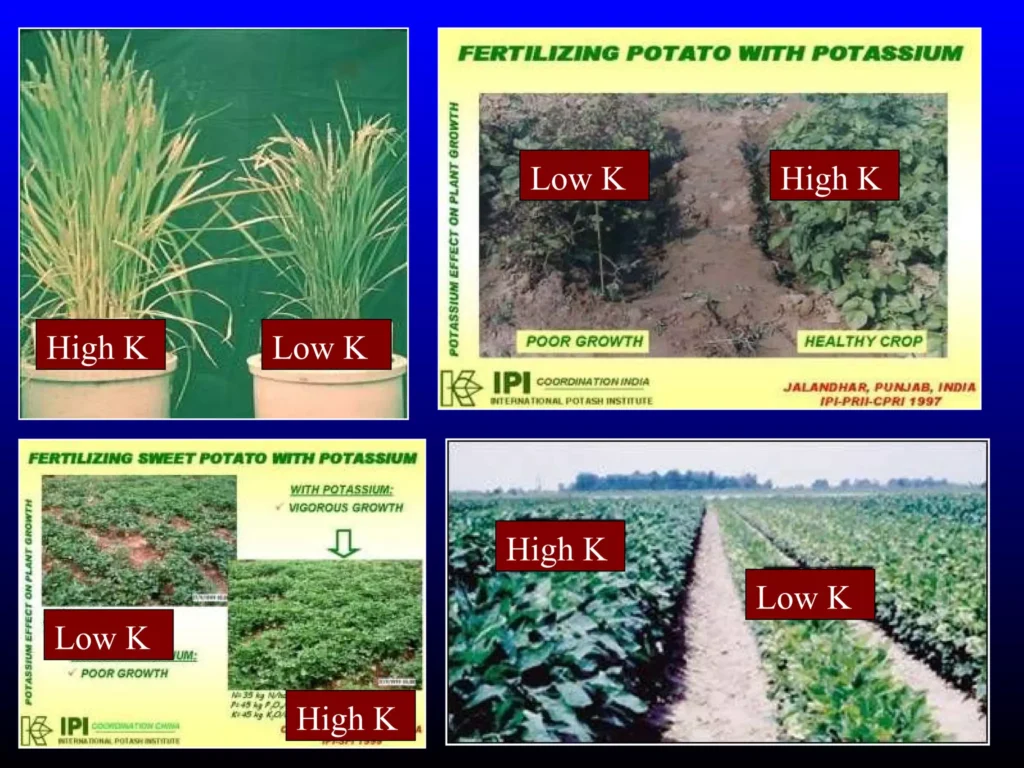
Potassium controls the flow of water in plants, builds their cell walls, and triggers enzymes for photosynthesis. Plants that lack potassium grow poorly, with weak stems and poor blooms and fruits.
Chemical potassium fertilizers take care of this, but they can scorch roots and disrupt soil balance. Banana peels give up their potassium slowly as they decay, so the plants can take it in a little bit at a time without any danger of overloading and burning.
Peels also contain lesser amounts of calcium, magnesium, and sulfur. This nutrient blend provides the perfect conditions for flowering and ripening.
Three Ways to Use Banana Peels
Direct Burial Method: Chop fresh peels into small pieces and bury them 2-3 inches deep around existing plants. Water thoroughly. The peels will break down in 2-3 weeks and serve as a direct source of nutrients to the root system. This is great for roses, tomatoes, and peppers.
Banana Peel Tea: Fill a jar with water and place 3-4 banana peels in it. Let sit 48 hours, then remove peels and dilute brown liquid 1:5 with water. Water your plants with this nutrient-rich tea once every two weeks. Liquid form provides nutrients directly to the roots.
Dried Peel Powder: Dry banana peels in sun or low oven until crisp. Pulverize in blender or coffee grinder. Add 2 tablespoons of powder to the top 2 inches of soil around each plant monthly. This dense version offers peak nutrition in the least amount of space.
Best Plants for Banana Peel Treatment
Flowering plants have the most astounding reaction to banana peels. Roses result in bigger, darker blossoms. Geraniums bloom continuously, not intermittently. Petunias and marigolds double their bloom output.
Fruit-bearing vegetables including tomatoes, peppers, and cucumbers derive great benefits. The additional potassium boosts fruit set, enhances the taste of your harvest, and encourages ripening. Anticipate yields 1-2 weeks ahead of untreated plants.
Coffee Grounds Acidify Soil & Feed Acid-Loving Plants
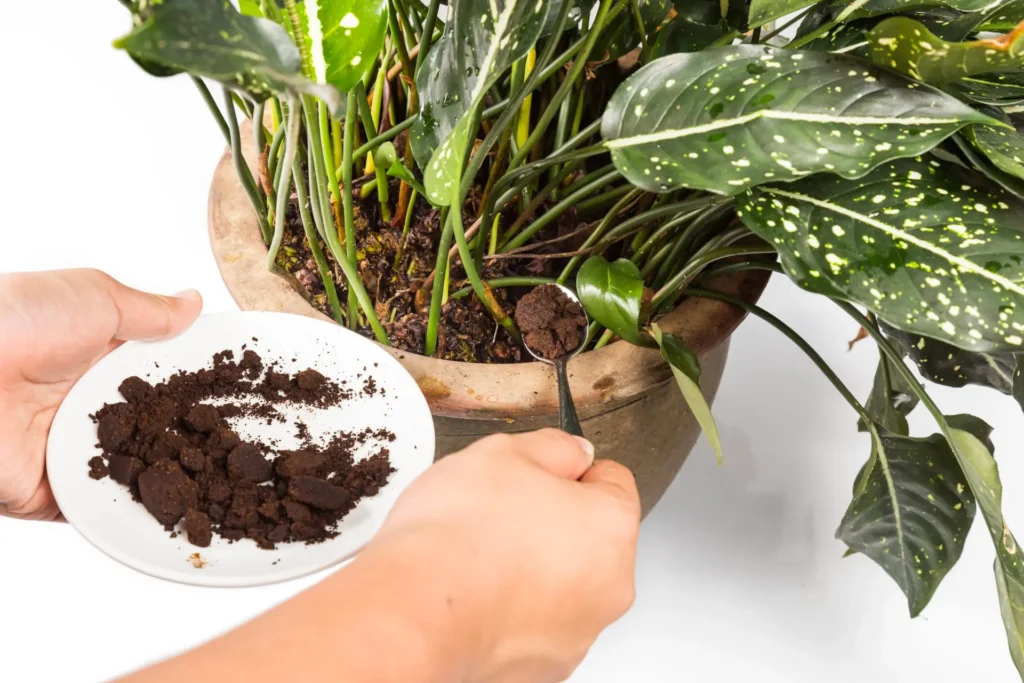
Even after brewing, coffee grounds are still beneficial as a slow-release source of nitrogen and will also lower the pH of your soil. This twofold effect is the ideal environment for acid-loving plants.
The Nitrogen Boost Plants Need
Nitrogen pushes leafy growth and green color. Plants suck nitrogen out of soil faster than any other nutrient, causing them to drop into frequent deficiencies that would make growth grind to a halt.
Fresh coffee grounds have a 2% nitrogen content by weight. As the grounds decay, they attract beneficial bacteria that convert organic matter into a form from which plants can derive nitrogen immediately. This process also creates heat, which warms soil and hastens seed germination.
The grounds also add structure to the soil. They form air pockets in clay soils and allow sandy soils to hold moisture. Because earthworms love coffee grounds, they tend to congregate around them and naturally aerate the soil.
How to Apply Coffee Grounds Correctly
Spread used grounds in a thin layer (no deeper than half an inch) at the base of your plants. Thick layers just mat and repel water; the soil doesn’t improve. Work grounds into the top inch of soil, or leave them to be washed in by rain.
For potted plants, mix coffee grounds at a ratio of 1 part to 3 parts potting soil when repotting. This ratio supplies nitrogen without acidifying the soil to the point that most plants will not perform well.
Make compost tea with coffee grounds: Steep two cups of used coffee grounds in five gallons of water overnight. Strain and use the liquid to water your plants. It’s a way of providing nitrogen in liquid form, which roots soak up within hours.
Plants That Love Coffee Grounds
Acid-loving plants actually take off with regular applications of coffee grounds. Blueberries, azaleas, rhododendrons, and hydrangeas love the pH of 4.5 to 5.5; coffee grounds will help lower the pH of soil into this range.
Tomatoes are particularly responsive, although they aren’t acid-loving plants. The nitrogen boost assists with early growth, allowing plants to get a head start before the hot weather comes. Apply grounds every two to three weeks during the growing season.
Carrots and radishes appreciate the better soil structure grounds allow for. Root crops must have friable, loose soil to develop well. Coffee grounds naturally lighten heavy soil while releasing slow nitrogen.
Epsom Salt Delivers Magnesium for Chlorophyll Production
Epsom salt (magnesium sulfate) makes magnesium and sulfur directly available. These are necessary for production of chlorophyll and the synthesis of protein, but garden soils often lack them.
Why Magnesium Accelerates Growth
In the middle of every chlorophyll molecule is magnesium. Without enough magnesium, plants can’t photosynthesize effectively no matter how much light they are exposed to. This results in pale, stunted plants with yellow foliage.
Sulfur activates enzymes and works to produce amino acids, which develop into plant proteins. It also enhances disease resistance and cold hardiness. Plants with sufficient sulfur are better able to tolerate stress and continue growing well when stressed.
Magnesium and Sulfur Benefits:
| Element | Primary Functions | Deficiency Symptoms |
|---|---|---|
| Magnesium | Chlorophyll production, enzyme activation, nutrient movement | Yellow leaves with green veins, slow growth |
| Sulfur | Protein synthesis, disease resistance, vitamin formation | Overall pale color, stunted growth, delayed maturity |
Epsom Salt Application Methods
Dissolve 1 tablespoon of Epsom salt per gallon of water. Water your plants with the solution every 2-3 weeks during active growth. The minerals dissolve and are absorbed through roots immediately, enabling plants to green up within days.
For preventing transplant shock, add 1 tablespoon of Epsom salt in the planting hole before placing the seedlings. Water thoroughly. Magnesium helps plants establish new roots quickly, reducing transplant shock significantly.
For severe deficiencies, foliar spray works fastest. Mix 1 tablespoon Epsom salt per gallon of water and spray directly on leaves early morning or evening. Leaves absorb nutrients within hours; improvement is often noticed the next day.
Plants That Respond Best to Epsom Salt
Tomatoes and peppers show dramatic responses to Epsom salt. Leaves turn deep green within a week. Fruit production increases, and plants develop stronger stems that support heavy crops without staking.
Roses treated with Epsom salt produce larger, more fragrant blooms. Apply 1/2 cup around the base of each bush in spring when new growth starts. Repeat monthly during the growing season.
Leafy greens like lettuce, spinach, and kale benefit enormously. The magnesium boost creates that deep green color consumers associate with nutrient-dense vegetables. Growth rates can double with regular applications.
Eggshells Add Calcium While Deterring Pests
Eggshells provide calcium in slow-release form while creating physical barriers against soft-bodied pests. This dual benefit makes them one of the most valuable kitchen scraps for gardeners.
Calcium’s Role in Plant Cell Structure
Calcium strengthens cell walls and membranes, creating sturdy plant structures that resist disease and support heavy fruit loads. It also regulates nutrient movement within plants and activates growth enzymes.
Calcium deficiency causes blossom end rot in tomatoes and peppers—that black, sunken spot that ruins fruit. It creates bitter lettuce and prevents roots from developing properly. Most garden soils contain calcium, but it becomes unavailable when pH is too low or high.
Eggshells are 95% calcium carbonate, the same compound found in agricultural lime. They release calcium slowly as they break down, maintaining steady levels without shocking plants like fast-acting lime can.
Preparing Eggshells for Maximum Effectiveness
Rinse eggshells to remove residue, then dry completely. Crush into small pieces using a mortar and pestle, rolling pin, or blender. Finer particles decompose faster and release calcium more quickly.
Work crushed shells into soil at planting time, mixing 1/4 cup per planting hole for tomatoes, peppers, and squash. The shells will decompose over the season, providing steady calcium as fruits develop.
Create eggshell tea by soaking crushed shells in water for several days. Use this calcium-rich water for plants showing deficiency symptoms. While not as concentrated as Epsom salt tea, it delivers calcium in immediately available form.
The Pest Deterrent Bonus
Coarsely crushed eggshells create barriers that slugs and snails won’t cross. The sharp edges damage their soft bodies, causing them to avoid treated areas. Circle plants with 1-inch wide bands of crushed shells.
This physical barrier works better than chemical slug baits and remains effective through rain and watering. Refresh the barrier monthly as shells decompose into soil.
Deer and rabbits supposedly avoid areas where they smell eggshells, though evidence for this is mostly anecdotal. The calcium benefit alone makes eggshells worthwhile regardless of pest deterrent properties.
Compost Tea Delivers Beneficial Microbes Instantly
Compost tea extracts beneficial bacteria, fungi, and nutrients from finished compost into liquid form. Plants absorb these instantly through roots and leaves, triggering rapid growth spurts.
Active Biology Versus Nutrients Alone
Traditional fertilizers provide nutrients but no living organisms. Compost tea delivers both, inoculating soil with billions of beneficial microbes that help plants in multiple ways.
These microorganisms colonize root surfaces, protecting against disease organisms. They break down organic matter, releasing nutrients continuously. Some produce growth hormones that stimulate root development and cell division.
Research shows plants watered with compost tea grow 20-30% faster than those receiving only nutrients. The biological component makes all the difference.
Brewing Perfect Compost Tea
Fill a 5-gallon bucket with non-chlorinated water (let tap water sit 24 hours to dissipate chlorine). Add 2 cups of finished compost in a mesh bag or old pillowcase.
Add 2 tablespoons of unsulfured molasses to feed microbes during brewing. Aerate continuously using an aquarium pump and airstone for 24-48 hours. The bubbling keeps beneficial aerobic organisms thriving.
The finished tea should smell earthy and pleasant. Foul odors indicate anaerobic bacteria, which can harm plants. Use tea immediately for maximum benefit—microbe populations crash within hours of brewing.
Application for Fastest Results
Dilute finished tea 1:10 with water for root drenching. Apply 1-2 cups per plant, watering soil thoroughly before and after application. Use weekly during periods of active growth.
Foliar spray delivers microbes directly to leaf surfaces where they protect against fungal diseases. Spray early morning or evening, coating both sides of leaves. The organisms colonize leaf surfaces, creating a protective biofilm.
Seedlings respond dramatically to compost tea applications. Water with diluted tea (1:20 ratio) immediately after transplanting. The microbes help establish root systems quickly, reducing transplant shock to nearly zero.
For more organic gardening techniques and resources, explore helpful guides to maximize your garden’s potential.
Fish Fertilizer Provides Complete Nutrition Fast
Fish emulsion and hydrolysate deliver all essential nutrients in forms plants absorb within hours. This complete nutrition package accelerates growth more than any single-nutrient amendment.
The Complete Nutrient Profile
Fish fertilizers contain nitrogen, phosphorus, and potassium plus trace minerals, amino acids, and growth hormones. This comprehensive nutrition addresses multiple growth factors simultaneously.
The nutrients exist in organic forms that beneficial soil bacteria process quickly. Unlike synthetic fertilizers that provide salts, fish products nourish both plants and soil biology.
Typical Fish Fertilizer Analysis:
| Nutrient | Average Content | Benefit |
|---|---|---|
| Nitrogen (N) | 4-5% | Leafy growth, green color |
| Phosphorus (P) | 1-2% | Root development, flowering |
| Potassium (K) | 1-2% | Overall vigor, disease resistance |
| Trace Minerals | Multiple | Enzyme activation, chlorophyll |
Choosing Between Emulsion and Hydrolysate
Fish emulsion results from heat-processing fish waste. The heat destroys some nutrients and beneficial oils but creates a stable product with minimal odor. It costs less but provides fewer benefits.
Fish hydrolysate uses cold-processing that preserves all nutrients, oils, and beneficial compounds. It smells much stronger but delivers superior growth results. The oils coat leaves, protecting against pests and disease.
For fastest growth, choose hydrolysate despite the smell. Apply early morning so odors dissipate before evening. The results justify the temporary unpleasantness.
Strategic Application Timing
Apply fish fertilizer every 2-3 weeks during active growth. Mix according to label directions (typically 2-3 tablespoons per gallon). Water plants first, apply fertilizer solution, then water again lightly.
Use half-strength applications weekly for seedlings and young transplants. The frequent feeding maintains steady nutrition without overloading small root systems.
Foliar feeding with fish fertilizer produces visible results within 48 hours. Leaves darken, stems thicken, and growth accelerates noticeably. Spray every 10-14 days, avoiding flowers to prevent odor issues.
Wood Ash Adds Potassium and Raises pH Simultaneously
Wood ash from fireplaces and burn piles contains high potassium levels plus calcium and trace minerals. It acts as both fertilizer and lime, speeding growth in acidic soils.
The Alkalizing Effect on Soil
Many garden soils become acidic over time from rainfall, decomposing organic matter, and acid-forming fertilizers. When pH drops below 6.0, essential nutrients become locked up and unavailable regardless of how much exists in soil.
Wood ash raises pH quickly, unlocking these nutrients within weeks. The calcium and potassium it provides offer additional growth benefits. This double action makes wood ash one of the most powerful amendments for fast growth in acidic conditions.
One pound of wood ash neutralizes as much acidity as 3/4 pound of limestone but acts much faster. Limestone takes months to affect pH, while wood ash works in 2-3 weeks.
Safe Application Rates
Test soil pH before applying wood ash. Only use on soils testing below 6.5. Applying ash to neutral or alkaline soils creates nutrient imbalances and stunts growth rather than accelerating it.
Spread wood ash thinly—no more than 1/2 inch layer—and work into the top 6 inches of soil. Heavy applications raise pH too high too quickly, shocking plants and locking up nutrients.
For established plants, sprinkle 1/4 cup of ash around the base of each plant and water thoroughly. Repeat every 6-8 weeks if soil remains acidic. Most soils need ash only once or twice yearly.
Plants That Benefit Most
Vegetables in the cabbage family (broccoli, cauliflower, kale) thrive in higher pH soil and love the extra calcium wood ash provides. They grow faster and develop better heads with regular ash applications.
Onions, garlic, and leeks respond excellently to wood ash. The potassium promotes strong bulb development while calcium prevents storage rot. Apply ash at planting time for best results.
Avoid using wood ash around acid-loving plants like blueberries, azaleas, and potatoes. The pH increase harms these plants rather than helping them grow.
Alfalfa Meal Releases Triacontanol Growth Hormone
Alfalfa meal contains triacontanol, a natural growth hormone that stimulates cell division and elongation. This little-known amendment produces growth spurts that amaze even experienced gardeners.
The Science Behind Triacontanol
Triacontanol is a fatty alcohol found in high concentrations in alfalfa. Research shows it increases photosynthesis rates by up to 50%, accelerates root development, and promotes earlier flowering.
Plants treated with triacontanol develop 25-30% more leaf area in the same time period compared to untreated plants. More leaves mean more photosynthesis, which translates directly to faster overall growth.
The compound also improves stress tolerance, helping plants maintain growth through heat, drought, or transplant shock. This resilience means fewer growth setbacks and steady development.
How to Use Alfalfa Meal
Mix alfalfa meal into soil before planting at rates of 2-3 pounds per 100 square feet. The meal releases nutrients and growth hormones gradually over 2-3 months as it decomposes.
For established plants, scratch 1/4 cup of meal into soil around each plant monthly. Water thoroughly to activate decomposition. Growth acceleration becomes visible within 10-14 days.
Create alfalfa tea for fastest results. Soak 1 cup of alfalfa meal in 5 gallons of water for 3-5 days, stirring daily. Strain and use the liquid to water plants. The tea delivers triacontanol in immediately available form.
Expected Growth Results
Roses respond spectacularly to alfalfa meal applications. Professional rose growers use it regularly to produce show-quality blooms. Expect 30-40% larger flowers with deeper colors and stronger fragrance.
Tomato plants treated with alfalfa meal develop stronger stems and set more fruit. The growth hormone effect helps plants support heavy crops without staking. Yields can increase 20-25% compared to untreated plants.
Annual flowers like petunias, zinnias, and marigolds bloom 2-3 weeks earlier when fed alfalfa meal. The extended bloom period provides weeks of additional color in gardens and containers.
FAQs About Secret Organic Home Gardening Tricks
How quickly will I see results from these organic tricks?
Some effects appear within 24-48 hours, particularly with foliar applications of Epsom salt or compost tea. Others like banana peels and eggshells take 2-3 weeks as decomposition releases nutrients. Most gardeners notice significant growth acceleration within 1-2 weeks of starting these treatments.
Can I use multiple tricks together or will they conflict?
Yes, these tricks complement each other perfectly. Banana peels provide potassium while coffee grounds add nitrogen—different nutrients working together. Combine Epsom salt with fish fertilizer for complete nutrition. The only caution is wood ash; test pH first and avoid combining with acidifying amendments like coffee grounds in the same area.
Are these tricks safe for edible gardens and around pets?
Absolutely. All ingredients are food-grade and completely non-toxic. Coffee grounds, banana peels, and eggshells come from your kitchen. Epsom salt is used in baths. Fish fertilizer smells strong but contains nothing harmful. Wood ash requires keeping pets away during application to avoid paw irritation, but is safe once watered in.
How much money can I save using kitchen scraps instead of fertilizers?
Most households generate enough banana peels, coffee grounds, and eggshells to fertilize 100-200 square feet of garden yearly. At current fertilizer prices ($15-30 per bag), you’ll save $50-100 annually while getting better results than synthetic products provide.
Do these tricks work in containers as well as garden beds?
Container plants respond even more dramatically than in-ground plants. The confined root systems access amendments more completely. Use slightly lower rates (half the recommended amount) in containers to avoid nutrient buildup. Compost tea and liquid applications work especially well for container gardening.
Will these organic methods work in poor soil or do I need good soil first?
These tricks actually improve poor soil while feeding plants. Coffee grounds and banana peels add organic matter that transforms soil structure. Compost tea inoculates soil with beneficial organisms. Start using these amendments immediately—soil will improve with each application while plants show faster growth right away.
Conclusion
These seven secret organic home gardening tricks for fast growth prove that natural methods outperform synthetic chemicals when applied correctly. Each trick addresses specific growth factors—potassium from bananas, nitrogen from coffee, magnesium from Epsom salt, calcium from eggshells, biology from compost tea, complete nutrition from fish, and growth hormones from alfalfa.
The beauty of these methods is their accessibility. You probably have banana peels, coffee grounds, and eggshells in your kitchen right now. Epsom salt costs just a few dollars at any pharmacy. Fish fertilizer, wood ash, and alfalfa meal are widely available at garden centers or online.
Start with one or two tricks that address your garden’s biggest needs. Yellowing leaves? Try Epsom salt. Slow flowering? Reach for banana peels. Poor growth overall? Compost tea delivers broad-spectrum benefits. As you see results, add more tricks to your routine.
These methods work because they provide what plants have evolved to use over millions of years—natural compounds in organic forms. Synthetic fertilizers force-feed plants with concentrated salts. These organic tricks feed soil biology that in turn nourishes plants gradually, creating sustainable fast growth rather than artificial spurts followed by crashes.
Your garden will transform from a slow-developing struggle into a thriving ecosystem bursting with vigorous growth. Neighbors will ask what secret formula you’re using. You’ll smile knowing that your “secrets” came from kitchen scraps, bath salts, and other simple natural materials.
The real secret isn’t in any single trick—it’s understanding that plants grow fastest when given diverse nutrition in forms nature intended. Combine these seven methods strategically, and you’ll achieve growth rates that rival commercial operations while maintaining completely organic practices. Your garden’s explosive growth will speak for itself.