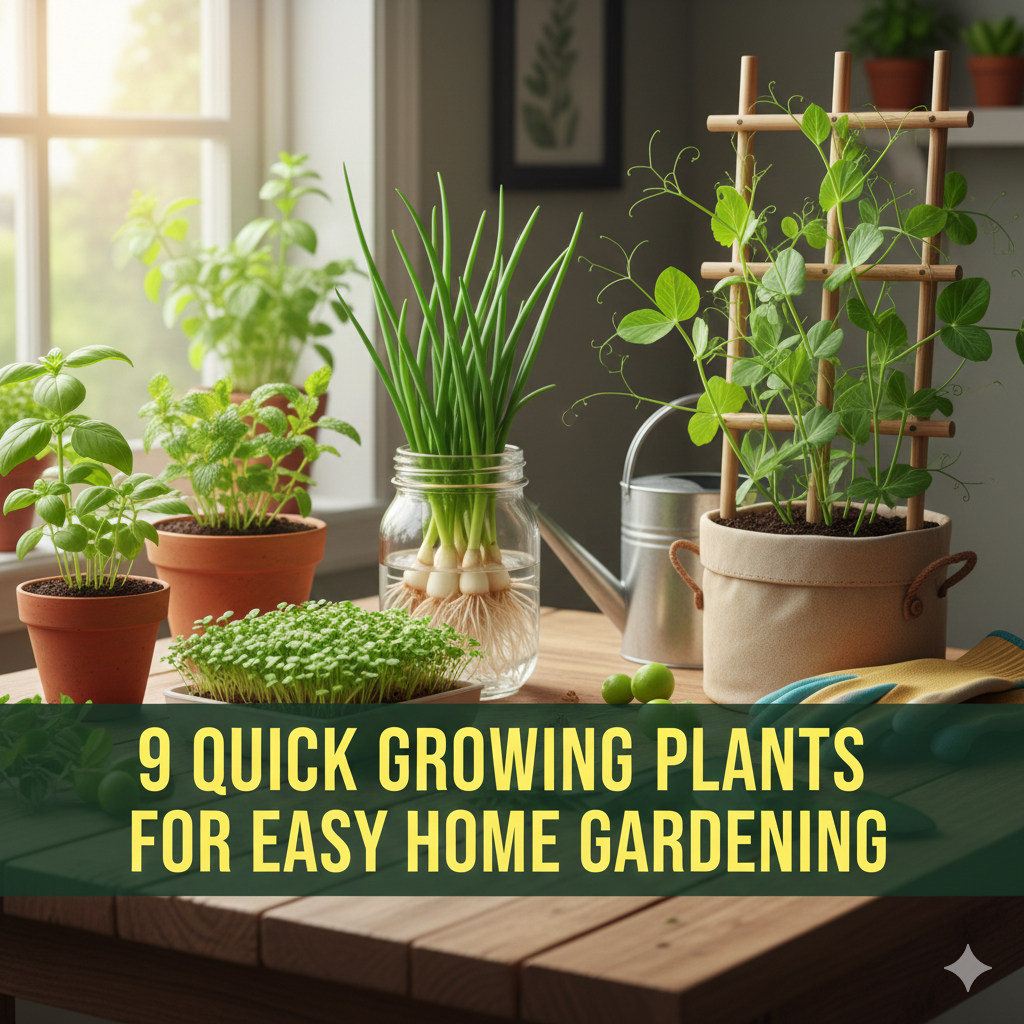
9 Quick Growing Plants For Easy Home Gardening
Why Quick-Growing Plants Are Ideal for Home Gardeners
The business of starting a garden can seem daunting, especially if you are new to growing plants. You may be concerned you don’t have the right skills, there isn’t enough time, or that you aren’t willing to be patient for months to see results. That’s where fast-growing plants are useful.
When you choose fast-growing plants, it’s like earning money while you’re sleeping. Instead of waiting until the end of summer to start seeing results, you will see changes in just a few days or weeks. This instant gratification keeps you motivated and you’ll pick up the language of gardening in no time.
These fast growers are also very forgiving. And if you make a mistake, then you haven’t put in months of effort and lost all of it. You get to try again quickly and work on your technique. And lots of fast-growing plants are also low-maintenance, perfect for people who are too busy or new to houseplants.
Whether you have access to a backyard, balcony or just a sunny windowsill, these nine plants will provide the gratification of rapid growth and fresh produce or stunning blooms.
What Makes a Plant Grow Fast?
Before we get in to individual plants, let’s take a look at what makes some things grow fast.
The crucial factor is light. Plants require sunlight to produce food from photosynthesis. Rapid growers usually require 6-8 hours of direct sunlight per day.
Water keeps hydration levels up in plants and is necessary to carry nutrients. Regular water, don’t over water and they grow quite fast.
Soil quality matters too. Good soil retains moisture while allowing surplus water to drain away. It additionally has nutrient content that stimulates plant growth.
Temperature affects growth speed. Warmth is best. Most rapidly growing plants do really well at warmth – 65-75 degrees Fahrenheit (18-24 degrees Celsius).
Plant genetics play a role. It means some plants are genetically programmed to grow rapidly in order for a species to survive in nature.
By grasping these factors, you can set the right situation for your fast-growing plants to grow healthily.
Top Fast-Growing Plants for Your Home Garden
1. Radishes: The Speed Champions
Radishes are the speed demons of the vegetable world. It only takes 20-30 days from seed to harvest.
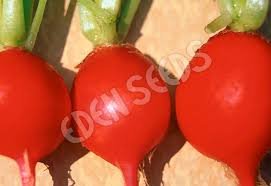
Here are some crunchy vegetables that do well in cool temperatures and are therefore great for planting in the spring and fall. They don’t even require much space, so you can grow them in containers or little garden beds.
How to grow radishes:
- Plant seeds directly into soil, in holes that are about 1/2 inch deep
- Space seeds one inch apart
- Keep soil consistently moist
- Thin seedlings to 2 inches apart after they appear
- Pull when roots are about one inch in diameter
Radishes prefer loose, well-draining soil. They will tolerate part shade, but perform best in full sun. And the cool thing about radishes are that you can plant them every week or two for a continuous harvest.
Varieties to try:
- Cherry Belle (round, red and ready in 22 days)
- French Breakfast (small, oblong with smooth skin and mild flavor, 25 days)
- Easter Egg (rainbow mix, 30 days)
2. Lettuce: Fresh Salads in Weeks
Lettuce grows super fast, and you can begin harvesting leaves in as early as 3-4 weeks.
This leafy green loves cool weather and can even endure light frost. It’s ideal for novices because there is little you can do wrong.
Growing lettuce successfully:
- Sow seeds thinly on the surface of the soil
- Lightly cover with about 1/4 inch of soil
- Watering should not be done in a hasty way because seeds may get washed away
- Thin seedlings to 4-6 inches apart
- Begin harvesting outer leaves when plants are 4 to 6 inches tall
Lettuce is shallow rooted, good for containers. You can grow it on a balcony or patio with no garden space.
Fast growing lettuce varieties are:
- Loose leaf (harvest in 30-40 days)
- Romaine (45-55 days)
- Butterhead (50-60 days)
The secret to lettuce? Succession planting. Plant new seeds every two weeks for a steady stream of fresh greens.
3. Basil: Aromatic Herbs in No Time
Basil goes from seed to harvestable size in 3–4 weeks. This pungent herb grows easily and is essential in good kitchens.
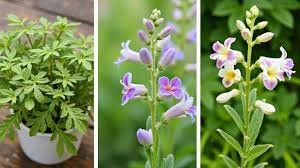
Basil is a hot-weather sun-worshipper. It is sensitive to cold, grow it outside only after all chance of frost has passed.
Basil growing guide:
- Start seeds inside 6 weeks before the last frost, or sow outside after the frost
- Plant in rich, well-draining soil
- It should be planted in an area receiving 6 to 8 hours sunlight
- When the top inch of soil is dry to the touch, water it
- Pluck off blossoms to support leaf production
The more you pick basil, the bushier it becomes. In fact, regular pruning is great for the plant and makes it stronger and more productive.
Popular basil varieties:
- Sweet Basil (the traditional variety for Italian cuisine)
- Thai Basil (tastes like licorice, used a lot in Asian cooking)
- Lemon Basil (citrus flavor, great on fish and for tea)
Basil does very nicely in container gardening. You can even keep one on your kitchen windowsill for the active cook.
4. Spinach: Nutrient-Packed Leaves
Spinach may be harvested in 5-6 weeks and will continue to yield if leaves are picked regularly.
This superfood does best in cool weather. Plant it in spring and fall for best results. In fact, spinach is sweeter when grown in cooler weather.
Steps to grow spinach:
- Plant seeds 1 inch apart and 1/2 inch deep
- It is important to keep soil consistently moist until seed germinates (7-14 days)
- Thin to 3-4 inches apart
- Start to pick outside leaves when they are 3-4 inches long
- Let the central growing point to develop more leaves
Spinach does well in partial shade, so it’s good for areas without full sun. It is also a good companion plant for tall vegetables that will help shade it.
Recommended varieties:
- Bloomsdale (crinkled leaves, heat-resistant)
- Space (smooth leaves, fast-growing)
- Tyee (cold-hardy, disease-resistant)
5. Green Beans: Climbing Productivity
Green bean yields are ready for harvest in about 50-60 days. Though by no means the fastest, they are also wildly productive and easy.
Beans actually fix nitrogen in the soil while growing, positively contributing to your garden. They come in two types: bush beans (bushy) and pole beans (climbing).
Bean growing basics:
- Sow seeds after all danger of frost in the cold part of spring when soil is warm
- Space seeds 2-3 inches apart
- Provide support for pole varieties
- Water consistently, especially during flowering
- Pick the pods when they snap easily
Bush beans all come at once, good if you want to do any canning. Pole beans spread the harvest out for weeks, just right for picking fresh all summer long.
Top bean choices:
- Bush: Blue Lake, Provider (50 – 55 days)
- Pole: Kentucky Wonder, Fortex (60-65 days)
Beans also have no need for fertilizer if your soil contains reasonable organic matter. Excessive nitrogen will indeed inhibit pod production.
6. Zucchini: Abundant Summer Squash
Zucchini plants begin producing in 45 to 55 days and don’t stop until frost kills them.
These plants are famously productive. A family can easily be fed by one or two plants. They can get large, so do make sure you have the room.
Growing zucchini:
- Sow seeds 1 inch deep after the last frost
- Plant 3 feet apart (the plants become monstrous)
- Deep water once or twice a week
- Mulch to keep the moisture there and also avoid soil-borne diseases
- For best flavor, pick fruits when they are 6-8″ long
Zucchini thrives in full sun and rich soil. And compost is king, so add that at the time of planting for best results. Look out for squash bugs and powdery mildew, both common issues with zucchini.
Variety recommendations:
- Black Beauty (classic green zucchini)
- Gold Rush (yellow variety, same great taste)
- Costata Romanesco (Italian heirloom w/ ridged fruits)
Pick zucchini regularly. It takes a long time for large fruit left on the plant, and it tends to get woody.
7. Marigolds: Cheerful Blooms Fast
Marigolds are ready to harvest in just 6-8 weeks from sowing. These cheery flowers are one of the easy annuals to grow.
Marigolds also have some anti-garden pest properties which is a bonus point for it. Some gardeners plant them around vegetables as a natural means of pest control.
Marigold care:
- Sow seeds indoors 6 weeks before last frost or direct sow after frost
- The best blooming occurs in full sun
- Plant in average soil (too fertile and you’ll get leaves, not flowers)
- Water moderately
- With spent blooms, deadhead to only 2nd pair of leaves and more flower will be induced
This marigold withstands both heat and drought when established. Perfect for neglectful gardeners or people with limited time.
Types of marigolds:
- French Marigolds (bushy, 6-12 inches)
- African Marigolds (tall, 18-36 inches)
- Signet Marigolds (small flowers, flowers are edible)
These flowers self-seed readily. Without replanting, you may encounter volunteer plants next year.
8. Mustard Greens: Spicy Leaves Quickly
Mustard greens can be harvested in a matter of 3-4 weeks. These peppery leaves bring some zing to salads and stir-fries.
Mustard greens, along with other cool-season crops, are at their tastiest when grown in spring or fall. Too much heat will cause them to bolt (flower) and they will become bitter.
How to grow mustard greens:
- Scatter seeds thinly in rows
- Cover lightly with quarter inch of soil
- Keep moist until germination
- Thin to 6 inches apart
- Harvest when leaves are 4-6 inches long
Young leaves are milder. Older leaves pack more heat. Cut to suit your taste.
Varieties worth trying:
- Southern Giant Curled (frilly leaves)
- Red Giant (purple-red color)
- Mizuna (Japanese variety, mild flavor)
Mustard greens also do great in pots. Plant them along with other cool-season crops for a mixed salad garden.
9. Arugula: Peppery Salad Green
Seed to salad in 3-4 weeks, arugula. This trendy green has a unique peppery flavor that becomes more pronounced as the leaves mature.
Arugula is nearly indestructible. It grows in mediocre soil, tolerates shade and keeps fruiting even after multiple harvests.
Arugula growing tips:
- Broadcast seeds across planting area
- Barely cover with soil
- Water regularly to prevent bitterness
- Start to pick the leaves when they are 2-3 inches long
- Trim with scissors, leaving the base to regrow
You can succession plant arugula just as you would lettuce, every other week. That way, you have fresh greens all season long.
Common arugula types:
- Standard arugula (fast-growing, spicy)
- Wild arugula (slower, but with more flavor)
- Sylvetta (perennial in mild climates)
Arugula flowers are edible too. The small, white blossoms taste like milder leaves.
Quick Reference: Growth Timeline Comparison
| Plant | Days to Harvest | Difficulty Level | Growing Season |
|---|---|---|---|
| Radishes | 20-30 days | Very Easy | Spring/Fall |
| Lettuce | 30-40 days | Very Easy | Spring/Fall |
| Basil | 21-28 days | Easy | Summer |
| Spinach | 35-45 days | Very Easy | Spring/Fall |
| Green Beans | 50-60 days | Easy | Summer |
| Zucchini | 45-55 days | Easy | Summer |
| Marigolds | 42-56 days | Very Easy | Spring-Fall |
| Mustard Greens | 21-30 days | Very Easy | Spring/Fall |
| Arugula | 21-30 days | Very Easy | Spring/Fall |
Tips for Maximum Growth Speed
Start with quality seeds. Fresh seeds will germinate quicker and grow stronger plants. Check the dates on seed packets before purchasing, and buy from reliable suppliers.
Prepare your soil properly. Loose, fertile soil also allows roots to spread with ease. Work in compost or aged manure before planting.
Water consistently. When drought-stressed, plants downshift. Regular watering keeps growth steady.
Match plants to your climate. Cool-season crops just don’t do well in the summer. Warm-season plants do not thrive in cold soil. Time your plantings for the right time of year in your area.
Use proper spacing. In crowded plants, it competes for resources and grows slow. Observe the spacing that is on your seed packets.
Feed as needed. Fast-growing plants use nutrients quickly. Fertilize occasionally with a balanced fertilizer and they should do well also.
Control pests early. A couple of aphids can turn into an infestation fast. Inspect plants frequently and take corrective action as needed.
Common Mistakes to Avoid
Planting too early. Cold soil delays germination and may cause seeds to rot. Wait for the proper temperatures of each kind of plant.
Overwatering. More water does not mean faster growth. Too much water leads to suffocating, diseased roots. Water once the top inch of soil is dry.
Skipping thinning. It feels sad to rip out perfectly healthy seedlings, but overcrowded plants never thrive. Thin to recommended spacing.
Ignoring sunlight needs. Shade-grown plants become stretched and weakened in their quest for light. Many types of plants that grow fast require full sun.
Using old seeds. Seeds lose germination rates as they grow older. It is best to use fresh seeds.
Harvesting incorrectly. Picking whole plants when you should be picking a few leaves, or the reverse, can spoil your harvest early. Find which method is best for each plant.
Frequently Asked Questions
What is the quickest growing plant for beginners?
Radishes are the quickest, easiest thing to grow. They sprout in 3-5 days and are ready to eat in 20-30 days. They are nearly unkillable and really grow anywhere.
Can I grow them indoors?
Yes, but results vary. Lettuce, arugula, spinach and basil all grow well indoors with the right amount of light. If you don’t have bright windowsills, consider grow lights. Both beans and zucchini take more room and light than most indoor setups afford.
How much should I water my rapidly growing plants?
The majority will require water once every 1-3 days depending on weather, type of soil and container size. Use your finger to see if the soil is wet. Water when the top inch is dry. Container plants dry out more quickly than garden beds do.
Do fast-growing plants need fertilizer?
It depends. It’s fine to plant leafy greens in good soil and let them go without extra feeding. Heavy producers such as beans and zucchini can use fertilizer every 2 to 3 weeks. Use just a little at first, as an overabundance of fertilizer can cause problems.
What’s the best pot size for fast-growing plants?
Tiny plants such as radishes or lettuce thrive in containers that are 6-8 inches deep. Basil, spinach and arugula require 8- to 10-inch spacing. Beans need 12 inches. Zucchini needs very large containers, a minimum of 24 inches in depth and width.
Can I grow these plants year-round?
In most climates, no. Cool-season crops (like lettuce, spinach, radishes and arugula) grow in spring and fall. Warm-season plants (basil, beans, zucchini) mature in summer. Marigolds will bloom from last frost to first frost. Indoor growing or greenhouse use extends the season.
Plant growth slow despite having water and nutrients, what’s wrong?
Check temperature first. Plants will not thrive if they are too hot or cold for their kind. Other frequent sources of the problem are poor drainage, pests, disease or planting too close. Other times you just need to be patient — what feels slow to you could easily be a normal rate of growth.
Do I start seeds inside or outside?
For best and fastest results, direct sow into the garden after the last frost, preferably when soil temps are warm. The exception is basil in cold climates — by starting it indoors you will have a head start. Transplanting can slow growth as plants adjust to new growing conditions.
Getting Started Today
Cultivating fast plants in your home is not difficult. You don’t need special skills, fancy equipment or a big yard.
Start small. From this list, select a couple or three plants that suit your climate and space. Buy seeds, organize a little growing space and plant following simple sets of directions.
Watch what happens. Within days you’ll see sprouts. Within weeks you’ll be harvesting. The instant feedback will teach you more than a dozen gardening books.
As you gain confidence, expand. Try new varieties. Experiment with different planting times. Discover what’s best for your particular area. For more home gardening tips and resources, explore comprehensive guides that can help you become a confident gardener.
Fast-growers can be a great way to dip a toe in the gardening waters. They demonstrate that it’s possible to grow your own food or flowers without having to wait for decades. Nothing beats the satisfaction of eating salad greens you sowed only a month earlier.
Your garden adventure begins with a single seed. Plant it now, and see how far things can grow. And before you know it, you’ll be a confident gardener with fresh produce and beautiful flowers to show for your efforts.
According to the Old Farmer’s Almanac, understanding your local frost dates and planting zones is crucial for gardening success. Yesterday would have been even better. The second best time is now. Sow some seeds and get growing!