
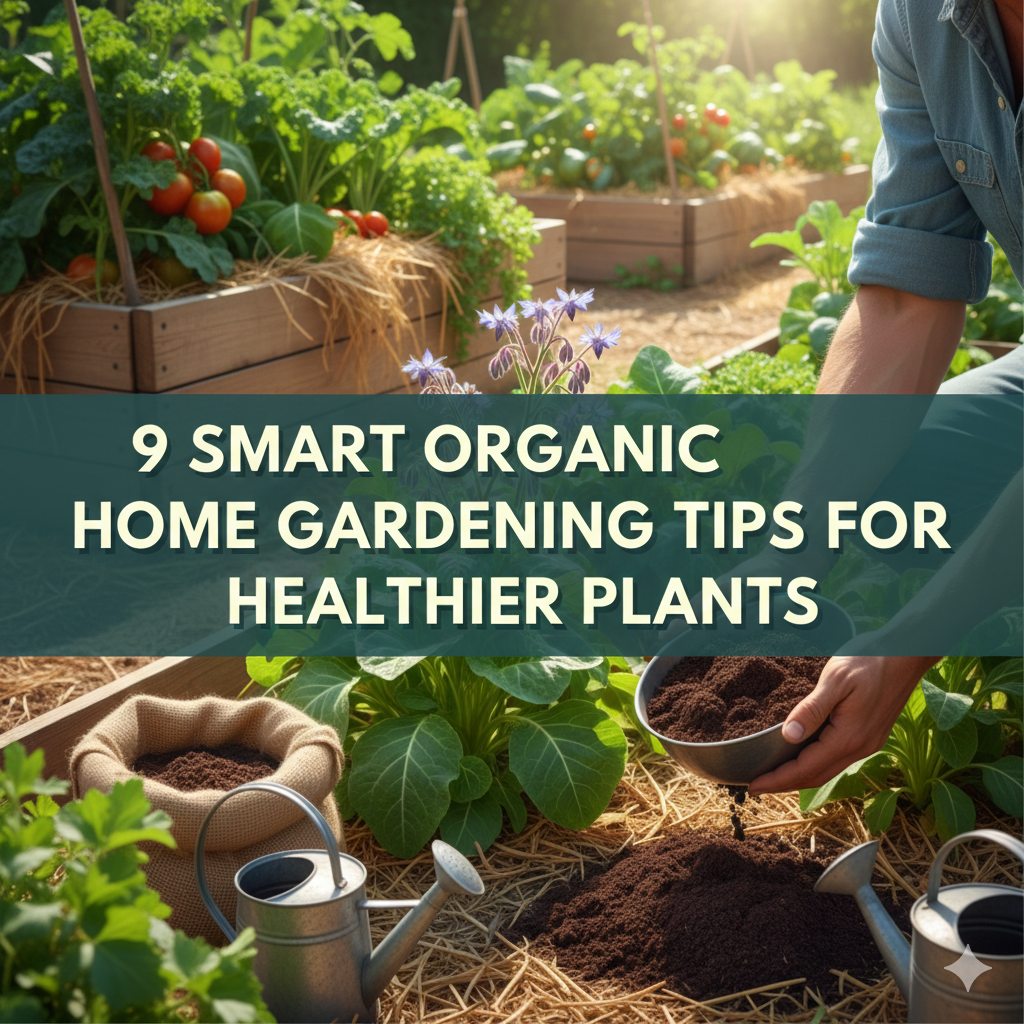
9 Smart Organic Home Gardening Tips for Healthier Plants
Introduction
When you consider what it takes to become an organic gardener, you may never look back. You are working with nature, not opposing it. No synthetic chemicals. No mystery ingredients. No chemicals, no pesticides, no industrial fertilizers.
The best part? Many times organic gardens do better than chemical-laden gardens once you have the basics down. Instead of being depleted, your soil gets better every season. Helpful bugs hang around to manage pests naturally. Your veggies taste better because they’re packed with nutrients, not chemicals.
A lot of people believe that organic gardening is difficult or too complicated. That’s outdated thinking. Today’s organic techniques yield abundant harvests and create an ecosystem that almost takes care of itself.
These nine smart organic home gardening tips turn your plot from a chemical hazard area into an oasis of self-sustaining wonder. You’ll spend no money on fertilizers and pesticides, growing food that you can actually eat. Your little gardeners can pick tomatoes right off the vine without worrying about residue. Your pets can roll in the grass without exposure to toxins.
Whether you are converting an old garden or building a new one from scratch, these strategies can help build the healthy, productive garden of your dreams.
Build Living Soil With Compost and Organic Matter
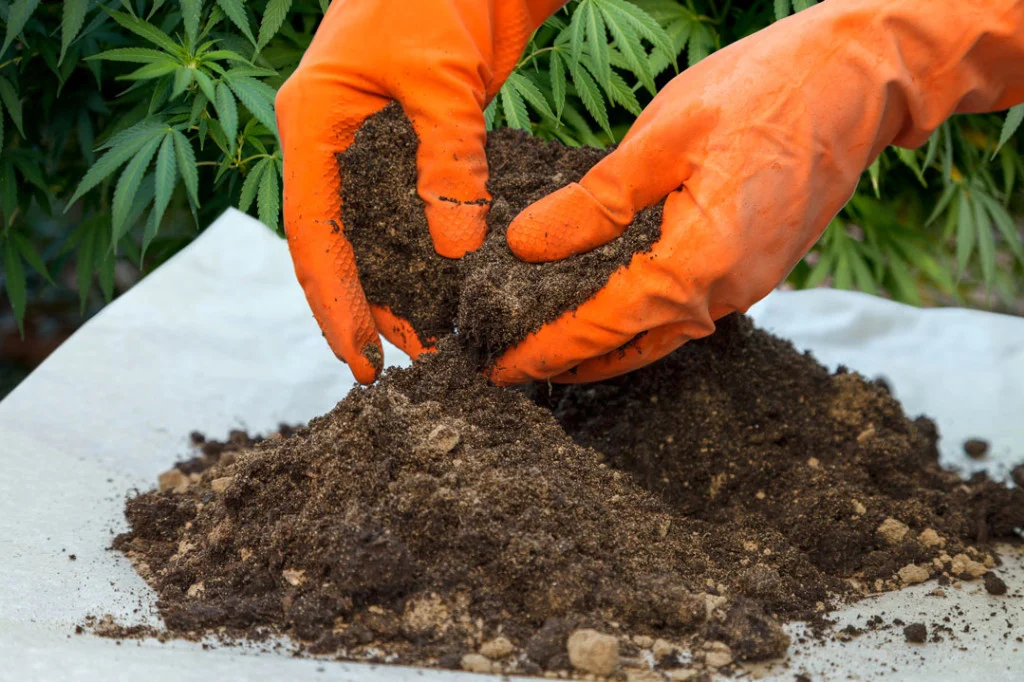
Healthy plants begin with healthy soil. Organic gardening is based on feeding the soil rather than feeding plants directly. This fundamental shift affects everything your garden does.
Why Soil Biology Is More Important Than Chemistry
Chemical fertilizers deliver nutrients straight to plant roots. This may seem efficient, but it actually weakens plants over time. They become dependent on constant feeding and lose the ability to extract nutrients naturally.
Organic matter feeds billions of microscopic organisms in your soil. These organisms decompose materials and make nutrients available to plants in the optimal form and timing. It’s like having millions of tiny workers preparing food precisely when your plants need it.
Earthworms, beneficial bacteria, fungi, and countless other organisms build soil structure that retains water and air. Chemical fertilizers kill many of these helpers, which is why conventional gardens require increasing inputs every year.
Building Your Compost System
Every organic garden needs a steady compost supply. Kitchen scraps, yard waste, and plant trimmings become black gold that transforms your soil.
Compost Ingredients and Their Benefits:
| Material Type | Examples | What It Provides |
|---|---|---|
| Nitrogen-Rich (Greens) | Vegetable scraps, coffee grounds, grass clippings | Protein for microorganisms, quick decomposition |
| Carbon-Rich (Browns) | Dry leaves, cardboard, wood chips | Energy for microorganisms, soil structure |
| Minerals | Eggshells, seaweed, rock dust | Trace nutrients, pH balance |
| Activators | Finished compost, garden soil | Beneficial microbes to speed process |
Layer greens and browns in roughly equal volumes. Keep the pile as moist as a wrung-out sponge. Turn it weekly if you want fast results, or just let it sit for slower decomposition.
Finished compost smells earthy and crumbles in your hands. Spread 2-3 inches over your garden beds twice yearly, and your soil will improve dramatically each season.
Other Organic Soil Amendments
Compost is king, but other amendments serve specific purposes. Aged manure adds nitrogen and improves clay soils. Leaf mold lightens heavy soil and adds beneficial fungi. Coffee grounds acidify soil slightly while adding nitrogen.
Avoid fresh manure, which burns plants and may contain harmful bacteria. Let it age for at least six months before adding to gardens where you grow food.
Rock dust and kelp meal provide trace minerals that compost might lack. These slow-release amendments feed plants for months while supporting soil biology.
Practice Smart Crop Rotation
Planting the same crops in the same spots year after year invites disease and depletes specific nutrients. Crop rotation breaks pest cycles and maintains soil fertility naturally.
The Four-Year Rotation Plan
Divide your garden into four sections. Each section rotates through four plant families on a four-year cycle. This prevents soil-borne diseases from building up and balances nutrient use.
Year 1: Fruiting crops (tomatoes, peppers, eggplants, squash) Year 2: Leafy greens (lettuce, spinach, kale, chard) Year 3: Root vegetables (carrots, beets, radishes, potatoes) Year 4: Legumes (beans, peas)
Fruiting crops are heavy feeders that need lots of nutrients. Follow them with leafy greens that need moderate feeding. Root crops improve soil structure while using fewer nutrients. Legumes actually add nitrogen back to soil, refreshing it for the next cycle.
Breaking Disease Cycles Naturally
Many plant diseases survive in soil for years waiting for the right host. Tomato blight, clubroot in cabbage family plants, and fusarium wilt all persist in garden beds.
Rotating unrelated plant families prevents these pathogens from finding hosts. A disease that attacks tomatoes can’t infect beans or carrots planted in that spot the following year. Without hosts, disease organisms die off naturally.
This simple practice eliminates many problems that chemical gardeners treat with fungicides year after year.
Small Garden Rotation Strategies
Container gardens can rotate by changing soil completely each season or moving pots to different locations. Vertical gardens work similarly, with new soil and different plant families each year.
Even tiny gardens benefit from alternating heavy and light feeders. Plant tomatoes where beans grew last year. Follow lettuce with carrots. Any rotation beats growing the same thing in the same place repeatedly.
Use Companion Planting for Natural Pest Control
Certain plants protect each other when grown together. Companion planting harnesses these relationships to reduce pests and boost growth without chemicals.
Classic Companion Combinations That Work
Tomatoes and Basil: Basil repels aphids, whiteflies, and hornworms that attack tomatoes. The pairing also improves tomato flavor according to many gardeners. Plant basil between tomato plants or around the edges of beds.
Carrots and Onions: Onion scent masks carrots from carrot rust flies. Carrots return the favor by deterring onion flies. Interplant rows of each for mutual protection.
Corn, Beans, and Squash (The Three Sisters): This indigenous American technique creates a complete ecosystem. Corn provides poles for beans to climb. Beans fix nitrogen that corn needs. Squash leaves shade the ground, preventing weeds and retaining moisture.
Marigolds and Everything: French marigolds release chemicals that repel nematodes, whiteflies, and aphids. Plant them throughout the garden as border plants or interspersed with vegetables.
Plants to Keep Separate
Some combinations actually harm each other. Avoid these pairings:
- Beans and onions (inhibit each other’s growth)
- Tomatoes and cabbage family (compete for nutrients)
- Fennel and most vegetables (releases growth inhibitors)
- Potatoes and tomatoes (spread the same diseases)
Attracting Beneficial Insects
Companion plants don’t just repel pests. Many attract predatory insects that eat garden pests. Dill, fennel, and yarrow attract beneficial wasps that parasitize caterpillars. Alyssum brings hover flies whose larvae devour aphids.
Create diversity by mixing flowers throughout vegetable beds. The varied habitat supports beneficial insect populations that keep pest numbers in check naturally.
Make and Use Organic Pesticides Safely
Even organic gardens sometimes need pest intervention. Natural sprays handle problems without poisoning your food or killing beneficial insects.
Soap Spray for Soft-Bodied Pests
Mix 1 tablespoon of pure liquid castile soap per quart of water. Spray directly on aphids, whiteflies, spider mites, and mealybugs. The soap disrupts their cell membranes, killing them on contact.
Use only pure soap without additives, fragrances, or moisturizers. These extras can harm plants. Test on a few leaves first and wait 24 hours to check for damage before spraying entire plants.
Reapply after rain or every 5-7 days until pests disappear. This treatment works only on contact, so spray must hit insects directly.
Neem Oil for Multiple Problems
Neem oil comes from seeds of the neem tree and handles insects, fungal diseases, and even some bacterial problems. It’s one of the most versatile organic treatments available.
Mix according to package directions (usually 2 tablespoons per gallon of water). Add a few drops of dish soap to help it mix. Spray in early morning or evening to avoid burning leaves in direct sun.
Neem disrupts insect reproduction and feeding rather than killing instantly. Expect results over days or weeks, not immediately. It also prevents fungal diseases like powdery mildew when applied before problems start.
When to Skip Pesticides Entirely
Minor pest damage rarely justifies spraying, even with organic products. A few chewed leaves won’t hurt plant production. Allowing some pests maintains food sources for beneficial predators.
Hand-picking works great for large insects like hornworms, beetles, and caterpillars. Drop them into soapy water. This targeted approach preserves beneficial insects while removing actual problems.
Mulch Heavily for Moisture and Weed Control
Organic mulch is the hardest-working free labor in your garden. It suppresses weeds, retains moisture, moderates soil temperature, and eventually breaks down into nutrients.
Best Organic Mulches for Vegetable Gardens
Straw: Clean straw (not hay with seeds) makes excellent vegetable garden mulch. It’s light enough to spread easily and breaks down within one season. A 3-4 inch layer blocks nearly all weeds while keeping soil moist.
Wood Chips: Free wood chips from tree services work perfectly for pathways and around perennial plants. They last 2-3 years and slowly add organic matter. Avoid using around annual vegetables where you’ll disturb them frequently.
Grass Clippings: Use thin layers (1 inch or less) around established plants. Thick layers create slimy, smelly mats. Let clippings dry slightly before applying to prevent matting. They add nitrogen as they decompose.
Shredded Leaves: Run a mower over fall leaves to shred them. The smaller pieces break down faster than whole leaves. Leaf mulch improves any soil type and costs nothing if you have trees.
Proper Mulching Techniques
Pull mulch back from plant stems and tree trunks. Direct contact promotes rot and creates hiding spots for slugs and diseases. Leave 2-3 inches of clear space around each plant.
Apply mulch after soil warms in spring. Early mulching keeps soil cold and delays planting. Wait until you’ve planted and soil temperature reaches at least 60°F.
Refresh mulch as it decomposes. Organic mulches break down continuously, which is great for soil but means they need replacement. Add new layers when existing mulch thins to less than 2 inches.
Living Mulch Options
Ground cover plants act as living mulch between larger plants. Clover, creeping thyme, and low-growing flowers shade soil while adding beauty. They compete with weeds while supporting pollinators.
This technique works especially well in orchards and around perennial vegetables like asparagus and rhubarb. The living mulch stays in place year-round without needing replacement.
Water Deeply and Less Frequently
Organic plants need consistent moisture to access nutrients in compost and organic matter. The right watering strategy builds strong root systems while conserving water.
Deep Watering Creates Drought-Resistant Plants
Shallow frequent watering keeps roots near the surface where they’re vulnerable to heat and dry spells. Deep watering encourages roots to grow downward into cooler, moister soil layers.
Apply water until it penetrates 6-8 inches deep. Push a finger or stick into soil to check depth. This might mean watering for 30-45 minutes rather than the 10 minutes most people use.
Wait until the top 2-3 inches of soil dry before watering again. This dry period allows oxygen to reach roots, preventing rot while encouraging deeper rooting. Most gardens need deep watering twice weekly rather than daily sprinkles.
Best Watering Methods for Organic Gardens
Drip irrigation and soaker hoses deliver water directly to soil with minimal waste. They keep foliage dry, preventing fungal diseases that thrive on wet leaves.
Set up a simple drip system using a timer connected to your outdoor faucet. The timer waters automatically while you’re at work or on vacation. Initial setup takes a few hours but saves countless hours of hand watering later.
Watering cans and hoses work fine for small gardens. Water early morning so foliage dries before evening. Wet leaves overnight invite disease problems.
Catching and Using Rainwater
Rain barrels collect free water that’s better for plants than chlorinated tap water. Position barrels under downspouts to capture runoff from your roof.
A 1-inch rainfall fills a 55-gallon barrel from just 300 square feet of roof area. Multiple barrels store enough water for several weeks of irrigation during dry spells.
Use collected rainwater for all garden watering. The natural minerals and lack of treatment chemicals benefit plant health and soil biology.
Grow Disease-Resistant Varieties
Plant breeding has created varieties that resist common diseases without any chemical treatment. Choosing resistant varieties prevents problems before they start.
Reading Seed Packets and Plant Tags
Disease resistance codes appear as letters after variety names. VFN means resistance to Verticillium wilt, Fusarium wilt, and Nematodes. TMV indicates Tobacco Mosaic Virus resistance.
Common Disease Resistance Codes:
| Code | Disease | Affected Plants |
|---|---|---|
| V | Verticillium wilt | Tomatoes, peppers, potatoes |
| F | Fusarium wilt | Tomatoes, cucumbers, melons |
| N | Root-knot nematodes | Most vegetables |
| TMV | Tobacco Mosaic Virus | Tomatoes, peppers |
| PM | Powdery mildew | Squash, cucumbers, beans |
| A | Alternaria (early blight) | Tomatoes, potatoes |
Select varieties with resistance to diseases common in your area. Ask local gardeners or extension offices which problems affect gardens near you.
Heirloom vs. Hybrid Considerations
Heirloom varieties offer incredible flavor and diversity but often lack disease resistance. Hybrids sacrifice some flavor for improved disease tolerance and uniform production.
Balance your garden with both types. Grow reliable hybrids as your main crop and experiment with heirlooms in smaller quantities. This provides security while letting you enjoy unique flavors.
Some heirlooms do resist diseases naturally. ‘Cherokee Purple’ tomato resists many common problems while delivering outstanding taste. Research before dismissing all heirlooms as disease-prone.
For more gardening resources and expert tips, explore helpful guides to enhance your organic growing success.
Encourage Beneficial Insects and Pollinators
A thriving organic garden hosts hundreds of insect species. Most are either beneficial or neutral. Creating habitat for helpful insects provides free pest control that works 24/7.
Top Beneficial Insects for Organic Gardens
Ladybugs: Adult ladybugs eat aphids, but their larvae consume even more. One larva devours 400+ aphids before becoming an adult. Attract them with dill, fennel, and yarrow.
Lacewings: Delicate green insects with lacy wings hunt aphids, mealybugs, and mites. Their larvae look like tiny alligators and eat voraciously. Provide shelter with ornamental grasses and perennial flowers.
Ground Beetles: These black beetles hide under mulch during the day and hunt slugs, cutworms, and root maggots at night. Permanent mulch and rocks create the habitat they need.
Parasitic Wasps: Tiny wasps lay eggs inside caterpillars, aphids, and beetle larvae. The wasp larvae eat the pest from inside. Attract them with small flowers like alyssum, dill, and cilantro.
Creating Insect Habitat
Beneficial insects need food sources throughout the season. Plant flowers that bloom continuously from spring through fall. Mix perennials with self-seeding annuals for constant flowers.
Provide water in shallow dishes with stones for landing spots. Insects need to drink but can drown in deep water.
Leave some garden debris over winter. Many beneficial insects overwinter in hollow plant stems and under leaf litter. Clean up in spring after insects emerge rather than fall cleanup that destroys their homes.
Avoid broad-spectrum pesticides, even organic ones. They kill beneficial insects along with pests, creating more problems long-term.
Save Seeds and Propagate Your Own Plants
Organic gardening becomes more sustainable when you produce your own planting stock. Seed saving preserves varieties adapted to your specific conditions while cutting costs dramatically.
Easy Seeds to Save for Beginners
Tomatoes: Squeeze seeds from ripe fruits into a jar with water. Let ferment for 2-3 days, stirring daily. Good seeds sink while pulp floats. Rinse seeds, dry thoroughly, and store in envelopes.
Beans and Peas: Leave pods on plants until they dry completely and rattle. Shell out seeds and store in airtight containers. These stay viable for 3-4 years with proper storage.
Lettuce: Allow a few plants to bolt and form seed heads. When seeds turn dark and fluffy white tops appear, cut seed heads and shake into paper bags. Store seeds in cool, dry locations.
Herbs: Most herbs produce abundant seeds. Collect when seed heads turn brown but before they shatter. Hang bundles upside down over paper to catch falling seeds.
Plants That Need Cross-Pollination Isolation
Squash, cucumbers, and melons cross-pollinate easily. Different varieties growing near each other produce seeds with unpredictable traits. Grow only one variety per species if you plan to save seeds, or hand-pollinate and bag flowers to prevent crosses.
Tomatoes, beans, peas, and lettuce self-pollinate before flowers open. They rarely cross and reliably produce true-to-type seeds even with multiple varieties nearby.
Starting Plants from Cuttings
Many herbs and perennials root easily from cuttings. Basil, mint, rosemary, and sage all grow from 4-6 inch stem pieces placed in water. Once roots develop, transplant to soil.
This technique multiplies your plants for free while preserving exact traits of parent plants. It’s faster than growing from seed and guarantees the same characteristics.
FAQs About Smart Organic Home Gardening
Is organic gardening more expensive than using chemicals?
Initial costs may be slightly higher for quality compost and organic amendments. However, organic gardens become less expensive over time. Improved soil requires less fertilizer each year. Natural pest control eliminates pesticide purchases. Seed saving reduces annual seed costs. Most organic gardeners spend less after the second season.
How long does it take to transition a chemical garden to organic?
Soil biology rebounds surprisingly quickly once chemical applications stop. You’ll notice improvement within one season, though full transition takes 2-3 years. Each season brings better soil structure, more earthworms, and healthier plants. Start immediately by stopping synthetic inputs and adding compost.
Can organic methods really control serious pest infestations?
Yes, though strategies differ from chemical approaches. Prevention through healthy soil, companion planting, and beneficial insects works better than reactive spraying. Serious infestations may require organic pesticides initially, but a balanced ecosystem prevents most problems from reaching crisis levels.
Do organic vegetables taste better than conventional ones?
Most people detect flavor differences between organic and conventional produce. Organic vegetables often contain higher nutrient levels and more complex flavors. This results from slower growth on balanced nutrition rather than forced growth on synthetic fertilizers. Your taste buds will notice the difference.
What’s the biggest mistake new organic gardeners make?
Trying to control everything instead of working with nature. Organic gardening requires accepting some pest damage and apparent “messiness.” Let beneficial insects handle minor pest problems. Allow diverse plants instead of demanding monoculture perfection. Trust that healthy soil creates healthy plants that outgrow most problems.
Can I garden organically in containers on a balcony?
Absolutely. Container gardens actually suit organic methods perfectly. Use organic potting soil, add compost regularly, and water with rainwater when possible. Smaller spaces make companion planting and beneficial insect attraction easier. Many balcony gardens outperform ground gardens because of the increased attention they receive.
Conclusion
These nine smart organic home gardening tips work together to create a self-sustaining ecosystem in your backyard. You’re not just growing plants—you’re building a living system that improves each season.
Start with soil improvement through compost and organic matter. This foundation supports everything else. Add crop rotation to prevent disease and maintain fertility. Incorporate companion planting for natural pest control and biodiversity.
Use organic pesticides sparingly as a last resort rather than first response. Heavy mulching reduces work while improving soil. Deep watering builds resilient plants that handle stress better. Disease-resistant varieties prevent problems before they start.
Encourage beneficial insects by providing habitat and diverse plantings. Save seeds and propagate plants to reduce costs while adapting varieties to your specific conditions.
The beauty of organic gardening is that mistakes don’t accumulate like they do with chemicals. Soil gets better, not worse. Beneficial insect populations grow stronger. Plants become more resilient. You’re building something that improves rather than depletes.
Begin implementing these tips one at a time. Add compost this season. Try companion planting next season. Each improvement builds on previous ones until you have a thriving organic garden that produces abundant food with minimal inputs.
Your garden will become a refuge for beneficial insects, birds, and other wildlife. Your family will enjoy truly fresh, chemical-free food. And you’ll have the satisfaction of working with nature instead of fighting against it. That’s the real victory of organic gardening.