
11 Indoor Gardening Mistakes to Avoid at All Costs
Why Your Houseplants Keep Dying (And It’s Not Your Fault)
You purchased that lovely fiddle leaf fig with great expectations. You watered it, set it by the window and watched it bloom. Two weeks later, the leaves were brown and limp.
Sound familiar?
Gardening indoors is easy — in theory, at least, until your plants start to struggle. The good news? Most plant deaths occur for the same reasons, admittedly including mine when I first started out. And they are SUPER easy to avoid once you know what they are!
This guide shares the 11 most common mistakes of indoor home gardening, even for seasoned plant parents. You’ll find out what’s going wrong and exactly how to keep your green friends healthy and happy.
Let’s turn that black thumb green.
Mistake #1: “Drowning” Your Plants with Too Much Love (Overwatering)
Too much water is the No. 1 cause of death for houseplants. Period.
Beginners tend to believe that plants are thirsty and need a drink every day. Wrong. In fact, indoor plants like their soil to get a tiny bit dry between waterings.
Why Overwatering is Deadly
Plant roots can’t breathe when soil remains saturated. They rot, becoming soft and brown. When root rot overtakes them, your plant is in a fight for its life.
Signs your plant is drowning:
- Yellow leaves that feel soft
- Musty smell from the soil
- Leaves falling with how wet the soil is
- Mold or fungus on the soil surface
The Fix
Stick your finger 2 inches deep into the soil. If the soil feels moist, don’t water just yet. Let the top layer dry.
Not all plants require the same amount of water. You might need to water your succulents once every two weeks. Ferns like to have more moisture, but they don’t want to be in it all the time.
Grab a $10 moisture meter if you’re unsure. It eliminates the guesswork of watering.
Pro Tip: Only use pots with drainage holes. That extra water has to go somewhere.
Mistake #2: Not Providing Plants With the Proper Sunlight
Receiving too much or too little sunlight is another big mistake gardeners make.
Light is food for plants. Botch it, and your plants will either gradually starve or be incinerated.
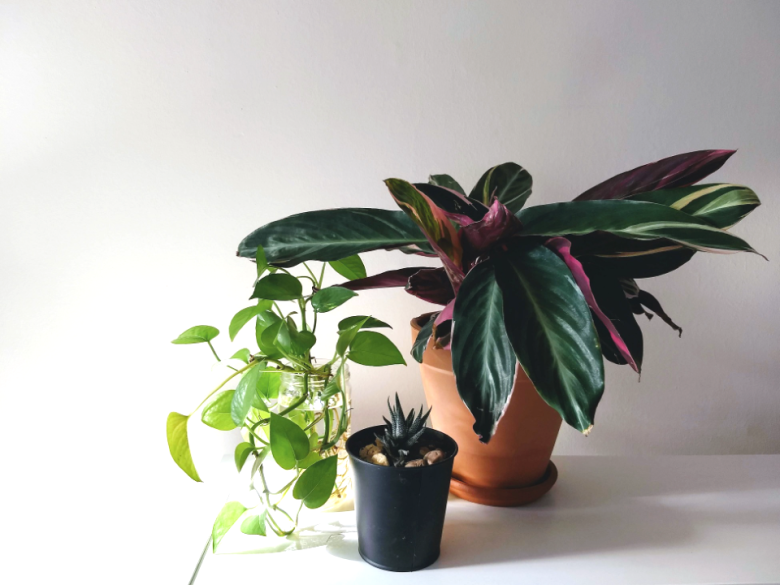
A common assumption is that all houseplants like shade. Not true. Some plants hunger for bright, direct sunlight; others wither in the brightest light and thrive in a dim corner.
Common Light Mistakes
Putting a sun-worshiping cactus in the dark bathroom? It will stretch and weaken reaching for the light.
Putting a shade-loving pothos in blistering afternoon sun? The leaves will bleach and become crisp.
Matching Plants to Light
| Type of Plant | Lighting Needs | Best Spot |
|---|---|---|
| Succulents & Cacti | Bright, direct sun | South window |
| Snake Plants | Low to medium | Can get by in hallways |
| Pothos & Philodendrons | Medium indirect | East window |
| Fiddle Leaf Figs | Bright indirect | Near a bright window |
| African Violets | Bright Indirect | North or east window |
Quick Light Check
Watch your plant for clues:
Leaves turning pale or yellow? Probably too much light
Plant leaning precariously toward a window? Not enough light
Stems growing long and spindly? Desperately searching for more light
Spin your plants weekly to ensure all sides are getting even light.
Mistake #3: Not Paying Attention to the Humidity Requirement of Your Plant
Dry air is common in most households, particularly during the winter months when heating units are on full blast. But many of our most popular houseplants originate in the tropical rainforests, where humidity is sustained.
Signs of Low Humidity Problems
- Brown, crispy leaf tips
- Leaves curling inward
- Buds dropping before blooming
- Spider mites (these little buggers LOVE dry air)
Easy Humidity Solutions
You don’t necessarily have to invest in an expensive humidifier immediately. Try these simple tricks first:
Grouping Plants Together: Plants lose water through their leaf tissue. Grouping them together creates a sort of mini humid zone.
Pebble Tray Method: Pour pebbles and water in a shallow tray. Place your pot on top (the two should not touch). By evaporating water, it also increases humidity around the plant.
Bathroom Placement: If your bathroom has a window, this is an ideal place for humidity-loving plants such as ferns or orchids.
Misting: Every few days, spray the leaves with water. This is helpful but not a substitute for other humidity methods.
For highly demanding plants (calatheas or air plants) an investment in a mini humidifier can be life changing.
Mistake #4: Misunderstanding the Soil Mix to Use
You can’t just grab a handful of random dirt from your yard and use it to grow indoor plants. They want soil that is to their liking, well draining and yet capable of retaining moisture.
Why Regular Dirt Fails Indoors
For pots, outdoor garden soil is too heavy. It compacts readily, holding water in and choking roots.
Choosing the Right Soil
Different plants prefer different soil types:
For Most Houseplants: Try a general potting mix that contains perlite or vermiculite. This combination will drain well but retain nutrients.
For Succulents and Cacti: Combine regular potting soil with sand, or buy potting soil specially formulated for cactus. These plants hate wet feet.
For Orchids: Special orchid bark mix is the nutrient your flowers and plants need to grow. Allows air to get into roots which is crucial for healthy plant life.
For African Violets: This lightweight, fluffy mix helps maintain water without becoming heavy and waterlogged.
DIY Soil Improvement
If your soil drains super slowly, add some perlite (those white puffy bits) to the mix. They create air pockets.
If it’s draining excessively quickly, add a little bit of coco coir or peat moss to retain some moisture.
Mistake #5: Picking Planters That Wound Your Plants
Pretty pots are tempting, but the wrong one can be a disaster for your plant from day one.
The Drainage Hole Debate
Some decorative pots forgo drainage holes to safeguard furniture. This is like a formula for root rot.
Use pots that have drainage holes. If you love a holeless pot, employ it as an outside cover. Keep your plant in a smaller pot with drainage inside of it.
Size Matters More Than You Realize
Too Small: Roots become crowded, growth halts, the plant dries out super fast.
Too Large: The excessive soil retains too much water and the plant rots before it has a chance to grow into the space.
Choose a pot that’s 1 to 2 inches larger than the current root ball. That’s it.
Material Choices
| Pot Material | Pros | Cons |
|---|---|---|
| Terracotta | Breathable, good for overwatering | Dries out quickly |
| Plastic | Lightweight, retains moisture | Doesn’t breathe well |
| Ceramic (glazed) | Nice looking, holds water | No breathability |
| Fabric | Good drainage, air pruning | Dries out quickly, less attractive |
Pot material should match your watering habits. Forget to water often? Use plastic. Water too much? Stick with terracotta.
Mistake #6: Don’t Forget to Feed Your Plants
Plants just can’t get up and walk to the kitchen for snacks. They depend on you for sustenance.
New potting soil comes with nutrients, but plants generally exhaust them within a few months. By then, they are effectively subsisting on empty calories.
Signs Your Plant is Hungry
- Slow or no new growth
- Leaves becoming light green to yellow (mainly on older leaves)
- Leaves much smaller than old ones
- Overall weak, sad appearance
How to Fertilize Correctly
While Plant Is Growing (Spring & Summer): Most plants should be fed every two to four weeks with a diluted liquid fertilizer.
Dormant (Fall and Winter): Feed once a month, or cease feeding entirely. Plants rest during shorter days.
The Golden Rule: Apply half the amount indicated on the fertilizer bottle. Under-feeding is better than too much which will burn the roots.
Types of Fertilizer
Liquid: Easy application, quick absorption, ideal for most houseplants
Granular: Time-released, long lasting for outdoor containers
Spikes: Easy but can cause hotspots burning roots
Always water before fertilizing. Never feed a thirsty plant with dry soil.
Mistake #7: You Don’t Clean Your Plant Leaves
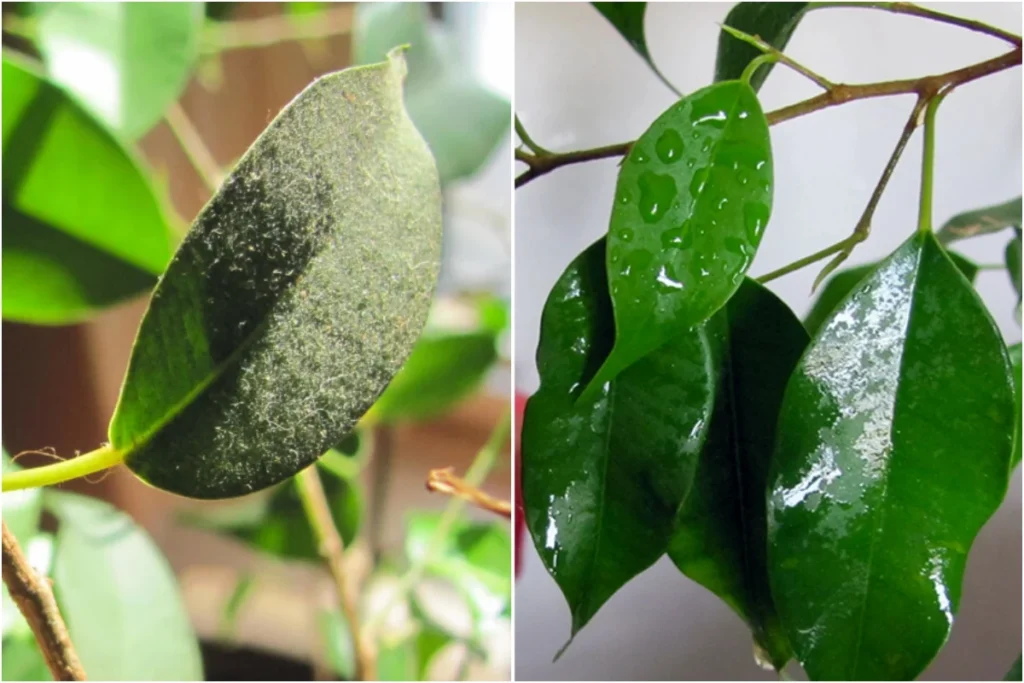
Dust doesn’t just look bad. It blocks sunlight and stuffs the tiny pores that plants use to breathe.
Think of it as if you are trying to breathe through a dirty mask. Not fun.
How Dust Hurts Plants
Photosynthesis is lessened by heavy dust buildup. Your plants quite literally cannot make food for themselves.
Dusty leaves can also serve as a magnet for pests like spider mites and obscure your ability to see crop problems early.
Easy Leaf Cleaning Methods
For Big, Smooth Leaves: Wipe with a soft damp cloth. You’ll also want to support the leaf from the underside so you don’t snap it.
For Small or Fuzzy Leaves: Dust them off with a soft brush, or give the plant an occasional gentle shower with room-temperature water.
For Hairy Leaves (think: African Violets): Never water directly over the foliage. Gently dust them off with a soft brush.
Wipe down leaves once a month, or if you see dusty buildup. Your plants will literally breathe easier.
Mistake #8: Missing the Repotting Calendar
Rule of thumb is to repot plants every year to every other year, depending on their growth rate.
Plants are not the same size for their entire life. As they grow, their roots require more space.
A lot of people keep those same plants in their original pot for years. The plant is strangled by its own roots.
Signs It’s Time to Repot
- Roots poking through drainage holes
- Water running through and straight out, not soaking up
- Growing so slowly compared to what you’re used to
- Soil drying in a few days
- Roots that circle when you pull the plant out gently
When and How to Repot
Best Time: Early spring, just when the growing season is beginning to pick up.
Steps:
- Give your plant a good drink of water the day before you plan to repot it.
- Select a pot about one to two sizes larger
- Add fresh soil to the bottom
- Gently untangle circling roots
- Place plant at original planting depth
- Add soil around sides
- Water thoroughly
Do not feed your plant for 4-6 weeks after repotting. There are lots of nutrients in fresh soil.
Mistake #9: Inadvertently Inviting Pests in the House
Even those who don’t have issues with pests usually want to keep them outside.
New plants are often accompanied by unwanted passengers: spider mites, aphids, fungus gnats or mealybugs.
One infected plant can bring pests to your entire collection within weeks.
The Quarantine Rule
New plants must always be separated for 2-3 weeks before exposing them to surrounding plants. Inspect them closely over this time.
Common Indoor Plant Pests
| Pest | What to Look For | Quick Fix |
|---|---|---|
| Spider Mites | Tiny webs, speckled leaves | Spray with water; neem oil |
| Mealybugs | White cottony spots | Wipe with rubbing alcohol |
| Fungus Gnats | Small flies in soil | Let soil dry out; sticky traps |
| Aphids | Clusters on new growth | Spray with soapy water |
| Scale | Brown bumps on stems | Scrape off; insecticidal soap |
Preventing Pest Problems
- Check new plants closely before purchasing
- Don’t reuse old soil
- Support healthy plants (healthy plants have better resistance to pests)
- Clean up dead leaves promptly
- Avoid overwatering (attracts fungus gnats)
Mistake #10: Not Seasonalizing Care
Days are getting shorter and temperatures are falling, and your plants can feel it. Their requirements shift with the seasons.
Some people stick to the same care routine all year long. This disrupts plants’ natural rest period opposite their natural rhythm.
Winter Care Adjustments
Less Water: Winter will slow the growth of your plants. They need less water. Test soil more thoroughly before watering.
Cut Food: Reduce fertilizer to once per month or eliminate entirely. Plants require little in the way of nutrients when not actively growing.
Beware of Drafts: Plants can get cold shock from the air blowing from windows or heating vents. Shift them a few feet from extreme heat sources.
Less Light: With days getting shorter, there’s less natural light to work with. Bring plants closer to windows or supplement with a grow light.
Summer Care Tips
Higher Growth and Heat: Faster growth plus heat translate into plants that dry out faster. You may have to water twice as much.
More Food: Growing season is hungry plant season. Stick to regular feeding schedules.
Beware of Sunburn: Summer sun is intense. Plants that like shade may need to be moved away from windows.
Raise the Humidity: Air conditioning makes your air dry. Increase misting or run a humidifier.
Mistake #11: You Give Up Too Early
Plants don’t bounce back overnight. They need time to heal from illness or adapt to a new situation.
Many people throw out a struggling plant when all it wants is patience and regular tending.
How Long Recovery Takes
Overwatering Recovery Time: 2-4 weeks if you catch it early. Allow soil to dry out completely, and then begin a proper watering schedule again.
Recovery from Underwatering: Usually only a few days. Water well and keep an eye out for perking up.
Transplant Shock: 2-3 weeks. Maintain stable conditions as the roots are getting established in new soil.
Pest Treatment: 3-4 weeks. Several treatments required to disrupt pest generations.
Signs of Recovery vs. Lost Cause
Good Signs:
- New growth appearing
- Existing leaves firming up
- Better color returning
- Stronger stems
Bad Signs:
- Soft, blackened roots (extreme root rot)
- Entire plant turning yellow/brown
- Stem entirely soft and without support
- No change with proper care after 6+ weeks
Even the most seasoned gardener loses plants on occasion. Take what you can from each one and keep rolling.
Quick Reference Chart: Plant Problems
The most common causes and remedies for yellow leaves, brown patches, and more:
| Symptom | Likely Cause | Solution |
|---|---|---|
| Yellow leaves | Overwatering or nutrient deficiency | Check soil moisture, reduce watering or fertilize |
| Brown leaf tips | Low humidity or salt buildup | Increase humidity, flush soil with water |
| Drooping leaves | Underwatering or overwatering | Check soil – water if dry, improve drainage if wet |
| Pale/bleached leaves | Too much direct sun | Move to filtered light location |
| Leggy growth | Not enough light | Move closer to window or add grow light |
| No new growth | Needs fertilizer or more light | Feed regularly during growing season |
| Leaves dropping | Stress from changes or pests | Keep conditions stable, check for pests |
Frequently Asked Questions
How much water should I give my houseplants?
There’s no universal schedule. For most plants, water when the top 1-2 inches of soil feel dry. This could be once a week for some plants, or once a month for others. Always test the soil to ensure it is actually dry before giving your plant a drink instead of just going off a strict watering schedule.
Is it OK to use tap water for my houseplants?
For the most part, plants do just fine with regular tap water. If your water is very chlorinated or mineralized, let it sit out overnight before using. Plants that don’t like fluoride (spider plants, dracaena) also prefer filtered or distilled water.
Why are the leaves on my plant turning yellow?
Yellow leaves most often indicate overwatering; in this case, watering less frequently and eliminating standing water may help fix the problem. Sometimes, however, it can indicate underwatering or nutrient deficiency — or simply be part of natural aging for some plants. Check soil moisture first. If watering is fine, feed your plant or accept the fact that bottom leaves yellow and fall off as plants mature.
Do indoor plants require fertilizer in the winter?
During the winter, houseplants are mostly at rest and require little to no fertilizer. Reduce feeding to one feeding per month, or discontinue entirely from November through February. Be sure to resume regular feeding in the spring when you see new growth beginning.
How can I tell if my plant needs more light?
Your plants are stretching toward the windows or growing tall stems with large gaps between leaves, or they’re losing variegation patterns — all these are signals that your plants need more light. Get them closer to a window, or add a grow light.
Do I need to mist my plants every day?
Misting may add a little humidity, but it’s not sufficient for plants that really need high humidity. Pebble trays, grouping plants together or running a humidifier are all better options. Over-reliance on misting can lead to fungal diseases.
If I have root rot, can my plant be saved?
Sometimes. Pull the plant out of its soil, clip any mushy, dark roots with clean scissors and repot in fresh, loose soil. Water when the top inch of soil is dry. Plants with advanced root rot (damage exceeds 75%) seldom survive.
Why do I have bugs all over my plants?
Fungus gnats are primarily the result of overwatering. New pests are also frequently brought in on new plants, or come through open windows. Quarantine newly-acquired plants, take care not to overwater and check your plants once a week to catch problems early.
Your Indoor Plant Action Plan
Indoor gardening becomes a lot simpler when you know what plants really need. The majority of problems are due to too much love (overwatering) or incompatible conditions (wrong light or humidity).
If you’re just starting your indoor gardening journey, visit Home Gardening for Beginners for more helpful guides and tips to get you growing with confidence.
Start with these simple steps:
- Check your watering habits first. Let soil dry between waterings.
- Match each plant with its preferred light level. Not all plants are the same.
- Use pots with drainage holes. Always.
- Feed plants in spring and summer, not winter.
- Be patient when plants struggle. Give them time to recover.
After all, every plant parent kills a couple of plants while learning. What separates a black thumb from a green one? Green thumbs persevere — and learn from mistakes.
For expert advice on specific plant varieties and growing techniques, check out the resources at University of Minnesota Extension.
You’ve got this.
Now go give those plants some real loving. The plants will reward you with lush green growth.