
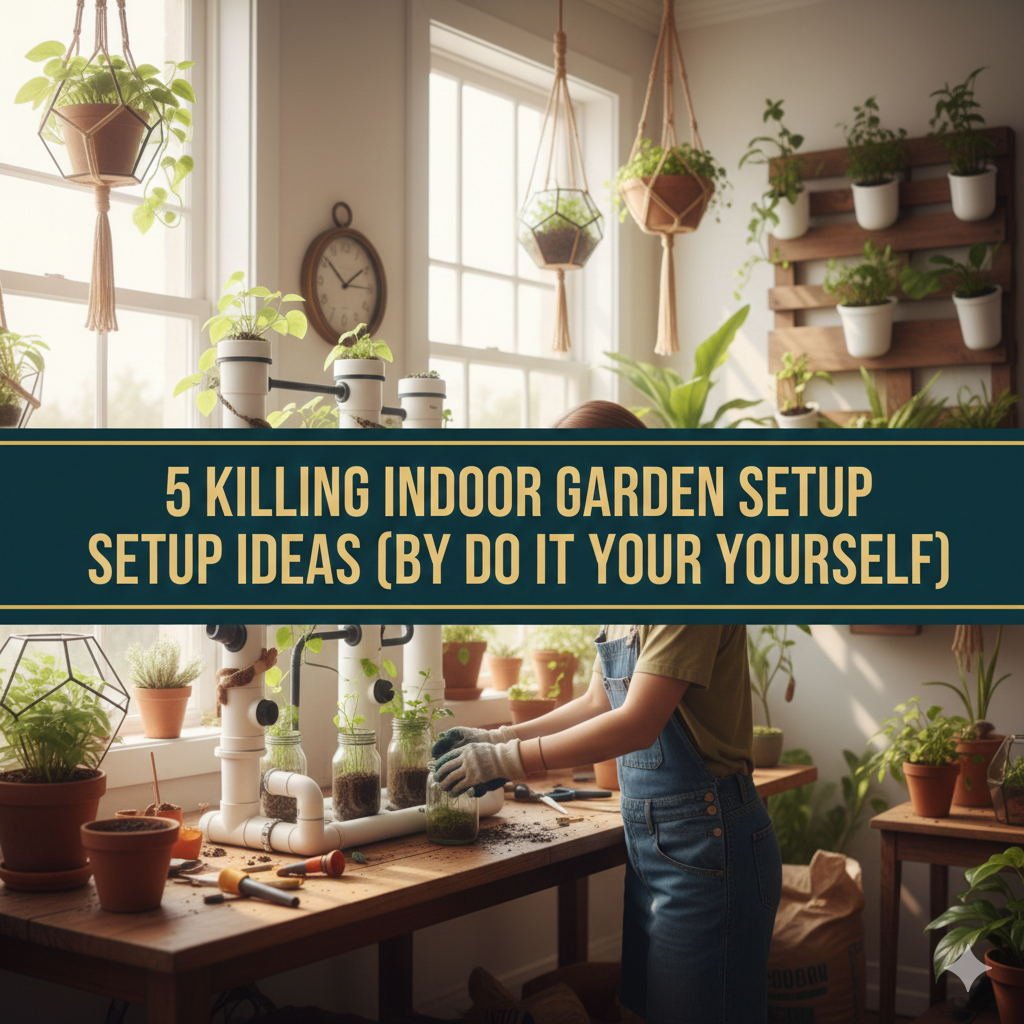
5 Killing Indoor Garden Setup Ideas (By Do It Yourself)
Why Indoor Gardening is Becoming The Growth Trend
It’s no longer a trend to grow plants indoors. It’s a way of life that brings nature into one’s living environment.
Indoor gardening makes it easy to grow fresh herbs, veggies and beautiful flowers year-round. You don’t need a backyard, or a balcony for that matter, to reap the benefits of gardening.
A growing number of people are converting their apartments and houses into green sanctuaries. There are a few simple reasons for this: cleaner air, fresh produce and a sense of calm.
This guide shares five fantastic indoor home gardening setup ideas that can please both beginners and expert gardeners. There’s a setup for all spaces, budgets and types of plants.
Let’s see what you can do to get your indoor garden started today.
Setup #1: The Kitchen Herb Garden Station
What is the best place to grow herbs? Your kitchen. Fresh basil, mint or parsley at arm’s length are the makings of excitement in cooking.
What You Need
What you’ll need: A kitchen herb garden doesn’t involve a lot of equipment:
- A sill or counter by a window with natural light
- Small pots (4-6 inches around)
- Quality potting soil
- Herb seeds or starter plants
- Drainage trays
Best Herbs for Kitchen Growing
| Herb | Light Needs | Water Frequency | Growth Time |
|---|---|---|---|
| Basil | 6-8 hours | Daily | 3-4 weeks |
| Mint | 4-6 hours | Every 2 days | 4-5 weeks |
| Parsley | 6-8 hours | Every 2-3 days | 5-6 weeks |
| Chives | 6-8 hours | Every 2 days | 3-4 weeks |
| Cilantro | 4-6 hours | Every 2 days | 3-4 weeks |
Note: Coriander is the seed form of cilantro and they are often confused.
How to Build Your Kitchen Garden Station
Begin by selecting a sunny window. South-facing windows are best since they receive the most sunlight during the day.
Use good quality potting soil to fill your pots. Do not use garden soil as it is too heavy for container growing.
Follow package basics when planting your herbs. Most herbs require approximately a half-inch over the seeds.
Mist the water on using a spray bottle or narrow-spouted watering can. This will help keep the seeds from being washed out.
Maintenance Tips
Give your pots a quarter turn every few days. This way all sides of the plant receive sunlight equally.
Regularly pinch off the tops of your herbs. This will promote a bushier plant and keep them from getting leggy.
Harvest frequently. The more you cut, the more your herbs will grow!
Setup #2: Vertical Wall Garden System
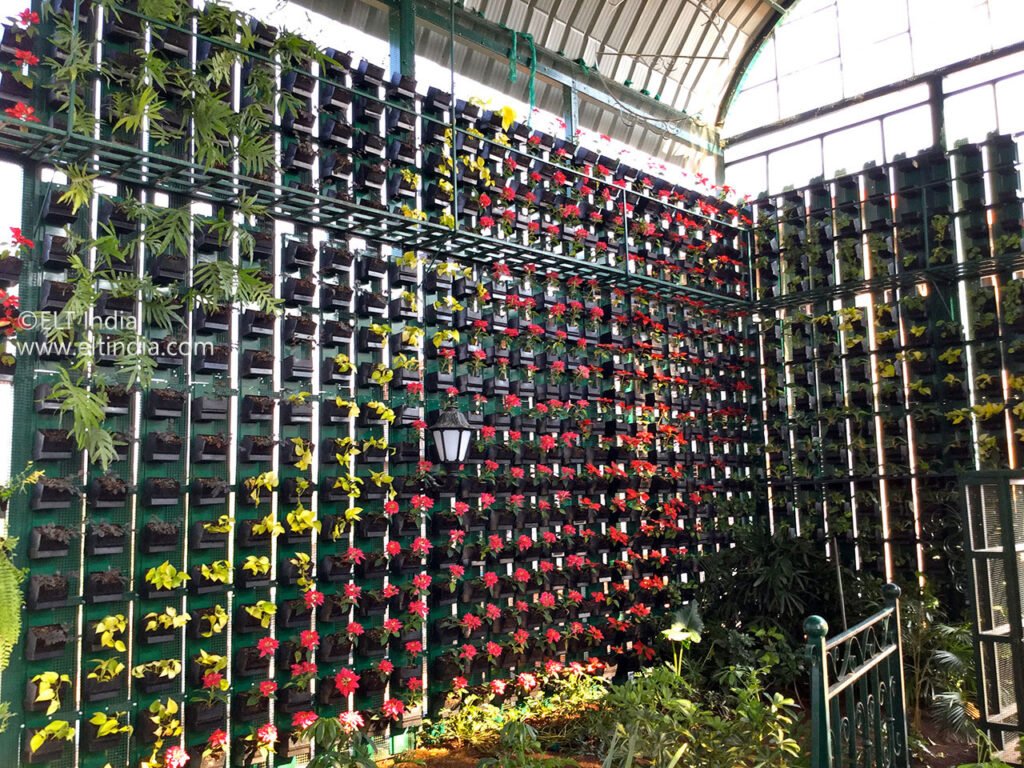
By growing vertically, vertical gardens help you to get the most out of your space. They’re ideal for tiny apartments or rooms with tight floor space.
Why Choose Vertical Growing
Wall gardens can be a source of food or colorful flowers that really brings life to a space in a beautiful way! They transform dull stretches of wall into dynamic works of living art.
You can fit more plants into a smaller space. A vertical system makes use of wall space that might otherwise just go unused.
The gardens also have a very positive effect on air quality. More plants equals more oxygen and cleaner indoor air.
Types of Vertical Systems
Pocket Planters: Pockets made of fabric or felt hang on walls, housing single plants. They are light and simple to install.
Modular Panel Systems: Panels of plastic or wood that stack. There are a number of planting sites in each panel.
Tower Gardens: If there’s no wall to accommodate a wall-mounted version, fear not. They rotate or stack vertically.
Installation Guide
Choose a wall that gets good light. Near a window is best, but you can also use grow lights.
Install wall anchors properly. Vertical gardens become weighty when watered, so you’ll want to make sure the mounting is secure.
Select plants with matching water and light requirements. Combining plants with different needs is just not practical for maintenance.
Best Plants for Vertical Gardens
| Plant Type | Height | Light Level | Difficulty |
|---|---|---|---|
| Pothos | Trailing | Low-Medium | Easy |
| Strawberries | 6-8 inches | High | Medium |
| Lettuce | 6-10 inches | Medium | Easy |
| Succulents | Varies | High | Easy |
| Ferns | 12-24 inches | Low-Medium | Medium |
Watering Vertical Gardens
Top-to-bottom watering works best. Water soaks down through all layers naturally.
At the base of the tower, add a drip tray. This catches the extra water and protects your floors.
Feel to make sure each pocket or compartment is dry. The top portion tends to dry faster than the lower section.
Setup #3: Hydroponic Growing System
If you don’t have a green thumb but want to give growing your own food a try, consider supplementing the market’s offerings with fresh-farmed veggies from home.
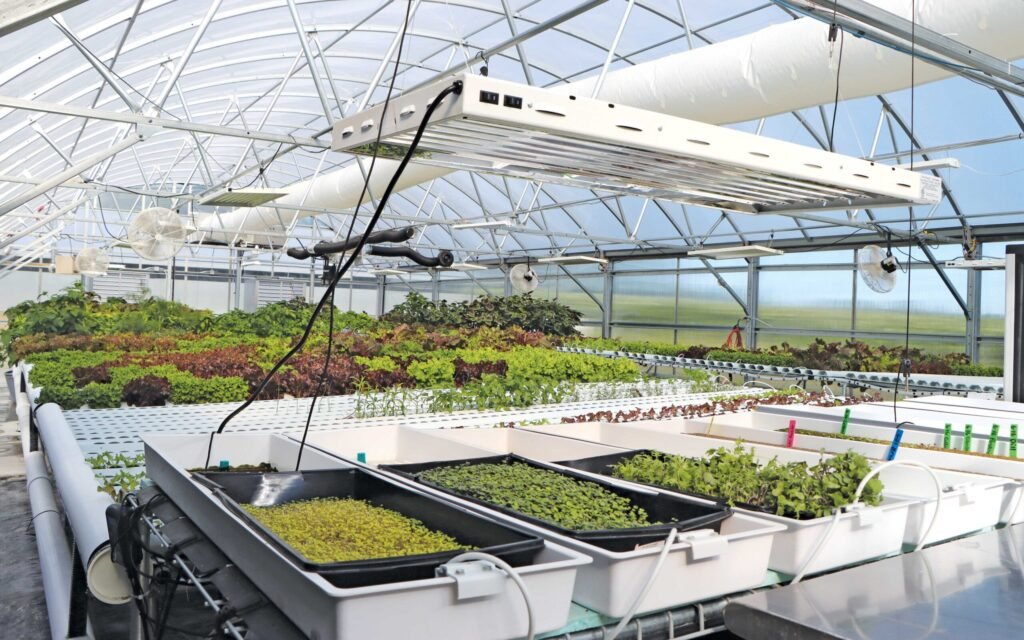
The word “hydroponics” has an esoteric ring to it, but the fact is that hydroculture — growing plants in a nutrient solution instead of soil — is simple. They are grown in enhanced nutrient water as opposed to soil.
Benefits of Hydroponic Indoor Gardening
Plants grow 30 to 50 percent faster in the hydroponic technology. No need to root around in soil for their nutrients.
You use 90% less water than traditional gardening. The water is recirculated rather than being drained.
Without soil, there are no soil-borne diseases or pests. Your plants simply healthiest and free of problems.
Beginner-Friendly Hydroponic Options
Deep Water Culture (DWC): Plants are suspended above a nutrient solution. Oxygen is introduced into the water via an air pump.
Kratky Method: The most basic type of hydroponics. No pumps or electricity needed. Standing water is where the plant will take nutrients from.
Wick Systems: Wicks pull nutrient solution to the roots of plants. This system is passive, with no maintenance.
How to Set Up Your First Hydroponic Garden
Get a system for your budget and space. These DWC systems are more expensive but they do produce better results.
Purchase a full starter kit if you are new to the hydroponics game. These include everything you need.
Mix nutrients exactly as directed. Too much or too little of it affects plant growth.
Monitor pH levels weekly. Many plants thrive at a pH of between 5.5 and 6.5.
Hydroponic System Comparison
| System Type | Cost | Maintenance | Yield | Best For |
|---|---|---|---|---|
| DWC | $$$ | Medium | High | Vegetables |
| Kratky | $ | Low | Medium | Herbs, Lettuce |
| Wick | $$ | Low | Low-Medium | Small plants |
| NFT | $$$$ | High | Very high | Commercial growing |
What to Grow Hydroponically
Hydroponically, it’s all about the leaf vegetables. Lettuce, spinach and kale are super-fast growers.
When grown hydroponically herbs take on quite strong flavors. Try basil, mint, or oregano.
Tomatoes and peppers are good as well; they just need more room. Opt for compact varieties if you’re growing indoors.
Setup #4: The Terrarium Garden Ensemble
Terrariums are little self-enclosed ecosystems in glass. They’re lovely, low-maintenance, great for small spaces.
Open vs. Closed Terrariums
Closed Terrariums: They develop their own water cycle. You only need to water them a few times a year.
Moisture condenses on the glass and showers onto the plants. It’s nature in a bottle.
Open Terrariums: These are not lidded. They require more watering but tend to receive better air circulation.
Open terrariums are good for succulents and cacti. They need air circulation to avoid rot.
Materials for Terrarium Building
Gather these supplies before starting:
- Container with or without a lid (plastic, glass)
- Small stones – for drainage
- Activated charcoal to prevent mold
- Potting soil appropriate to the type of plants you’ve chosen
- A few small plants that fit your container
- Decorations such as pebbles or figurines
Building Your Terrarium Step-by-Step
Cover the bottom with 1 to 2 inches of rocks. This creates drainage space.
Sprinkle an even layer of activated charcoal on top. It keeps your terrarium fresh and is odor free.
Fill with 2-3 inches of potting soil. Go for a small hill and valley so it looks attractive.
Plant your selections carefully. Scoop small holes in the pile with a spoon or chopstick.
Add decorative touches. Stones, driftwood or figurines fill the decorative spot.
Terrarium Plant Selection Guide
| Plant | Terrarium Type | Height | Care Level |
|---|---|---|---|
| Moss | Closed | 1-2 inches | Easy |
| Fittonia | Closed | 3-6 inches | Easy |
| Air Plants | Open | Varies | Easy |
| Mini Succulents | Open | 2-4 inches | Very Easy |
| Baby Tears | Closed | 2-3 inches | Medium |
Terrarium Maintenance
Closed terrariums require very little care. Water them when you see the soil is very dry.
Remove dead leaves immediately. They have the potential to create mold in a humid terrarium.
Place terrariums out of direct sunlight. Bright, indirect light works best.
Setup #5: Smart Garden Tech Setup
Smart gardens are the marriage of old-school growing techniques with new technology. They take care of watering, lighting and feeding the plants.
What Makes a Garden “Smart”
Smart gardens automate the care of plants with sensors and timers. You manage them with smartphone apps.
They track soil moisture, light levels and nutrient concentrations. The system adapts conditions as necessary.
These often come with built-in LED grow lights. Your plants receive optimal light even in a dim room.
Popular Smart Garden Systems
Countertop Pod Systems: These small devices live on your kitchen countertop. They grow 3-9 plants at once.
Most use hydroponic technology. Plants are grown in water with nutrients added.
App-Controlled Planter Boxes: Vintage-style planters hiding some hidden technology. Sensors monitor everything your plants require.
Apps send alerts when a plant needs water or nutrients. Some systems water automatically.
Subscription Gardens: Companies mail plant pods, one per month. You stake them, the system does the rest.
These are great for anyone who wants fresh herbs but doesn’t know how to garden.
Smart Garden Features Comparison
| Feature | Budget Systems | Mid-Range | Premium |
|---|---|---|---|
| Auto-Watering | Sometimes | Yes | Yes |
| Grow Lights | Basic | Full Spectrum | Adjustable |
| App Control | No | Yes | Yes |
| Plant Capacity | 3-6 pods | 6-12 pods | 12+ pods |
| Price Range | $50-$100 | $150-$300 | $400+ |
Setting Up Your Smart Garden
Find a spot where there are handy power outlets. Many smart gardens require electricity to power lights and pumps.
Before you begin, download the companion app. This makes setup smoother.
Place plant pods or seeds as directed. For systems with their own pods as well.
If your system allows, customize light schedules. Many plants require 12-16 hours of light per day.
Smart Garden Advantages
You can grow plants all year round, no matter what the weather outside. The uniform environment leads to uniform results.
Perfect for busy people. The daily care tasks are automated.
Great learning tool. Apps offer tips on growing and track your garden’s growth.
Picking the Ideal Setup for Your Space
The truth is, not all garden-in-a-box setups are right for everyone. Consider these factors before deciding.
Space Availability
Measure your available space accurately. Vertical gardens are ideal for small spaces.
Kitchen herb gardens require little space. They are small enough to display on a windowsill or tiny counter.
One hydroponic system also takes up more room but yields are way higher.
Budget Considerations
| Setup | Initial Cost | Monthly Costs | Long Term Value |
|---|---|---|---|
| Herb Garden | $20-50 | $5-10 | Medium |
| Vertical Wall | $100-300 | $10-20 | High |
| Hydroponics | $150-$500 | $20-40 | Medium to High |
| Terrariums | $30-80 | $5-10 | Low to Medium |
| Smart Garden | $100-600 | $15-30 | High |
Time Commitment
Factor in how much time you will be able to spend on gardening. Terrariums need almost no maintenance.
Smart gardens eliminate these tasks almost entirely. They’re perfect for busy schedules.
Conventional soil gardens need much more work. Daily watering and checking needs time.
Light Conditions in Your Home
Assess natural light availability. South-facing windows will get the most light.
North-facing windows will not get as much light, but are suitable for shade-loving plants.
Windowless rooms will require artificial grow lights. They use less electricity than older types of grow lights.
Indoor Gardening Secrets You’ve Never Heard Before
Regardless of the type of indoor gardening setup you decide to go with, these general tips will help.
Lighting Requirements
Most vegetables and herbs require 12-16 hours of light per day. Flowering plants often need less.
Place plants anywhere from 6-12 inches under a grow light. Too far and they won’t receive enough light.
Rotate plants regularly. This prevents the plant from growing too leggy on one side.
Watering Best Practices
Killing your houseplants with too much water is a more common problem than killing them from lack of water. Check soil moisture before watering.
Put one finger (or a thumb) in the soil about an inch. If it feels dry, water. If moist, wait.
Use room temperature water. Cold water shocks plant roots.
Humidity and Temperature Control
On average, indoor plants are happy with 40-60% humidity. Kitchens and bathrooms are, of course, inherently prone to higher humidity.
Cluster plants to improve humidity in that area. They create a microclimate.
Maintain daytime temperatures between 65-75°F. Many plants will handle nights a tad cooler.
Fertilizing Indoor Gardens
Container plants need regular feeding. Nutrients wash out with watering.
Feed with half-strength liquid fertilizer. Repeat every 2-4 weeks in growing season.
Slow-release fertilizers are ideal for the low-maintenance arrangement. They nourish plants for several months.
Most Frequent Mistakes About Indoor Gardening
Learning from the mistakes of others saves time and plants.
Overcrowding Plants
Plants require air room around them. Crowded plants develop disease problems.
Observe seed-packet advice on spacing. Give each plant room to grow.
Ignoring Drainage
Pots that don’t have drainage holes result in root rot. Always make sure that excess water has a place to drain.
Use drainage layers if water can’t be drained in containers by making holes. Use rocks and charcoal.
Wrong Plant Selection
Select plants for your space and gardening experience level. For beginners, easy plants are best.
Look up what each type of plant needs before you purchase it. Then make sure you’re able to properly care for them.
If you’re just getting started with indoor gardening, check out more beginner-friendly tips and guides to help you succeed.
Inconsistent Care
Plants thrive on routine. Water and feed on a regular basis.
If you need to, place phone reminders for things you forget. Consistency produces better results.
Frequently Asked Questions (FAQs)
Q: How much does it cost to get an indoor garden going?
A: Simple herb gardens can start at a basic setup of around $20-50. The pricier ones, more advanced like hydroponics or smart gardens, run between $150-600. It depends on your budget which setup is best.
Q: Do I need grow lights for indoor plants?
A: That depends on your natural light. South-facing windows give enough light for a lot of plants. Any room that does not receive enough natural light requires grow lights. I suggest using LED grow lights as they are more energy efficient and give off the proper spectrum of light.
Q: What are the best plants for people who want to try indoor gardening but don’t have a lot of experience?
A: Begin with herbs such as basil, mint and parsley. Pothos, snake plants and spider plants are next to impossible to kill. Lettuce and spinach germinate speedily and provide fast results that can be encouraging to new growers.
Q: How often do I water indoor plants?
A: It depends on the type of plant and its environment. Many plants need water when the top inch of soil is dry to the touch. Succulents require less water and herbs thrive on more. You should inspect for moisture in the soil based on need, not just a one-size-fits-all schedule.
Q: Is it possible to grow vegetables indoors throughout the year?
A: Yes. Indoor spaces enable you to manipulate temperature, light and humidity. Leafy greens, tomatoes, peppers and herbs all do well growing indoors. Good crops of vegetables are produced by hydroponic systems.
Q: Where’s the best place for an indoor garden?
A: Near south-exposed windows for the most natural light. Kitchens work great for herbs. Bathrooms suit humidity-loving plants. Plus any place will do if you add some good grow lights.
Q: How can I stop pests from invading my indoor garden?
A: Be sure to check new plants before moving them inside. Ensure your plants are kept free from dust by regularly wiping the leaves. Quarantine plants with pest-signs. Practice organic pest control, such as neem oil or insecticidal soap. For more detailed pest prevention strategies, the USDA’s guide on integrated pest management offers helpful insights.
Q: Do indoor gardens actually help clean the air?
A: Yes. Toxins are removed from the air while oxygen is being placed. According to NASA research, some plants can efficiently remove indoor air pollutants. But you do need multiple plants to see air quality improvements.
Your Indoor Gardening Journey Begins Today
Indoor gardening makes our living spaces alive and productive. You do not have to have years of experience, or expensive equipment, to get started.
Begin small, with an easy herb garden or terrarium. Find out what works in your own space. Gradually widen as you become more confident.
There are pros and cons to each of the setups described. Herb gardens in the kitchen offer fresh cooking ingredients. Vertical systems maximize limited space. Hydroponics produces impressive yields. Terrariums add decorative beauty. Smart gardens make the whole process hands off.
Select the configuration and system that fits your lifestyle, budget, and schedule. The best indoor garden is the one you will actually tend and appreciate.
Your home needs the life and color that plants offer. Take the first step today. Choose your preferred setup, and begin growing.
There’s nothing quite like the pleasure of picking your own fresh herbs or vegetables. Through gardening indoors in urban areas, you are connected to nature.
Welcome to the magical world of indoor home horticulture. Your green thumb awaits.