
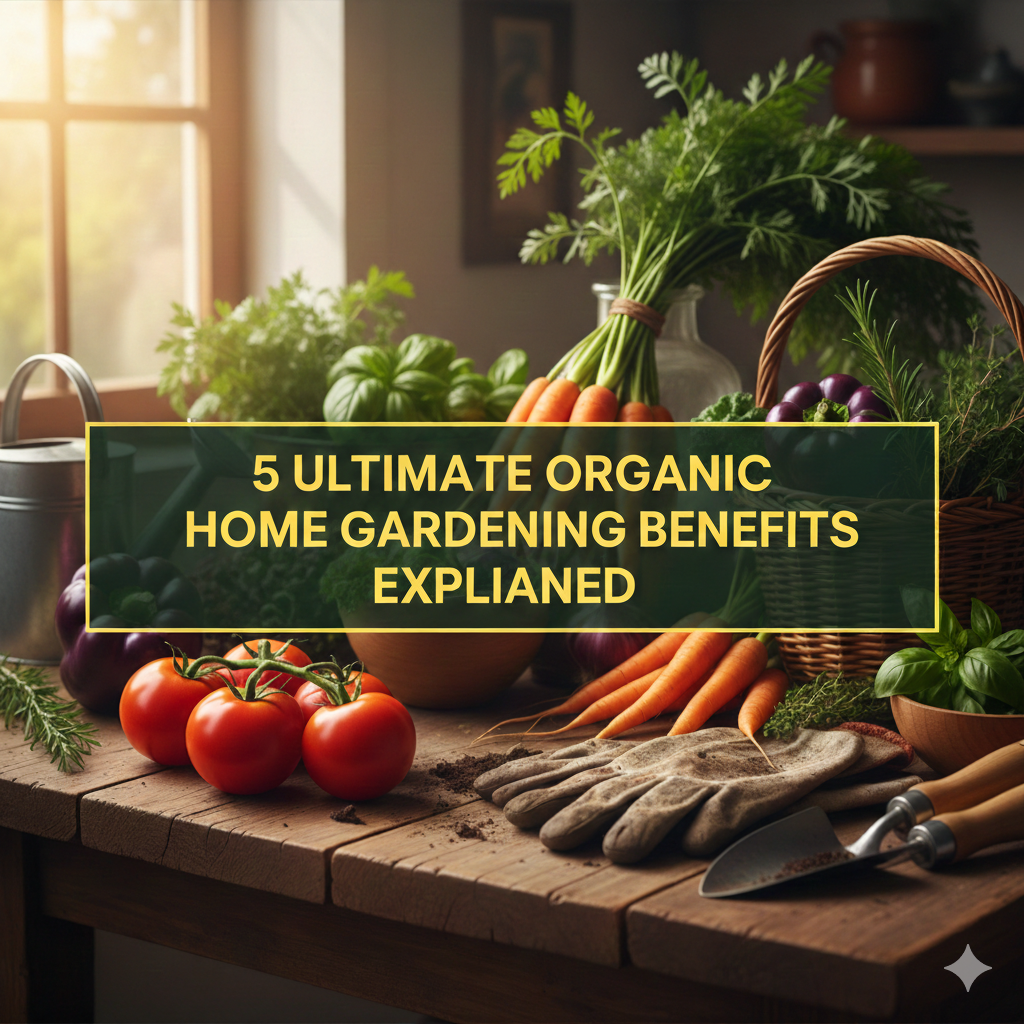
5 Ultimate Organic Home Gardening Benefits Explained
How Growing Your Own Food Can Change The World
Imagine this: You step out into your backyard and pluck fresh tomatoes for dinner. No plastic packaging. No questioning what chemicals got into your food. Only pure, clean-cut vegetables grown by yourself.
That’s the beauty of organic home farming.
An increasing number of families are passing up grocery store produce in favor of homegrown veggies. They are not just trying to keep up with the times. They’re starting to realize real benefits in their wallets, bodies and the planet.
In this article we cut through everything and show you the five great benefits of beginning your organic garden. No matter the size of your outdoor space, these perks ring true. Let’s see why organic gardening could be the best decision you make for yourself this year.
Benefit #1: You Will Save a Truckload of Money on Groceries
Your Garden Pays for Itself
Produce at the stores that is organic is a bloody fortune. You could find yourself paying $3 or more for just one tomato. A bag of organic lettuce? Another $4-5.
What if you could grow 20 tomato plants in your backyard? Each plant yields pounds of tomatoes per season (about 10-15 pounds). That’s 200 to 300 pounds of tomatoes from a $30 investment in soil and seeds.
The math makes sense. Really good sense.
Cost Comparison Table:
| Item | Store Price (Organic) | Home Garden Cost | Savings Per Season |
|---|---|---|---|
| Tomatoes (50 lbs) | $150 | $25 | $125 |
| Lettuce (20 heads) | $80 | $10 | $70 |
| Bell Peppers (30 lbs) | $120 | $20 | $100 |
| Herbs (fresh) | $200 | $15 | $185 |
| Total | $550 | $70 | $480 |
Seeds Keep Giving Year After Year
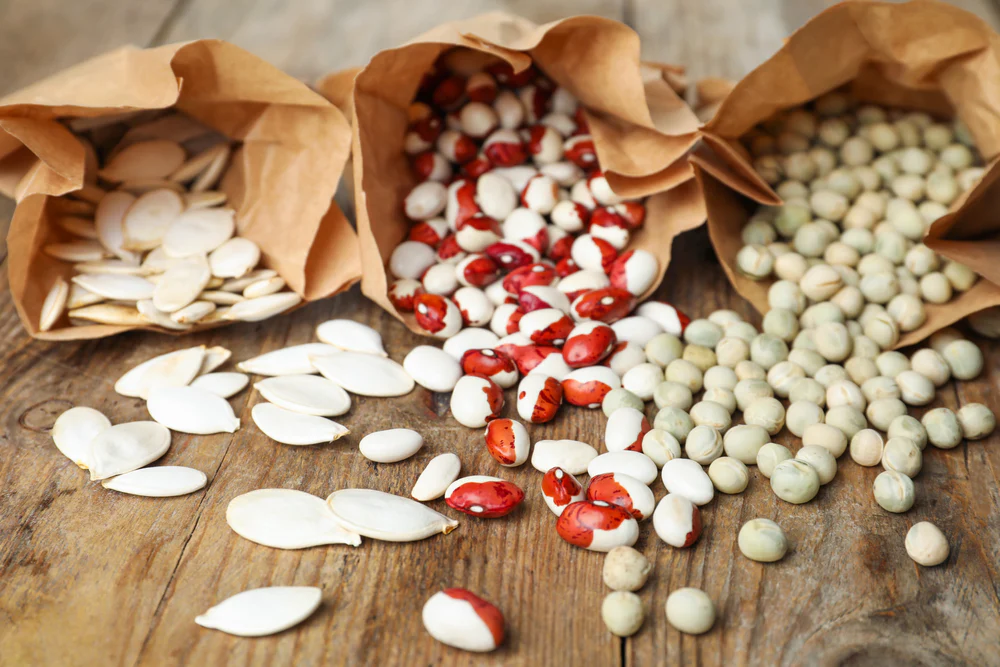
And here’s another money secret: many vegetables are what gardeners call “cut and come again” plants. Lettuce, kale and herbs regrow after you snip them. You will harvest multiple times from one planting.
And you can save seed from this year’s plants to sow in your garden next year. That $3 pack of tomato seeds? If you save seeds well, it could tide you through five years.
Your first investment continues to pay dividends, from season to season.
Quit Wasting Time and Money
Americans throw away approximately 30-40% of the food they purchase. That slime-covered lettuce in your fridge? That’s money in the garbage.
When you are growing your own food, you can pick the amount that you need. No longer having to purchase a giant bush of cilantro when you only need two tablespoons. Step outside, cut what you want and leave the rest growing.
Zero waste means no wasted money.
Benefit #2: Eat as Healthy as Possible
You Decide What Goes On Your Plants
Pesticides, herbicides and synthetic fertilizers are used in commercial farming. These chemicals wind up in your food.
The Environmental Working Group tests are released annually. Their “Dirty Dozen” list ranks fruits and vegetables with the most pesticide residue. It’s strawberries, spinach and kale at the top of the list year after year.
When you grow organic, you choose what comes into contact with your plants. Compost instead of chemical fertilizer. Companion planting instead of pesticides. Natural answers to synthetic sprays.
Your food becomes truly clean.
Losing Nutrients As Soon As You Harvest
Commercial produce travels an average of 1,500 miles to reach your plate. That journey can take days or even weeks.
Fruits and vegetables lose their nutrients each lonely hour that passes away. Vitamin C drops rapidly. Antioxidants decrease. The longer those crops sit, the fewer nutrients they retain.
Let’s say your garden is 20 feet from your kitchen. You can pluck a tomato and eat it within minutes. Maximum freshness equals maximum nutrition.
Research indicates that homegrown vegetables may be up to 50% more nutrient dense than store-bought ones.
Real Food Has Flavor, In Fact It Tastes Like Something
And have you ever noticed how store tomatoes taste like cardboard? The reason is that the commercial types are bred for travel, not taste. They are picked green and gassed with ethylene to ripen.
Heirloom tomatoes from your garden? They’ll blow your mind. The flavor is so big you may wonder if you’ve ever actually tasted a tomato.
The same is true of herbs, peppers and greens. Food isn’t real unless it’s grown in good soil — and it tastes amazing. Thank your taste buds.
Benefit #3: Save the Environment in Your Backyard
Traditional Farming Hurts Our Planet
Industrial agriculture supplies around 25% of the world’s greenhouse gases. Chemical fertilizers emit nitrous oxide, a gas 300 times more potent than carbon dioxide.
Pesticides destroy insects that are beneficial as well as those that damage our crops. They also flow down into waterways, where they can create dead zones in oceans and rivers.
Monoculture farming (the cultivation of one overpowering crop over vast areas) leaches soil and demands continuous doses of chemicals in order to continue producing.
All of these are problems that your small organic garden fights.
Your Garden Becomes a Carbon Sink
Plants absorb carbon dioxide from the air and sink it in their roots and soil. Healthy soil, filled with organic matter, will keep it there for years.
Organic gardening means taking care of the soil. You add compost, which increases organic matter. You don’t till, which would release a whole lot of the long-stored carbon. You are creating a little ecosystem and it actually pulls carbon out of the atmosphere.
A single home garden is unlikely to change the world. But millions of them? That’s a climate solution.
Environmental Impact Comparison:
| Practice | Store-Bought Organic | Home Garden Organic |
|---|---|---|
| Transport emissions | High (1,500 miles avg) | Zero (backyard to kitchen) |
| Plastic packaging | 3-5 items per shopping trip | None |
| Water usage | High (inefficient irrigation) | Low (targeted watering) |
| Pesticide runoff | Moderate (even organic uses some) | Zero (manual pest control) |
| Soil health impact | Neutral/negative | Positive (builds topsoil) |
Create Habitat for Beneficial Wildlife
Your organic garden attracts pollinators. Bees, butterflies and hummingbirds need protection. They feed off every flower you grow.
Garden-friendly insects such as ladybugs and lacewings come to lodge in your garden. Naturally, they eat aphids and other pests. You’re creating a balanced ecosystem where nature takes care of the pests.
Birds come for seeds, insects and water. Your garden is effectively a small nature reserve in your neighborhood.
This biodiversity is good for your garden’s health and good for local wildlife species.
Benefit #4: Less Stress and Improved Mental Health
Gardening Works Like Meditation
Digging in dirt, picking weeds and watering plants takes focus. When you’re scrutinizing a plant for pests, your mind can’t wander to work stress and everyday worries.
This devoted attention is akin to meditation. You’re right there in the moment, interacting with a straightforward task.
Some studies have shown that 30 minutes of gardening can decrease your levels of cortisol, lowering those stress hormones by up to 50 percent. That’s better than many medications.
Dirt Contains Natural Antidepressants
A type of soil bacteria known as Mycobacterium vaccae functions nearly like a natural antidepressant. When you handle soil, these bacteria enter through your skin and lungs.
They create a surge of serotonin in your brain. Serotonin makes you happy and relaxed.
Well, playing in the dirt is not just for kids. It can be pretty therapeutic for adults, in fact.
See Something Grow From Your Work
Modern life feels disconnected. You send emails, attend meetings, do work that vanishes into the digital void.
Gardening provides tangible results. You plant a seed. You water and care for it. You watch it grow. And you pick and eat actual food you made.
This link between effort and reward is something our psychology craves. You feel what you create. That feels incredibly satisfying.
Be Active Without Feeling Like Working Out
Gardening burns 200 to 400 calories an hour. You are squatting, lifting, bending and reaching. All that motion helps build strength and flexibility.
But it does not feel like exercise. You’re engulfed in your plants, not counting rep by rep. The workout just happens while you’re doing something fun and productive.
And, soaking up the sun gets you some vitamin D, which is good for improving mood as well as bone health.
Benefit #5: Create That Truly Sustainable Lifestyle
Close the Loop on Waste
The average American creates about 4.5 pounds of trash daily, per person. Much of it is organic material that could potentially transform into compost.
With organic gardening, your kitchen scraps become compost. Your compost feeds your plants. Your plants produce food. The cycle continues infinitely.
You’re not throwing away resources. You’re cycling them through your very own personal ecosystem.
This closed-loop system lessens the amount of trash in landfills and avoids having to purchase fertilizer.
Learn Self-Reliance Skills
Our modern system is fragile. Disruptions in the supply chain, weather events or economic woes can empty grocery store shelves in a hurry.
Growing food creates resilience. You are not entirely reliant on shops. You have skills and knowledge that will help you in every scenario.
And when you teach these skills to your kids, they gain practical abilities that will serve them throughout their lives. They discover where food actually comes from and how to make it. For more tips on sustainable living and organic gardening practices, explore additional resources that can help you on your journey.
Start Simple and Scale Up
You don’t need vast tracts of land to reap those rewards. Start with:
- Balcony containers: Pots of herbs, lettuce and cherry tomatoes
- One modest raised bed: 4×4 can create unexpected loads of food
- Vertical garden: Plant beans and peas on trellises to save space
As you gain experience, increase your gardens. Add more beds. Try new vegetables. Increase your self-sufficiency gradually.
The sustainable lifestyle isn’t all-or-nothing. Every small step counts.
Connect With Your Community
Gardening happens in the context of the community. You give neighbors surplus produce. You trade seeds with fellow gardeners. You sign up for local gardening groups and get tips from experienced growers.
These connections build social resilience. You are building relationships around mutual aid and shared knowledge.
Rent a plot in one of many city community gardens. They are places where different people who share the same affinity can come together.
Your garden is a window onto a more interconnected, sustainable community.
What You Need To Start Your Own Organic Garden
Pick the Right Location
Find a space that receives 6-8 hours of sun per day. Most vegetables require full sun to do their best.
Test for soil drainage by digging a hole and filling it with water. You’re okay if it dries up within an hour or so. If water pools, you will have to create raised beds or enhance drainage.
Start small. A 4×8 foot bed is great for a good start. You can always expand later.
Build Healthy Soil First
Healthy soils grow healthy plants. Mix in compost before planting. Incorporate organic matter such as leaves, grass clippings and kitchen scraps during the growing season.
Test your soil pH. The large majority of vegetables prefer slightly acidic soil (6.0-7.0 pH). Make any necessary pH adjustments with lime (to raise pH) or sulfur (to lower pH).
Mulch around plants with straw, wood chips or leaves. Mulch suppresses weeds, holds moisture and feeds soil as it decomposes.
Easy Vegetables for Beginners to Plant
Some vegetables practically grow themselves:
- Lettuce: 30 days, partial shade tolerant
- Radishes: Ready in 25 days, great for kids
- Tomatoes: Big bang for the buck, who doesn’t love tomatoes?
- Herbs: Basil, cilantro and parsley generally work well
- Zucchini: Produces so much that you’ll actually give it out as gifts
Steer clear of challenging crops like cauliflower or melons until you’ve had some practice.
Learn Natural Pest Control
Organic gardening may not let those pests cripple your plants. Use these natural methods:
- Manual removal: Hand pick or crush larger pests, such as caterpillars
- Companion planting: Marigolds are aphid repellents, basil is protective of tomatoes
- Good bugs: Ladybugs and lacewings that feast on pests
- Physical barriers: Row covers and netting help keep pests off plants
- Organic sprays: For more serious problems, consider neem oil or insecticidal soap
Prevention works better than treatment. Healthy plants resist pests naturally.
Frequently Asked Questions
How many hours per week does organic gardening take?
Three to five hours a week is typical for beginners who have little space. This involves watering, weeding and general upkeep. You will get faster as you get used to it. Mature gardens that have already been well-mulched tend to require less time.
Can I actually grow enough food to be meaningful?
Yes. A garden 10×10 feet can provide 200-300 pounds of vegetables in a season. That will cut down your grocery expenses significantly, and you’ll have your own fresh produce for months. Begin small and grow as you learn.
What if I don’t have a yard?
No problem. You can also do container gardening on a balcony, porch or simply in sunny windows. Many vegetables thrive in pots. If you want more space, community gardens provide plot rentals.
Is organic gardening more costly than standard gardening?
At first, you will be spending your money on soil, compost and seeds. But in the long run, organic methods are cheaper and you’re no longer paying for chemical fertilizer and pesticide purchases. And, your grocery savings easily make up for startup costs.
How can I be sure my garden is organic?
You control the inputs. Employ organic seeds, compost and natural pest control. Stay away from chemical fertilizers, pesticides, and herbicides. Create nutritious soil with the help of organic matter. If you are gardening naturally, your garden is organic.
How can I pick the best season to get started?
For most vegetables, spring is best. But you can start anytime. The fall garden supports cool-season vegetables such as lettuce and broccoli. Some climates allow year-round gardening. Find out what grows best in your region during each season.
Are there any special tools to begin with?
Simple tools will suffice: spade, rake, hoe and watering can or hose. When you get bigger, the wheelbarrow and hand trowel will come in handy. Don’t purchase expensive equipment until you absolutely have to.
Making Your Garden a Reality
Planting an organic home garden changes your relationship to food. You’re not just saving money or eating healthier. You’re participating in something bigger.
Each seed you plant is a victory against industrial agriculture. Every tomato you pluck cuts down on transportation emissions. Every handful of compost you spread improves soil health.
These five benefits work together. Your healthier food saves money and is better for the planet. You are relieving your stresses by creating a sustainable lifestyle. Everything connects.
The optimal time to start was last year. The second-best time is today.
Begin small. Put a few containers in the ground this weekend. Watch what happens. You’d be surprised how fast those little seeds turn into actual food.
Your organic garden awaits. It’s all you have to do — take that first step.