
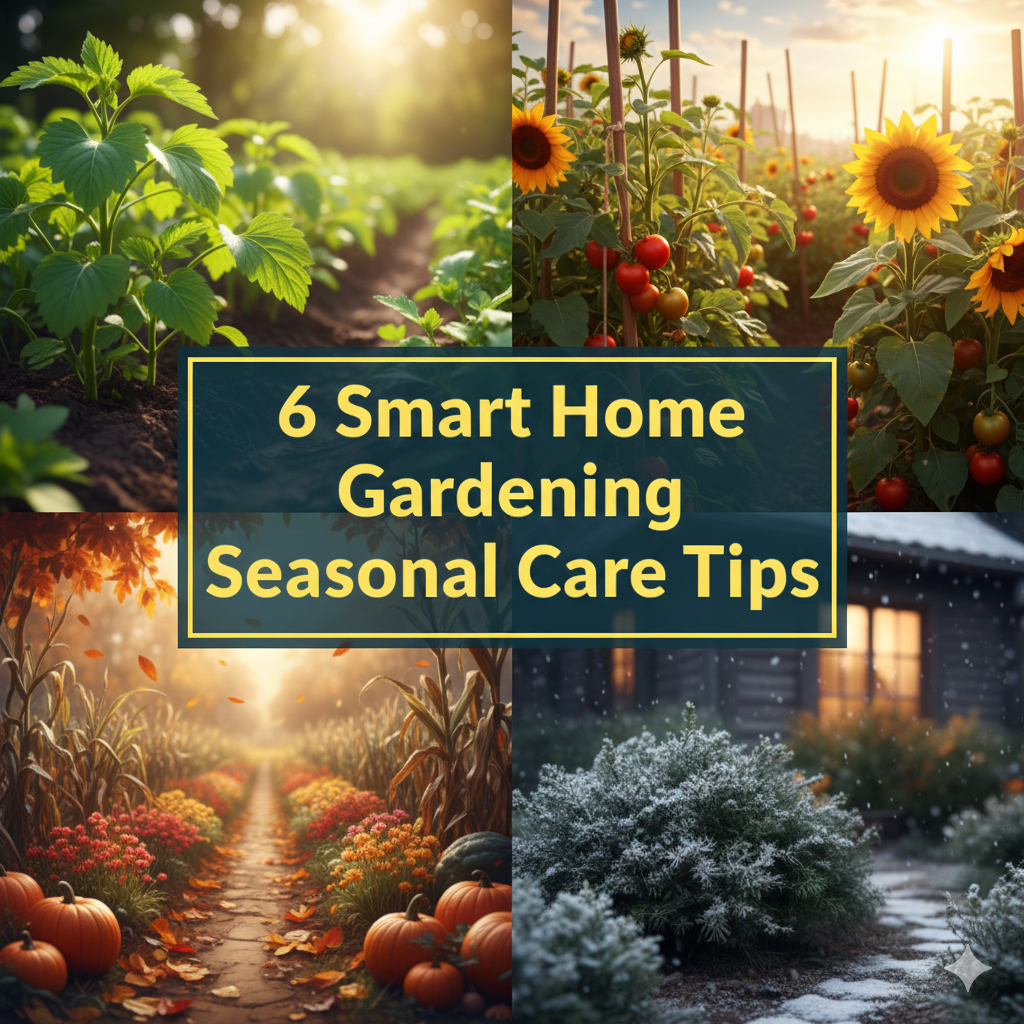
6 Smart Home Gardening Seasonal Care Tips
Introduction
Home gardening has never been more popular. People want fresh herbs, beautiful flowers and healthy vegetables within their homes.
But here’s the challenge: Maintaining plants alive the rest of year isn’t always easy. Different seasons bring different problems. Winter darkness can depress plants. They can become overly dry in summer heat.
Smart home gardening changes everything. With some tools and knowledge, you can establish the perfect home for your plants any season of the year. You do not have to be a botany major, and you don’t need any kind of fancy equipment.
This post provides six effective seasonal care tips that actually do something. And regardless of whether you’re growing tomatoes on your windowsill or tending a small herb garden, these tactics will help your plants thrive in spring, summer, fall and winter.
Now let’s make your home a lush paradise, no matter the season.
Spring Awakening: Get Your Indoor Garden Into the Groove
Spring is nature’s restart button. Your indoor plants feel this energy, even if they never leave home.
Modulate Light Exposure as Days Lengthen
Spring brings more natural sunlight. Your indoor plants feel it too.
Reposition light-loving plants nearer to windows. They’ll appreciate the extra sunshine. But beware of rapid temperature changes near breezy windows.
For those utilizing grow lights, decrease the number of hours they’re turned on each day in a slow, deliberate manner. Begin by slashing 30 minutes a week. Your power bill will appreciate it.
Look out for signs your plants are receiving too much light. If your leaves are yellow or have brown spots, you need to do things differently.
The Spring Cleaning Your Plants Need
Winter dust settles on leaves. This shades out sunlight and makes photosynthesis more of a struggle.
Wipe leaves with a damp cloth. Use room-temperature water. Repeat this process every two weeks throughout the spring.
Inspect each plant carefully. Search for seasonal pests that might have emerged over the winter. Spider mites and fungus gnats are common culprits when it comes to the destruction of plants.
Remove dead leaves and stems. They sap vitality from vigorous growth. Also, they can become magnets for pests and diseases.
Repotting and Refreshing Soil
Spring is the perfect time to give plants fresh soil. During this time of the year, root systems are also developing quite actively.
See if roots are growing through drainage holes. Which means your plant needs a larger home!
Opt for a pot that is one size bigger than those you have now. Too large is almost as bad as too small.
Grow it in well-drained potting mix formulated for indoor plants. Regular garden soil just doesn’t do well in a pot.
Making the Most of Summer: How to Beat the Heat and Stay Hydrated
Summer can stress indoor plants. It is hot, and the light brings new issues.
Creating the Right Temperature Balance
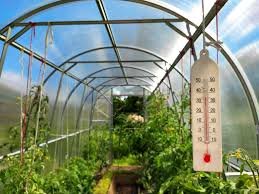
Temperatures between 65 and 75 degrees are ideal for most houseplants. Summer can send average indoor temperatures soaring.
Avoid having plants in close proximity to air conditioning and heating vents. Cold blasts shock plant systems. If you’re not cautious, your plant may suddenly drop its leaves and also temporarily cease growing each time the temperature drops off quickly.
Use fans for air circulation. The gentle agitation also toughens stems and reduces issues with fungi. Position fans in a way that they don’t blow directly onto plants.
Some smart thermostats allow you to program in hot and cold extremes. Adjust them to keep severe changes at bay.
Watering Strategies for Hot Weather
Plants drink more in the summer. But most houseplants die from overwatering.
Check soil moisture before watering. Insert your finger two inches deep. If it feels dry, water generously.
Water early in the morning. This allows plants all day to take up some moisture. Watering in the evening can encourage fungus even more.
For thirsty plants, think about self-watering pots. They offer steady moisture minus the need for constant fussing.
Humidity Management Made Simple
Many indoor plants love humidity. When you have air conditioning running all summer long it just condenses, and takes moisture out of the air.
Group plants together. They generate their own microclimate by transpiring.
Place pebble trays under pots. Fill the trays with water and pebbles. As water evaporates, moisture levels rise for plants.
Mist plants every so often, but not excessively. Over-misting can lead to fungal diseases.
How Often Should You Water Plants in Summer by Type of Plant:
| Plant Type | Frequency | Water Amount | Special Notes |
|---|---|---|---|
| Succulents | Bi-weekly | Until it flows through the bottom | Wait until soil is fully dry |
| Herbs | Every 3-4 days | Moderate | Keep soil somewhat moist |
| Tropical Plants | Every 4-6 days | Generous | Requires ample moisture |
| Vegetables | Daily | Ongoing | Monitor soil multiple times a day |
Fall Transitions: Getting Ready for Shorter Days
The scents of fall signify slow-down to plants. You have to adjust your care, too.
Gradually Reducing Water and Nutrients
Plants grow slower in fall. They drink less water and eat less food.
Reduce the number of times you water by one-quarter. Monitor soil moisture closely. It’s easier to overwater as growth slackens.
Reduce fertilizer applications. The majority of plants only require feeding every 4-6 weeks during the fall. Some don’t require any fertilizer until spring comes back around.
Watch for yellowing leaves. This is a regular occurrence as plants go dormant. Don’t panic and overfertilize.
Maximizing Available Light
Days get shorter. Your plants notice immediately.
Bring plants nearer to south-facing windows. They’ll catch maximum available light.
Clean windows inside and out. Dirty glass absorbs lots of light.
Begin using grow lights earlier in the season. Start off by using additional light for 2-3 hours. Increase gradually as days shorten.
Rotate plants weekly. That way, you can expose all sides to the light. Uneven light causes lopsided growth.
Pest Prevention Before Winter
Pests love to move indoors as the weather gets colder. Get to them before they can hunker down.
Quarantine any plants that were outdoors over summer. Then keep them apart for two weeks. Check carefully for hitchhikers.
Use neem oil as a preventative with plants. As needed, for total coverage, spray under the leaves.
Reduce humidity slightly. High humidity is a great place for a lot of pests.
Winter Wisdom: How to Keep Your Plants Alive While They Sleep
Winter is an indoor gardener’s most challenging season. Limited lighting and dry air make tough conditions.
Smart Lights For The Dark Months
There is a lack of sunlight in the winter. Most plants need help.
Purchase good LED grow lights. They are also energy-efficient and give off the correct spectrum of light. Most plants do best under full-spectrum LEDs.
Position lights 6-12 inches above the plant. Too close burns leaves. Too far doesn’t help.
Keep grow lights on 12-14 hours a day. Use timers for consistency. Plants need predictable light schedules.
Consider light intensity needs:
- Herbs need bright light
- Leafy greens tolerate medium light
- The vast majority of houseplants will do perfectly well with moderate amounts of extra light
Protecting Plants from Heating Systems
There’s almost no moisture in indoor air, thanks to heating systems. This stresses most plants.
Don’t put plants near heat registers and radiators. Leaves are quickly damaged by hot, dry air.
Use humidifiers near plant collections. Aim for 40-50% humidity levels.
Form humidity areas with the aid of pebble trays. And this old trick still works great.
Group moisture-loving plants together. They will help keep each other at the perfect humidity.
The Art of Winter Watering
Winter watering confuses many gardeners. Plants require less, but some is still required.
Water less, but don’t let soil go bone dry. Many plants like to have soil that is on the slightly moist side.
Use room-temperature water. Cold water shocks roots.
Be more careful with the soil before watering. Slower growth means slower water uptake.
Bottom watering works well in winter. Fill the tray and let the plants absorb the water on their own. This way there is no risk of overwatering the surface.
Monthly Care Calendar:
| Season | Watering | Fertilizing | Light Hours | Special Tasks |
|---|---|---|---|---|
| Spring | Increase | Twice a month | 12-14 | Repot, prune |
| Summer | Maximum | Once a week | 14-16 | Pest watch |
| Fall | Reduce | Once a month | 10-12 | Move indoors |
| Winter | Minimal | None | 10-12 | Humidity boost |
Year-Round Smart Technology Integration
Technology simplifies the seasonal care of plants, and smart devices exclude the guesswork.
Automated Watering Systems
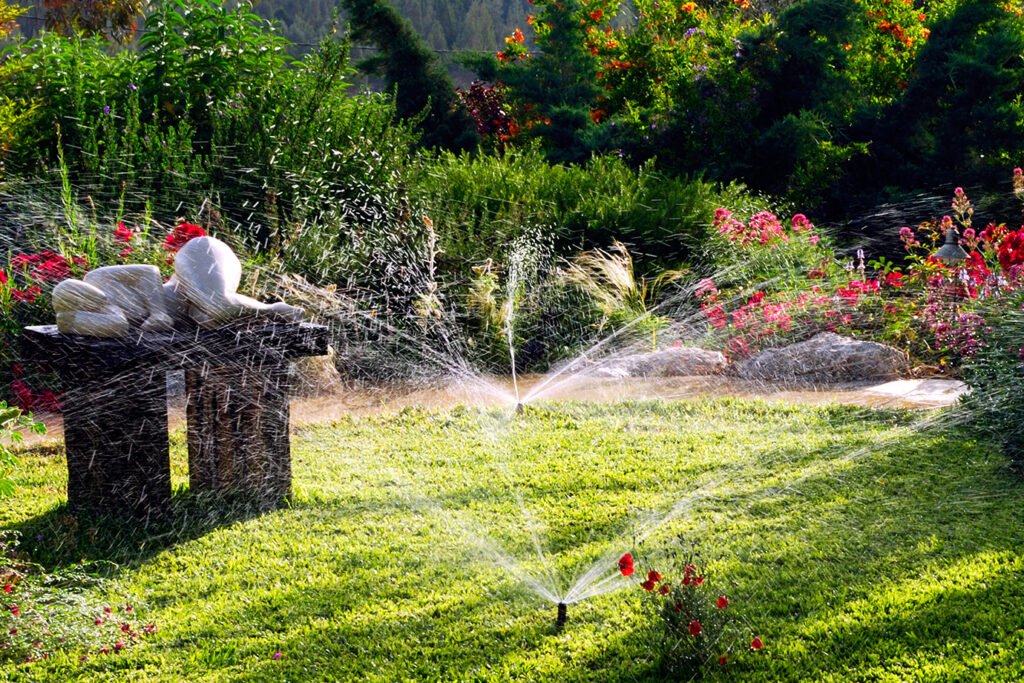
Smart watering systems measure soil moisture. They provide automatic watering as the plants require it.
The best versions are the soil sensors versions. Such systems measure actual moisture, not something pre-scheduled.
It is possible to program different zones, as different plants require varying volumes of water.
Such devices mostly connect to a smartphone, which enables one to observe the plant from a distance.
The price varies from $30 at the start to $200 and more at the upper limit.
Environmental Monitoring Tools
Smart sensors measure temperature, humidity, and light hours, and gather data.
Place such sensors close to the plant group, as in most cases, different areas of the home have different conditions.
Create alerts for extreme conditions, like too cold or too much moisture.
Review data trends over time to identify patterns.
Grow Light Timers and Controllers
Programs that schedule and control lighting are also useful. It is programmed with a schedule, so as the days grow, their activity remains the same.
Basic timers are affordable options for consistent lighting schedules.
Some systems adjust based on natural hours of sunshine, optimizing energy use and plant health.
For more beginner-friendly gardening tips and guides, explore comprehensive resources that can help you succeed with your indoor garden.
Seasonal Changes in Soil Health and Nutrition
Having healthy soil is the means to having healthy plants. Demand quality varies with seasons and its requirement may not remain the same over all months of a year.
Spring and Summer Feeding
Growing seasons require regular nutrients. Plants actively build new growth.
For most houseplants, use balanced fertilizer (10-10-10). Follow package directions carefully.
Organic choices such as worm castings and compost tea are highly efficient. They release nutrients slowly.
Apply fertilizer to moist soil. Do not fertilize dry soil – it will burn the roots.
Watch for signs of overfertilization:
- White crust on soil surface
- Brown leaf tips
- Wilting despite adequate water
Fall and Winter Nutrient Management
Most plants require minimal fertilizer, if any, when dormant.
Fertilize tropical plants for the last time by late October. Resume in March when growth begins again.
Cacti and other succulents require no feeding during winter. They’re completely dormant.
A few plants — like African violets — bloom all year. Even in winter they require monthly applications of diluted fertilizer.
Soil Amendment and Refresh
Without repotting, freshen up the upper layer of soil.
Gently remove the top inch of old soil. Swap in a new potting mix.
Add perlite to improve drainage. Combine with worm castings for a slow-release shot of nutrients.
Test soil pH occasionally. The majority of houseplants like their soil to be slightly acidic (6.0-6.5).
According to the Royal Horticultural Society, maintaining proper soil pH is crucial for nutrient absorption in houseplants.
Frequently Asked Questions
How can I tell if my plant needs more light in winter?
Here are some clues to look for: stems that grow long and spindly, leaves that turn pale green, plants listing hard toward light sources or growing more slowly than they used to. These all indicate insufficient light.
Can I water the same amount, regardless of the season?
No; active growth in the spring and summer require much more water. Cut back on watering by 30-50% in fall and winter when most plants go dormant.
At what temperature is it too cold for indoor plants?
The majority of tropical houseplants will suffer damage below 50°F. Keep them above 60°F for best results. Don’t leave plants right by drafty doors or windows during the winter.
How often should I feed house plants?
Fertilize every 2 to 4 weeks from spring through summer. In fall, reduce to monthly. Don’t fertilize most plants at all through the winter, unless they are actively growing or blooming.
Is a smart watering system actually effective?
Yes, when properly set up. They’re particularly useful for travelers or those with irregular schedules. But you also still need to track plants and adjust settings by the season.
Do I need to mist my plants in winter?
Light misting is beneficial for humidity-loving plants, but it’s not the best method. Humidifiers and pebble trays maintain moisture without the fungi concerns.
Conclusion
Smart home gardening through the seasons doesn’t require expensive equipment or expert knowledge. Success comes from understanding what your plants need each season and making small adjustments.
Spring means growth – increase water, light and nutrients slowly. In summer, hydration and temperature are crucial. Fall calls for scaling back on care as plants begin to slow down. Winter for us is about holding conditions with reduced watering and artificial light addition.
Technology can assist, but the watchful human eye matters most. Check your plants regularly. Learn their individual signals. Wilting, changes in color, and growth patterns can be all you need to know.
Try one or two seasonal changes this year. Possibly add a grow light for winter — or maybe set up a humidity tray. Small changes create big results.
Your home garden can thrive 12 months of the year. Here are six seasonal care tips to get you started. And the remainder is about experience and patience.
Remember: plants are resilient. They want to live and grow. You just have to provide the right conditions, at the right time. Learn how to care for your plants seasonally, and you will have healthy, beautiful specimens year-round.