
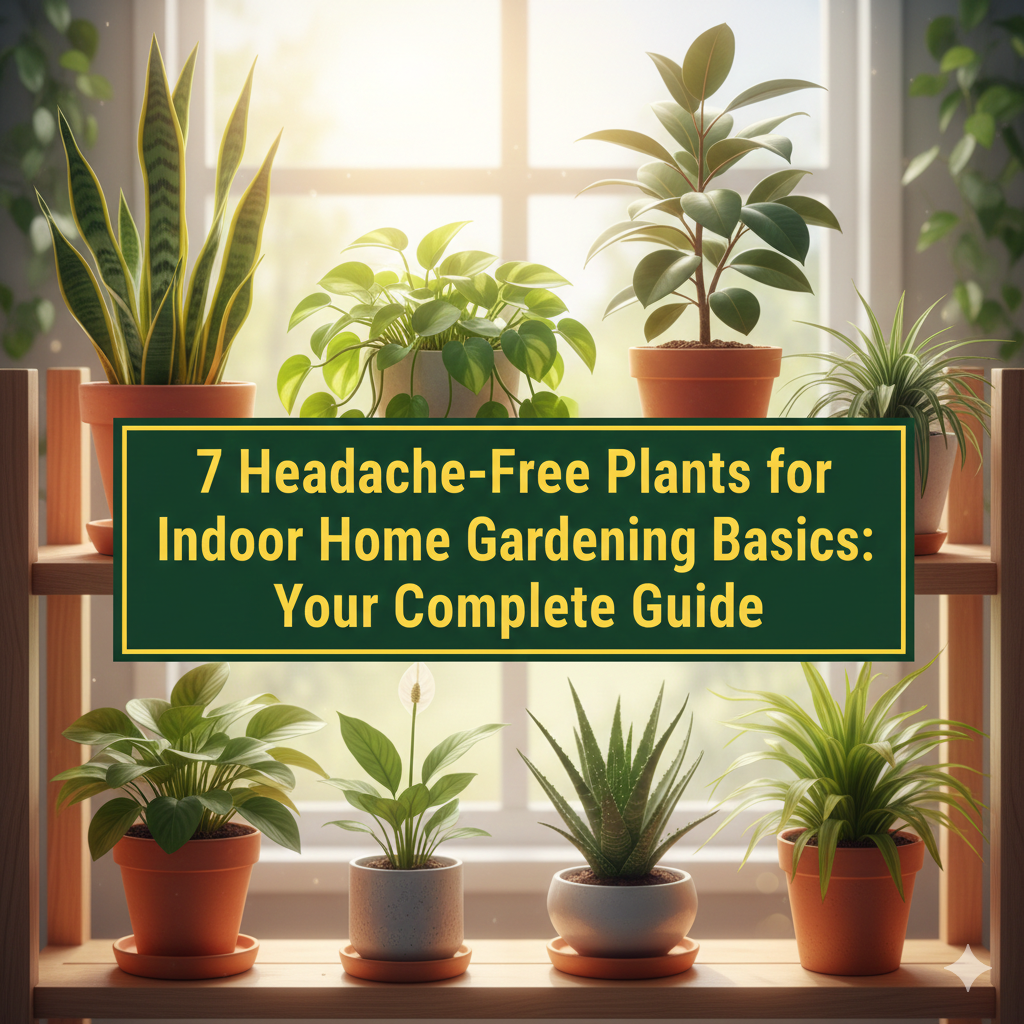
7 Headache-Free Plants for Indoor Home Gardening Basics: Your Complete Guide
It All Begins…With Indoor Gardening
Bringing the outside in is an easy way to turn a drab, lifeless room into a living room. But if you’ve never taken care of plants before, the options can be daunting. What plants grow in low light? How often should you water? What happens if you forget to feed them for a week?
Good news: some plants are essentially maintenance-free. Actually, there are easy indoor home gardening plants for beginners. These are tough plants that forgive your failures, tolerate forgetfulness and still look amazing on your windowsill or coffee table.
In this guide, we’ll lay out seven easy-to-care-for indoor plants for beginners. Each one is incredibly simple, with highly effective results. You’ll discover exactly what your plant’s intricacies are, how to make it thrive, and what you might accidentally be doing that is harming it. And by its conclusion, you’ll feel assured about selecting and nurturing your first indoor garden.
We’ll bring a green oasis to your home without the stress or guesswork.
Indoor Plants Will Make Your Life So Much Better
Before we get to specific plants, let’s reminisce about why indoor gardening is important. Plants are not just doing it to look pretty on your shelf.
Health Benefits You’ll Notice Immediately:
Plants that are indoors clean the air you breathe. They eat up toxins and spew out fresh oxygen all day and night. Studies also demonstrate that rooms with plants have lower amounts of airborne molds and bacteria.
Plants also have a natural mood enhancing effect. Looking after something alive makes you feel needed and lowers stress levels. Watering your plants, it can be a calming ritual that divides the chaos of your day.
Practical Advantages for Your Home:
Whether your room is a bower or just boring, green plants bring vivid color and life. They round off empty corners, brighten up dark spaces and make small apartments seem just a little bit more hospitable. Unlike cut flowers (which last a week, maybe), indoor plants grow and get better with time.
And, easy indoor home gardening plants for beginners helps build your confidence. You will be well-equipped to tackle the tougher plants later, after you practice this type or species.
Pothos: The Virtually Indestructible Plant
Pothos deserves its reputation as the plant for beginners. This trailing vine will survive almost anything you do to it — or forget to do for it.
Why Pothos Is Good for Beginning Gardeners
The heart-shaped foliage spills gracefully out of hanging baskets or climbs up moss poles. Pothos thrive on neglect and can tolerate low light, not-so-constant watering and average home temperatures. It even thrives in water with no soil at all.
You may expect new leaves to appear frequently, providing beginners with that gratifying sense of success. The plant tells you it’s happy by exploding in new growth.
Basic Care Requirements
Light requirements: Pothos flourishes in bright indirect light, but also tolerates low light levels. Watch for sun, which can burn the leaves. Put it anywhere from a few meters away from a south-facing window to a bathroom with only shallow light.
Watering Frequency: When the top 2 inches of soil are dry to the touch. For most of us, this means every 7-10 days. Pothos is more tolerant of a missed watering than overwatering. Its leaves actually wilt a little when thirsty, which lets you know.
Temperature and Humidity: Average room temperatures of 60-80°F are ideal. Pothos is not particular about humidity, but it does like misting here and there. It flourishes under the same conditions you find tolerable.
Common Varieties to Try
Golden Pothos: Yellow variegated leaves. Marble Queen: Features white and green coloring. Neon Pothos: Bright chartreuse leaves that practically glow. All require the same easy care.
Snake Plant: The Weekend Warrior’s Fantasy
Snake plants are among the most neglect-tolerant of plants. These handsome upright plants are a great fit for anyone who is short on time and tends to forget about their plants.
What Makes Snake Plants Special
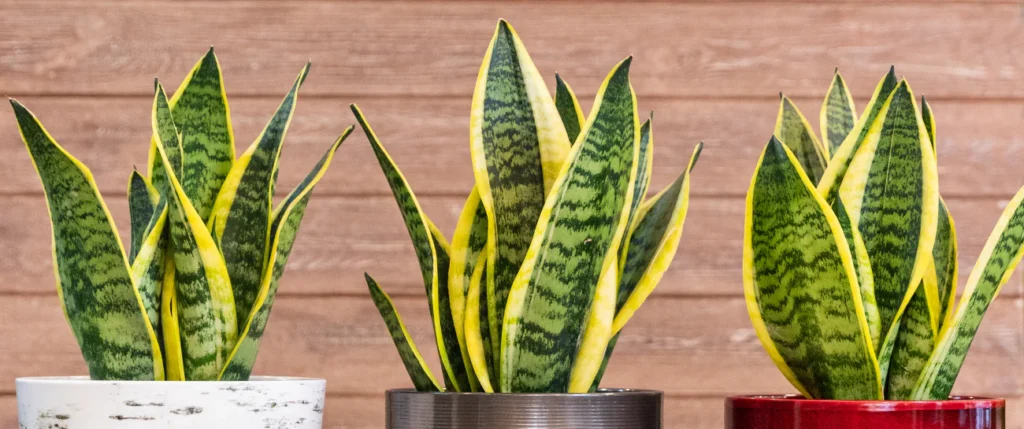
Snake plants (also known as Mother-in-Law’s Tongue) boast tall, sword-like leaves that point straight up. Its architectural design brings a contemporary feel to any room. Some are edged in yellow, and others have a silver-green pattern.
Snake plants like to be ignored, in fact. Water is stored in their fleshy leaves, which means you don’t have to water them often. This makes them the perfect easy indoor home gardening plants for beginners who fear over-watering.
Keeping Your Snake Plant Happy
Ideal Lighting Conditions: Snake plants can be placed in low-light corners to bright, indirect light. They grow faster in brighter spots, but do just fine in dim places. Direct afternoon sun will make the leaf colors fade.
The Less-is-More Watering Method: Only water when the soil is completely dry, about every 2-3 weeks in summer and monthly in winter. Stick your finger in the soil to the second knuckle. If it feels even the least bit damp, wait. More snake plants die from being overwatered than anything else.
More Care Tips: Provide with good draining soil and pots having drainage holes. Snake plants thrive in temperatures from 55-85°F. They all need very little fertilization—maybe once in the spring and once in summer you could apply diluted liquid fertilizer.
Growth Patterns and Propagation
Snake plants also grow at a leisurely pace. Fresh leaves grow from the center of the plant’s soil pile. When your plant becomes crowded, divide it into several plants by dividing the roots. This results in free plants to share with friends.
Spider Plant: Nature’s Air Purifier
Spider plants are one of the best air purifying houseplants. Study from NASA attests to the fact these plants remove toxins in your home and office while adding charm and cheeriness.
Spider Plant Characteristics
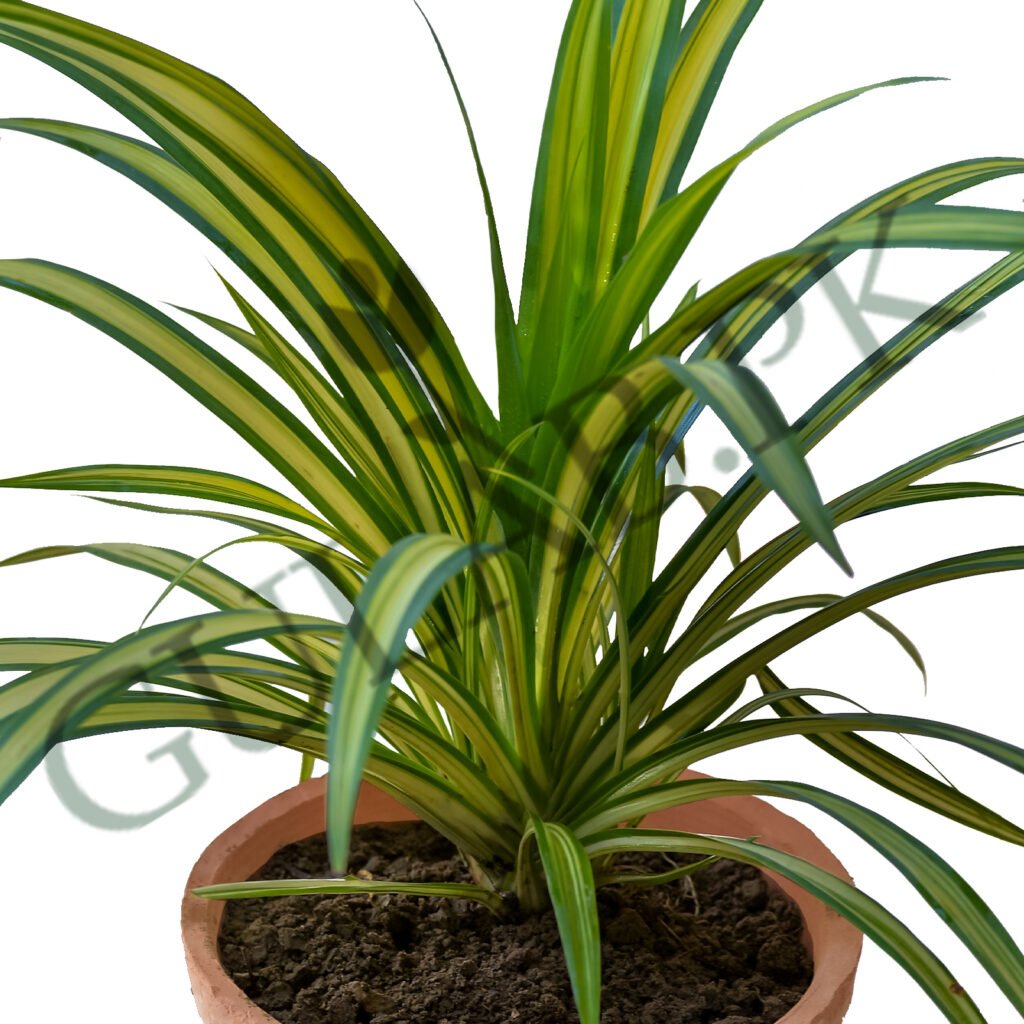
White or cream stripes on long, arching leaves form a fountain-shaped plant. Mature spider plants produce baby plants, or “spiderettes,” that hang from long stems. These babies root simply in water or soil, so you can easily propagate your collection.
The plant grows fast and you’re able to see results. From there, it takes only months for a tiny spider plant to fill out a pot nicely.
Simple Care Instructions
Light: Bright indirect light will encourage the most growth and the best variegation. Even if the light was medium, it would tolerate spider plants but would lose the intensity of stripes. Place them by east or west-facing windows for the best spot.
Watering Instructions: Spider plants prefer evenly moist soil during the growing season. Water when the top 1 inch of soil is dry, approximately every 5-7 days. Decrease watering during the low-growth season of winter. These plants are more tolerant of dry soil than wet.
Brown Leaf Tips: Brown tips often mean the plant is sensitive to fluoride. Let the tap water sit overnight before using, or use distilled water. Trim its brown-tipped tips with clean scissors — the plant won’t know you’ve done anything.
Displaying Spider Plants Creatively
Few plants display their babies better than the spider plant: Hang them in baskets. Showcase spider plants in containers to best advantage; go with solid pastel (or bright) colors to make the baby spiders stand out even more. Set them on plant stands that let the arching leaves drape. The babies develop little white flowers before growing roots.
ZZ Plant: The Apartment Dweller’s Best Friend
Conditions that thwart other potted plants are often just right for ZZ plants (Zamioculcas zamiifolia). And even if you reside in a basement apartment with scarce natural light, this plant will still thrive.
Why ZZ Plants Excel Indoors
Leaves are dark green and shiny, they reflect the light. It is a full, bushy plant with the thick canes growing upright. ZZ plants need little care and pretty much ignore you for weeks on end.
These low maintenance house gardening plants for indoor beginners retain water in their rhizomes (underground stems). Translated, this means they spring right back after long dry spells.
ZZ Plant Care Made Simple
Low Light Driven: ZZ plants are light hungry in terms of low to bright indirect light. They’re some of the only plants that actually love fluorescent office lighting. Shade from direct sun (which will scorch the leaves). Put them where you would comfortably read a book during the day.
Minimal Water: Every 2-3 weeks, once the soil is completely dry. In winter, water once monthly. The rhizomes can also rot in wet soil so try to underwater rather than over. Stems that are wrinkled show the plant needs moisture.
Fertilizing and Maintenance: ZZ plant is hardly ever in need of fertilizer. Feed in spring and again in summer with liquid half-strength fertilizer. Wipe leaves with a damp cloth occasionally to remove dust and leave them shiny.
Important Safety Note
ZZ plant sap is an irritant to the skin and toxic if ingested. Wear gloves when handling the plant and keep away from inquisitive pets and little ones. Wash hands immediately after handling the plant.
Succulents: Small Plants, Big Personalities
Succulents offer a variety of colors and shapes. These little plants are excellent choices for beginners looking for a change of pace from the typical leafy houseplant.
The Succulent Appeal
Everything is a succulent, with thick juicy leaves to store water and form interesting surface textures. Others are reminiscent of stone roses. Others look like miniature trees or spiky balls. Gather a bunch of different types to make fun patterns in shallow bowls or little pots.
Succulents require little space, so are perfect for apartments and dorm rooms. Cluster a group on a sunny windowsill for an eye-catching display.
Succulent Care Essentials
Lighting: Most varieties require direct sun to 4-6 hours per day. South-facing windows work best. Certain varieties can handle bright indirect light, but some of these grow longer or lose their compact form. Turn pots once a week so all sides get even light.
The Golden Rule of Watering: Soak, then go dry before watering again. It will be more frequent (about every 10-14 days) in the summer. Monthly or less in winter water. Succulents rot fast in wet soil — always use pots with drainage holes.
Soil and Container: Plant succulents in cactus or succulent potting mix. Regular potting soil is too moisture-retentive. Add 1 part perlite or coarse sand for improved drainage. Opt for planters with holes in the bottom to avoid water collection.
Beginner-Friendly Succulent Varieties
| Succulent Type | Appearance | Perks |
|---|---|---|
| Echeveria | Rose-shaped rosettes | Blue, pink or purple |
| Jade Plant | Tree-like with thick oval leaves | Lives for decades when cared for |
| Aloe Vera | Spiky leaves filled with gel | Can be used medicinally on burns |
| Haworthia | Small, striped | Lower light |
| Sedum | Trailing or upright | Very forgiving |
Philodendron: The Classic Climbing Companion
Philodendrons have the same easy-care ahead of them that pothos do but with different leaf shapes and growth patterns. These stalwarts tolerate a range of home conditions but still look good.
Philodendron Varieties for Beginners
Glossy heart-shaped leaves on vining stems. This species, which trails magnificently from shelves or climbs moss poles. The leaves start out reddish brown before lightening to a deep green.
Split-leaf Philodendron (Monstera) has show stopping leaves that are naturally full of holes and splits. Technically a different genus but requiring much the same care, it’s not quite so well-known as other members of the family making it perfect for beginners who are looking for that statement plant.
Basic Philodendron Care
Light: Will grow best in bright indirect sunlight, where its leaves will grow faster and larger. Philodendrons will survive with medium light, but they’re slower-growing. Place within 5-8 feet of a window. Leaves can turn yellow if the light is too low.
Water: Water when the top inch of soil feels dry, typically every 5-7 days in warmer seasons. The leaves will droop just a little bit for water. Reduce watering frequency in winter. Philodendrons like slightly moist soil and occasional drying out.
Humidity and Temperature: These are tropical plants and like humidity of more than 40%. Mist regularly or leave by an open window, or place the pot on a pebble tray of water. They prefer daytime temperatures of 65-80°F and to be kept out of drafts and away from heating/cooling vents.
Training and Pruning
Direct philodendrons to climb by providing a moss pole or trellis. The aerial roots will take hold for support. Prune gangly growth to promote full, bushier plants. Snip right above the leaf node and root in water.
Peace Lily: Blooms With No Fuss
Peace lilies are very stylish to have indoors with their white flower-like spaths and dark green foliage. Although they look delicate, however, these easy indoor home gardening plants for beginners can withstand a lack of light and let you know if something is wrong.
Peace Lily Benefits
The white “flowers” (actually modified leaves, or spaths) are produced at any time during the year with proper care. Peace lilies are great at removing airborne toxins, so they’re decorative and useful. They perform fantastically in offices, bedrooms and bathrooms.
Growing Peace Lilies Successfully
Light: Peace lilies do best in low to medium indirect light. They can handle fluorescent lights and north windows. Leaves will become bleached from too much direct sun and can develop brown edges. Set them back a few feet from bright windows.
Watering Simplified: Peace lilies will droop dramatically when they are thirsty – the ideal sign that it’s time to water. Water deeply when the leaves start sagging a little. This typically occurs every 7 to 10 days. The plant stands back up within hours after being watered.
Don’t let this drooping freak you out — the plant is telling you something. Just try not to let it do that too many times, because over time the offer stresses out the plant.
Blooms: Use diluted liquid fertilizer every few weeks. More light usually means more blossoms; although peace lilies will flower in low-light environments. Deadhead spent flowers and cut stem at base.
Important Considerations
Peace lilies are poisonous to pets and humans when eaten. Keep them away from inquisitive cats, dogs and kids. The sap may irritate the skin slightly, so be sure to wash your hands after handling the plant.
Designing Your Indoor Garden Space
Selection of appropriate plants is only the beginning. By setting up a good growing environment, you will make sure your easy indoor home gardening plants for beginners actually grow. For more tips and resources on getting started, visit Home Gardening Beginners.
Selecting the Right Location
Take Stock of Your Light: Notice how the light moves into and around your rooms throughout the day. Windows facing south receive more direct exposure to light. Windows to the east and west receive moderate light. The lowest levels of light are in windows facing north.
Match plants to the available light. You don’t stick a sun-loving succulent in a dark corner or plop a low-light ZZ plant into the direct path of the midday sun.
Take Temperature and Drafts Into Account: Don’t put your plants near heating vents, air conditioning units, or drafty windows. And the truth is, most houseplants like stability — both in climate and temperature. Give them distance from exterior doors used frequently in winter.
Essential Supplies for Success
Right Pots: Always use containers with drainage. All of that extra water has to go somewhere, or the roots will rot. Set saucers under them to catch run-off. Dump standing water from saucers after 30 minutes.
Quality Potting Soil: Never bring garden soil indoors. It compresses too much in containers, and can harbor pests. Purchase indoor potting soil meant for houseplants. Use a special cactus mix, which is used for succulents.
Essential Tools: Small watering can with a narrow spout for accurate watering. If you have trouble estimating when the soil is dry, invest in a moisture meter. Plant scissors for cutting away dead leaves. A spray bottle for plants that love humidity.
Creating a Maintenance Schedule
Consistency helps beginner gardeners succeed. Here are some easy indoor home gardening plants for beginners though that still need attention, even if they’re low-key.
Weekly Tasks
Water Check Day: Choose one day a week to check all your plants. You will want to test it with your finger to see if the soil is wet. Water those that need it. This ensures you don’t over or under water thirsty plants.
Simply Take a Look: Check for yellow leaves, brown spotting or any pest issues. The earlier the problems are caught, the easier they are to address. Clip dead or damaged leaves in a timely manner.
Monthly Maintenance
Dusting: Wipe large leaves with a damp cloth. Light is blocked by dust and photosynthesis decreases. Small leaves on plants can also take a gentle shower in the sink or tub.
Fertilizer: Fertilize plants during the growing season (spring and summer) with liquid fertilizer diluted by half. Most houseplants require feeding once every 4-6 weeks during the growing season. Just avoid feeding in the fall and winter when its growth has slowed.
Rotation: Rotate pots once a month a quarter turn. This serves to provide it with even lighting on all sides, and discourages it from lurching sideways toward the window.
Seasonal Adjustments
Water less in the winter, when many plants go into a state of dormancy. Stop fertilizing during this time. Move plants back from cold windows as necessary. If indoor heating is drying the air, use a humidifier.
Troubleshooting Common Beginner Mistakes
Even with easy indoor home gardening plants for beginners, issues crop up on occasion. Here’s how to diagnose and address most of them.
Yellow Leaves
Causes: Overwatering is usually to blame. Yellow leaves can also signal a natural aging process, a lack of nutrients or not enough light.
Solutions: Test the soil before watering. Allow soil to dry more between waterings if it remains soggy. Pluck yellow leaves once they are truly yellow. Fertilize plants during the growing season. If necessary, shift plants to brighter positions.
Brown Leaf Tips or Edges
Causes: Brown edges are caused by low humidity, fluoride in tap water, salt buildup from fertilizing or uneven watering.
Solutions: Try to boost humidity with a pebble tray or humidifier. Allow tap water to stand overnight before using. Periodically leach the soil with distilled water to flush out excess salts. Water regularly; do not wait until soil is bone dry.
Leggy, Stretched Growth
Causes: Lack of light causes plants to elongate toward available lights. They produce longer stems with fewer, smaller leaves.
Solutions: Move plants closer to windows or use grow lights. Prune the branches back in spring, cutting to pair of upward facing buds to produce bushier growth. Turn plants to light evenly.
Pests and How to Handle Them
Indoor plants get spider mites, fungus gnats and mealybugs sometimes. Stressed plants without proper care are at the root of most indoor plant pest issues.
Isolate affected plants immediately. Wipe leaves with soapy water. For more severe infestations, spray with neem oil. To improve care conditions, in order to prevent further issues.
Frequently Asked Questions
How much do easy indoor home gardening plants for beginners cost?
Small beginner plants at garden centers or home improvement stores cost between $5 and $20. Succulents are usually a few dollars each. The larger, more mature plants sell for $20 to $50. Begin small, and propagate plants yourself to help save money.
Do I require any special equipment to grow plants indoors?
No special equipment is necessary. You should have pots with holes in the bottom, soil suitable for potting and a watering can. Optional items like moisture meters and grow lights may be assistive but are not necessary for making beginner plants at home.
How old are indoor plants?
Most houseplants, properly cared for, live years or even decades. Pothos, snake plants and ZZ plants can all live 10+ years indoors. Some plants, such as jade succulents, are handed down from generation to generation as family heirlooms.
Can I grow these in a windowless room?
Most plants require a bit of natural light if they’re going to survive for the long haul. Snake plants and ZZ plants are more tolerant of the lowest light levels. For windowless rooms, the addition of grow lights should be considered. LEDs are cheap, and LED grow lights work.
How can I tell if I’m overwatering or underwatering?
Overwatered plants are likely to have yellow leaves, mushy stems and soil that remains waterlogged for days. Underwatered plants have dry, crispy leaves with drooping that doesn’t go away after watering. Soil shrinks from pot edges when too dry.
Can I repot my new plant right away?
Most plants don’t need to be repotted right away. Give them time, at least a few weeks, to survive in their new surroundings. Repot once roots curl around the drainage holes or are visible on soil surface. Most plants should be repotted every 1-2 years.
What is the best fertilizer for indoor plants?
Balanced liquid fertilizers, with the same N-P-K numbers (such as 10-10-10 or 20-20-20), work well for most houseplants. Half of what’s recommended to dilute. Your organic choices are fish emulsion and compost tea. Fertilize never except in the growing season.
Starting Your Green Journey Today
With easy indoor home gardening plants for beginners growing, you can elevate a rewarding hobby that will enhance their environment and health. The seven plants in this guide — pothos, snake plant, spider plant, ZZ plant, succulents, philodendron and peace lily — offer variety that appeals to a range of light conditions and design preferences.
Start with one or two plants that work for the light you have and your life. Put them in a place that you pass by every day to act as a reminder to check off their needs. Feeling more confident that you can keep these plants alive and thriving under your care, you’re going to want to expand.
Keep in mind that errors are part of the learning process. All gardeners have killed plants at some point. These particular species of plants are pretty forgiving of mistakes, and they can bounce back after being ignored better than most. If you do, fear of failure will paralyze and discourage you.
Indoor gardening brings you closer to nature, even in urban apartments that have no yards. It’s a teacher of patience, observation and accountability. Caring for life, in its simplest form, adds an element of surprise and happiness to your everyday routine.
Your very first plant is a modest inaugural step, but it’s also the way to start a lifelong relationship with the green world. Those minuscule unfurling leaves and tiny growing roots underground show that you can keep a life alive and create beauty in your own space.
Go to the garden center near you this week and pick out one plant. Just give it a sunny location, water when appropriate, and watch your indoor garden take root. You’d be surprised how soon those easy plants to grow become beloved household members, and how easily a new hobby blossoms into an actual passion.