
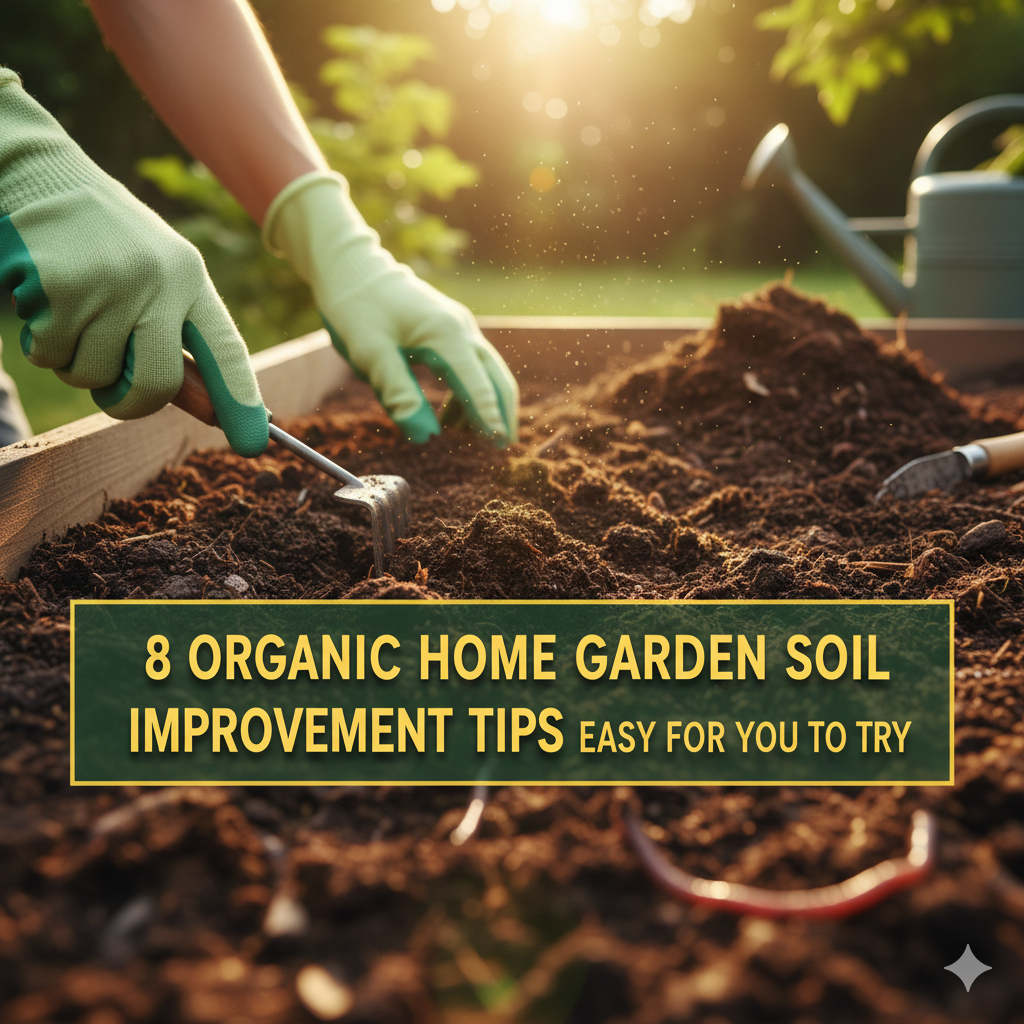
8 Organic Home Garden Soil Improvement Tips Easy For You To Try
Why It’s Important to Mind the Soil of Your Garden
Your garden soil is a sort of bank account for your plants. The more you put into it, the better your returns will be.
Gardeners skip right to planting without considering what lies beneath. But healthy soil is the secret sauce that distinguishes struggling gardens from successful ones.
The good news? There is no need for expensive chemicals or fancy equipment. The beauty is, nature provides everything you need to make rich, fertile soil that lets plants explode with growth.
It introduces you to eight tried-and-true techniques that are successful with both novice and experienced gardeners. These tricks require tools you most likely already have or are free to obtain.
Let’s get down and dirty in the world of organic soil improvement, and see your garden flourish!
The Foundation: What Makes Soil Healthy
Before we delve into fancy techniques to make soil better, let’s start with what plants actually want from it.
Healthy soil isn’t just dirt. It’s a living ecosystem with billions of microorganisms, nutrients and organic matter.
Plants rely on soil for three essential things:
- Things such as nitrogen, phosphorus and potassium
- Proper drainage so roots don’t suffocate
- Air pockets for roots to breathe
When elements like these are absent in soil, plants suffer. They grow more slowly, produce less food and become vulnerable to disease.
The eight hacks below cater to all of these needs, organically. Together, they make soil so rich it’s almost self-propagating.
Tip 1: Go Heavy With Compost
Compost is gardening gold. This dark, crumbly stuff is the fastest transformation of soil known.
Benefits of Compost in Your Soil
Compost is what nourishes good microbes that decompose nutrients for plants. It builds soil structure: It causes clay soils to drain better and sandy soils to retain more moisture.
Compost is the multivitamin for your garden. It delivers dozens of nutrients in a form easy for plants to absorb.
How to Use Compost Properly
2-3 inches of compost on your garden beds twice a year. Incorporate it into the top 6 inches of soil using a garden fork or tiller.
For new gardens, combine equal parts compost and native soil. This is an immediate pick-me-up.
Don’t have compost? Begin a pile today with kitchen scraps, grass clippings and leaves that have fallen. In 3-6 months, you’ll get free soil amendment.
Quick Compost Guidelines
| Material Type | Material Examples | Composting Speed |
|---|---|---|
| Green (Nitrogen) | Vegetable scraps, grass clippings | Fast |
| Brown (Carbon) | Dried leaves, cardboard | Slow |
| Avoid | Meat, dairy, oils | Never add |
Tip 2: Mulch Everything Possible
Mulch is a blanket for your soil. It shields, insulates and slowly nourishes the land beneath.
The Magic of Organic Mulch
Organic mulches eventually decompose, enriching the soil with nutrients and organic matter. They also help to keep weeds at bay, watering requirements down and the temperature of soil regulated.
Common organic mulches include:
- Shredded leaves
- Straw or hay
- Wood chips
- Grass clippings (dried)
Application Strategy
Apply a 3-4 inch layer of mulch around plants, making sure to keep it 2 inches from stems and trunks. This will keep plants from rotting and give plants some breathing room.
Replenish a mulch layer once or twice a season as it decomposes. Decaying material continuously nourishes the soil.
Mulching Benefits at a Glance
Water retention: ████████░░ 80%
Weed suppression: ██████████ 95%
Soil temperature control: ███████░░░ 70%
Nutrient addition: ██████░░░░ 60%
Tip 3: Let Worms Do the Heavy Lifting
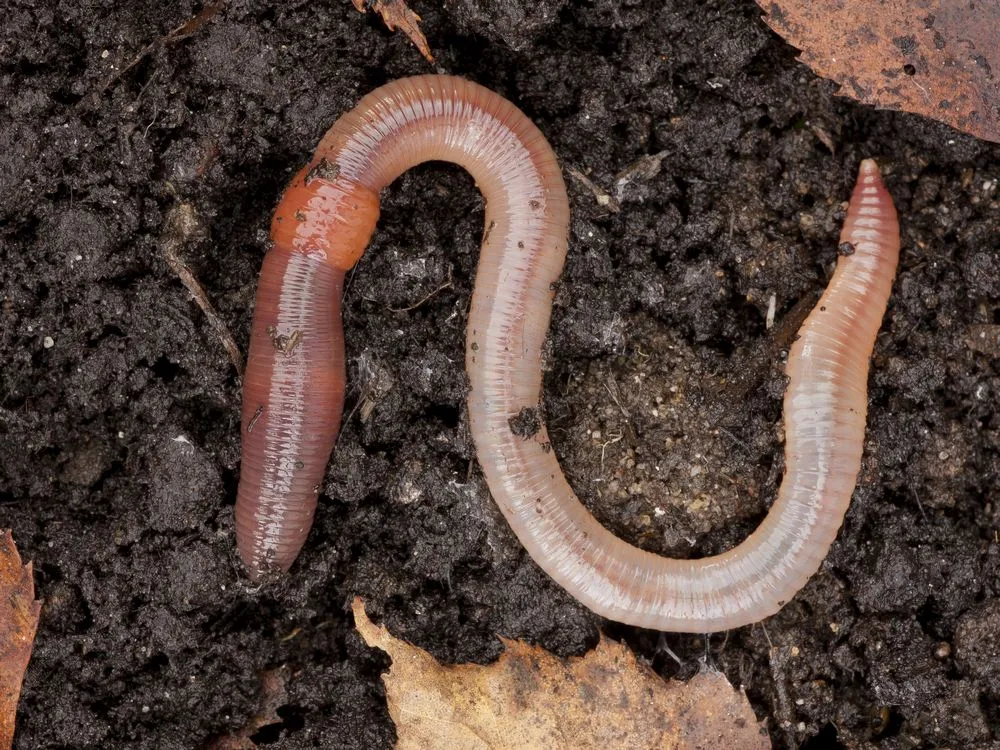
Earthworms are nature’s little-understood soil engineers. They burrow through the soil, opening pathways for air and water and depositing rich castings.
Why Worms Matter
Healthy soil can contain as many as a million worms per acre. They process numerous tons of organic matter a year into nutrients available to plants.
There are five times more nitrogen, seven times more phosphorus and 11 times the potassium in worm castings than regular soil.
Attracting Worms to Your Garden
You can’t tell worms where to take up residence, but you can make your garden an offer it can’t refuse:
Stop using chemicals. Chemical fertilizers and pesticides murder worms and other helpful organisms.
Add organic matter regularly. Worms consume decaying plant matter, so provide them some.
Keep soil moist. Worms need moisture in order to breathe through their skin.
Avoid over-tilling. Too much digging does away with worm tunnels and worms themselves.
Tip 4: Grow Cover Crops Between Seasons
Cover crops are free fertilizer you grow yourself. They protect and enrich soil in the garden when your main plants are absent.
How Cover Crops Improve Soil
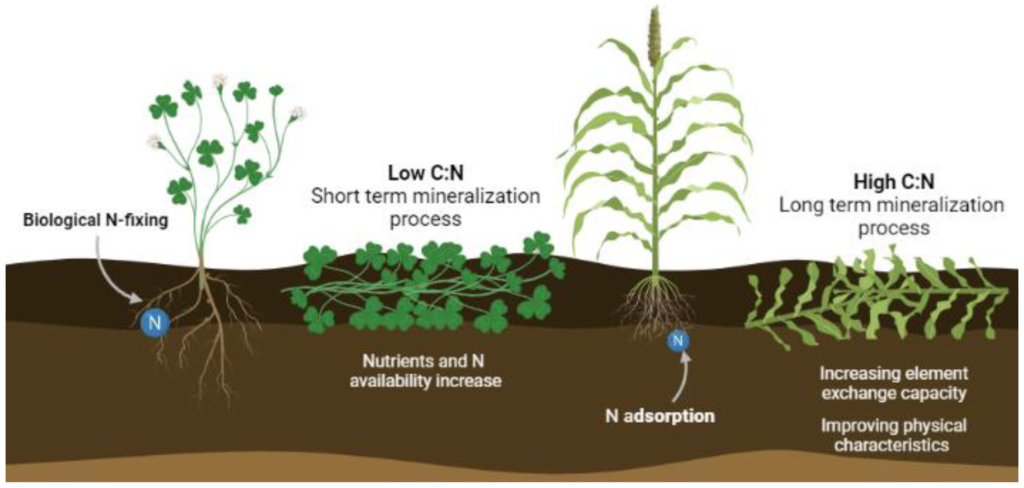
They add organic matter when you plow them under. Their roots loosen compacted soil and reduce erosion.
Legume cover crops, like clover and vetch, actually pull nitrogen out of the air and accumulate it in soil. It’s a bit like printing your own fertilizer.
Top Cover Crops for Home Gardens
Winter rye grows quickly and can produce a lot of organic matter. Plant it in the fall and turn it under in the spring.
Crimson clover is a nitrogen fixer and blooms with striking red flowers. Bees love it too.
Buckwheat, meanwhile, shoots up in the summer and suffocates weeds. It decomposes quickly after being tilled.
Cover Crop Timing Chart
| Season | Plant This | Benefits |
|---|---|---|
| Fall | Winter rye, hairy vetch | Protects soil, adds nitrogen |
| Spring | Buckwheat, crimson clover | Fast growth, weed suppression |
| Summer | Cowpeas, sorghum-sudangrass | Heat tolerant, deep roots |
Tip 5: Brew Compost Tea for Instant Results
Compost tea is a probiotic drink for your soil. This golden liquid brings beneficial microbes and nutrients to the soil and root system of plants.
Making Basic Compost Tea
Fill a 5-gallon bucket with water and set it aside overnight. This will eliminate chlorine, which is harmful to the good bacteria.
Pour 2-3 cups of finished compost into a mesh bag or old pillowcase. Dangle it into the water like a big tea bag.
Let sit 24-48 hours, stir now and then. The water turns brown, with an earthy odor.
Using Compost Tea Effectively
Use a pitcher to water compost tea around plant bases or spray it on leaves. The microbes colonize the soil and surface of the plants, killing diseases and releasing nutrients.
Drink the tea within 24 hours of brewing. Good microbes begin to die off without a fresh supply of oxygen.
To maximize results, apply the compost tea every 2-3 weeks during the growing season.
Tip 6: Incorporate Biochar for Sustainable Soil Building
Biochar may sound fancy, but it’s just specially treated charcoal that makes soil enriched for decades.
What Makes Biochar Special
Regular charcoal eventually breaks down. Biochar sticks around for hundreds of years, harboring beneficial microbes and retaining nutrients.
Biochar is like permanent housing for soil life. Its porous design offers millions of little apartments that bacteria and fungi would love to call home.
Creating and Using Biochar
You can create biochar by burning wood in a low-oxygen environment. Some gardeners use simple barrel techniques.
Biochar is also sold commercially at garden centers.
Combine biochar with compost before mixing it into soil. This “charges” it with nutrients and microbes.
Incorporate 5-10% biochar volume into garden beds. More isn’t better—too much can tie up nutrients temporarily.
Biochar Benefits Over Time
| Timeframe | Primary Benefit |
|---|---|
| First Month | Improved water retention |
| 3-6 Months | Increased microbial activity |
| 1-2 Years | Better nutrient retention |
| 5+ Years | Stable soil structure improvement |
Tip 7: Rotate Crops Religiously
Soil exhaustion and disease cycles are also avoided by crop rotation. This centuries-old trick works just as well today.
The Science Behind Rotation
Different plants need different nutrients. Tomatoes, especially, are heavy feeders that exhaust nitrogen. Beans replenish nitrogen in the soil.
Crop rotation leads to a natural balance of nutrient use. It also confuses pests and diseases that victimize particular plant families.
Simple Rotation Plan
The garden should be divided into four compartments:
Section 1: Legumes (beans, peas) – Add nitrogen
Section 2: Leafy greens (lettuce, spinach) – Light feeders
Section 3: Fruiting plants (tomatoes, peppers) – Heavy feeders
Section 4: Root vegetables (carrots, beets) – Break up soil
Move each crop group to the next section every year. Four years later, the cycle begins anew.
What to Plant Where
Keep a simple garden journal that notes what was planted where each season. This is what makes it easy to plan rotations year after year.
Never plant the same family in the same place two years in a row. Tomatoes do not succeed peppers or potatoes in the rotation — all are members of the nightshade family, and diseases they share may be present in the soil.
For more organic gardening tips and techniques, explore additional resources that can help you maintain a thriving garden ecosystem.
Tip 8: Monitor and Correct Your Soil pH
The acidity or alkalinity of soil affects how plants avail themselves of available nutrients. The right pH frees up nutrients, while the wrong pH locks them away and makes them unavailable even if there is plenty of food available.
Understanding pH Basics
The pH scale runs from 0-14. The majority of vegetables grow best in slightly acidic soil, with pH of 6.0-7.0.
An acidic soil (less than 6.0) renders some nutrients unavailable. Alkaline soil (over 7.5) follows suit with different nutrients.
Testing Your Soil
Purchase a cheap soil test kit from any garden center. These kits yield reliable results in minutes.
Do samples around your garden. Combine them for a mid-line reading.
Test in early spring before planting and again in the fall after harvest.
Adjusting pH Naturally
To increase pH (make more alkaline): Add lime or wood ash. They contain calcium, which is a natural antacid.
To lower pH (make more acidic): Add sulfur, pine needles or coffee grounds. These slowly render soils acidic.
Make pH changes gradually. Dramatic changes such as these can damage helpful microbes and may injure plants.
Target pH for Common Vegetables
| Vegetable | Ideal pH Range |
|---|---|
| Tomatoes | 6.0-6.8 |
| Lettuce | 6.0-7.0 |
| Carrots | 5.5-7.0 |
| Beans | 6.0-7.5 |
| Peppers | 6.0-7.0 |
| Blueberries | 4.5-5.5 |
You can learn more about soil testing and amendments from the USDA’s Natural Resources Conservation Service, which provides comprehensive guides for home gardeners.
How It All Comes Together: The Timeline for Soil Improvement
It’s best to use all eight of these tips together. Here’s how to incorporate them all year long.
Spring Actions
- Spread compost over beds
- Plant cover crops on any bare areas
- Get your soil pH tested and adjust if necessary
- Use biochar in newly established garden sites
Summer Maintenance
- Apply mulch 3-4 inches thick
- Brew and spray compost tea once a month
- Keep the soil wet until worms move in
- Plan fall crop rotation
Fall Preparation
- Plant winter cover crops
- Add another compost layer
- Refresh mulch before winter
- Test pH and record results
Winter Planning
- Design next year’s crop rotation
- Order cover crop seeds
- Build or source biochar supplies
- Start indoor composting system
Common Mistakes to Avoid
These are soil improvement mistakes even the pros make:
Using fresh manure directly. It scorches plants and introduces weed seeds. Always compost manure first.
Over-tilling soil. This disrupts the soil structure and kills beneficial organisms. Till only when necessary.
Ignoring drainage. Waterlogged soil can’t be saved with compost. Fix drainage problems first.
Expecting instant results. Soil improvement takes time. Be patient and consistent.
Adding too much of one thing. Balance is key. Don’t overdo any single amendment.
Frequently Asked Questions
How long does it take to amend bad soil?
Most gardeners notice a dramatic difference within one growing season. But creating really fertile, healthy soil requires 2-3 years of regular organic matter addition. The wait is worth it.
Can I condition soil in containers the same way?
Yes, but use smaller amounts. Incorporate compost into new potting mix, feed regularly with compost tea or topdress the soil with worm castings. Mulch helps containers too.
What about if I have mostly clay or sand?
These hints are particularly good for less ideal soil types. Clay requires the addition of organic matter in order to become more free-draining. Sand needs this property to retain water and nutrients. Continually add compost and mulch — they take care of both!
How much does organic soil building cost?
Hardly anything if you can make your own compost and mulch. The vast majority of materials are free or cheap. Proof that sometimes a little goes a long way: investing in an inexpensive soil test kit and cover crop seeds.
Do I have to employ all eight options?
No, but using additional tips helps. If you are new to gardening, begin with compost and mulch. Increase other methods as you gain more experience.
Will these tricks work with raised beds?
Absolutely. In fact, raised beds make it easier to improve the soil because you control the whole growing environment. The same rules apply whether the garden is a patio, balcony or plot.
Your Path to Better Soil Begins Here
There is nothing complicated or expensive about improving garden soil organically. It simply takes knowing what soil wants and giving it to it naturally.
These eight tips are the whole kit and caboodle of soil building to help make your gardening easier every season. They all support one another in a way that makes the system nearly self-perpetuating.
Take a small slice of these ideas if they feel too large to accomplish. Choose two or three tips to work on first, and master them before adding more. Even small increases lead to easily observed effects.
Keep in mind that you are not only raising plants. You’re making a whole underground ecosystem to feed your garden for decades.
The best time to improve your soil was last year. The second best time is today.
Get outside, get your hands dirty, and begin the process of turning that patch of land around your house into an oasis. Your plants will reward you with vigorous growth, generous harvests and fewer problems.
Your dream garden is sprouting right under your feet. Give it the foundation it deserves.