

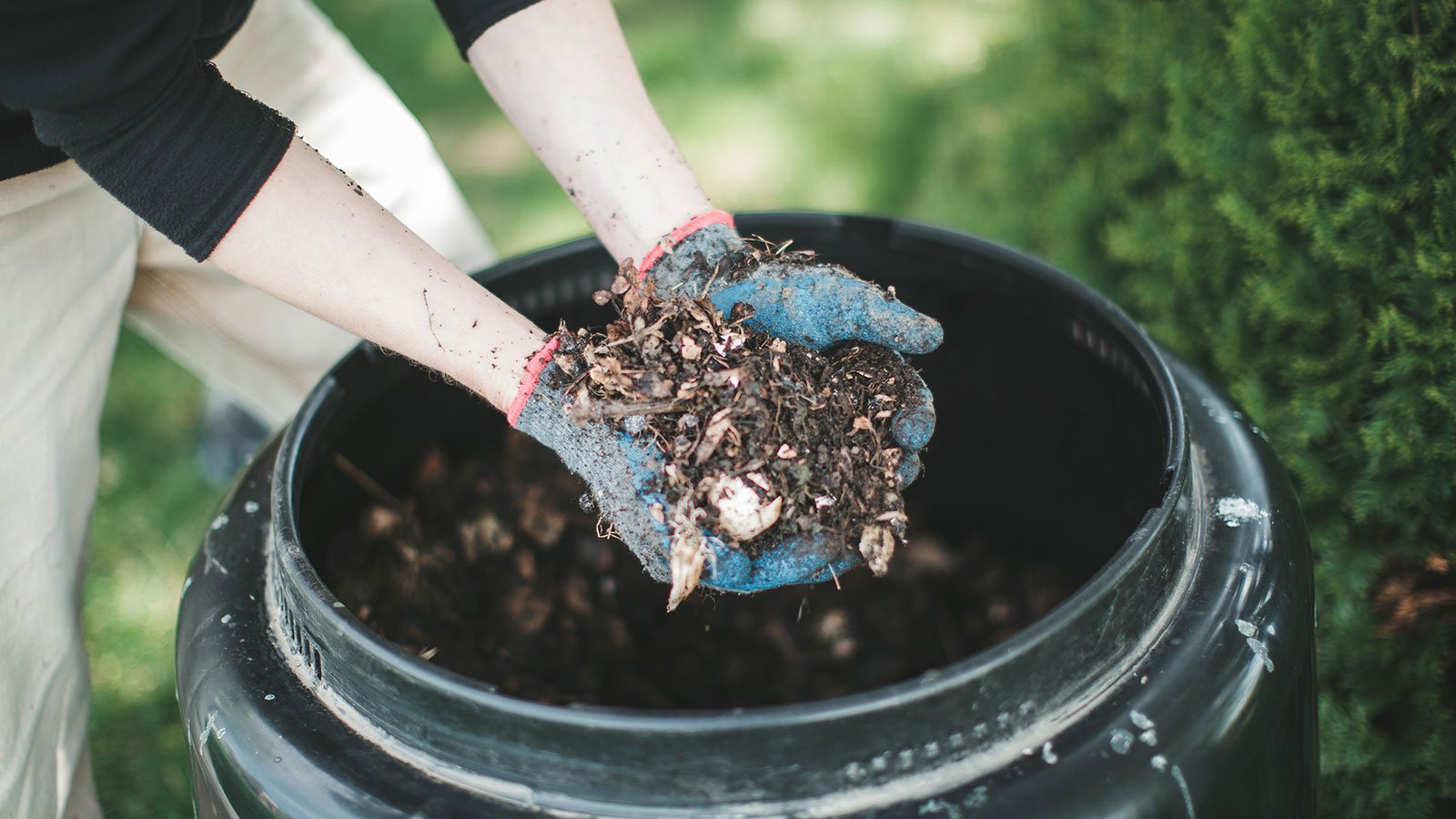
6 Proven Organic Home Gardening Compost Ideas
In the bustling lanes of Karachi, where apartments stack high and balconies are often the only patch of outdoor space, composting might seem like a luxury for those with sprawling gardens. But after years of tossing vegetable peels and tea leaves straight into the bin, I started experimenting with small-scale organic composting right on my narrow balcony. The heat here is relentless, humidity swings wildly during monsoons, and space is at a premium—yet turning kitchen waste into rich, dark humus became one of the smartest things I’ve done for my potted plants and wallet.
Organic home composting means relying on natural decomposition—no synthetic accelerators, no chemicals—just kitchen scraps, yard trimmings, and time. In small spaces like ours, the key is choosing methods that stay contained, control odors, handle our tropical climate, and produce usable compost without needing acres. These six ideas have proven reliable for me and neighbors who’ve tried them. They’re low-cost, mostly DIY, and forgiving for beginners. Each one suits apartments, rooftops, or tiny ledges, and focuses purely on organic materials.
The first approach relies on bokashi fermentation, a Japanese-inspired method that’s perfect for humid, hot climates where traditional piles turn smelly fast.
Bokashi uses effective microorganisms (EM)—a mix of lactic acid bacteria, yeast, and phototrophic bacteria—bran to ferment waste anaerobically in a sealed bucket. Unlike aerobic composting, it doesn’t need turning or much air, so no foul odors escape if done right. You can toss in everything organic: vegetable peels, fruit scraps, cooked leftovers, even small amounts of meat or dairy (though I stick to plant-based to keep things simple). In Karachi apartments, this is a lifesaver because the process happens indoors or on a shaded balcony corner without attracting flies.
Start with a tight-sealing plastic bucket—old paint buckets or food-grade ones from the market work fine, around 10-20 liters. Drill small holes in the lid for gas release if needed, but many use airtight ones. Layer kitchen scraps with a handful of bokashi bran (available online or from local organic shops, or make your own with rice wash and EM culture). Press down firmly to remove air pockets—anaerobic is the goal. Add more layers daily until full. Seal and let it ferment 2-4 weeks. The waste turns pickled, sour-smelling but not rotten. Then bury it in soil or add to a regular pile to finish breaking down.
In our steamy weather, fermentation happens quicker—often 10-14 days in summer. The liquid leachate that collects at the bottom is a potent fertilizer; dilute it 1:100 with water for plants. One downside: the fermented material needs secondary composting to become true humus, but even half-done, it boosts soil microbes. A neighbor in Clifton used two buckets rotating; she feeds her balcony herbs and never buys liquid fertilizer anymore. Cost is low—bran lasts months—and it’s odor-free if sealed properly. Avoid overfilling or opening frequently to prevent smells.
The second idea centers on vermicomposting with red wigglers, a worm-based system that’s compact and thrives indoors or on balconies.
Worms eat kitchen scraps and produce castings—black gold for plants. Red wigglers (Eisenia fetida) are the stars; they’re efficient, stay in the bin, and handle our temperatures if shaded. This method suits small spaces perfectly—a plastic bin or wooden crate the size of a large suitcase fits under a sink or balcony corner.
Build or buy a simple worm bin. Drill ventilation holes in the lid and drainage holes in the bottom; place it over a tray to catch leachate. Start with shredded newspaper or coconut coir as bedding—moist like a wrung-out sponge. Add worms (start with 500-1000; buy from local nurseries or online). Feed small amounts: vegetable peels, coffee grounds, tea bags, crushed eggshells—no citrus, onion, or meat to avoid acidity or pests. Bury scraps under bedding to prevent flies.
In Karachi’s heat, keep the bin shaded and moist but not soggy—add water if dry, fluff if too wet. Worms slow down above 35°C, so mist during heatwaves. Harvest castings every 2-3 months by pushing finished material to one side and adding fresh bedding/food to the other—worms migrate. The result is fine, nutrient-rich compost ideal for pots.
My first attempt failed when I overfed and drowned them—lesson learned: start slow. Now my bin produces enough for all balcony plants monthly. It’s quiet, low-maintenance, and educational—kids love watching worms work. Leachate diluted makes great plant food. Avoid overfeeding or extreme temperatures; ventilate to prevent anaerobic smells.
The third proven way is hot composting in a small tumbler or insulated bin, adapted for limited space.
Hot composting speeds decomposition with heat from microbial activity—kills weeds/seeds, breaks down faster. In tropical climates, it works well if managed. For apartments, use a compact tumbler (barrel on frame) or DIY insulated bin from foam coolers or stacked buckets.
Layer greens (kitchen scraps, fresh grass) and browns (dry leaves, cardboard, sawdust) in roughly 1:2 or 1:3 ratio for carbon-nitrogen balance. Aim for a pile that’s moist like a sponge. Turn weekly to aerate—tumblers make this easy. In our humidity, add extra browns to prevent sogginess; monitor temperature (aim 55-65°C internal).
A friend uses a dual-chamber tumbler on his rooftop—fills one while the other cooks. Finished in 4-8 weeks. It handles heat better than open piles; insulation retains warmth at night. Common mistake: too wet—add shredded paper. Or too dry—water lightly. Result is rich, weed-free compost quickly.
The fourth idea uses trench or direct burial composting, simple for those with even a tiny soil patch or large pots.
Dig shallow trenches in garden beds or large containers, bury scraps directly, cover with soil. Microbes and worms break it down in place—no bin needed. In apartments, use deep pots or balcony beds.
Chop scraps small, bury 15-20 cm deep, mix with soil. In hot climates, it decomposes fast—weeks instead of months. No turning, low odor if buried deep. Great for ongoing kitchen waste.
In my setup, I bury peels in herb pots—plants grow vigorously from nutrients. Avoid meat/dairy to prevent pests. Simple, zero-cost, effective in humid areas where surface piles rot.
The fifth approach is cold or passive pile composting in a contained small bin.
Cold composting is slower—no turning, just layer greens/browns and wait. Use a plastic bin or wooden crate with holes. Add waste gradually, cover with browns. In tropics, it works but slower due to moisture.
Apartment-friendly: small bins on balconies. Takes 6-12 months but low effort. Good for leaves, paper, small scraps. Turn occasionally if smells arise. Produces usable compost eventually.
The sixth method combines systems—use bokashi or vermi to pre-process, then add to small hot or cold pile for finishing.
Many in small spaces do this: ferment with bokashi, then bury or add to worm bin. Maximizes efficiency, handles more waste types.
These six—bokashi fermentation, vermicomposting, small hot tumbler, trench burial, cold passive bin, and hybrid systems—prove organic composting works in tight, hot spaces like Karachi apartments. Start small, observe (adjust for monsoon wetness or summer dryness), use local materials (coconut coir, newspaper). Compost reduces waste, enriches soil, saves money on fertilizers. My balcony plants are lusher, and guilt from tossing scraps is gone. Try one method; tweak as needed. Organic home composting is rewarding, sustainable, and doable anywhere with patience and simple steps.