
9 Proven Home Gardening Plant Growth Boosters
In the sweltering heat of Karachi summers, where dust clings to everything and water comes in fits and starts, getting plants to push out new leaves, bloom reliably, or produce decent veggies on a tiny balcony or windowsill feels like a small victory every time. I’ve been at this for years now—starting with a couple of sad pothos cuttings that barely survived the move to my current flat, and gradually building a collection of herbs, chilies, tomatoes in grow bags, and a few tough ornamentals that somehow forgive my inconsistent care.
The secret isn’t expensive store-bought boosters or miracle sprays. It’s using simple, organic things most of us already have around the kitchen, yard, or trash bin to give roots the nudge they need. These nine boosters have proven themselves in my setup and in conversations with neighbors who garden in similar cramped, hot, humid conditions. They’re cheap (often free), natural, and forgiving—apply them wrong and the worst that happens is slower results, not plant death.
Banana peel potassium soak for stronger stems and better fruiting
Banana peels are loaded with potassium, which plants crave for building strong cell walls, moving water and nutrients efficiently, and setting flowers into fruit. In our climate, where heat stresses everything, potassium helps tomatoes and chilies hold onto moisture longer and resist cracking.
Collect peels from 3-4 bananas (eat the fruit first—win-win). Chop them roughly and stuff into a jar or bottle. Cover with water—rainwater if you collect it, or plain tap left to sit overnight to off-gas chlorine. Let it steep 3-7 days in a shaded spot; it’ll get a bit funky but not rotten. Strain out the solids (add them to compost or bury directly), dilute the liquid 1:5 with water, and use as a soil drench every 2-3 weeks during growing season.
I started doing this for my balcony cherry tomatoes last monsoon—plants that used to drop fruit early suddenly held clusters longer, and the fruits tasted sweeter. Works great on roses too; blooms last longer without dropping petals prematurely. Avoid using undiluted—too strong and it can burn roots. For indoor pots, use half-strength to prevent salt buildup.
Coffee grounds for slow nitrogen release and slight acidity
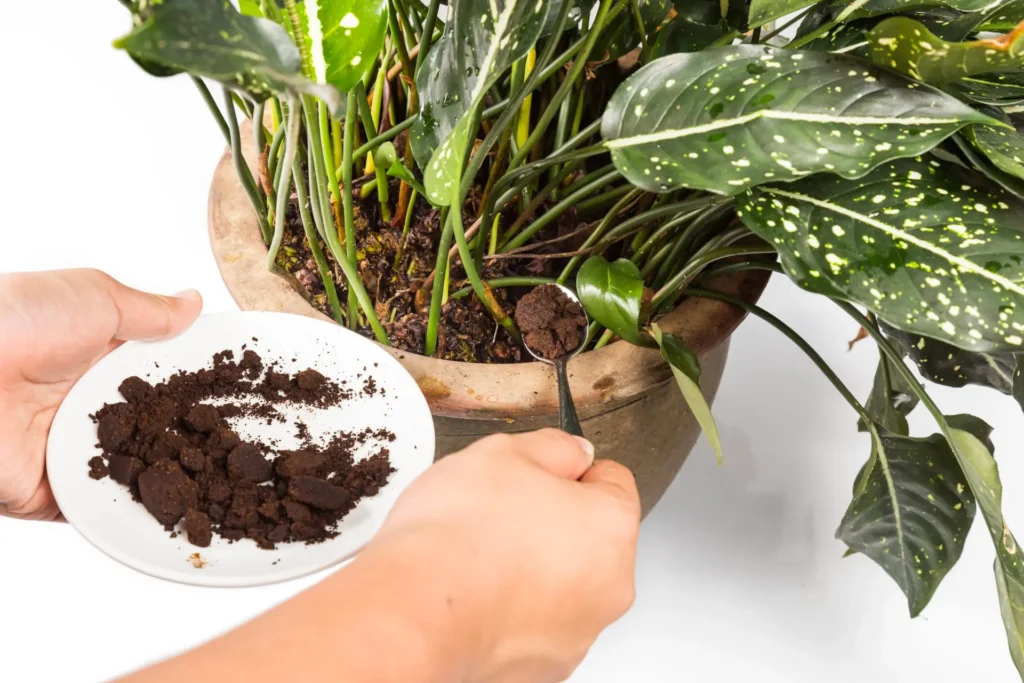
Used coffee grounds provide a gentle, slow-release nitrogen source—ideal for leafy growth in herbs, spinach, or leafy greens. They also improve soil structure, attract earthworms (even in pots), and slightly acidify the mix, which suits acid-loving plants like azaleas if you have them.
Save grounds from your morning brew (or ask a nearby cafe—they often give bags away). Dry them out on a tray to prevent mold, then sprinkle a thin layer on soil surface or mix into top inch when repotting. For liquid boost, steep a cup of grounds in a liter of water overnight, strain, dilute 1:3, and water monthly.
In my kitchen herb corner (basil, mint, coriander), a light top-dressing every couple of months keeps leaves lush and green without legginess. Avoid piling thickly—can compact and block air. Not for all plants; alkaline-lovers like lavender or succulents skip this one.
Eggshell calcium crunch to prevent blossom end rot
Crushed eggshells deliver calcium slowly, crucial for preventing blossom end rot in tomatoes, peppers, and zucchini—common in our hot, inconsistent watering. Calcium strengthens cell walls and helps fruit develop properly.
Rinse shells, bake at low heat (150°C) for 10 minutes to sterilize and make crushing easier, then smash into small pieces or powder in a blender. Mix into soil at planting or scratch into top layer around established plants. For quick uptake, make eggshell tea: boil crushed shells in water 10-15 minutes, cool, strain, dilute, and use as foliar spray or drench.
My chili plants used to get black sunken spots on fruit tips every summer—started adding powdered shells to pots two seasons ago, and the issue vanished. Bonus: deters slugs/snails when scattered around bases. Takes time to break down, so combine with faster boosters.
Compost tea brew for microbial life and balanced feeding
Compost tea is like a probiotic shot for soil—introduces beneficial microbes, fungi, and mild nutrients that boost root health and overall vigor. In Karachi’s often nutrient-poor potting mixes, this wakes up the soil food web.
Use finished compost (your own or bought vermicompost). Fill a bucket halfway with compost, top with water (non-chlorinated), stir well, let steep 24-48 hours (aerate with an aquarium pump if possible for better oxygen). Strain through cloth, dilute 1:10, and apply as soil drench or light foliar spray every 2-4 weeks.
I brew a batch monthly for balcony veggies—growth speeds up noticeably, leaves greener, fewer pest issues. Avoid anaerobic stink by not letting it sit too long without stirring. Great for reviving tired indoor plants too.
Epsom salt magnesium soak for yellowing leaves and chlorophyll boost
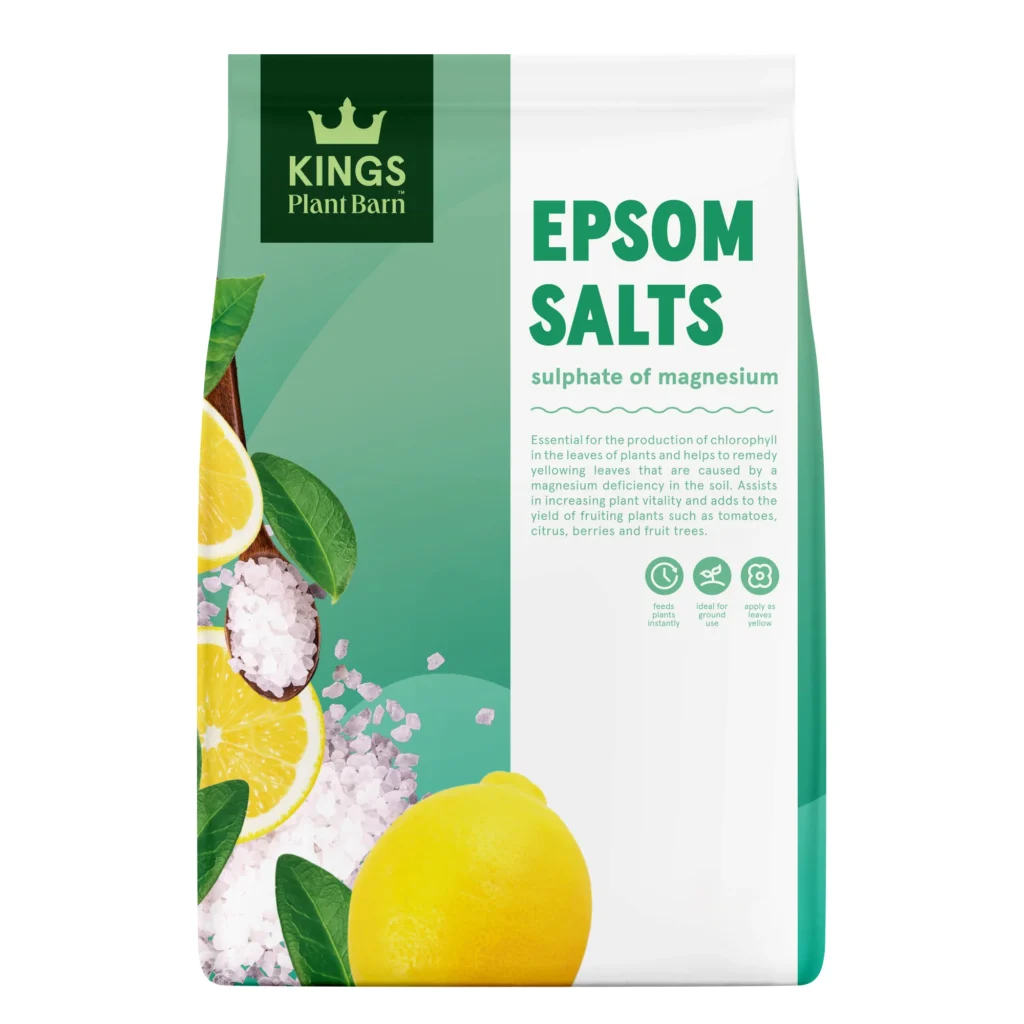
Magnesium is central to chlorophyll—deficiency shows as interveinal yellowing on older leaves. Epsom salt (magnesium sulfate) provides quick, available magnesium without messing pH much.
Dissolve 1 tablespoon in a liter of water. Use as foliar spray (mist leaves) or soil drench every 4-6 weeks during growth. Best for tomatoes, peppers, roses—common magnesium hogs.
A neighbor’s indoor monstera had pale leaves despite good light; monthly Epsom sprays greened it up fast. Don’t overuse—excess builds up salts. Test on one plant first.
Seaweed or kelp extract dilution for trace minerals and hormones
If you can get dried seaweed (from coastal markets or online), it’s packed with trace elements, natural growth hormones (auxins, cytokinins), and alginates that improve root development and stress resistance.
Soak a handful in water 24 hours (or boil briefly), strain, dilute heavily (1:20 or more), and use as drench or spray. Commercial liquid seaweed works too—follow bottle rates.
In summer heat stress, this helps plants bounce back faster—my basil recovered from wilting quicker after a seaweed feed. Stimulates flowering in ornamentals.
Banana peel and eggshell buried mix for potassium-calcium combo
Bury chopped banana peels and crushed eggshells directly around plant bases or mix into soil. Peels release potassium as they break down; shells add calcium gradually.
Dig small holes near roots, add mix, cover. Do monthly. Great for fruiting plants—my okra pods got plumper after starting this.
Neem cake or oil residue for pest resistance and mild feeding
After using neem oil spray, leftover cake (solid residue) is a slow-release organic fertilizer high in nitrogen and micronutrients, plus natural pest repellents.
Mix a spoonful into topsoil or make weak tea. Keeps bugs away while feeding.
My indoor collection gets occasional neem cake scratches—fewer spider mites, steadier growth.
Mulch with dry leaves or grass clippings for moisture retention and slow nutrients
A thin layer of dried leaves, grass clippings, or shredded newspaper on soil surface conserves water (vital here), moderates temperature, and decomposes into humus.
Apply 2-3 cm thick, refresh as needed. Suppresses weeds in pots, feeds soil life.
In my setup, this cut watering frequency by half in summer—plants stayed happier.
These nine—banana soak, coffee grounds, eggshell calcium, compost tea, Epsom magnesium, seaweed traces, peel-shell bury, neem cake, and mulch—turn average pots into thriving ones. Start with 2-3 that match your plants’ needs, apply consistently but lightly, observe changes over weeks. In Karachi’s tough conditions, patience pays—plants respond slowly but steadily. No chemicals, low cost, big rewards. Your green corner will thank you.