
9 Simple Indoor Home Gardening Success Rules
Living in a Karachi apartment, where balconies are narrow, windows face dusty streets, and AC blasts dry the air, indoor gardening started as a small rebellion against concrete walls. A few pots on the sill turned into a collection that now spills onto shelves and hanging holders. The plants don’t just look nice—they clean the air a bit, cut down on stress after long commutes, and give a sense of control in a chaotic city. But success here isn’t automatic. Humidity swings from monsoon soak to winter dryness, light is patchy, pests sneak in through open windows, and overwatering is easy when pots sit in saucers.
After killing my share of plants (sorry, first peace lily), patterns emerged. These nine rules aren’t fancy theories from glossy magazines—they’re hard-won from trial, error, and chats with neighbors who also battle the same conditions. Follow them, and your indoor green space thrives without constant drama.
Rule 1: Match plants to your actual light, not what you wish you had
Light is the make-or-break factor indoors, especially in apartments where direct sun might hit only one or two windows for a few hours. Karachi’s intense sunlight bounces off buildings, creating hot spots and deep shadows. Many beginners buy trendy plants like fiddle leaf figs that crave bright indirect light, then stick them in dim corners and wonder why leaves drop.
Start by observing your space for a full day. Note which windows get morning sun (gentler, east-facing ideal), afternoon glare (west can scorch), or mostly indirect (north or obstructed south). Use a phone light meter app if you want precision—aim for 200-500 foot-candles for most houseplants.
Choose accordingly. Snake plant, ZZ plant, pothos, and money plant handle low to medium light well and tolerate our heat. Aloe vera and jade love brighter spots near windows. Peace lily and Chinese evergreen do fine with filtered light but droop dramatically when too dry. Avoid high-light divas like monstera unless you have a sunny balcony spillover or supplement with grow lights.
In my place, the living room corner gets only scattered morning light through curtains—snake plants and pothos thrive there while a desperate attempt at a rubber plant yellowed and quit. Test one plant first; if it holds steady for a month, add more of the same type. Light mismatch causes more failures than anything else.
Rule 2: Water based on soil feel, not a calendar schedule
Overwatering tops the list of indoor plant killers in humid-tropical setups like ours. In monsoon season, pots stay damp longer; in dry winter with heaters or AC running, soil dries faster than expected. Watering every Sunday regardless of conditions leads to root rot—yellow leaves, mushy stems, fungus gnats.
The simple fix: stick your finger in the top 2-3 inches of soil. If it’s dry, water thoroughly until it drains out the bottom. If still moist, wait. For succulents and cacti, let it dry completely; for tropicals like philodendron or peace lily, keep slightly moist but never soggy.
Use room-temperature water—cold shocks roots. Bottom watering (set pot in a saucer of water for 20-30 minutes) helps avoid crown rot in dense foliage plants. Empty saucers after to prevent standing water.
In summer heat, check daily; in cooler months, every 5-7 days might suffice. My monstera used to get weekly drenchings and suffered yellow lower leaves—switched to finger test and it’s happier, new growth steady. Drainage holes are non-negotiable; pots without them turn into swampy graves.
Rule 3: Use well-draining soil and pots that breathe
Garden soil from outside compacts, holds too much water, and invites pests indoors. Apartment plants need a lightweight, airy mix that drains fast and lets roots breathe.
A basic recipe that works here: equal parts potting soil, coco peat or peat moss, and perlite or coarse sand. Coco peat retains some moisture without sogginess—perfect for our humidity swings. Add a handful of vermicompost or organic matter for nutrients.
Terracotta pots are ideal—they wick excess moisture and prevent overwatering. Plastic works if you monitor closely, but avoid glazed ceramics without drainage. Always repot new plants into fresh mix; nursery soil is often too dense.
When repotting, go only one size up—too big a pot holds excess wet soil and rots roots. My snake plants stayed in the same nursery pots too long and developed mushy bases—repotted into terracotta with perlite mix, they perked up fast. Refresh topsoil yearly even if not repotting to prevent nutrient lockup.
Rule 4: Boost humidity without constant misting
Karachi winters drop humidity indoors to 30-40% with AC or fans running, causing brown tips on tropical plants. Monsoon humidity spikes can encourage fungal issues if airflow is poor.
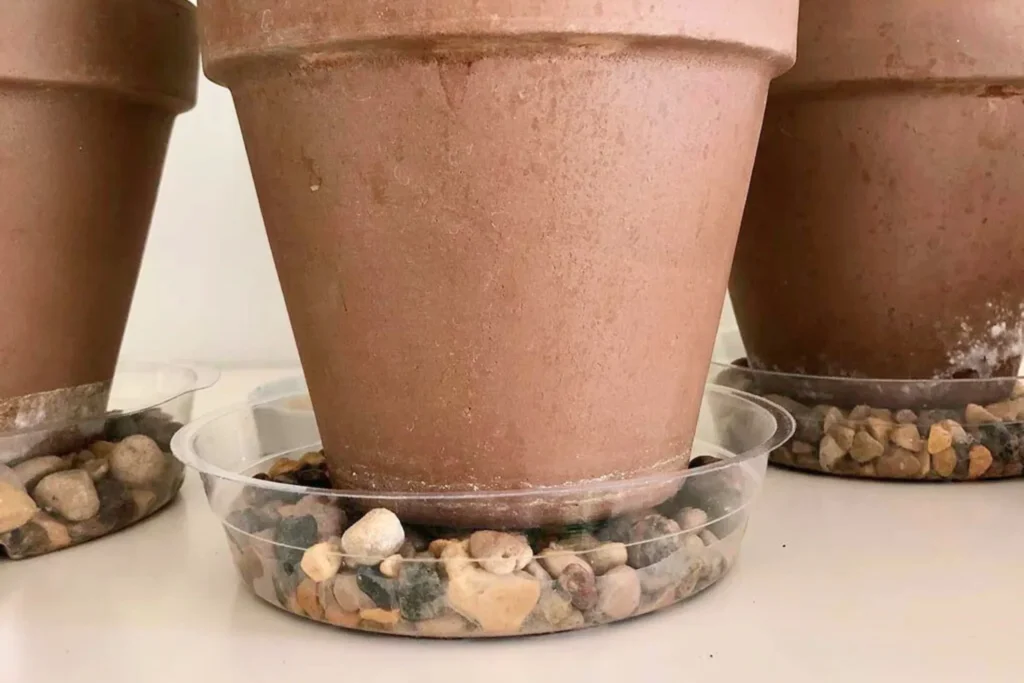
Misting helps short-term but evaporates fast and risks leaf spots if water sits overnight. Better solutions: group plants together to create a microclimate—transpiration from leaves raises local humidity. Place pebble trays filled with water under pots (pot sits on pebbles, not in water) for gradual evaporation.
Bathrooms or kitchens with steam from showers/cooking suit humidity lovers like ferns or peace lilies. A small humidifier on low during dry spells makes a big difference for collections.
In my setup, pothos and philodendrons cluster on a shelf near the kitchen—humidity stays higher there naturally. Avoid direct AC blasts; they dry leaves quickly. Spider plants and Boston ferns tolerate lower humidity better if others struggle.
Rule 5: Fertilize lightly and seasonally
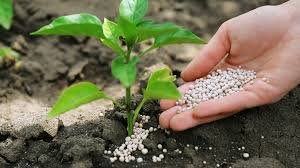
Indoor plants grow slower than outdoor ones, so they need less food, but nutrient-poor potting mix depletes fast. Over-fertilizing burns roots, especially in heat.
Use a balanced liquid fertilizer (like 10-10-10 or organic seaweed extract) at half strength every 4-6 weeks during active growth (spring through monsoon). Skip or reduce in winter when growth slows. Always water first, then fertilize—dry soil + fertilizer = root scorch.
Organic options like diluted compost tea or worm castings work well and build soil health slowly. Avoid heavy chemical feeds in small pots; salts build up and harm roots.
My peace lily bloomed poorly until I started monthly half-strength feeding in growing season—now flowers regularly. Flush soil with plain water every few months to leach excess salts.
Rule 6: Clean leaves and inspect regularly for pests
Dust accumulates fast in urban air—blocks light and photosynthesis, invites spider mites. Wipe leaves gently with a damp cloth every couple of weeks; larger leaves benefit from a lukewarm shower in the tub (cover soil with plastic).
Check undersides of leaves weekly for pests—spider mites (fine webs, stippling), mealybugs (white cottony spots), scale (brown bumps). Neem oil spray or insecticidal soap handles most issues naturally. Quarantine new plants for 2 weeks to catch hitchhikers.
In humid periods, fungus gnats appear from overwatering—let soil dry more, use sticky traps. Regular inspection catches problems early—my ZZ plant got scale once; wiped with alcohol and neem, recovered fully.
Rule 7: Rotate pots and prune for shape
Plants lean toward light sources, growing lopsided. Rotate a quarter turn weekly for even growth. Prune leggy stems to encourage bushiness—cut above a node, use clean scissors.
Remove yellow or dead leaves promptly to prevent disease spread. Propagation from cuttings (pothos, money plant in water) gives free new plants.
My pothos was one-sided until I started rotating—now fuller and healthier.
Rule 8: Choose forgiving starter plants and expand slowly
Begin with tough ones: snake plant, ZZ, pothos, money plant, aloe vera. They forgive neglect, handle low light, and tolerate our climate. Master 3-4 before adding fussier ones like calathea or ferns.
Observe how they respond in your specific spot—microclimates vary even within one room.
Rule 9: Be patient and consistent over perfection
Indoor gardening rewards steady habits—check plants every few days, adjust as seasons change. Plants take time to settle; new ones often drop leaves initially (shock).
Celebrate small wins: new leaf, stronger growth. In Karachi apartments, a few thriving greens make a big difference to mood and air quality.
These rules—light matching, soil/water basics, humidity tricks, light feeding, cleaning/inspection, rotation/pruning, forgiving starters, patience—turned my sparse windowsill into a living space. Start small, learn your apartment’s quirks, and enjoy the process. A little green indoors goes far in a busy city life.