
10 Easy Home Gardening Ideas That Actually Work
Home gardening has quietly become one of the most rewarding ways to spend time, reduce stress, and bring a bit of nature closer to everyday life. Whether you live in a small apartment or have a spacious backyard, growing plants at home is far more achievable than most people think.
But here’s the truth: not all gardening advice works in real life. Many ideas sound great on paper but fail when faced with limited space, inconsistent routines, or unpredictable weather. That’s why this guide focuses on simple, practical, and proven gardening ideas—the kind that actually work for beginners and busy people alike.
This article goes beyond theory. You’ll find actionable ideas, useful tables, and realistic insights based on what tends to succeed in real home environments.
Why Home Gardening Matters More Than Ever
Before diving into the ideas, it’s worth understanding why home gardening has gained so much attention.
- It improves mental well-being
- Provides access to fresh, chemical-free produce
- Reduces grocery costs over time
- Creates a calming daily routine
- Helps reconnect with nature in urban environments
Even a few plants can make a noticeable difference in your living space and mindset.
1. Start with Container Gardening
If you’re new to gardening, don’t start big. Start smart.
Container gardening is one of the easiest ways to grow plants without worrying about soil quality or space. You can use pots, buckets, old containers, or even recycled bottles.
Why it works:
- Full control over soil and drainage
- Easy to move plants based on sunlight
- Ideal for balconies and small spaces
Best Plants for Containers
| Plant Type | Difficulty Level | Sunlight Needed | Growth Time |
|---|---|---|---|
| Mint | Easy | Partial Sun | Fast |
| Tomatoes | Medium | Full Sun | Moderate |
| Spinach | Easy | Partial Sun | Fast |
| Chili Peppers | Medium | Full Sun | Moderate |
2. Grow Herbs in Your Kitchen
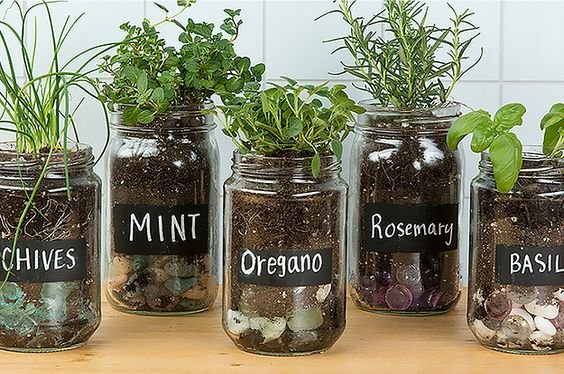
Herbs are one of the easiest and most rewarding plants to grow indoors. They don’t require much space and can thrive near windows.
Popular Choices:
- Basil
- Mint
- Coriander
- Parsley
Simple Setup:
- Small pots
- Well-draining soil
- A sunny windowsill
Benefits:
You save money and always have fresh flavor available while cooking.
3. Use Vertical Gardening for Small Spaces
Running out of space? Grow upwards.
Vertical gardening allows you to use walls, racks, or hanging systems to grow plants.
Ideas:
- Hanging baskets
- Wall-mounted planters
- Wooden shelves
Advantages:
| Feature | Benefit |
| Space Efficiency | Ideal for apartments |
| Aesthetic Appeal | Enhances home décor |
| Better Airflow | Reduces plant diseases |
4. Compost Your Kitchen Waste
One of the most underrated gardening habits is composting.
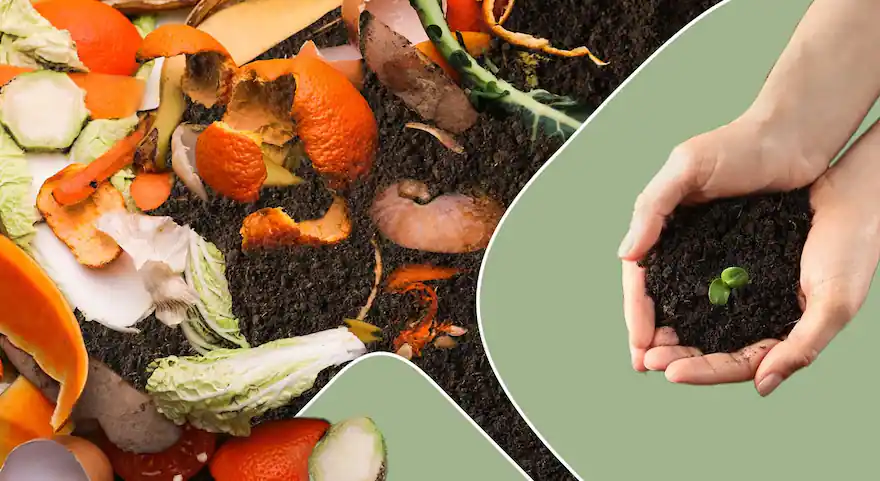
Instead of throwing away vegetable peels and food scraps, you can turn them into nutrient-rich compost.
What You Can Compost:
- Fruit peels
- Vegetable scraps
- Coffee grounds
- Eggshells
What to Avoid:
- Meat
- Dairy
- Oily foods
Composting Timeline
| Stage | Duration | Description |
| Collection | Daily | Gather kitchen waste |
| Decomposition | 2–4 weeks | Breakdown begins |
| Ready Compost | 4–8 weeks | Dark, soil-like texture |
5. Choose Low-Maintenance Plants
Not everyone has time to water plants daily or monitor them closely. That’s okay.
Choose plants that are naturally resilient.
Recommended Low-Maintenance Plants:
- Snake plant
- Aloe vera
- Succulents
- Pothos
Why they work:
- Require less watering
- Tolerate low light
- Survive occasional neglect
6. Understand Sunlight Basics
Many gardening failures happen because of incorrect sunlight exposure.
Types of Sunlight:
| Type | Hours per Day | Suitable Plants |
| Full Sun | 6–8 hours | Tomatoes, peppers |
| Partial Sun | 3–6 hours | Herbs, spinach |
| Shade | <3 hours | Ferns, indoor plants |
Tip:
Observe your space for a few days before placing plants. Sunlight patterns change throughout the day.
7. Water Smart, Not More
Overwatering is one of the most common mistakes beginners make.
Signs of Overwatering:
- Yellow leaves
- Mushy soil
- Root rot
Smart Watering Tips:
- Water early morning or evening
- Check soil moisture before watering
- Use pots with drainage holes
Watering Guide
| Plant Type | Frequency |
| Succulents | Once a week |
| Herbs | 2–3 times/week |
| Vegetables | Daily (light) |
8. Reuse and Recycle for Gardening
You don’t need expensive tools to start gardening.
Creative Reuse Ideas:
- Plastic bottles → planters
- Old buckets → pots
- Egg cartons → seed starters
Benefits:
- Saves money
- Reduces waste
- Encourages creativity
9. Start with Seasonal Plants
Growing plants that match your local climate dramatically increases success rates.
Example Seasonal Guide:
| Season | Ideal Plants |
| Summer | Okra, cucumbers |
| Winter | Spinach, carrots |
| Spring | Tomatoes, herbs |
| Autumn | Lettuce, peas |
Why this works:
Plants naturally thrive when grown in their preferred season, requiring less effort.
10. Be Consistent, Not Perfect
The biggest secret to successful gardening isn’t skill—it’s consistency.
You don’t need to do everything perfectly. Just show up regularly.
Simple Routine:
- Check plants daily
- Water when needed
- Remove dead leaves
- Observe growth
Growth Tracking Chart
| Week | Plant Height | Leaf Count | Notes |
| 1 | 2 cm | 2 | Healthy start |
| 2 | 5 cm | 4 | Rapid growth |
| 3 | 8 cm | 6 | Needs more sunlight |
Keeping a small record helps you understand what works best.
Common Mistakes to Avoid
Even with simple ideas, mistakes can slow progress.
- Overwatering plants
- Ignoring sunlight requirements
- Using poor-quality soil
- Planting too many varieties at once
- Giving up too early
Gardening is a process. Mistakes are part of learning.
Final Thoughts
Home gardening doesn’t have to be complicated or time-consuming. The most effective approach is to start small, stay consistent, and focus on what works in your specific environment.
These 10 ideas aren’t just theories—they’re practical strategies that real people use successfully every day. Whether you’re growing herbs on a windowsill or vegetables on a balcony, each small step brings you closer to a greener, healthier lifestyle.
Frequently Asked Questions (FAQs)
1. How much time does home gardening require daily?
Most small home gardens need only 10–20 minutes per day for watering, checking plants, and basic maintenance.
2. What is the easiest plant to grow for beginners?
Herbs like mint and basil are among the easiest, as they grow quickly and require minimal care.
3. Can I garden without direct sunlight?
Yes, many plants grow well in partial sunlight or shade, especially indoor plants like pothos and ferns.
4. How do I know if I am overwatering my plants?
Look for yellow leaves, soggy soil, or a foul smell. These are signs that your plant is receiving too much water.
5. Is composting necessary for home gardening?
Not necessary, but highly beneficial. Compost improves soil quality and reduces the need for chemical fertilizers.
6. What should I do if my plant stops growing?
Check three things: sunlight, watering, and soil quality. Usually, adjusting one of these solves the issue.
By applying these simple, realistic ideas, anyone can turn even the smallest space into a thriving home garden.