
10 Proven Home Gardening Tips for Beginners
Introduction
Starting a home garden often begins with excitement. You picture fresh herbs within reach, vibrant flowers brightening your space, and maybe even a few vegetables growing steadily in containers. But for many beginners, that excitement can quickly turn into confusion. Leaves start turning yellow, plants stop growing, or worse, they don’t survive at all.
The truth is, gardening isn’t difficult—it just requires understanding a few fundamental principles. Most beginners struggle not because they lack effort, but because they miss small, essential details that experienced gardeners follow instinctively.
This guide focuses on ten proven home gardening tips that simplify the process and help you avoid common mistakes. These tips are practical, realistic, and based on how plants actually behave in everyday home environments. Along the way, you’ll also find structured tables, charts, and comparisons that make the information easier to apply.
tip 1: start small and manageable
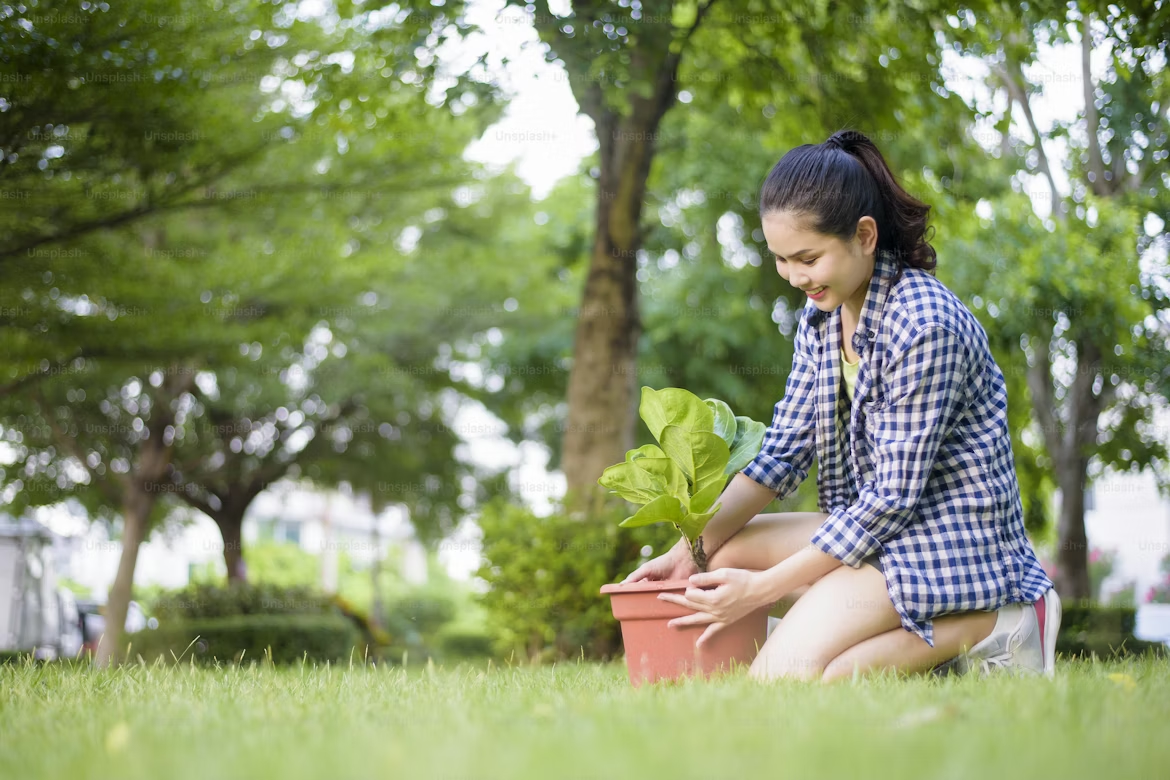
One of the most common mistakes beginners make is trying to grow too many plants at once. While enthusiasm is great, managing a large number of plants without experience can quickly become overwhelming.
why starting small works
| Factor | Small Setup | Large Setup |
|---|---|---|
| Maintenance | Easy | Difficult |
| Learning curve | Faster | Slower |
| Cost | Low | High |
| Success rate | Higher | Lower |
practical advice
Start with 2–4 plants. Learn their needs, observe their growth, and expand gradually.
tip 2: understand your soil
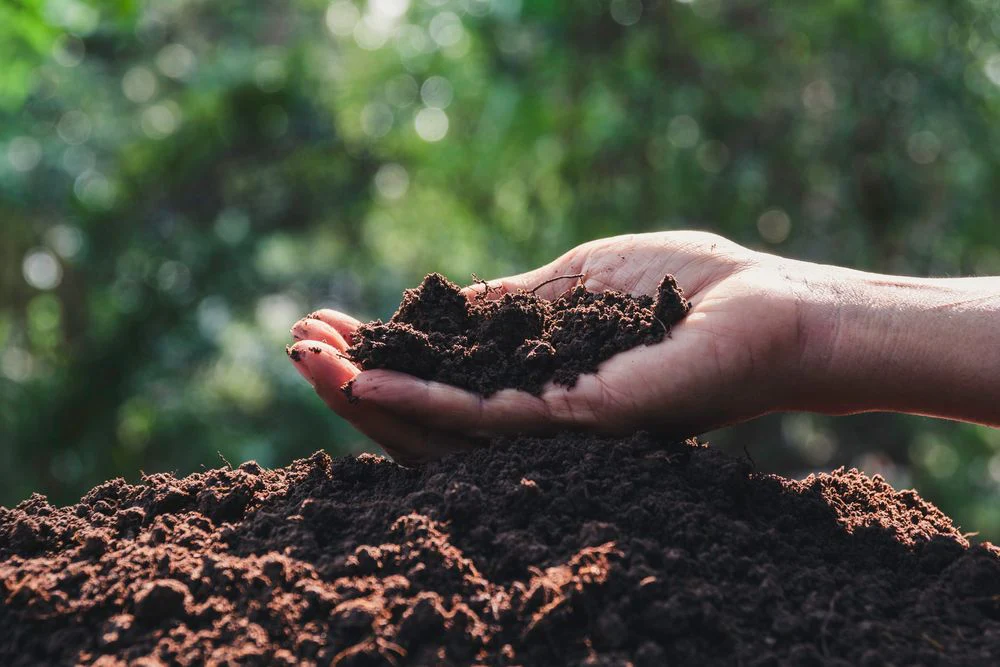
Soil is more than just a growing medium—it provides nutrients, supports roots, and affects water retention.
types of soil
| Soil Type | Water Retention | Drainage | Best Use |
| Sandy | Low | High | Root crops |
| Clay | High | Poor | Shrubs |
| Loamy | Balanced | Balanced | Most plants |
simple soil improvement
- add compost
- mix organic matter
- avoid compacted soil
tip 3: water correctly, not excessively
Overwatering is one of the leading causes of plant failure.
watering guide
| Plant Type | Frequency |
| Succulents | Once a week |
| Herbs | 2–3 times/week |
| Vegetables | Daily/light |
how to check
Insert your finger into the soil:
- dry → water
- moist → wait
tip 4: choose the right plants
Not all plants are suitable for beginners. Choosing easy-to-grow plants increases your chances of success.
beginner-friendly plants
| Plant Type | Difficulty | Care Level |
| Mint | Very easy | Low |
| Pothos | Very easy | Low |
| Aloe vera | Very easy | Very low |
| Basil | Easy | Moderate |
tip 5: ensure proper sunlight
Light is essential for plant growth, and different plants require different amounts.
sunlight requirements
| Light Level | Suitable Plants |
| Low light | Snake plant, pothos |
| Medium light | Mint, spinach |
| Full sun | Basil, tomatoes |
observation tip
Track sunlight in your space throughout the day before placing plants.
tip 6: use containers wisely
Container gardening is ideal for beginners, especially in small homes.
container selection guide
| Container Type | Benefit |
| Plastic pots | Lightweight |
| Clay pots | Good drainage |
| Recycled items | Cost-effective |
important rule
Always ensure drainage holes are present.
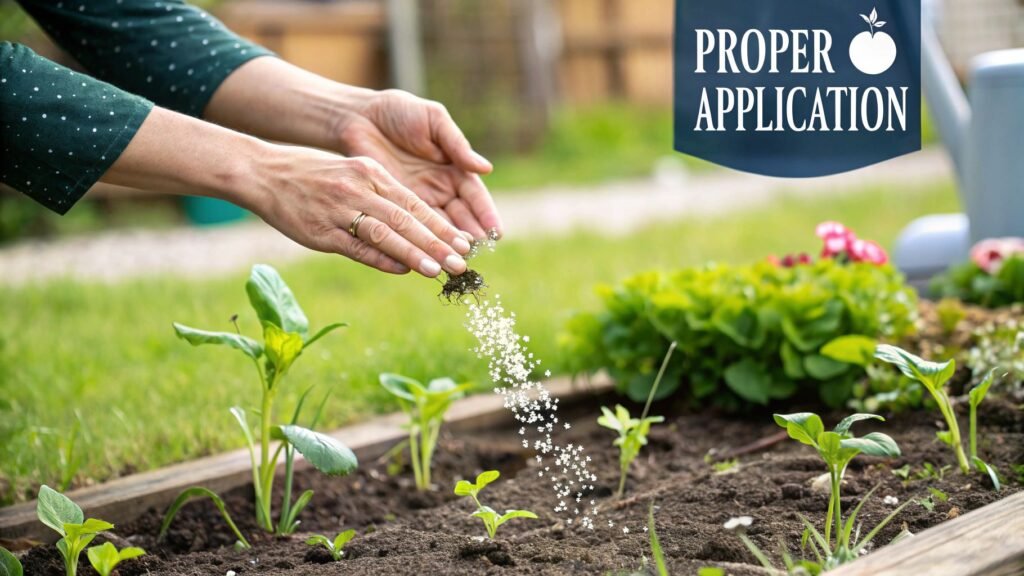
tip 7: feed your plants regularly
Plants need nutrients to grow, especially in containers where soil nutrients deplete quickly.
natural fertilizer options
| Material | Nutrient |
| Banana peel | Potassium |
| Eggshells | Calcium |
| Coffee grounds | Nitrogen |
benefits
- improves soil quality
- promotes healthy growth
- reduces waste
tip 8: observe your plants daily
Plants communicate through their appearance.
common signs
| Symptom | Meaning |
| Yellow leaves | Overwatering |
| Brown tips | Dry air |
| Wilting | Water stress |
simple routine
Spend a few minutes daily checking:
- leaf color
- soil moisture
- growth changes
tip 9: avoid overcrowding
Plants need space for roots and airflow.
spacing guide
| Plant Type | Recommended Space |
| Herbs | 4–6 inches |
| Vegetables | 8–12 inches |
| Flowers | 6–10 inches |
why it matters
- prevents disease
- improves growth
- ensures proper air circulation
tip 10: be patient and consistent
Gardening is not an instant process. Plants grow at their own pace.
growth timeline example
| Plant | Growth Time |
| Microgreens | 7–14 days |
| Spinach | 30–40 days |
| Tomatoes | 60–80 days |
key insight
Consistency matters more than perfection.
combined beginner gardening chart
| Tip Number | Focus Area | Impact Level |
| 1 | Starting small | High |
| 2 | Soil quality | High |
| 3 | Watering | Very high |
| 4 | Plant selection | High |
| 5 | Sunlight | Very high |
| 6 | Containers | Medium |
| 7 | Nutrition | High |
| 8 | Observation | Very high |
| 9 | Spacing | Medium |
| 10 | Consistency | Very high |
common beginner mistakes and solutions
| Mistake | Solution |
| Overwatering | Check soil before watering |
| Poor plant choice | Choose beginner-friendly plants |
| Lack of sunlight | Adjust placement |
| Ignoring soil | Improve with compost |
daily and weekly routine
daily
- check moisture
- observe leaves
weekly
- water plants
- clean containers
- rotate pots
monthly
- add nutrients
- repot if necessary
practical checklist for beginners
| Task | Status |
| Choose plants | ✔ |
| Prepare soil | ✔ |
| Set watering routine | ✔ |
| Check sunlight | ✔ |
| Monitor growth | ✔ |
final thoughts
Home gardening is not about having perfect knowledge from the start. It is about learning through small steps and consistent care. The ten tips outlined here are not complex techniques—they are simple habits that lead to long-term success.
When you understand how soil, water, light, and plant behavior work together, gardening becomes much easier and more enjoyable. Mistakes are part of the process, but each mistake teaches something valuable.
Start small, stay consistent, and observe closely. Over time, your confidence will grow along with your plants.
frequently asked questions
- what is the most important tip for beginners?
Proper watering and understanding plant needs are the most important. - how many plants should i start with?
Starting with 2–4 plants is ideal for beginners. - can i garden without outdoor space?
Yes, many plants grow well indoors using containers. - how do i know if my plant needs water?
Check the soil moisture with your finger. - do i need fertilizers for home gardening?
Yes, but natural options like compost work well. - how long does it take to become good at gardening?
With regular practice, noticeable improvement can happen within a few months.
Conclusion
Gardening is a journey that rewards patience, attention, and consistency. These proven tips provide a strong foundation for beginners, helping you avoid common mistakes and build confidence.
With time, even a small collection of plants can transform your home into a vibrant and refreshing space. The key is to begin, stay curious, and enjoy the process.
Take that first step today. Your garden is waiting to grow.