
11 Home Gardening Lessons I Learned the Hard Way
I didn’t start gardening because I was good at it. I started because I thought it would be easy.
A few pots, some soil, water every day—how hard could it be?
That assumption didn’t last long.
Over time, I killed plants, overwatered others, ignored sunlight, wasted money on tools I didn’t need, and learned more from failure than success. What follows isn’t textbook advice. These are lessons learned through trial, error, and a fair amount of frustration.
If you’re starting out—or even if you’ve been gardening for a while—these are the lessons that actually stick.
lesson 1: more water does not mean healthier plants
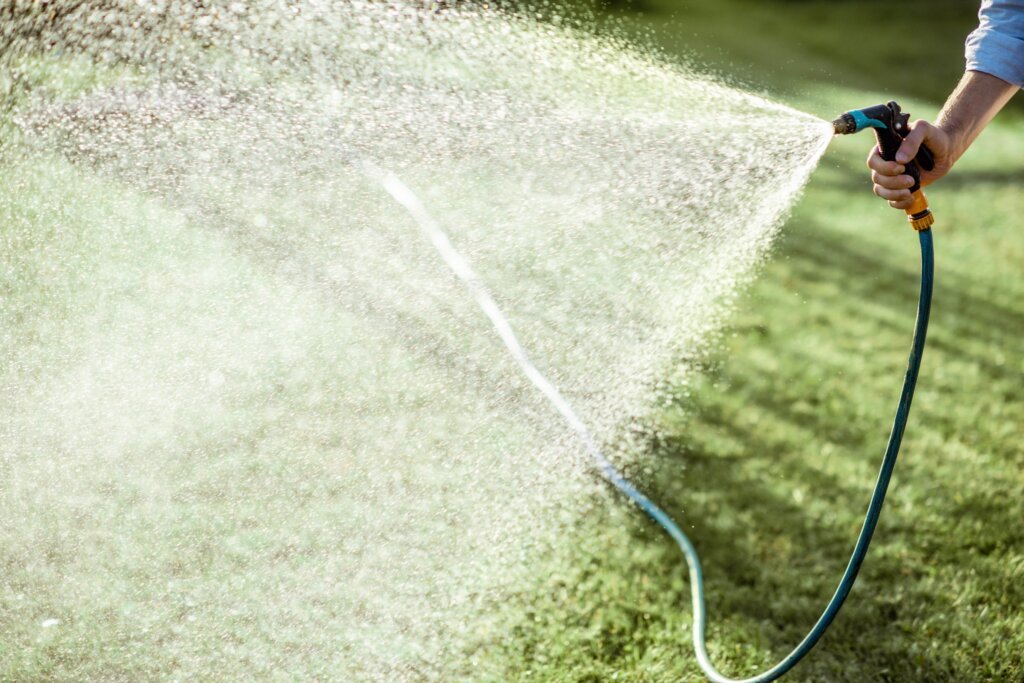
This was my first and most expensive mistake.
In the beginning, I treated watering like care. If a little water was good, more must be better. Within weeks, leaves started turning yellow, stems became weak, and some plants simply collapsed.
What I didn’t understand then was that roots need oxygen as much as they need water. Overwatering suffocates them.
signs I ignored at first:
| Symptom | What It Actually Means |
|---|---|
| Yellow leaves | Too much water |
| Mushy soil | Poor drainage / overwatering |
| Foul smell | Root rot beginning |
what changed everything:
I stopped watering on a schedule and started checking the soil. If the top inch felt dry, then I watered. Otherwise, I waited.
lesson 2: sunlight is not optional
I used to think plants just needed “some light.” That vague idea cost me weeks of stalled growth.
Not all light is equal. A plant sitting in a dim corner is not getting what it needs, even if the room feels bright.
I once kept a tomato plant indoors near a window that barely got direct sunlight. It grew tall but weak, with thin stems and no fruit.
sunlight reality check:
| Light Type | Hours Needed | Result if Ignored |
| Full sun | 6–8 hours | Weak growth, no fruit |
| Partial sun | 3–6 hours | Slow development |
| Low light | <3 hours | Only suitable for select plants |
what I learned:
Before buying a plant, I now observe where sunlight actually falls in my space during the day.
lesson 3: cheap soil costs more in the long run
I used to buy the cheapest soil available, assuming dirt is just dirt.
It isn’t.
Poor soil drains badly, lacks nutrients, and often compacts over time, suffocating roots.
after switching to better soil:
| Factor | Cheap Soil | Quality Potting Mix |
| Drainage | Poor | Balanced |
| Nutrients | Low | Enriched |
| Plant growth | Slow | Consistent |
| Longevity | Short-term | Long-term |
what I do now:
I either buy good-quality potting mix or improve basic soil with compost and organic matter.
lesson 4: not all plants belong together
At one point, I planted herbs, vegetables, and flowers in the same container to “save space.”
It looked nice for a week.
Then problems started—some plants needed more water, others less; some needed full sun, others didn’t. Eventually, none of them thrived.
what went wrong:
| Plant Type | Needs | Conflict Example |
| Herbs | Moderate water | Overwatered by others |
| Succulents | Minimal water | Root rot |
| Vegetables | High nutrients | Nutrient competition |
lesson learned:
Group plants with similar needs together. It makes everything easier.
lesson 5: containers need proper drainage
I once used a beautiful decorative pot with no drainage holes. It looked perfect.
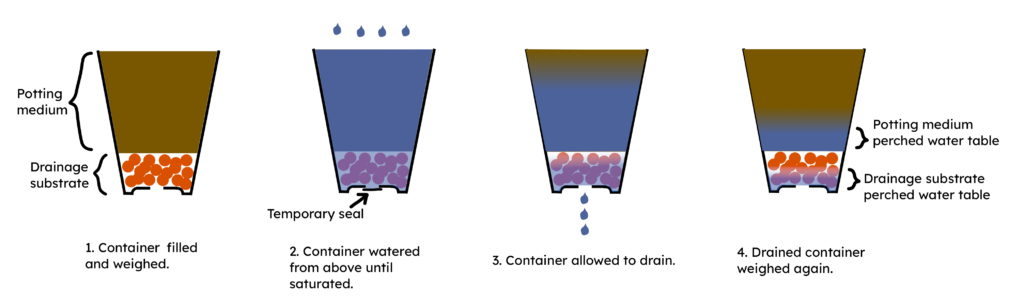
The plant didn’t agree.
Water collected at the bottom, roots stayed wet, and the plant slowly declined.
quick drainage checklist:
| Feature | Required? |
| Drainage holes | Yes |
| Loose soil | Yes |
| Water escape path | Yes |
what I do now:
If a container doesn’t have holes, I either drill them or avoid using it.
lesson 6: starting too big leads to burnout
In my early enthusiasm, I bought too many plants at once. For a few days, I felt productive.
Then maintenance became overwhelming.
watering, pruning, checking sunlight—it added up quickly.
what happens when you overcommit:
| Issue | Result |
| Too many plants | Neglect |
| Inconsistent care | Uneven growth |
| Burnout | Giving up entirely |
what works better:
Start small. Add more plants only after you’re comfortable managing the current ones.
lesson 7: pests will show up eventually
I used to think pests were something that happened in large gardens, not small home setups.
Then one morning, I noticed tiny insects on the underside of leaves. Within days, they had spread.
common pests I encountered:
| Pest Type | Damage Caused |
| Aphids | Weak leaves, sticky residue |
| Spider mites | Tiny webs, leaf damage |
| Whiteflies | Yellowing leaves |
what I learned:
Regular inspection matters. Catching pests early makes them manageable.
lesson 8: consistency beats effort
There was a time I would ignore my plants for days, then suddenly overcompensate by doing everything at once.
That pattern didn’t work.
Plants don’t respond well to extremes.
better routine:
| Task | Frequency |
| Watering | As needed |
| Inspection | Daily (quick) |
| Cleaning leaves | Weekly |
small, regular actions made a bigger difference than occasional intense effort.
lesson 9: seasonal timing matters more than enthusiasm
I once planted seeds at the wrong time of year simply because I felt motivated.
They didn’t grow.
plants follow natural cycles:
| Season | Suitable Plants |
| Summer | Okra, cucumbers |
| Winter | Spinach, carrots |
| Spring | Tomatoes, herbs |
| Autumn | Lettuce, peas |
lesson learned:
Work with the season, not against it.
lesson 10: patience is not optional
One of the hardest lessons.
I expected fast results. When plants didn’t grow quickly, I assumed something was wrong and started changing everything—watering more, moving pots, adding fertilizer.
Most of the time, the plant just needed time.
growth expectation vs reality:
| Expectation | Reality |
| Immediate growth | Gradual development |
| Quick results | Slow progress |
| Constant change | Stability works better |
what changed:
I stopped interfering unnecessarily and let plants adjust naturally.
lesson 11: observation is your best tool
I spent money on tools, fertilizers, and gadgets, thinking they would solve my problems.
In reality, the most valuable skill was observation.
plants communicate through changes:
| Observation | Possible Meaning |
| Drooping leaves | Water stress |
| Pale color | Nutrient deficiency |
| Burnt edges | Too much sunlight |
once I started paying attention, I needed fewer “fixes.”
a simple plant care tracker that helped me stay consistent
| Day | Watered | Sunlight Check | Notes |
| Monday | Yes | Good | Healthy |
| Tuesday | No | Good | Soil still moist |
| Wednesday | Yes | Partial | Slight drooping |
keeping a small log helped me understand patterns instead of guessing.
mistakes that taught the most
Looking back, the mistakes were frustrating but necessary.
- Overwatering taught me restraint
- Poor soil taught me quality matters
- Too many plants taught me limits
- Ignoring sunlight taught me awareness
Each failure added clarity.
final thoughts
Home gardening isn’t about perfection. It’s about learning how to respond, adapt, and stay consistent.
The truth is, most people don’t fail because gardening is difficult. They fail because they expect instant results or follow advice that doesn’t match their environment.
If there’s one takeaway from all these lessons, it’s this:
Pay attention. Start small. Stay consistent.
Everything else improves with time.
frequently asked questions
- how long does it take to see results in home gardening?
It depends on the plant, but most show noticeable growth within 2–4 weeks if conditions are right. - what is the most common mistake beginners make?
Overwatering is the most common and damaging mistake. - can I grow plants without direct sunlight?
Yes, but you need to choose plants suited for low-light conditions. - how do I know if my soil is good?
Good soil drains well, doesn’t smell bad, and supports steady plant growth. - how often should I check my plants?
A quick daily check is ideal to catch problems early. - is gardening expensive to start?
Not necessarily. You can begin with a few basic containers, soil, and low-cost plants.
These lessons weren’t learned overnight. They came from trial, failure, adjustment, and persistence—and that’s what makes them actually work.