
3 Simple Home Gardening Tools That Make Life Easier
There’s a common misconception that gardening has to be complicated to be effective. Walk into any gardening store or browse online, and you’ll find dozens of tools—each promising better results, faster growth, or less effort. But the truth is much simpler: a few well-chosen tools can do most of the work.
In fact, some of the most experienced gardeners rely on just a handful of essentials. Not because they lack options, but because they understand efficiency. The right tools don’t just save time—they make the entire process more enjoyable and sustainable.
This article focuses on three simple yet powerful home gardening tools that can genuinely make your life easier. Instead of overwhelming you with choices, we’ll explore how these tools work, why they matter, and how they fit into everyday gardening routines. You’ll also find practical tables and comparisons to help you make informed decisions.
the idea of simplicity in gardening
Gardening doesn’t have to feel like a chore. When tools are complicated, heavy, or poorly designed, even simple tasks become frustrating. That’s why simplicity matters.
Simple tools tend to have three things in common:
- They are easy to use
- They serve multiple purposes
- They reduce physical effort
These characteristics are especially important for home gardeners who may not have large spaces or professional experience. Whether you’re growing herbs on a balcony or maintaining a backyard garden, the goal is the same: healthy plants with minimal stress.
Now let’s explore the three tools that stand out.
- hand trowel: small tool, big impact
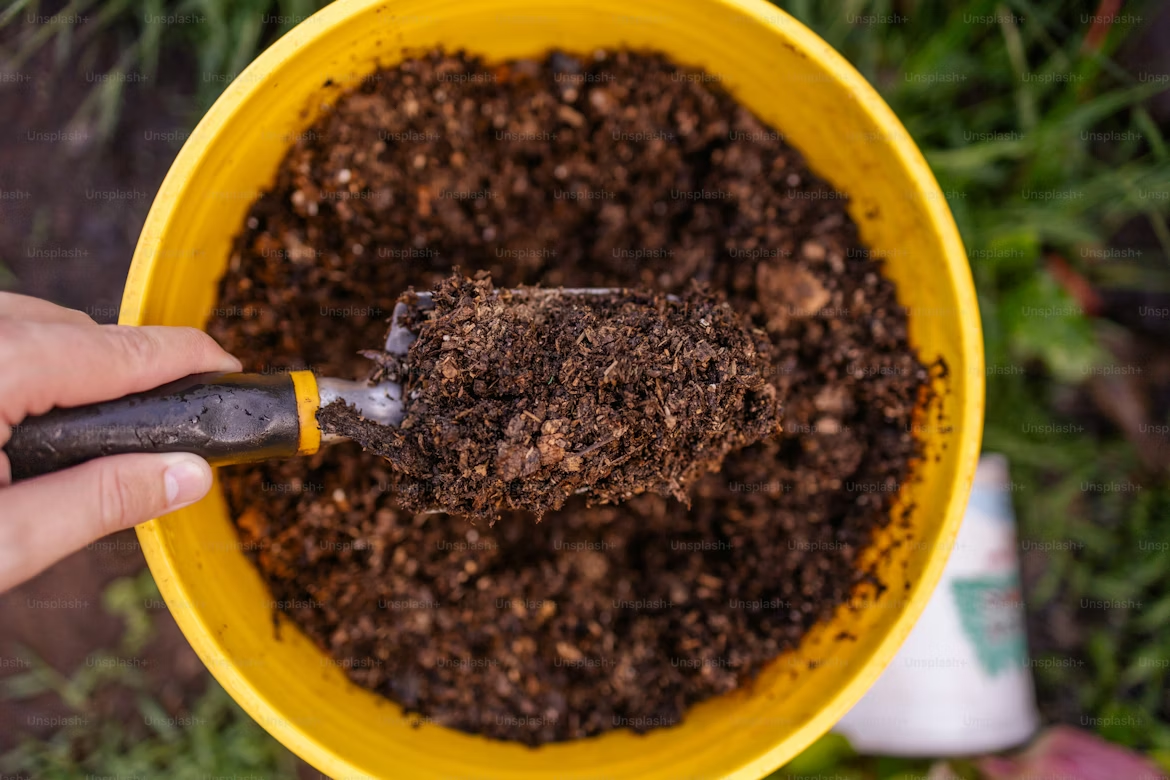
The hand trowel is one of the most underrated tools in gardening. It’s small, lightweight, and often overlooked—but it plays a role in almost every gardening task.
At its core, a hand trowel is used for digging small holes, transplanting plants, and loosening soil. But its usefulness goes beyond that. With a good trowel, you can handle tasks that would otherwise require multiple tools.
why it makes life easier
The biggest advantage of a hand trowel is control. When working with delicate plants, precision matters. A large shovel can disturb surrounding roots, but a trowel allows you to work in tight spaces without causing damage.
It also reduces effort. Instead of kneeling and using your hands to dig, you can complete the task quickly and cleanly.
common uses
- Planting seeds and seedlings
- Transferring plants between pots
- Removing small weeds
- Mixing soil or compost in containers
comparison of trowel materials
| Material | Weight | Durability | Best For |
|---|---|---|---|
| Plastic | Light | Low | Indoor plants |
| Stainless Steel | Medium | High | General use |
| Carbon Steel | Medium | Very High | Heavy soil |
ergonomic features to consider
| Feature | Benefit |
| Non-slip handle | Better grip in wet conditions |
| Curved blade design | Easier soil penetration |
| Measurement markings | Accurate planting depth |
A well-designed trowel can last for years and quickly becomes the tool you reach for most often.
- watering can: controlled hydration
Watering plants might seem straightforward, but it’s surprisingly easy to get wrong. Overwatering, uneven distribution, and water wastage are all common issues.
A watering can solves many of these problems by giving you control.
why it makes life easier
Unlike hoses, which can be too powerful for delicate plants, a watering can allows for gentle and targeted watering. This is especially useful for seedlings and indoor plants.
It also helps you develop a routine. Carrying a watering can encourages you to observe your plants closely, which leads to better care overall.
types of watering cans
| Type | Capacity | Best Use |
| Indoor Small | 1–2 liters | Houseplants |
| Medium Outdoor | 5–8 liters | Small gardens |
| Large Capacity | 10+ liters | Bigger spaces |
spout types and their functions
| Spout Type | Water Flow Style | Ideal For |
| Long Narrow Spout | Precise stream | Indoor pots |
| Rose Head Spout | Shower-like | Seedlings |
| Wide Spout | Fast pouring | Outdoor beds |
watering efficiency comparison
| Method | Water Waste | Control Level | Ease of Use |
| Watering Can | Low | High | High |
| Garden Hose | Medium | Medium | Medium |
| Sprinkler | High | Low | High |
A watering can might feel basic, but it encourages mindful watering—a habit that improves plant health significantly.
- pruning shears: keeping plants healthy
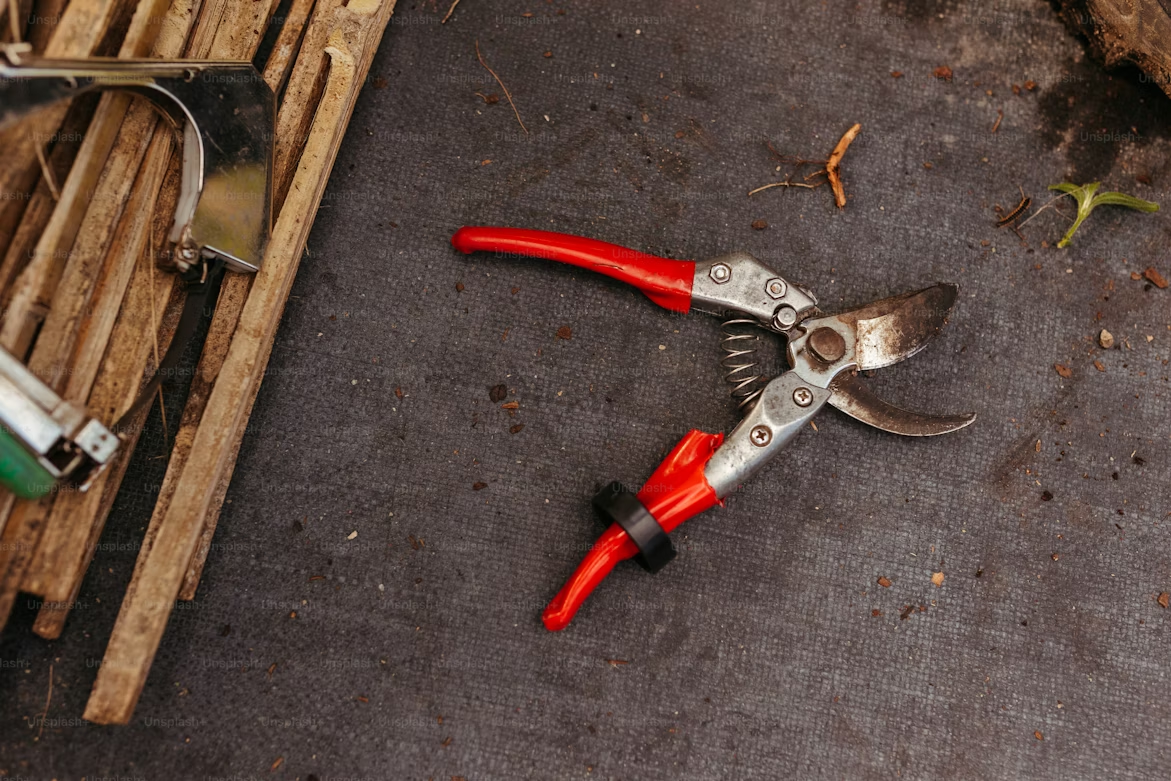
Plants need maintenance just like anything else. Without regular trimming, they can become overgrown, weak, or even diseased.
Pruning shears are designed to make this process easy and efficient.
why it makes life easier
Trying to cut stems with scissors or by hand can damage plants. Pruning shears provide clean cuts, which heal faster and reduce the risk of infection.
They also save time. What would take several minutes with improvised tools can be done in seconds.
what pruning actually does
- Removes dead or damaged branches
- Encourages new growth
- Improves plant shape
- Increases airflow and sunlight exposure
types of pruning shears
| Type | Best For | Cutting Mechanism |
| Bypass Shears | Live stems | Scissor action |
| Anvil Shears | Dead wood | Press and cut |
| Ratchet Shears | Thick branches | Step cutting |
cutting capacity comparison
| Shear Type | Max Branch Thickness | Effort Required |
| Bypass | Up to 1.5 cm | Low |
| Anvil | Up to 2 cm | Medium |
| Ratchet | Up to 3 cm | Very Low |
safety and comfort features
| Feature | Benefit |
| Locking mechanism | Prevents accidents |
| Cushioned handles | Reduces hand strain |
| Spring action | Easier repeated cuts |
Pruning shears don’t just make your garden look better—they actively contribute to plant health.
how these three tools work together
Individually, each of these tools is useful. But their real strength comes from how they complement each other.
Imagine a simple gardening session:
- You use a trowel to plant new seedlings
- A watering can ensures they get the right amount of water
- Pruning shears help maintain surrounding plants
This combination covers planting, watering, and maintenance—the three core aspects of gardening.
workflow chart
| Task المرحلة | Tool Used | Result |
| Planting | Hand Trowel | Proper root placement |
| Watering | Watering Can | Even hydration |
| Maintenance | Pruning Shears | Healthy growth |
With just these three tools, you can handle most home gardening tasks efficiently.
common mistakes beginners make
Even with simple tools, mistakes can happen. Being aware of them can save time and effort.
frequent issues
- Using dull pruning shears
- Overwatering with large cans
- Buying low-quality trowels that bend or break
- Ignoring ergonomics
impact of tool quality
| Tool Quality | Ease of Use | Longevity | Results |
| Low | Poor | Short | Inconsistent |
| Medium | Good | Moderate | Reliable |
| High | Excellent | Long | Consistent |
Investing in good-quality tools doesn’t mean buying the most expensive ones—it means choosing durability and comfort.
maintenance tips for long-term use
Simple tools require simple care, but that care makes a big difference.
basic maintenance routine
- Clean tools after each use
- Dry thoroughly to prevent rust
- Sharpen pruning blades regularly
- Store in a dry, shaded area
maintenance schedule
| Task | Frequency |
| Cleaning | After every use |
| Sharpening shears | Monthly |
| Inspecting handles | Every 2–3 months |
Well-maintained tools not only last longer but also perform better.
practical benefits you’ll notice
When you start using the right tools consistently, the improvements are noticeable.
key benefits
- Less physical strain
- Faster completion of tasks
- Healthier plants
- More enjoyable gardening experience
benefit comparison
| Without Proper Tools | With Proper Tools |
| Time-consuming | Efficient |
| Uneven results | Consistent growth |
| Physical fatigue | Reduced effort |
| Trial and error | Controlled process |
These differences might seem small at first, but they add up over time.
final thoughts
Gardening doesn’t require a long list of tools to be successful. In fact, keeping things simple often leads to better results.
A hand trowel, a watering can, and pruning shears cover the essentials. They help you plant, nurture, and maintain your garden with ease.
As you gain experience, you might choose to expand your toolkit. But even then, these three tools will remain at the core of your gardening routine.
The real secret isn’t having more tools—it’s knowing how to use the right ones effectively.
frequently asked questions (FAQs)
- are these three tools enough for a beginner gardener?
Yes, they are more than enough to handle basic gardening tasks like planting, watering, and maintenance. - how do i choose a good hand trowel?
Look for a sturdy material like stainless steel and an ergonomic handle for comfort. - how often should i use pruning shears?
It depends on your plants, but regular light pruning is better than occasional heavy cutting. - can i replace a watering can with a hose?
You can, but a watering can offers better control, especially for small or delicate plants. - what is the best way to maintain these tools?
Clean them after use, keep them dry, and sharpen blades regularly. - do i need expensive tools to get good results?
No, but investing in good-quality tools improves durability and overall performance.
In the end, gardening becomes easier not by doing more, but by doing things smarter—and the right tools help you do exactly that.