
4 Home Gardening Ideas That Changed My Backyard
There was a time when my backyard was just… there.
Not ugly, not beautiful—just a patch of land that existed without purpose. I would occasionally step outside, look around, and think about doing something with it. But like most unfinished ideas, it stayed in my head longer than it should have.
What finally changed things wasn’t a big renovation or a sudden burst of motivation. It was a series of small decisions—four, to be exact—that slowly transformed the space into something alive, functional, and surprisingly calming.
These weren’t complicated landscaping projects or expensive upgrades. They were simple, practical gardening ideas that reshaped how the space looked and how I used it.
This isn’t a guide filled with perfect before-and-after stories. It’s a real account of what worked, what didn’t at first, and what made a lasting difference.
idea 1: dividing the backyard into purposeful zones
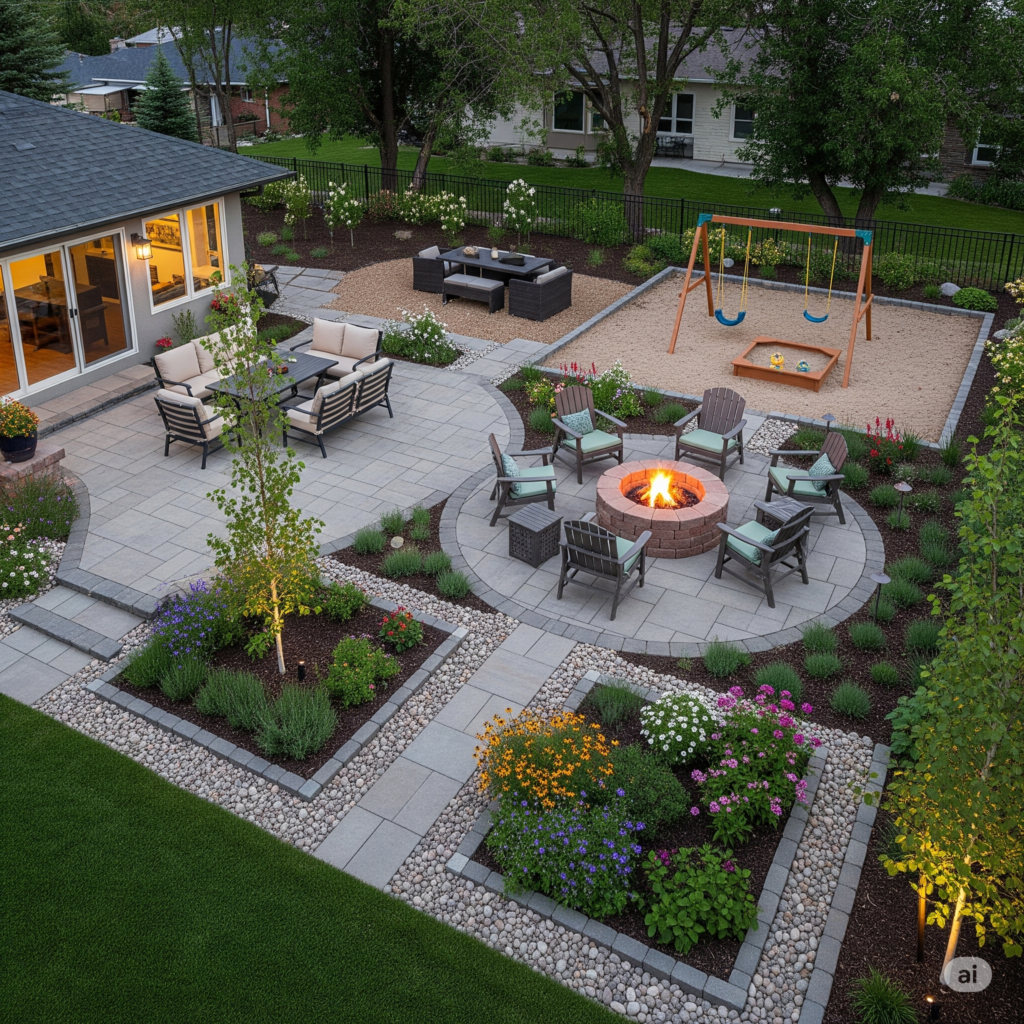
The first breakthrough came when I stopped treating the backyard as one large, undefined area.
At the beginning, everything was scattered. A few plants here, a random pot there, empty patches in between. Nothing felt connected.
So I tried something simple: I divided the space into zones.
not with walls or fences—but with intention.
basic zoning layout:
| Zone Type | Purpose | Key Elements |
|---|---|---|
| Planting zone | Growing vegetables/herbs | Soil beds, containers |
| Relaxation zone | Sitting and unwinding | Chair, small table |
| Decorative zone | Visual appeal | Flowers, small features |
| Utility zone | Tools and storage | Shelves, storage boxes |
what changed immediately:
The backyard started to feel organized. Instead of one chaotic space, it became a collection of smaller, manageable areas.
unexpected benefit:
Maintenance became easier. When each area had a clear role, it was simpler to focus on one section at a time instead of feeling overwhelmed.
idea 2: raised beds that solved more than one problem
Before using raised beds, I struggled with poor soil quality and uneven ground. Water would either collect in certain areas or drain too quickly in others.
Raised beds changed everything.
They allowed me to control the soil, improve drainage, and define planting areas clearly.
comparison before and after raised beds:
| Factor | Before Raised Beds | After Raised Beds |
| Soil quality | Inconsistent | Controlled |
| Drainage | Poor | Balanced |
| Weed control | Difficult | Easier |
| Plant growth | Unpredictable | More consistent |
how I approached it:
I didn’t build large, permanent structures. I started with simple wooden frames, filled them with better soil, and adjusted over time.
lesson learned:
You don’t need perfection. Even basic raised beds can significantly improve results.
idea 3: adding vertical elements to break flatness
At one point, I noticed something odd.
Even after adding plants, the backyard still looked… flat.
Everything was happening at ground level.
That’s when I started experimenting with vertical elements—trellises, hanging plants, and simple structures that added height.
impact of vertical gardening:
| Element Type | Purpose | Visual Effect |
| Trellis | Support climbing plants | Adds height |
| Hanging pots | Utilize upper space | Creates layers |
| Wall planters | Expand growing area | Enhances depth |
what changed visually:
The space started to feel fuller without becoming crowded. Layers made the backyard look more dynamic and alive.
practical advantage:
Climbing plants like beans and vines took up less ground space while producing more.
idea 4: creating a simple watering system
For a long time, watering was inconsistent.
Some days I watered too much. Other days I forgot entirely. The result was uneven growth and stressed plants.
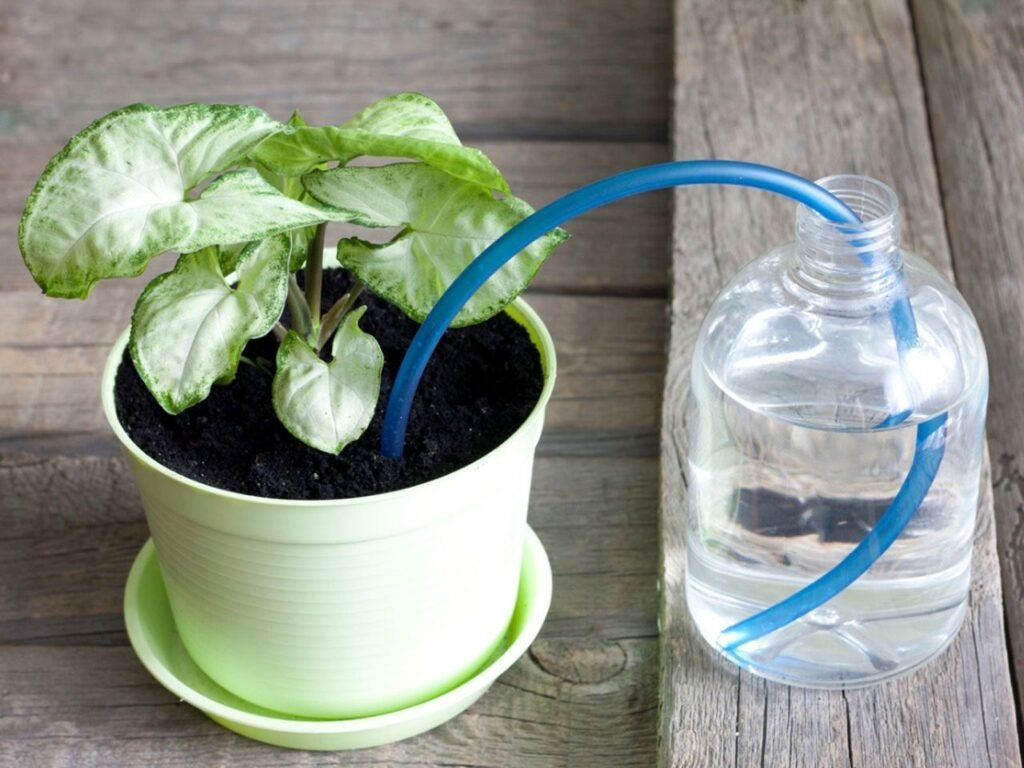
Instead of relying on memory, I set up a simple, low-effort watering system.
nothing fancy—just practical.
watering system comparison:
| Method | Consistency | Effort Required | Result |
| Manual watering | Low | High | Inconsistent growth |
| Scheduled routine | Medium | Medium | Improved |
| Simple system setup | High | Low | Stable growth |
what I used:
- Basic drip lines for key areas
- Watering cans for smaller sections
- A fixed schedule adjusted by weather
what improved:
Plants became healthier, and I spent less time worrying about whether I had watered enough.
a combined impact overview
After implementing these four ideas, the overall transformation wasn’t just visual—it was functional.
before vs after snapshot:
| Aspect | Before Changes | After Changes |
| Organization | Random | Structured |
| Maintenance | Overwhelming | Manageable |
| Plant health | Inconsistent | Stable |
| Visual appeal | Basic | Layered and balanced |
small adjustments that made a big difference
Along the way, a few smaller changes supported the bigger ideas:
- grouping plants with similar needs
- removing unnecessary clutter
- observing sunlight patterns
- adjusting layouts gradually
these weren’t major decisions, but they reinforced the overall setup.
a weekly backyard improvement tracker
| Week | Change Made | Outcome |
| 1 | Created zones | Better organization |
| 2 | Installed raised beds | Improved soil control |
| 3 | Added vertical elements | Enhanced visual depth |
| 4 | Set watering routine | Consistent plant health |
tracking progress helped me stay focused instead of making random changes.
what didn’t work at first
Not every idea succeeded immediately.
- placing raised beds in low-light areas
- overcrowding vertical structures
- overcomplicating the watering system
- ignoring spacing between zones
each mistake forced me to simplify and rethink.
why these ideas worked together
Individually, each idea helped. But together, they created a system.
- zoning brought structure
- raised beds improved control
- vertical elements added dimension
- watering systems ensured consistency
the combination turned a passive space into an active one.
how the backyard changed beyond gardening
Interestingly, the transformation wasn’t just about plants.
I started spending more time outside. The space became somewhere to sit, think, and unwind. It felt intentional instead of neglected.
gardening didn’t just change the backyard—it changed how I used it.
final thoughts
If you’re looking at your backyard and feeling unsure where to start, don’t think about changing everything at once.
Start with one idea.
Divide the space. Improve one section. Add height. Fix watering.
Small, consistent changes reshape a space more effectively than large, rushed efforts.
These four ideas didn’t require expertise or expensive tools. They worked because they addressed real problems—space, soil, structure, and consistency.
And once those were solved, everything else became easier.
frequently asked questions
- do I need a large backyard to apply these ideas?
No, these ideas can be adapted to small spaces as well. - are raised beds expensive to build?
They can be very affordable if you use simple materials like wood or recycled items. - what plants work best for vertical gardening?
Climbing plants like beans, peas, and vines are ideal. - how often should I water backyard plants?
It depends on the plant and weather, but consistency is more important than frequency. - can I create zones in a very small backyard?
Yes, even small areas can be divided visually using plants and layout. - how long does it take to see results?
Visible improvements can appear within a few weeks, but full transformation takes time.
These ideas didn’t come from perfect planning. They came from observing what wasn’t working and slowly fixing it—one change at a time.