

4 Home Gardening Plants I Regret Not Growing Earlier
If I could go back to the early days of my home gardening attempts, I wouldn’t start with more tools or bigger pots. I would simply choose better plants.
That’s really where most of my early frustration came from—not lack of effort, but poor choices. I picked plants that were either too slow, too demanding, or just not suited for my environment. The result? Weeks of waiting, little progress, and a growing sense that maybe gardening just wasn’t for me.
It took time (and a fair number of failed attempts) to realize that the right plants can completely change the experience. Some plants are just… easier. They grow faster, recover quickly, and give you visible results without constant attention.
Looking back now, there are four plants I genuinely regret not growing earlier. Not because they’re rare or impressive—but because they make home gardening feel simple, rewarding, and sustainable.
mint: the plant that would have saved me from early frustration
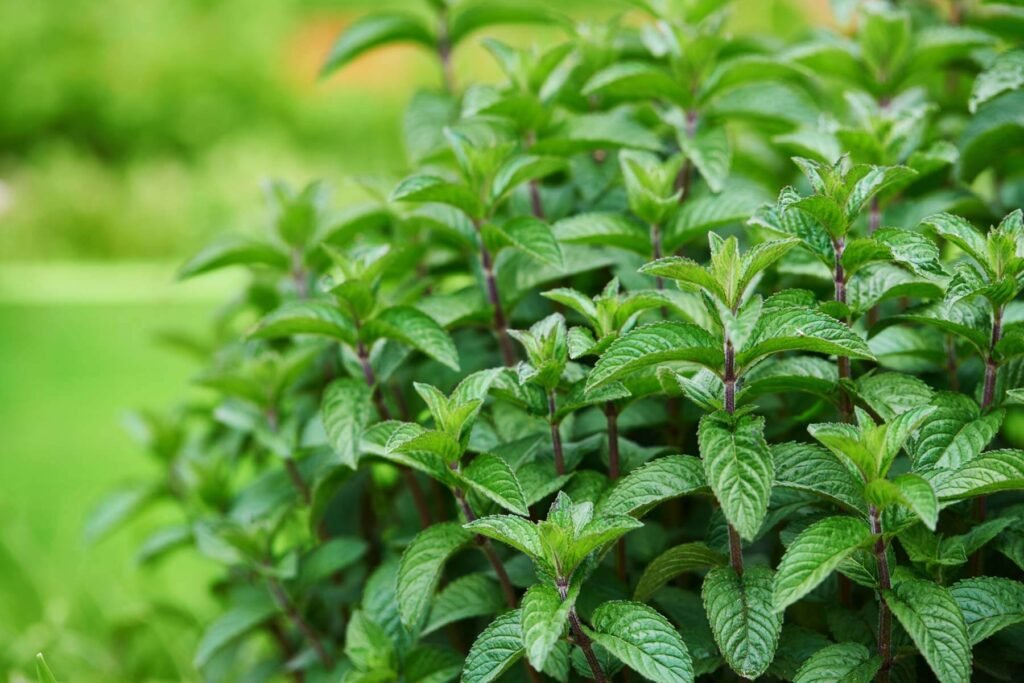
I avoided mint at first, mostly because I underestimated it.
It seemed too basic, almost boring. I wanted to grow things that felt more “productive” or visually exciting. That decision didn’t age well.
When I finally planted mint, it changed everything about how I viewed low-maintenance gardening.
what surprised me most:
It grew without needing perfect conditions. It adapted, spread, and recovered quickly even when I made mistakes.
mint growth behavior:
| Stage | Timeframe | Observation |
|---|---|---|
| Initial planting | 2–4 days | Leaves stabilize |
| Early growth | 1–2 weeks | New shoots appear |
| Expansion phase | 3–4 weeks | Rapid spreading |
why I regret delaying it:
Mint builds confidence. It shows visible progress quickly, which is exactly what beginners need.
unexpected lesson:
Sometimes the simplest plants are the most valuable.
spinach: practical, fast, and consistently reliable
Spinach wasn’t even on my radar in the beginning.
I assumed leafy greens would be difficult or require a lot of space. That assumption kept me from trying one of the most rewarding plants for a long time.
Once I finally grew spinach, I realized how wrong I had been.
what made it stand out:
It didn’t demand perfection. As long as basic conditions were met, it grew steadily and predictably.
spinach growing conditions:
| Factor | Requirement |
| Sunlight | Partial to full sun |
| Water | Regular moisture |
| Soil | Loose, fertile |
growth timeline:
| Stage | Timeframe |
| Germination | 5–7 days |
| Leaf formation | 10–14 days |
| Harvest-ready | 3–4 weeks |
why it mattered:
Spinach gave me something useful to harvest early. That sense of reward made gardening feel worthwhile.
aloe vera: the plant that thrives on neglect
If there’s one plant that would have saved me from overthinking, it’s aloe vera.
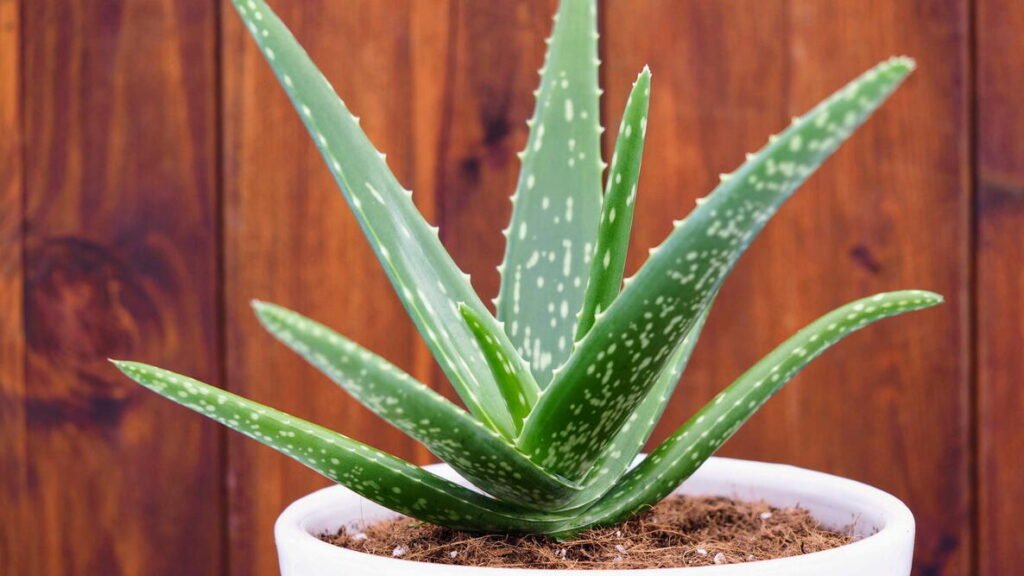
In the beginning, I believed that more care meant better results. Aloe vera quietly proved the opposite.
it doesn’t need constant attention:
In fact, too much care can actually harm it.
aloe vera care profile:
| Care Factor | Requirement |
| Watering | Minimal |
| Sunlight | Bright, indirect |
| Soil | Well-draining |
growth pattern:
| Stage | Timeframe | Observation |
| Establishment | 1–2 weeks | Stable leaves |
| Slow expansion | 3–6 weeks | New shoots form |
| Mature growth | Ongoing | Thick, healthy leaves |
why I regret not growing it sooner:
It removed the pressure. Not every plant needs constant monitoring.
unexpected benefit:
It also turned out to be useful beyond gardening, which added extra value.
basil: the plant that improves the more you use it
I hesitated to grow basil because I thought it required precise care.
Turns out, it’s one of the most responsive plants I’ve grown.
what makes basil unique:
It grows better when you interact with it—especially when you trim it regularly.
basil growth response:
| Action | Result |
| Regular trimming | Bushier growth |
| Adequate sunlight | Faster development |
| Consistent watering | Healthy leaves |
growth timeline:
| Stage | Timeframe |
| Germination | 5–10 days |
| Early growth | 2–3 weeks |
| Harvest-ready | 3–5 weeks |
why it stands out:
Basil teaches you how to engage with plants instead of just maintaining them.
a comparison of the four plants
| Plant | Growth Speed | Maintenance Level | Beginner Friendly |
| Mint | Very fast | Low | Yes |
| Spinach | Fast | Low | Yes |
| Aloe vera | Moderate | Very low | Yes |
| Basil | Fast | Low | Yes |
what these plants taught me collectively
Looking at them together, a pattern becomes clear.
They all:
- adapt easily
- grow without demanding perfection
- provide visible results relatively quickly
these qualities matter more than complexity.
a simple weekly observation chart
| Day | Plant | Observation |
| Monday | Mint | New shoots spreading |
| Wednesday | Spinach | Leaves expanding |
| Friday | Basil | Ready for trimming |
| Sunday | Aloe vera | Stable and healthy |
tracking helped me notice growth instead of guessing.
mistakes I made before discovering these plants
Before growing these four, I:
- chose plants that needed constant care
- ignored growth speed
- underestimated simple plants
- expected quick results from slow growers
these mistakes made gardening feel harder than it actually was.
why the right plant matters more than the perfect setup
I used to focus on tools, soil types, and techniques.
Those things matter—but not as much as choosing the right plant.
the difference:
| Focus Area | Impact Level |
| Plant selection | High |
| Tools | Medium |
| Technique | Medium |
choosing the right plant simplifies everything else.
how these plants changed my approach
after growing them, I stopped chasing complexity.
instead, I focused on:
- plants that match my environment
- manageable routines
- steady progress over perfection
gardening became more predictable—and more enjoyable.
final thoughts
If there’s one thing I would change about my early gardening experience, it wouldn’t be the mistakes. Those were necessary.
But I would definitely start with better plant choices.
Mint, spinach, aloe vera, and basil didn’t just grow well—they changed how I approached gardening. They made it feel accessible instead of overwhelming.
Sometimes the biggest improvements don’t come from doing more.
They come from choosing better.
frequently asked questions
- which of these plants is easiest for beginners?
Mint and aloe vera are the easiest due to their low maintenance and adaptability. - can these plants grow indoors?
Yes, all four can grow indoors with proper light conditions. - how often should I water these plants?
Mint and spinach need regular moisture, while aloe vera requires minimal watering. - do these plants need special soil?
Basic well-draining soil works for most of them, especially if enriched slightly. - how quickly can I harvest from these plants?
Mint and spinach can be harvested within a few weeks, while basil follows shortly after. - why did these plants make such a difference?
Because they are forgiving, fast-growing, and responsive—making gardening feel easier and more rewarding.
These plants didn’t just grow in my garden—they reshaped how I think about growing anything at all.