5 Easy Home Gardening Ideas for Beginners
Starting a home garden often begins with a simple thought: it would be nice to grow something on my own. Maybe it’s a few herbs for the kitchen, a couple of flowers for the balcony, or just the satisfaction of watching something grow under your care. But for beginners, that initial excitement can quickly turn into confusion. There are too many opinions, too many methods, and too many things that seem like they could go wrong.
The good news is that gardening doesn’t have to be complicated. In fact, the easiest way to succeed is to keep things simple and build confidence gradually. You don’t need a large backyard, expensive tools, or years of experience. What you need are a few practical ideas that are easy to start and forgiving if you make mistakes.
This article explores five easy home gardening ideas designed specifically for beginners. Each idea is simple, adaptable, and focused on helping you develop a strong foundation without feeling overwhelmed.
idea 1: start with container gardening
One of the easiest ways to begin gardening is by using containers. Instead of worrying about soil conditions in the ground or dealing with large spaces, containers give you control. You decide the soil, the location, and the type of plant.
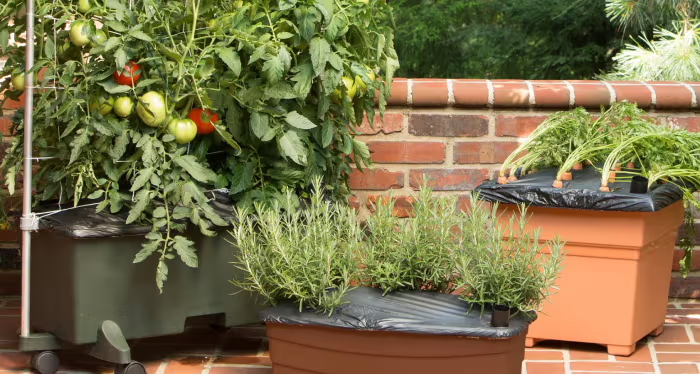
Containers can be anything—pots, buckets, old jars, or even repurposed household items. This flexibility makes container gardening ideal for apartments, small homes, or anyone working with limited space.
The biggest advantage is mobility. If a plant isn’t getting enough sunlight, you can simply move it. If weather conditions change, you can adjust quickly.
Here’s a simple breakdown of container choices:
| Container Type | Best For | Notes |
|---|---|---|
| Clay pots | Herbs, small plants | Good airflow, dries quickly |
| Plastic pots | Most plants | Retains moisture longer |
| Wooden boxes | Vegetables | Natural look, moderate drainage |
| Recycled containers | Beginners experimenting | Budget-friendly |
When choosing containers, drainage is critical. Always make sure there are holes at the bottom so excess water can escape.
Another helpful tip is to match the container size to the plant. Small plants in large pots can lead to overwatering, while large plants in small pots may struggle to grow.
Container gardening simplifies many challenges, making it a perfect starting point.
idea 2: grow herbs in your kitchen or balcony
Herbs are one of the most beginner-friendly plants you can grow. They grow quickly, don’t require much space, and are incredibly useful in everyday cooking.
Starting with herbs gives you fast results, which is important for staying motivated. Seeing fresh leaves grow within days or weeks builds confidence and keeps you engaged.
Some of the easiest herbs to grow include:
| Herb | Light Requirement | Water Needs | Growth Speed |
| Mint | Partial sunlight | Moderate | Fast |
| Basil | Full sunlight | Regular watering | Fast |
| Coriander | Partial sunlight | Moderate | Medium |
| Parsley | Partial sunlight | Moderate | Medium |
Herbs can be grown in small pots placed on windowsills, balconies, or even kitchen counters with enough light.
One interesting thing about herbs is how responsive they are to care. Regular trimming encourages new growth. In fact, the more you use them, the better they grow.
A simple herb setup might look like this:
| Setup Element | Recommendation |
| Location | Near window or balcony |
| Pot size | Small to medium |
| Soil type | Well-draining potting mix |
| Watering | When top layer feels dry |
This idea not only introduces you to gardening but also connects it with your daily life in a practical way.
idea 3: use ready-made potting mix instead of garden soil
Many beginners make the mistake of using soil directly from the ground. While it might seem convenient, garden soil is often too dense for potted plants. It can hold too much water, limit airflow, and make it harder for roots to grow.
Using a ready-made potting mix simplifies things significantly. These mixes are designed to provide the right balance of drainage, aeration, and nutrients.
Here’s a comparison to understand the difference:
| Feature | Garden Soil | Potting Mix |
| Drainage | Poor to moderate | Excellent |
| Airflow | Limited | Good |
| Weight | Heavy | Lightweight |
| Nutrient balance | Unpredictable | Controlled |
Potting mix often contains materials like coco peat, compost, and perlite, which help maintain the right structure for plant growth.
If you want to take it a step further, you can slightly customize your mix:
| Additive | Benefit |
| Compost | Adds nutrients |
| Sand | Improves drainage |
| Coco peat | Retains moisture |
Starting with a good potting mix removes one of the biggest uncertainties for beginners and gives your plants a strong foundation.
idea 4: follow a simple watering routine
Watering seems straightforward, but it’s one of the most common reasons plants fail. Beginners often either water too much or forget to water altogether.
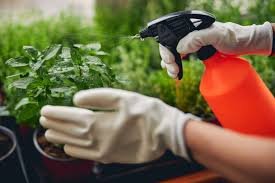
Instead of guessing, it helps to create a simple routine.
The key is consistency, not frequency. Plants don’t need water every day—they need water when the soil starts to dry out.
Here’s a practical watering guide:
| Plant Type | Watering Frequency |
| Herbs | 2–3 times per week |
| Flowering plants | 2–4 times per week |
| Indoor plants | Once or twice per week |
Rather than relying only on schedules, use observation:
- Check the soil with your finger
- Look at leaf condition
- Notice changes in plant posture
Signs of improper watering include:
| Symptom | Likely Cause |
| Yellow leaves | Overwatering |
| Drooping leaves | Underwatering |
| Moldy soil | Excess moisture |
A simple trick is to water thoroughly and then wait until the soil dries slightly before watering again.
idea 5: start small and expand gradually
One of the biggest mistakes beginners make is trying to do too much at once. Starting with too many plants can become overwhelming, leading to neglect and frustration.
It’s better to begin with a few plants and expand as you gain confidence.
Here’s a suggested progression:
| Stage | Number of Plants | Focus Area |
| Beginner | 2–4 plants | Learning basics |
| Intermediate | 5–10 plants | Experimenting |
| Advanced | 10+ plants | Variety and expansion |
Starting small allows you to:
- Understand plant behavior
- Learn from mistakes
- Build a routine
As your confidence grows, you can introduce new plants, try different techniques, and experiment with layouts.
Gardening is not a race. It’s a gradual process of learning and adapting.
a simple beginner-friendly setup
To bring everything together, here’s an example of a basic gardening setup:
| Element | Recommendation |
| Containers | 3–5 small pots |
| Plants | Mint, basil, one flowering plant |
| Soil | Ready-made potting mix |
| Location | Balcony or sunny window |
| Watering plan | Check soil every 2–3 days |
This setup is manageable, low-cost, and effective for beginners.
final thoughts
Gardening doesn’t require perfection. It requires patience, observation, and a willingness to learn from small mistakes.
By starting with containers, growing herbs, using proper soil, maintaining a simple watering routine, and keeping things small, you create a strong foundation. These ideas remove complexity and allow you to focus on what really matters—understanding your plants.
Over time, what once felt unfamiliar becomes natural. You begin to notice small changes, respond to your plants’ needs, and enjoy the process rather than worrying about outcomes.
That’s when gardening truly becomes rewarding.
frequently asked questions
- what is the easiest plant to grow for beginners?
Herbs like mint and basil are among the easiest. They grow quickly, require minimal care, and adapt well to different environments.
- do i need special tools to start gardening?
No. Basic containers, soil, and water are enough to begin. You can gradually add tools as needed.
- how much sunlight do beginner plants need?
Most beginner-friendly plants need 4–6 hours of sunlight daily, but some herbs and indoor plants can grow in partial light.
- can i reuse old containers for gardening?
Yes, as long as they have proper drainage. Cleaning them before use is also recommended.
- how long does it take to see plant growth?
It depends on the plant, but many herbs show visible growth within 1–2 weeks under proper conditions.
- what should i do if my plant starts dying?
Check the basics: water, sunlight, and soil. Most plant issues are related to one of these factors and can often be corrected early.
By focusing on simple, practical ideas and building gradually, anyone can start a home garden with confidence and success.