
5 Low-Maintenance Home Gardening Plants You’ll Love
There’s something deeply satisfying about having plants around you. They soften a space, improve the air, and bring a kind of quiet energy that’s hard to explain until you experience it. But not everyone has the time—or patience—for high-maintenance plants that demand constant attention.
If you’ve ever bought a plant only to watch it slowly struggle despite your best efforts, you’re not alone. Many beginners start with plants that look beautiful but require very specific care. The result? Frustration, wasted money, and the feeling that gardening just “isn’t for you.”
The reality is much simpler. Some plants are naturally resilient. They tolerate irregular watering, adapt to different light conditions, and continue growing even when you forget about them for a few days (or weeks). These are the plants that make home gardening enjoyable rather than stressful.
In this article, we’ll explore five low-maintenance plants that are not only easy to care for but also visually appealing and highly adaptable. Along the way, you’ll also find practical tables, comparisons, and simple care systems that go beyond just descriptions.
plant 1: snake plant (the nearly indestructible option)
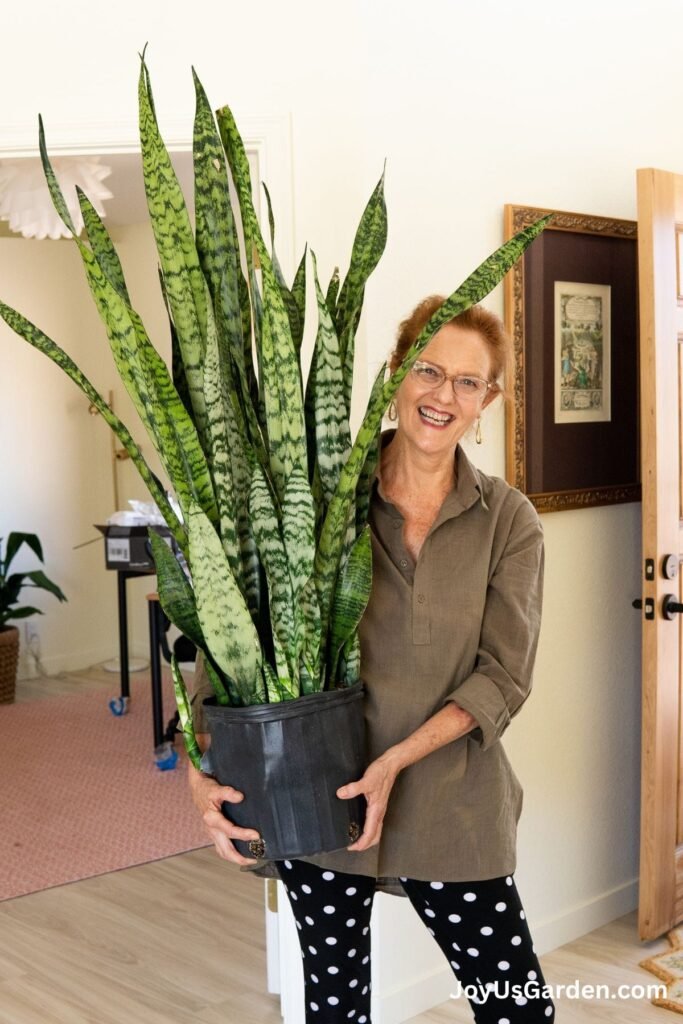
If there were a plant designed for people who forget they own plants, this would be it.
The snake plant is often the first recommendation for beginners, and for good reason. It tolerates low light, irregular watering, and even some neglect without showing immediate signs of stress.
Its upright, structured leaves also give it a modern look that fits almost any interior.
basic care overview:
| Factor | Requirement |
|---|---|
| Light | Low to bright indirect |
| Watering | Every 2–3 weeks |
| Soil | Well-draining |
| Growth rate | Slow to moderate |
One of the most common mistakes with this plant is overwatering. It’s far more likely to suffer from too much care than too little.
quick care signals:
| Plant Behavior | Meaning |
| Yellowing leaves | Overwatering |
| Wrinkled leaves | Needs water |
| Upright growth | Healthy condition |
This plant thrives on neglect, which is exactly what makes it so reliable.
plant 2: pothos (the adaptable climber)
Pothos is one of those plants that seems to grow no matter where you put it. It can trail from shelves, climb walls, or simply sit in a pot and spread outward.
Its heart-shaped leaves and flowing vines make it a favorite for both decorative and practical purposes.
why it’s beginner-friendly:
| Feature | Benefit |
| Flexible light | Adapts to various conditions |
| Fast growth | Visible progress quickly |
| Easy propagation | Simple to multiply |
care breakdown:
| Factor | Requirement |
| Light | Low to medium |
| Watering | Once a week (approx.) |
| Soil | Standard potting mix |
| Maintenance | Occasional trimming |
One of the most satisfying aspects of pothos is how easy it is to propagate. A simple cutting placed in water can grow roots within days.
common signs:
| Symptom | Cause |
| Drooping leaves | Needs water |
| Pale color | Too much direct sunlight |
| Slow growth | Low light |
It’s forgiving, flexible, and rewarding—three things every beginner needs.
plant 3: zz plant (the low-effort survivor)
The ZZ plant is often described as one of the toughest houseplants available. It thrives in conditions where many others fail.
Its thick, glossy leaves store water, allowing it to survive long periods without watering.
care simplicity chart:
| Factor | Requirement |
| Light | Low to indirect |
| Watering | Every 2–4 weeks |
| Soil | Well-draining |
| Special feature | Drought-tolerant |
what makes it unique:
| Trait | Advantage |
| Water storage | Less frequent watering |
| Tough leaves | Resistant to damage |
| Slow growth | Minimal maintenance |
If you travel often or tend to forget routines, this plant is especially useful.
warning signs:
| Symptom | Interpretation |
| Yellow stems | Overwatering |
| Mushy roots | Poor drainage |
The ZZ plant proves that you don’t need constant attention to maintain something beautiful.
plant 4: succulents (small but resilient)
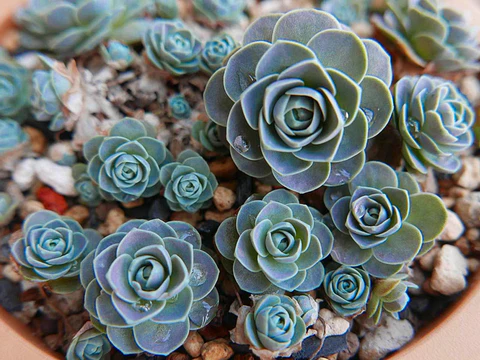
Succulents are compact, stylish, and incredibly diverse. They store water in their leaves, making them highly drought-resistant.
They’re perfect for desks, windowsills, and small decorative arrangements.
succulent care basics:
| Factor | Requirement |
| Light | Bright sunlight |
| Watering | Every 1–2 weeks |
| Soil | Sandy, fast-draining |
| Size | Small and compact |
types and characteristics:
| Type | Feature |
| Aloe | Thick, medicinal leaves |
| Echeveria | Rosette shape |
| Jade plant | Tree-like structure |
common mistakes:
| Issue | Cause |
| Rotting leaves | Overwatering |
| Stretching | Lack of sunlight |
Succulents are simple, but they do require one key thing—light. Place them near a bright window for best results.
plant 5: peace lily (low effort with elegance)
The peace lily is slightly more expressive than the others on this list. It “communicates” clearly when it needs water by drooping its leaves, which makes it easier to care for.
It also produces elegant white blooms, adding a decorative touch.
care guide:
| Factor | Requirement |
| Light | Low to medium |
| Watering | Once per week |
| Soil | Moist but well-drained |
| Bonus | Occasional flowering |
behavior patterns:
| Plant Signal | Meaning |
| Drooping leaves | Needs water |
| Brown tips | Low humidity or salts |
| Upright leaves | Healthy state |
This plant is ideal for those who want something low-maintenance but visually striking.
comparison overview of all 5 plants
| Plant Name | Water Needs | Light Needs | Maintenance Level |
| Snake Plant | Very low | Low–medium | Very easy |
| Pothos | Moderate | Low–medium | Easy |
| ZZ Plant | Very low | Low | Very easy |
| Succulents | Low | High | Easy |
| Peace Lily | Moderate | Low–medium | Easy |
simple weekly care chart
| Day | Task |
| Monday | Check soil moisture |
| Wednesday | Observe leaves and growth |
| Friday | Light cleaning or rotation |
| Sunday | Water if needed |
This routine keeps things simple without requiring daily effort.
final thoughts
Low-maintenance plants are not about neglect—they’re about flexibility. They give you room to learn without punishing small mistakes.
Starting with the right plants can completely change your gardening experience. Instead of feeling like a responsibility, it becomes something calming and enjoyable.
Over time, you’ll naturally develop a sense of what your plants need. And once that happens, even more complex gardening tasks start to feel manageable.
frequently asked questions
- which plant is the easiest to maintain?
The snake plant and ZZ plant are often considered the easiest because they require very little water and adapt well to different conditions.
- how often should i water low-maintenance plants?
It depends on the plant, but generally once every 1–3 weeks is enough. Always check the soil before watering.
- can these plants survive indoors?
Yes, all the plants listed here are well-suited for indoor environments with minimal adjustments.
- what is the biggest mistake beginners make?
Overwatering is the most common issue. Many plants prefer slightly dry soil rather than constantly wet conditions.
- do low-maintenance plants grow slowly?
Some do, like the ZZ plant, while others like pothos grow faster. Growth rate depends on the plant type and conditions.
- can i keep multiple low-maintenance plants together?
Yes, as long as their light and watering needs are similar. Grouping compatible plants can even make care easier.
Choosing the right plants is half the journey. Once you do that, everything else becomes simpler—and far more enjoyable.