
5 Must-Have Home Gardening Tools for Easy Work
Home gardening has quietly become one of the most rewarding ways to reconnect with nature, reduce stress, and grow your own fresh produce. Whether you’re tending a few pots on a balcony or managing a full backyard garden, one thing quickly becomes clear: the right tools make all the difference.
Many beginners assume gardening is all about seeds, soil, and sunlight. While those are essential, the tools you use shape how efficiently and comfortably you can maintain your plants. Without proper tools, simple tasks like digging, pruning, or watering can become time-consuming and physically exhausting.
This article walks you through five essential gardening tools that simplify your work, improve results, and make the entire experience far more enjoyable. Along the way, you’ll also find practical tables, comparisons, and tips that go beyond basic advice.
why the right gardening tools matter
Gardening is both an art and a physical activity. Using inappropriate or low-quality tools can lead to:
- Uneven planting
- Damaged plants
- Soil compaction issues
- Physical strain or injury
On the other hand, well-chosen tools:
- Save time and energy
- Improve plant health
- Increase precision
- Make gardening enjoyable instead of tiring
Think of gardening tools as an investment rather than an expense.
- hand trowel – the foundation of every garden
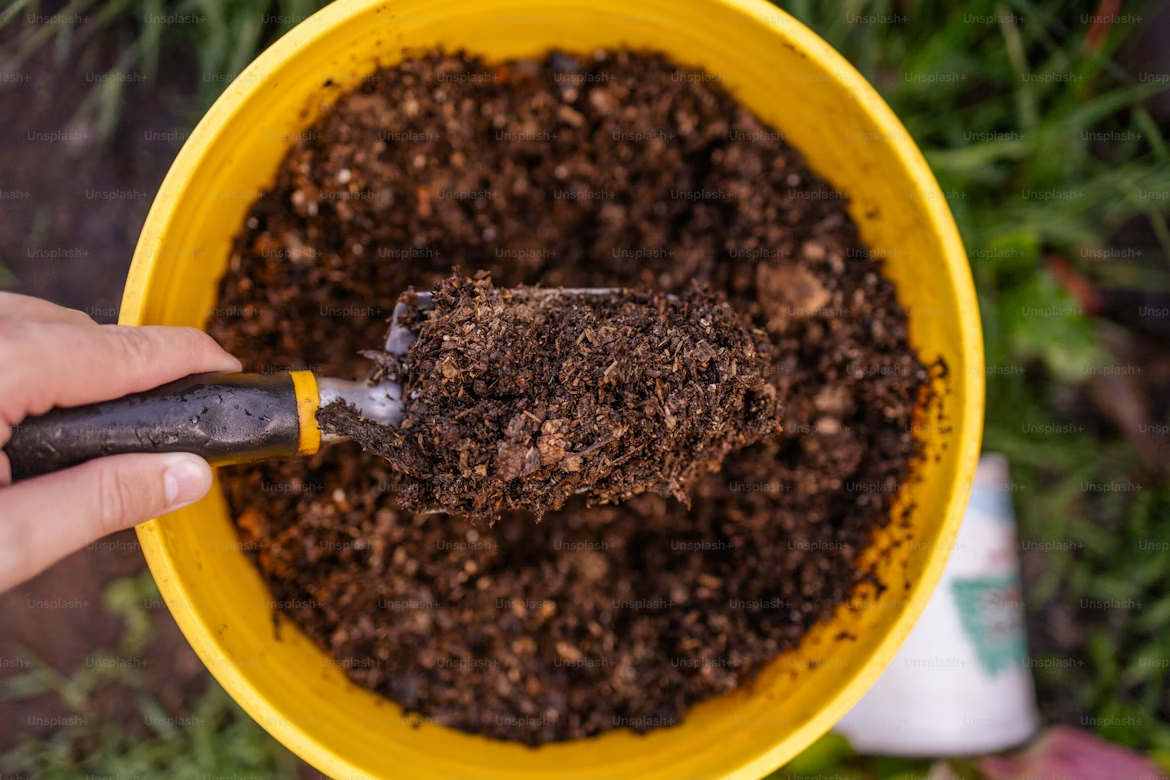
A hand trowel is one of the most frequently used tools in gardening. It’s small, easy to handle, and incredibly versatile.
what it’s used for
- Digging small holes for planting
- Transplanting seedlings
- Removing weeds
- Mixing soil or fertilizer
features to look for
- Stainless steel blade (resists rust)
- Comfortable ergonomic handle
- Depth markings (helpful for planting accuracy)
quick comparison table: hand trowel types
| Feature | Basic Trowel | Premium Trowel |
|---|---|---|
| Material | Mild steel | Stainless steel |
| Durability | Moderate | High |
| Handle Comfort | Basic grip | Ergonomic grip |
| Price Range | Low | Medium |
| Best For | Beginners | Regular gardeners |
practical tip
Choose a slightly heavier trowel. Lightweight plastic ones may feel convenient but often lack durability and digging strength.
- pruning shears – for healthy plant growth
Pruning shears (also called secateurs) are essential for trimming plants, shaping growth, and removing dead or diseased parts.
why pruning matters
Proper pruning encourages:
- New growth
- Better air circulation
- Improved plant health
- Higher fruit or flower yield
types of pruning shears
| Type | Best Use |
| Bypass shears | Live plants and green stems |
| Anvil shears | Dry or dead wood |
| Ratchet shears | Thick branches with less effort |
how to choose
- Go for sharp, replaceable blades
- Check for safety lock mechanism
- Ensure comfortable grip for prolonged use
common mistake to avoid
Using dull shears. This can crush stems instead of cutting cleanly, making plants more vulnerable to disease.
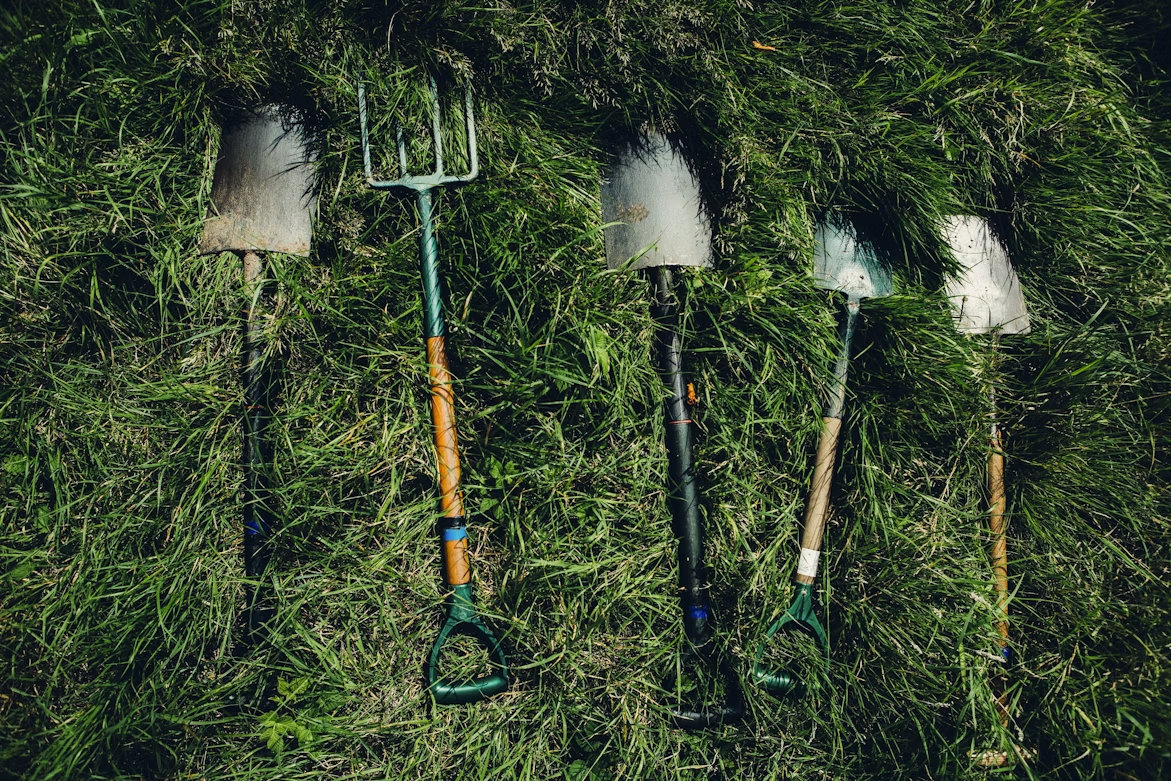
- garden fork – the soil improvement tool
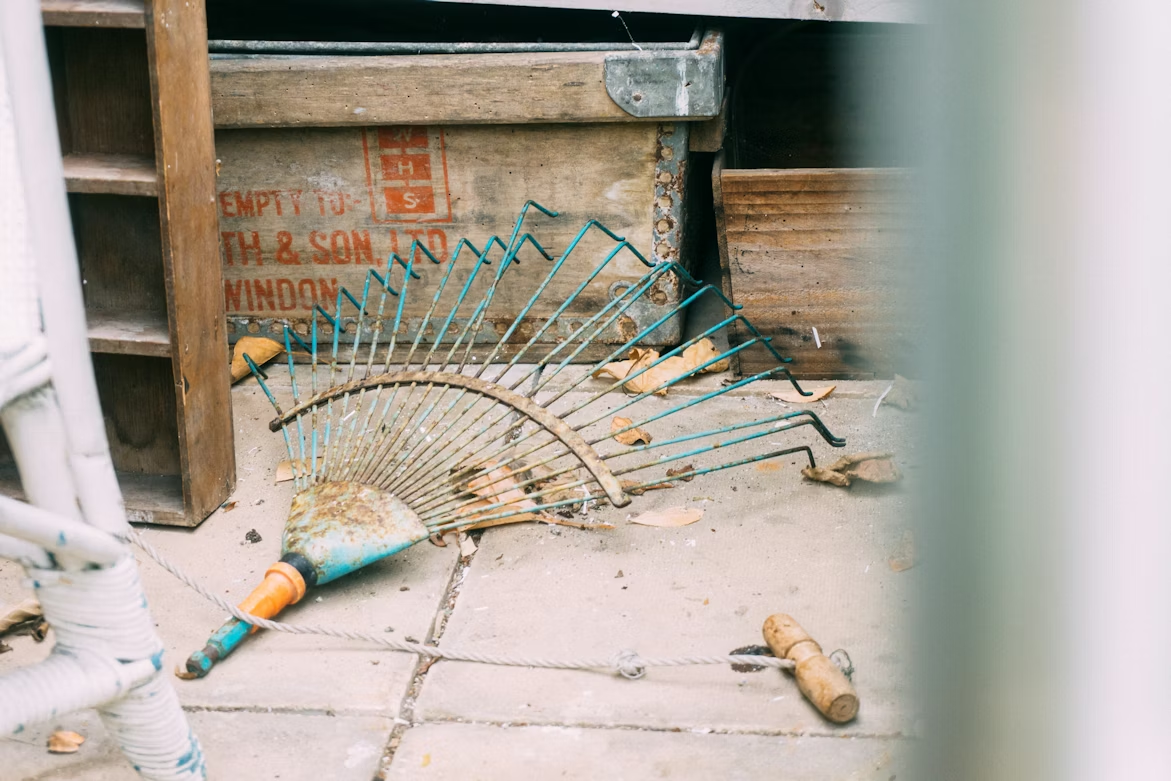
A garden fork is often overlooked, yet it plays a crucial role in maintaining soil structure.
primary uses
- Loosening compacted soil
- Turning compost
- Aerating garden beds
- Removing weeds with deep roots
why it’s better than a shovel in some cases
Unlike a shovel, a garden fork penetrates soil without overly disturbing its natural layers. This is especially important for maintaining soil health.
comparison: garden fork vs shovel
| Feature | Garden Fork | Shovel |
| Soil aeration | Excellent | Limited |
| Digging efficiency | Moderate | High |
| Root damage risk | Low | Higher |
| Compost turning | Very effective | Less effective |
pro tip
Use a garden fork before planting season to loosen soil and improve drainage. This small step significantly boosts plant growth.
- watering can or hose – controlled hydration
Watering may seem simple, but improper watering is one of the most common causes of plant failure.
watering options
| Tool | Best For |
| Watering can | Small gardens, indoor plants |
| Garden hose | Large outdoor spaces |
| Drip system | Efficient, automated watering |
what makes a good watering can
- Balanced design for easy carrying
- Long spout for precise watering
- Removable rose (sprinkler head)
watering mistakes to avoid
- Overwatering (leads to root rot)
- Watering during peak sunlight (causes evaporation loss)
- Inconsistent watering schedules
watering schedule chart (general guideline)
| Plant Type | Frequency | Notes |
| Succulents | Every 7–10 days | Minimal water needed |
| Vegetables | Every 2–3 days | Depends on soil moisture |
| Flowering plants | Every 2–4 days | Keep soil slightly moist |
| Herbs | Every 3–5 days | Avoid waterlogging |
- garden gloves – protection and comfort
Many gardeners underestimate the importance of good gloves. But once you’ve experienced cuts, blisters, or soil irritation, you’ll realize how essential they are.
why gloves matter
- Protect against thorns and sharp tools
- Prevent skin irritation
- Improve grip
- Keep hands clean
types of garden gloves
| Type | Features | Best Use |
| Cotton gloves | Lightweight, breathable | Light tasks |
| Rubber-coated | Water-resistant, strong grip | Wet conditions |
| Leather gloves | Durable, heavy protection | Thorny plants, heavy work |
how to choose the right pair
- Ensure proper fit (not too tight or loose)
- Look for breathable material
- Choose based on task intensity
extra tip
Keep two pairs: one for light work and another for heavy-duty tasks.
bonus tool: kneeling pad (highly recommended)
While not always listed among essentials, a kneeling pad can dramatically improve comfort, especially during longer gardening sessions.
benefits
- Reduces knee strain
- Keeps clothes clean
- Makes prolonged work easier
how to build your ideal gardening toolkit
Instead of buying everything at once, build your toolkit gradually.
starter toolkit checklist
| Tool | Priority Level |
| Hand trowel | High |
| Pruning shears | High |
| Watering can | High |
| Garden gloves | High |
| Garden fork | Medium |
| Kneeling pad | Optional |
budget planning guide
| Budget Range | Suggested Tools |
| Low | Trowel, gloves, basic watering can |
| Medium | Add pruning shears and garden fork |
| High | Upgrade to premium versions of all |
maintenance tips for long-lasting tools
Even the best tools won’t last if they’re poorly maintained.
simple care routine
- Clean tools after each use
- Dry them to prevent rust
- Sharpen blades regularly
- Store in a dry place
maintenance checklist
| Task | Frequency |
| Cleaning | After every use |
| Sharpening | Monthly |
| Oiling metal | Every 2–3 months |
| Inspection | Before each use |
common mistakes beginners make
- Buying too many tools at once
- Choosing cheap tools that break easily
- Ignoring ergonomics
- Not cleaning tools after use
Avoiding these mistakes will save both money and effort in the long run.
final thoughts
Gardening doesn’t have to be complicated or exhausting. With just a handful of well-chosen tools, even beginners can maintain a thriving garden with ease. The key is not quantity but quality and suitability.
A hand trowel, pruning shears, garden fork, watering tool, and protective gloves form the backbone of any efficient gardening setup. Once you have these, everything else becomes easier—from planting your first seeds to harvesting your own produce.
Over time, you’ll develop your own preferences and style, but these five tools will always remain at the core of your gardening journey.
frequently asked questions (FAQs)
- what is the most important gardening tool for beginners?
A hand trowel is the most essential tool. It handles multiple tasks like digging, planting, and soil mixing, making it ideal for beginners. - how often should I replace gardening tools?
High-quality tools can last for years if maintained properly. Replace them only when they become damaged or inefficient. - are expensive gardening tools worth it?
In most cases, yes. Premium tools offer better durability, comfort, and performance, saving money in the long term. - can I garden without gloves?
You can, but it’s not recommended. Gloves protect your hands from cuts, infections, and irritation caused by soil and plants. - what’s better: watering can or hose?
It depends on your garden size. Watering cans are better for small spaces, while hoses are more efficient for larger areas. - how do I keep my tools rust-free?
Clean and dry them after use, store in a dry place, and occasionally apply a light coat of oil to metal parts.
This guide should give you a strong, practical foundation for building a simple yet effective gardening toolkit that makes your work easier and more enjoyable.