
6 Budget-Friendly Home Gardening Ideas That Work
I didn’t start gardening with a budget in mind—I started because I wanted fresh herbs without paying for them every week. But very quickly, I realized something: gardening can get expensive if you let it.
Pots, soil, fertilizers, tools… it all adds up. At one point, I caught myself spending more on growing vegetables than buying them from the market. That was the moment I decided to change my approach.
What followed was a series of small experiments—some messy, some surprisingly effective—that helped me build a productive garden without draining my wallet. Over time, I found that budget gardening isn’t about cutting corners. It’s about being resourceful.
Here are six budget-friendly home gardening ideas that actually worked for me, along with practical insights you can apply right away.
idea 1: reuse and repurpose containers instead of buying pots
The first thing I stopped buying was pots.
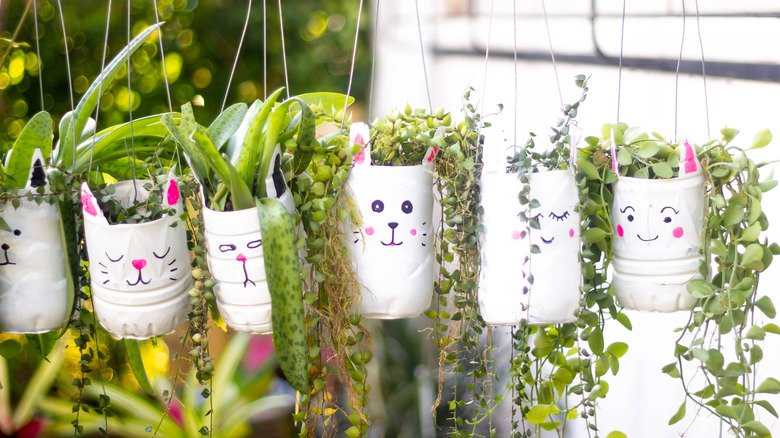
It sounds obvious in hindsight, but I had been spending money on containers when I already had plenty of usable items at home. Plastic bottles, old buckets, food containers—even broken mugs—all of these can work.
What matters isn’t how the container looks. It’s whether it can hold soil, drain water, and give roots enough space.
common household items that work as planters
| Item | Suitable For | Modification Needed |
|---|---|---|
| Plastic bottles | Herbs, small plants | Cut top, add drainage holes |
| Old buckets | Vegetables | Drill holes at bottom |
| Tin cans | Succulents, herbs | Smooth edges, add holes |
| Broken kitchenware | Decorative plants | Ensure drainage |
| Wooden boxes | Multiple plants | Line with plastic if needed |
One of my best-performing mint plants grew in a reused cooking oil container. It wasn’t pretty, but it worked.
cost comparison
| Item Type | Store-Bought Cost | DIY Cost |
|---|---|---|
| Medium plant pot | Moderate | Almost free |
| Hanging planter | High | Free (bottle-based) |
| Large container | Expensive | Reused bucket |
The savings here are immediate, and honestly, you stop caring about aesthetics once you see healthy growth.
idea 2: make your own compost from kitchen waste
For a while, I kept buying soil amendments, thinking they were necessary for plant health. Then I tried composting—and never went back.
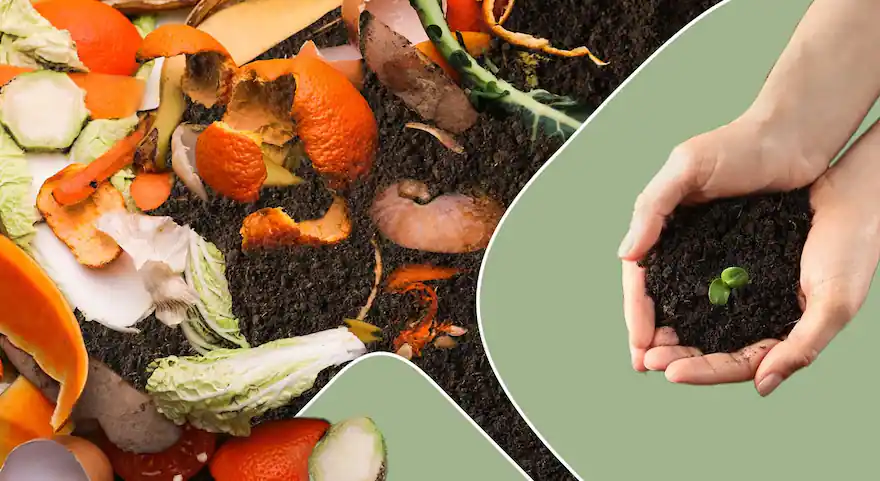
Kitchen waste is one of the most overlooked resources in home gardening. Fruit peels, vegetable scraps, tea leaves—these can all turn into nutrient-rich compost.
what I started composting
| Waste Type | Compost Value |
|---|---|
| Vegetable peels | High nutrient content |
| Fruit scraps | Adds moisture |
| Tea leaves | Improves texture |
| Eggshells | Adds calcium |
| Coffee grounds | Boosts nitrogen |
how it reduced my costs
| Expense Category | Before Composting | After Composting |
|---|---|---|
| Soil enhancers | Frequent purchase | Rarely needed |
| Fertilizers | Regular expense | Minimal |
I didn’t use any fancy composting system. Just a container with holes, some patience, and occasional mixing.
The result? Healthier soil, better growth, and less waste going into the bin.
idea 3: grow from seeds and cuttings instead of buying plants
Buying fully grown plants is convenient—but expensive over time.
I learned this after realizing I could grow multiple plants from a single pack of seeds or even from kitchen leftovers.
examples that worked surprisingly well
| Plant Type | Method Used | Success Rate |
|---|---|---|
| Coriander | Seeds | High |
| Tomatoes | Seeds from fruit | Medium–High |
| Mint | Stem cuttings | Very high |
| Green onions | Root regrowth | Very high |
| Chilies | Dried seeds | High |
There’s something satisfying about watching a plant grow from scratch. It takes more time, but the cost difference is significant.
cost comparison
| Method | Cost per Plant |
|---|---|
| Buying seedlings | High |
| Growing from seed | Very low |
| Using cuttings | Almost zero |
I still buy plants occasionally—but only when necessary.
idea 4: use natural fertilizers instead of store-bought ones
Fertilizers can quickly become a recurring expense. I learned to replace many of them with simple, natural alternatives.
These aren’t complicated recipes. Most of them come from everyday household waste.
natural fertilizer options I used
| Material | Benefit | How to Use |
|---|---|---|
| Banana peels | Potassium boost | Chop and bury in soil |
| Eggshell powder | Calcium source | Mix into soil |
| Rice water | Mild nutrients | Use for watering |
| Compost tea | Balanced nutrition | Dilute and spray |
what changed after switching
| Factor | Before | After |
|---|---|---|
| Plant growth | Moderate | Improved |
| Leaf color | Pale | Rich green |
| Expenses | Ongoing | Minimal |
The biggest advantage here isn’t just cost—it’s sustainability.
idea 5: maximize small spaces with vertical gardening
Space can become a limitation, especially in urban settings. Instead of expanding outward, I started growing upward.
Vertical gardening helped me grow more plants in less space without spending extra money.
simple vertical ideas that worked
| Setup Type | Materials Used |
|---|---|
| Bottle wall | Plastic bottles, string |
| Wooden pallet | Reused pallet structure |
| Hanging pots | Old containers, rope |
| Shelf gardening | Existing furniture |
space efficiency comparison
| Setup Type | Plants per Area |
|---|---|
| Traditional | Low |
| Vertical | 2x–3x more |
It also made watering easier and improved airflow between plants.
idea 6: collect and reuse water efficiently
Water bills can creep up if you’re not careful. I didn’t notice it at first, but regular watering added to my monthly expenses.
So I started reusing water wherever possible.
safe water sources I used
| Source | Usage |
|---|---|
| Vegetable rinse water | Watering plants |
| Rice washing water | Nutrient boost |
| Stored rainwater | General watering |
water savings estimate
| Practice | Water Use Reduction |
|---|---|
| Tap-only watering | Baseline |
| Reused water | Reduced significantly |
This change didn’t just save money—it made me more mindful of resource usage.
combined impact of all ideas
When I applied all six ideas together, the difference was noticeable—not just in cost, but in how my garden functioned overall.
overall comparison
| Factor | Before Changes | After Changes |
|---|---|---|
| Monthly cost | High | Low |
| Plant health | Inconsistent | Stable |
| Yield | Moderate | Higher |
| Waste generated | High | Reduced |
what I learned along the way
Budget gardening isn’t about doing less—it’s about doing things differently.
Some of the most effective changes came from simply observing what I already had and using it better. It also made gardening feel more creative, less like a checklist of things to buy.
A few lessons that stayed with me:
- You don’t need expensive tools to grow healthy plants
- Waste can often become a resource
- Small adjustments can lead to big savings
- Experimentation is part of the process
final thoughts
If you’re just starting out, it’s easy to assume that gardening requires investment. And while some spending is unavoidable, much of it can be reduced—or eliminated—with a little creativity.
The six ideas above aren’t complicated or time-consuming. They’re practical, adaptable, and proven through trial and error.
More importantly, they make gardening accessible. You don’t need a large budget to grow your own food or create a green space at home.
You just need to start with what you have.
frequently asked questions (faqs)
- can I really garden without spending much money?
Yes, many gardening essentials can be replaced with household items and natural alternatives, significantly reducing costs.
- what is the cheapest way to start a home garden?
Start with reused containers, basic soil, and seeds or cuttings. Avoid buying expensive tools initially.
- are homemade fertilizers effective?
Yes, natural options like compost, banana peels, and rice water can provide essential nutrients for plant growth.
- how do I grow plants in a small space?
Use vertical gardening techniques like hanging containers or wall-mounted setups to maximize space.
- is composting difficult for beginners?
Not really. A simple container and regular kitchen waste are enough to start basic composting at home.
- how can I reduce water usage in gardening?
Reuse water from washing vegetables, collect rainwater, and avoid overwatering by checking soil moisture first.
If you want, I can also turn this into a monetized blog post with affiliate sections, add SEO keywords, or format it for publishing platforms like Medium or WordPress.