
6 Indoor Home Gardening Plants That Thrive Anywhere
There’s something quietly reassuring about having plants indoors. Not in a decorative, perfectly styled way—but in a lived-in, slightly imperfect way where a leaf leans toward the light and a pot sits where it fits rather than where it “should.”
I didn’t start with a plan to build an indoor garden. It happened gradually. A plant here, another there. Some survived. Some didn’t. But over time, I noticed a pattern: a few plants didn’t just survive—they adapted. They tolerated inconsistent watering, uneven light, and the general unpredictability of everyday life.
Those are the plants worth talking about.
If you’re building an indoor garden—or trying again after a few failed attempts—these six plants are the ones that quietly thrive almost anywhere. They don’t demand perfection. They adjust, recover, and keep growing.
snake plant (the one that refuses to give up)
The first time I ignored a plant for weeks and found it completely fine, it was a snake plant. That’s when I realized not all plants are fragile.
Snake plants are often described as “low-maintenance,” but that doesn’t fully capture it. They’re resilient in a way that feels almost stubborn.
why it thrives anywhere
It tolerates low light, irregular watering, and dry indoor air. In fact, it often does better when you leave it alone.
care overview
| Factor | Requirement |
|---|---|
| Light | Low to bright indirect |
| Water | Every 2–3 weeks |
| Soil | Well-draining |
| Temperature | 15–30°C |
common mistakes and outcomes
| Mistake | Result |
|---|---|
| Overwatering | Root rot |
| Too much attention | Slower growth |
| Low light | Still survives |
growth pattern
| Condition | Growth Speed |
|---|---|
| Ideal light | Moderate |
| Low light | Slow |
| Neglected care | Stable |
There’s a reason this plant shows up in so many homes—it doesn’t punish you for being busy.
pothos (the adaptable climber)
If there’s one plant that feels forgiving, it’s pothos. It grows in ways that make you feel like you’re doing something right, even if you’re just figuring things out.
I’ve grown pothos in water, in soil, in bright rooms, and in corners that barely get light. It adapts.
why it thrives anywhere
It adjusts to different environments and keeps growing even when conditions aren’t ideal.
care overview
| Factor | Requirement |
|---|---|
| Light | Low to bright indirect |
| Water | When soil dries |
| Growth type | Trailing/climbing |
| Maintenance | Occasional pruning |
propagation ease
| Method | Difficulty | Success Rate |
|---|---|---|
| Water cutting | Easy | Very high |
| Soil cutting | Easy | High |
growth behavior
| Environment | Result |
|---|---|
| Bright space | Faster growth |
| Low light | Slower but steady |
| Hanging setup | Long trailing vines |
It’s the kind of plant that makes a space feel fuller without asking for much in return.
spider plant (quietly productive)
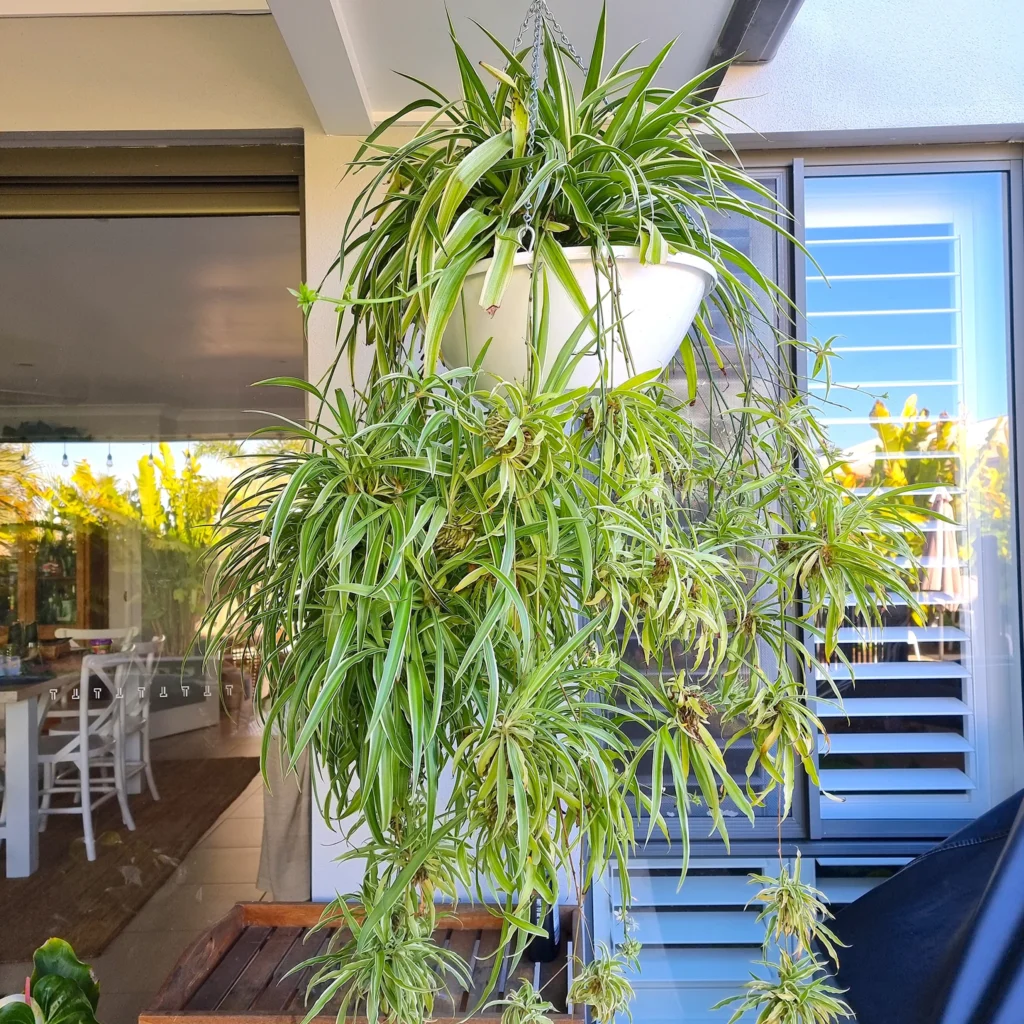
The spider plant doesn’t try to stand out—but over time, it becomes one of the most rewarding plants to have.
What makes it interesting is how it reproduces. It sends out small offshoots, almost like it’s expanding its presence without being asked.
why it thrives anywhere
It tolerates a wide range of conditions and continues growing even with basic care.
care overview
| Factor | Requirement |
|---|---|
| Light | Bright indirect |
| Water | Moderate |
| Soil | Light, airy |
| Humidity | Average indoor levels |
growth characteristics
| Feature | Description |
|---|---|
| Offshoots | Small baby plants |
| Spread | Gradual expansion |
| Maintenance | Minimal |
propagation chart
| Step | Action |
|---|---|
| Identify offshoot | Wait until roots form |
| Cut gently | Separate from parent |
| Replant | Soil or water |
There’s something satisfying about a plant that quietly multiplies.
peace lily (the expressive one)
Not all plants communicate clearly—but the peace lily does. When it needs water, it droops. When it’s happy, it stands tall.
At first, I thought the drooping meant something was wrong. Later, I realized it was simply asking for water.
why it thrives anywhere
It adapts to indoor conditions and clearly signals its needs.
care overview
| Factor | Requirement |
|---|---|
| Light | Low to medium indirect |
| Water | When leaves droop |
| Soil | Moist but not soggy |
| Temperature | Warm indoor climate |
response behavior
| Condition | Plant Reaction |
|---|---|
| Dry soil | Leaves droop |
| Watered | Recovers quickly |
| Low light | Fewer blooms |
growth observation
| Environment | Outcome |
|---|---|
| Bright indirect | Regular flowering |
| Low light | Stable foliage |
It’s one of the few plants that feels almost interactive.
zz plant (low effort, high tolerance)
The ZZ plant is often described as “indestructible,” and while that might be an exaggeration, it’s not far off.
I placed one in a dim corner once, mostly because I had no better spot. It stayed there for months—and kept growing.
why it thrives anywhere
It stores water in its roots, making it highly drought-tolerant.
care overview
| Factor | Requirement |
|---|---|
| Light | Low to bright indirect |
| Water | Every 2–3 weeks |
| Soil | Well-draining |
| Maintenance | Very low |
resilience chart
| Condition | Result |
|---|---|
| Low light | Thrives |
| Irregular water | Tolerates well |
| Neglect | Survives easily |
growth pattern
| Care Level | Growth Speed |
|---|---|
| Ideal care | Moderate |
| Minimal care | Slow |
It’s the kind of plant you almost forget about—and that’s exactly why it works.
herbs (practical and rewarding)
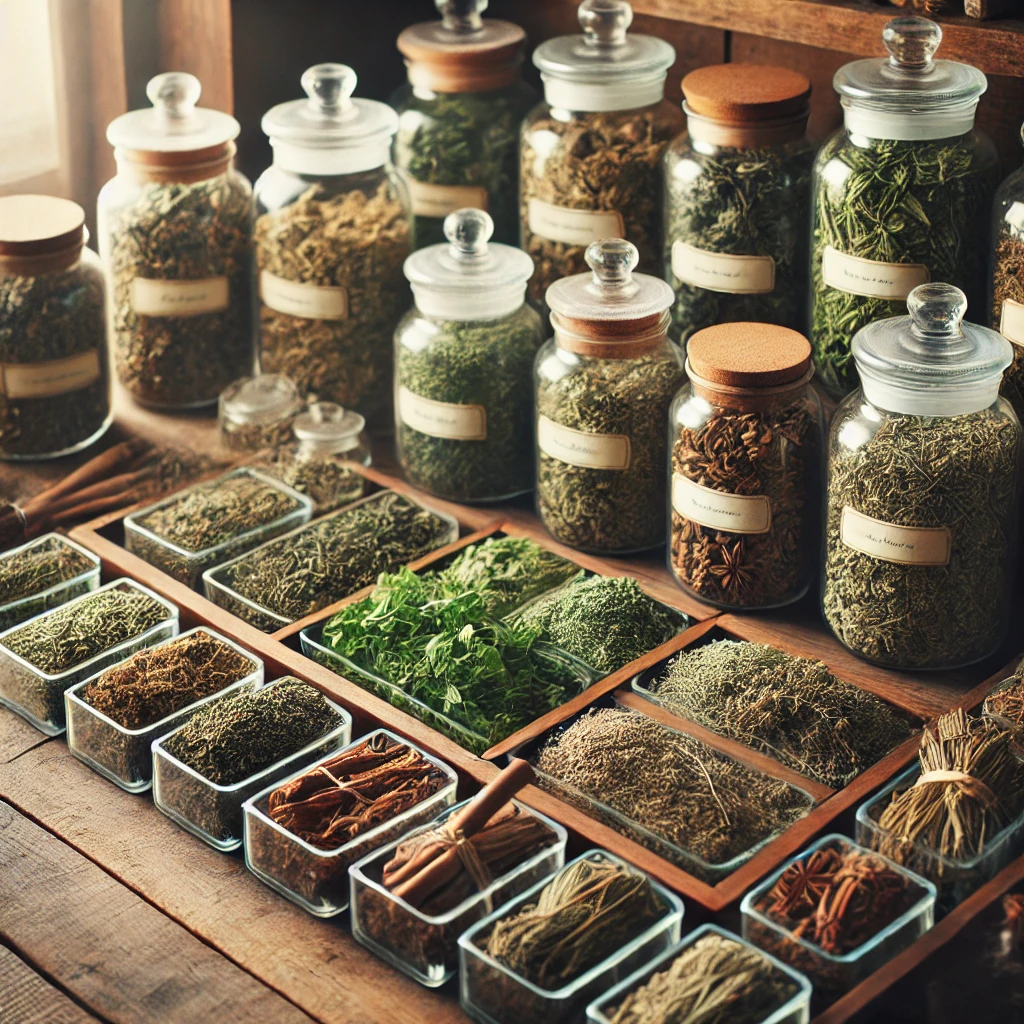
Not all indoor plants are just for looks. Herbs bring something extra—they become part of your routine.
Growing herbs indoors changed how I thought about gardening. It wasn’t just about growth—it was about use.
why they thrive anywhere
Many herbs adapt well to indoor conditions, especially near windows.
common indoor herbs
| Herb | Growth Ease | Usage |
|---|---|---|
| Basil | Easy | Cooking |
| Mint | Very easy | Drinks, garnish |
| Coriander | Moderate | Fresh dishes |
| Parsley | Easy | Everyday meals |
care basics
| Factor | Requirement |
|---|---|
| Light | 4–6 hours sunlight |
| Water | Regular but light |
| Soil | Nutrient-rich |
harvest cycle
| Herb | Time to Harvest |
|---|---|
| Basil | 3–4 weeks |
| Mint | 2–3 weeks |
| Coriander | 3–4 weeks |
There’s a different kind of satisfaction in using something you grew yourself.
comparison of all six plants
| Plant | Light Needs | Watering | Difficulty | Growth Speed |
|---|---|---|---|---|
| Snake plant | Low–bright | Low | Very easy | Slow |
| Pothos | Low–bright | Moderate | Easy | Moderate |
| Spider plant | Bright indirect | Moderate | Easy | Moderate |
| Peace lily | Low–medium | Moderate | Easy | Moderate |
| ZZ plant | Low–bright | Low | Very easy | Slow |
| Herbs | Medium–bright | Moderate | Medium | Fast |
what makes a plant thrive anywhere
It’s not just about toughness. It’s about flexibility.
Plants that thrive indoors tend to:
- Adapt to different light levels
- Tolerate irregular care
- Recover quickly from stress
- Grow steadily without demanding precision
These qualities matter more than appearance or popularity.
final thoughts
Indoor gardening doesn’t have to be complicated. It doesn’t require perfect lighting, strict schedules, or constant attention.
Sometimes, it’s about choosing the right plants—ones that meet you where you are.
The six plants in this list aren’t rare or exotic. But they’re reliable. They adjust. They grow quietly in the background of your daily life.
And over time, they change how your space feels.
frequently asked questions (faqs)
- which indoor plant is best for beginners?
Snake plants and pothos are among the easiest for beginners due to their low maintenance and adaptability.
- how often should I water indoor plants?
It depends on the plant, but generally, watering when the top layer of soil feels dry works well.
- can indoor plants survive without sunlight?
Most plants need at least some indirect light. However, plants like ZZ and snake plants tolerate low-light conditions.
- why are my indoor plant leaves turning yellow?
This is often caused by overwatering, poor drainage, or lack of nutrients.
- are herbs difficult to grow indoors?
Not really. With enough light and regular watering, herbs can grow well indoors.
- do indoor plants improve air quality?
Some plants can help improve air quality slightly, but their main benefit is aesthetic and psychological.
If you’d like, I can also optimize this for SEO, add internal linking structure, or format it for publishing on blogs or affiliate websites.