
7 Essential Home Gardening Hacks for Beginners
Introduction
Starting a home garden often feels like stepping into a completely new world. You imagine lush green leaves, fresh vegetables, and colorful flowers—but reality can sometimes look more like wilted plants and confusing instructions. The truth is, gardening isn’t difficult; it’s just misunderstood.
Many beginners fail not because they lack effort, but because they overlook simple, practical hacks that make gardening easier and more efficient. These small tricks—often learned through experience—can completely change how your garden grows and thrives.
This guide breaks down 7 essential gardening hacks that are simple, affordable, and beginner-friendly. Along the way, you’ll also find tables, comparisons, and practical insights that go beyond basic advice—so you can build confidence and see real results.
Hack #1: Start Small, Not Smart
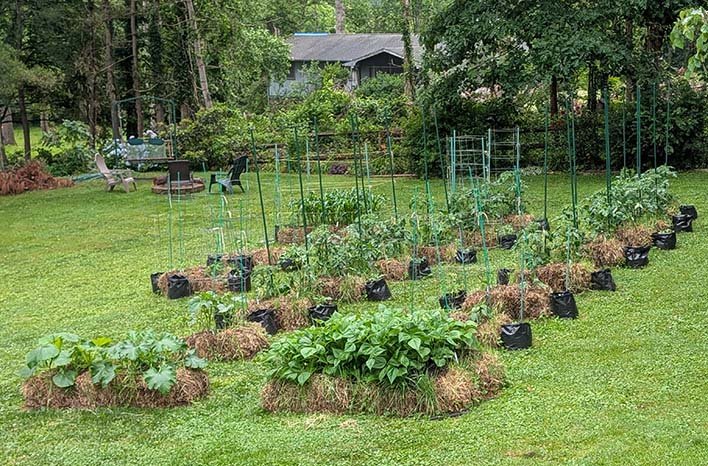
One of the biggest beginner mistakes is trying to grow everything at once. A large garden may look appealing, but it quickly becomes overwhelming.
Instead, start small. Focus on 3–5 plants and learn their behavior.
Why Starting Small Works
| Factor | Small Garden | Large Garden |
|---|---|---|
| Maintenance | Easy | Overwhelming |
| Learning Speed | Fast | Confusing |
| Cost | Low | High |
| Success Rate | Higher | Lower |
Beginner Tip
Choose plants that are forgiving, such as:
- Mint
- Basil
- Spinach
- Tomatoes
These plants grow quickly and show visible progress, which keeps you motivated.
Hack #2: Understand Your Soil Before Anything Else
Many beginners focus on seeds and watering—but ignore the soil. Soil is not just dirt; it’s a living ecosystem.
Types of Soil and Their Impact
| Soil Type | Texture | Water Retention | Best For |
| Sandy | Loose | Low | Root vegetables |
| Clay | Dense | High | Shrubs |
| Loamy | Balanced | Medium | Most plants |
Simple Soil Test at Home
Take a handful of soil and squeeze it:
- Falls apart → Sandy
- Stays solid → Clay
- Crumbles slightly → Ideal (Loamy)
Quick Hack
Mix kitchen compost or organic matter into your soil. It instantly improves structure and fertility.
Hack #3: Water Smarter, Not More
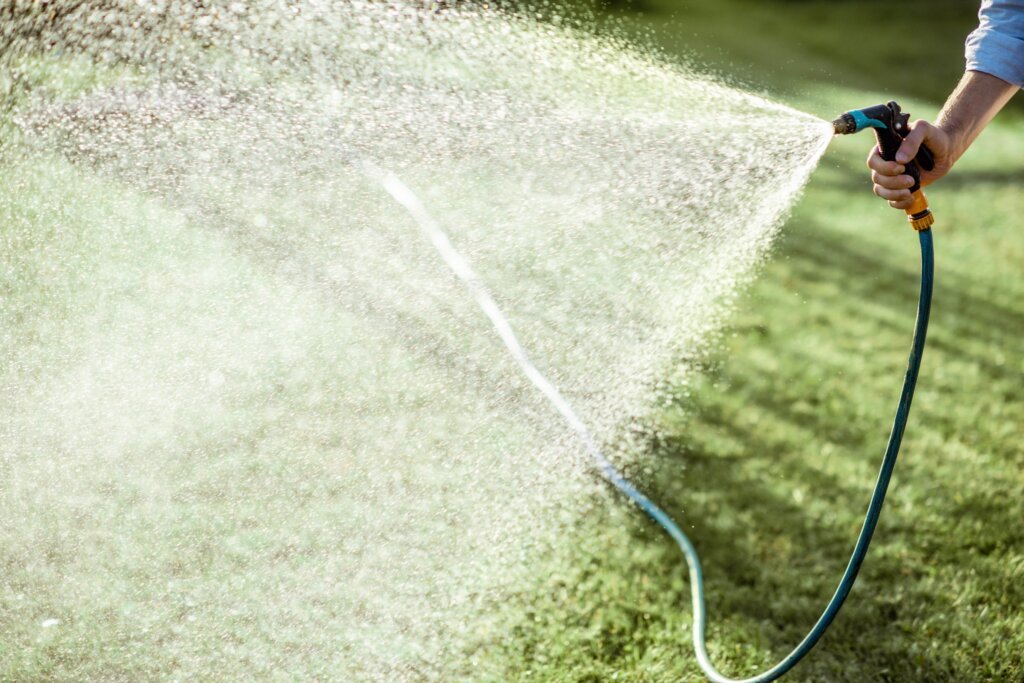
Overwatering kills more plants than underwatering. Beginners often assume more water equals better growth—but plants need balance.
Watering Guide
| Plant Type | Water Frequency | Signs of Overwatering | Signs of Underwatering |
| Herbs | 2–3 times/week | Yellow leaves | Dry edges |
| Vegetables | Daily/light | Root rot | Wilting |
| Succulents | Once/week | Mushy leaves | Shrinking |
Golden Rule
Water early morning or evening to reduce evaporation.
Pro Hack
Stick your finger 1 inch into the soil:
- Dry → Water
- Moist → Wait
Hack #4: Use Kitchen Waste as Fertilizer
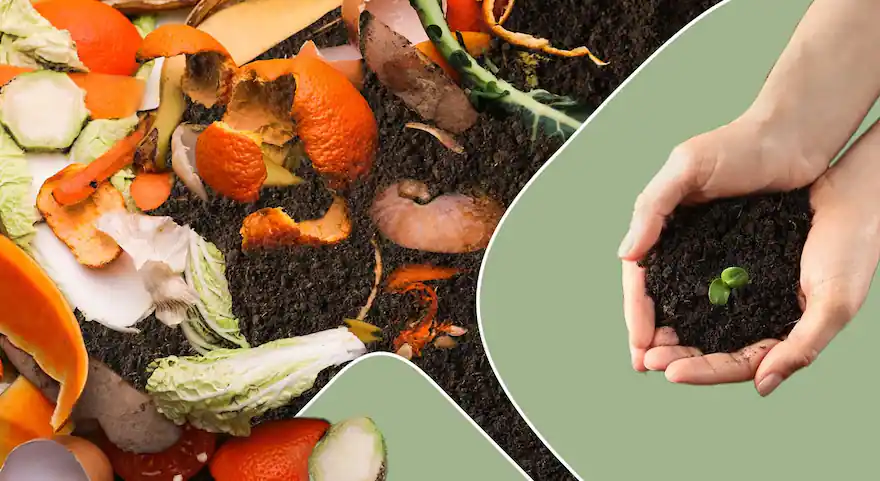
You don’t need expensive fertilizers. Your kitchen already provides powerful nutrients.
Everyday Waste You Can Use
| Waste Item | Nutrient Provided | Best For |
| Banana peels | Potassium | Flowering plants |
| Eggshells | Calcium | Tomatoes |
| Coffee grounds | Nitrogen | Leafy greens |
| Vegetable scraps | Organic matter | All plants |
How to Use
- Dry and crush eggshells before adding
- Chop banana peels into small pieces
- Compost scraps instead of throwing them away
Bonus Insight
This method not only feeds plants but also reduces household waste.
Hack #5: Sunlight Is More Important Than Water
Many beginners place plants where they look good—not where they grow best.
Sunlight Requirements
| Plant Type | Sunlight Needed |
| Leafy greens | 4–6 hours |
| Fruiting plants | 6–8 hours |
| Indoor plants | Indirect light |
Simple Observation Trick
Track sunlight in your space for one day:
- Morning sun → Mild
- Afternoon sun → Strong
- Full-day sun → Ideal for vegetables
Quick Fix
If sunlight is limited:
- Rotate plants regularly
- Use reflective surfaces (like white walls)
Hack #6: Reuse Containers Creatively
Gardening doesn’t require fancy pots. You can grow plants in almost anything.
Container Ideas
| Item | Suitable For |
| Plastic bottles | Herbs |
| Old buckets | Vegetables |
| Tin cans | Small plants |
| Wooden crates | Flowers |
Important Note
Always ensure:
- Drainage holes exist
- Containers are clean
Cost Comparison
| Option | Average Cost |
| Store-bought pots | High |
| Recycled containers | Free |
Hack #7: Learn From Your Plants (Observation Is Key)
Your plants constantly communicate through their leaves, color, and growth patterns.
Common Plant Signals
| Symptom | Meaning |
| Yellow leaves | Too much water |
| Brown tips | Lack of humidity |
| Slow growth | Nutrient deficiency |
| Drooping leaves | Water stress |
Daily 2-Minute Routine
Spend just 2 minutes observing:
- Leaf color
- Soil condition
- Growth changes
This habit alone can prevent most gardening failures.
Bonus Section: Beginner-Friendly Plant Chart
| Plant | Difficulty Level | Growth Time | Ideal For |
| Mint | Very Easy | Fast | Beginners |
| Basil | Easy | Medium | Cooking |
| Tomatoes | Moderate | Medium | Home harvest |
| Spinach | Easy | Fast | Nutrition |
| Aloe Vera | Very Easy | Slow | Indoor use |
Common Beginner Mistakes (And How to Avoid Them)
| Mistake | Solution |
| Overwatering | Follow soil check method |
| Wrong plant placement | Study sunlight |
| Ignoring soil quality | Add compost |
| Planting too many crops | Start small |
Final Thoughts
Gardening is not about perfection—it’s about patience. Every gardener, no matter how experienced, started exactly where you are now.
These 7 hacks are not complicated techniques; they are simple adjustments that create powerful results. When you combine observation, consistency, and a little creativity, gardening becomes less of a task and more of a rewarding routine.
The most important thing? Start today. Even a single pot can be the beginning of something meaningful.
Frequently Asked Questions (FAQs)
1. How often should I water my plants as a beginner?
It depends on the plant, but generally 2–3 times a week is enough. Always check the soil before watering.
2. What are the easiest plants to grow at home?
Mint, basil, spinach, and aloe vera are among the easiest and most beginner-friendly plants.
3. Can I garden without a backyard?
Yes, container gardening works perfectly on balconies, windowsills, or even indoors.
4. Do I need expensive tools to start gardening?
No. Basic tools and recycled containers are enough to begin.
5. How long does it take to see results?
Some plants like herbs grow within weeks, while others may take a few months.
6. What is the biggest mistake beginners make?
Overwatering and planting too much at once are the most common mistakes.
Conclusion
Home gardening doesn’t require expertise—it requires awareness. Once you understand the basic needs of plants and apply these simple hacks, success becomes much easier.
Start small, stay consistent, and enjoy the process. Your garden will grow—and so will your confidence.