
7 Secret Home Gardening Tips Experts Don’t Share
There’s a certain point in gardening where basic advice stops being enough. You’ve already learned how to water plants, you understand sunlight, and you’ve probably experimented with soil mixes. Yet something still feels slightly off. Growth is decent, but not exceptional. Plants survive, but don’t always thrive.
That’s usually where the “unspoken” part of gardening begins.
It’s not that experienced gardeners are hiding things on purpose. It’s more that some of the most useful insights come from trial, observation, and small adjustments that aren’t always written in guides. They’re subtle, sometimes counterintuitive, and often overlooked.
Over time, I started noticing these patterns—things that made a noticeable difference but weren’t commonly emphasized. These are the kinds of tips that quietly improve everything once you start applying them.
tip 1: slightly stress your plants for stronger growth
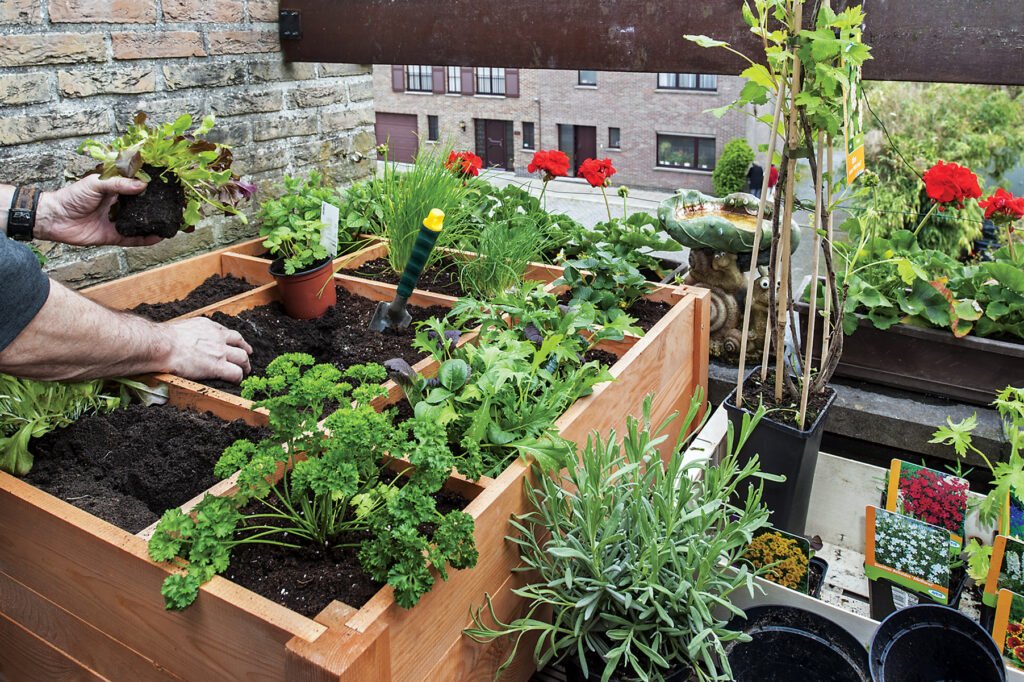
At first, this idea feels wrong. Why would you intentionally stress a plant? But controlled, mild stress can actually make plants stronger.
In nature, plants aren’t pampered. They deal with wind, irregular water, and changing conditions. When everything is perfectly controlled, growth can become soft and weak.
what controlled stress looks like
| Type of Stress | Controlled Approach |
|---|---|
| Water stress | Let soil dry slightly |
| Light variation | Rotate plant positions |
| Air movement | Allow gentle airflow |
observed effects
| Condition | Result |
|---|---|
| No stress | Fast but weak growth |
| Mild stress | Stronger stems |
| Excess stress | Damage |
The key is balance. Too much stress harms plants, but a little can improve resilience.
tip 2: roots need air more than you think
Most beginner advice focuses on watering, but rarely on oxygen. Roots don’t just absorb water—they need air pockets in the soil.
When soil becomes compacted or overly wet, those air spaces disappear.
soil aeration impact
| Soil Condition | Root Health |
|---|---|
| Loose soil | Strong root growth |
| Compacted soil | Limited development |
| Waterlogged | Root rot risk |
simple aeration methods
| Method | Frequency |
|---|---|
| Loosening topsoil | Weekly |
| Adding perlite | During mixing |
| Avoid overwatering | Ongoing |
Once I started focusing on aeration, plant growth became more consistent.
tip 3: morning routines matter more than evening care
For a long time, I watered plants in the evening. It seemed convenient. But switching to morning care changed how plants responded.
Plants use water most efficiently during the day, when photosynthesis is active.
watering time comparison
| Time of Day | Effect on Plants |
|---|---|
| Morning | Efficient absorption |
| Afternoon | High evaporation |
| Evening | Risk of excess moisture |
daily care benefits
| Practice | Outcome |
|---|---|
| Morning watering | Better hydration |
| Early inspection | Quick issue detection |
It’s a small change, but it aligns with how plants naturally function.
tip 4: not all yellow leaves mean the same thing
Yellow leaves are often treated as a single problem with a single solution. In reality, they can mean very different things.
leaf color diagnosis
| Yellowing Pattern | Possible Cause |
|---|---|
| Lower leaves only | Natural aging |
| Entire plant | Overwatering |
| Pale yellow | Nutrient deficiency |
| Yellow with spots | Pest or disease |
reaction guide
| Observation | Action |
|---|---|
| Isolated leaves | Remove, monitor |
| Widespread issue | Check watering/soil |
Learning to read these differences prevents unnecessary changes.
tip 5: container size affects more than just roots
It’s easy to think of pots as simple containers. But their size affects moisture retention, nutrient availability, and even temperature.
container size effects
| Pot Size | Impact on Growth |
|---|---|
| Too small | Restricted roots |
| Too large | Excess moisture |
| مناسب size | Balanced growth |
watering behavior by size
| Pot Type | Water Retention |
|---|---|
| Small pots | Dries quickly |
| Large pots | Retains moisture longer |
Choosing the right size creates a more stable environment for plants.
tip 6: microclimates exist even in small spaces
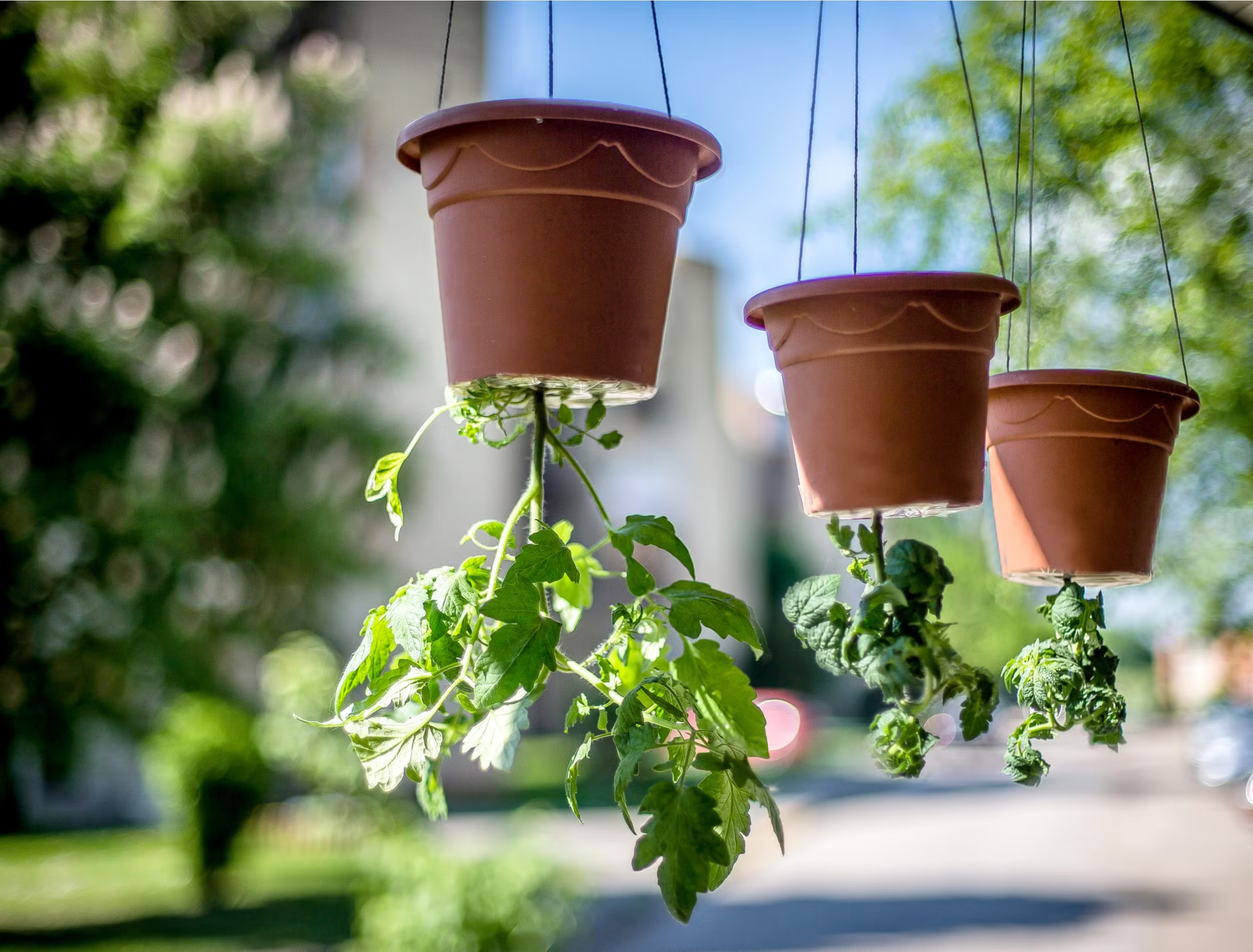
I used to think my balcony or room had one consistent environment. It doesn’t.
Even small spaces have microclimates—areas with slightly different light, temperature, and airflow.
example microclimates
| Location | Condition |
|---|---|
| Near window | Bright, warmer |
| Corner | Low light, cooler |
| Near walls | Less airflow |
plant placement strategy
| Microclimate | Suitable Plants |
|---|---|
| Bright spots | Sun-loving plants |
| Shaded corners | Low-light plants |
Once I started using these zones, plant performance improved noticeably.
tip 7: consistency beats perfection
This might be the most overlooked truth in gardening.
You don’t need perfect soil, perfect lighting, or perfect timing. What matters more is consistency—steady care, regular observation, and small adjustments over time.
consistency vs perfection
| Approach | Result |
|---|---|
| Perfect setup | Hard to maintain |
| Consistent care | Reliable growth |
daily habits that matter
| Habit | Impact |
|---|---|
| Regular checking | Early problem detection |
| Stable watering | Balanced growth |
| Gradual changes | Reduced stress |
Gardening becomes easier when you stop chasing perfection.
combined impact of these “secret” tips
After applying these ideas together, the changes were subtle but consistent.
performance comparison
| Factor | Before Applying Tips | After Applying Tips |
|---|---|---|
| Growth strength | Moderate | Strong |
| Plant resilience | Low | High |
| Problem frequency | Frequent | Reduced |
| Maintenance effort | Reactive | Controlled |
patterns that experts rely on (but rarely explain)
Over time, certain patterns become clear:
- Plants respond to balance more than extremes
- Small environmental changes have large effects
- Observation is more valuable than routine
- Growth improves when conditions feel natural, not forced
These aren’t secrets in the traditional sense. They’re just things that become obvious only after experience.
final thoughts
Gardening doesn’t become easier because you learn more—it becomes easier because you start noticing more.
The tips in this guide aren’t complicated. They don’t require special tools or expensive products. But they shift how you approach plant care.
Instead of reacting to problems, you start preventing them. Instead of guessing, you observe. Instead of forcing growth, you create conditions where it happens naturally.
That’s the difference.
frequently asked questions (faqs)
- are these “secret” tips suitable for beginners?
Yes, they are simple adjustments that can be applied at any experience level.
- how do I know if my plant is stressed too much?
Look for signs like wilting, leaf drop, or discoloration. Mild stress should not cause damage.
- can soil aeration really improve growth?
Yes, better aeration allows roots to access oxygen, which supports healthier development.
- why is morning watering better than evening?
Plants absorb water more efficiently during the day, reducing the risk of excess moisture.
- do all plants need the same care routine?
No, different plants have different needs. Observing each plant individually works best.
- how long does it take to see results from these tips?
Some changes, like improved watering habits, show results within days, while others take a few weeks.