
7 Smart Home Gardening Tips for Healthy Plants
When I first started growing plants at home, I assumed “healthy plants” simply meant watering them regularly and placing them somewhere with light. It sounded straightforward enough.
But over time, I noticed something frustrating—some plants thrived effortlessly, while others struggled despite receiving the same care. That’s when it became clear: plant health isn’t about doing more, it’s about doing the right things consistently.
These seven tips didn’t come from a single source or guide. They came from observation, mistakes, adjustments, and small improvements that gradually made a noticeable difference. None of them are complicated, but together, they create an environment where plants don’t just survive—they grow properly.
tip 1: understand your plant before trying to care for it
One of the earliest mistakes I made was treating all plants the same.
Same watering routine, same sunlight exposure, same expectations.
That approach failed quickly.
Every plant has slightly different needs. Ignoring those differences leads to problems that feel confusing at first but are actually predictable.
basic plant requirement comparison:
| Plant Type | Water Needs | Light Needs | Growth Behavior |
|---|---|---|---|
| Succulents | Low | Bright light | Slow, steady |
| Leafy greens | Moderate | Partial sun | Fast, responsive |
| Herbs | Moderate | Full/partial sun | Continuous growth |
what changed everything:
Before bringing a plant home, I started learning just a little about what it needs. That small step prevented a lot of avoidable mistakes.
tip 2: focus on soil quality, not just watering
For a long time, I believed watering was the most important part of plant care.
It isn’t.
Soil plays an equally important role, and poor soil can quietly limit growth even if everything else seems right.
soil quality breakdown:
| Soil Feature | Why It Matters |
| Drainage | Prevents root rot |
| Texture | Allows roots to expand |
| Nutrient content | Supports steady growth |
what I noticed:
Plants in better soil didn’t just grow faster—they looked healthier, with stronger stems and richer color.
tip 3: water based on need, not routine
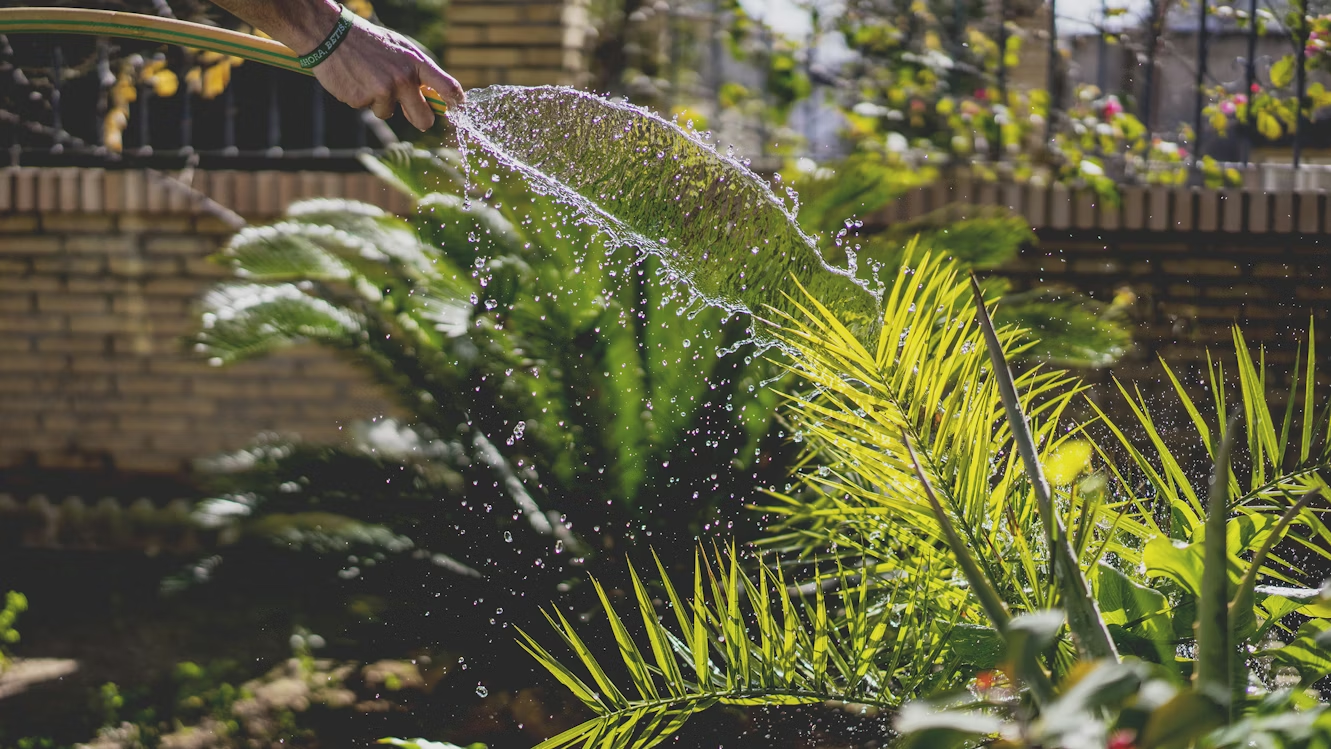
I used to water plants at the same time every day.
It felt organized, but it wasn’t effective.
Plants don’t follow a strict schedule. Their water needs change depending on weather, growth stage, and container size.
signs that helped me adjust:
| Condition | What It Means |
| Dry topsoil | Time to water |
| Moist soil | Wait |
| Drooping leaves | Possible water stress |
new approach:
I started checking the soil instead of the clock. That simple shift improved plant health significantly.
tip 4: give plants the right amount of light, not just any light
Light is one of those factors that’s easy to underestimate.
A bright room doesn’t always mean enough light for plants. Direct sunlight, indirect light, and shade all have different effects.
light requirement guide:
| Light Type | Hours Needed | Suitable Plants |
| Full sunlight | 6–8 hours | Vegetables, herbs |
| Partial sunlight | 3–6 hours | Leafy greens |
| Low light | <3 hours | Indoor foliage plants |
what improved:
Once I started placing plants based on actual light exposure instead of convenience, growth became more consistent.
tip 5: avoid overcrowding your plants
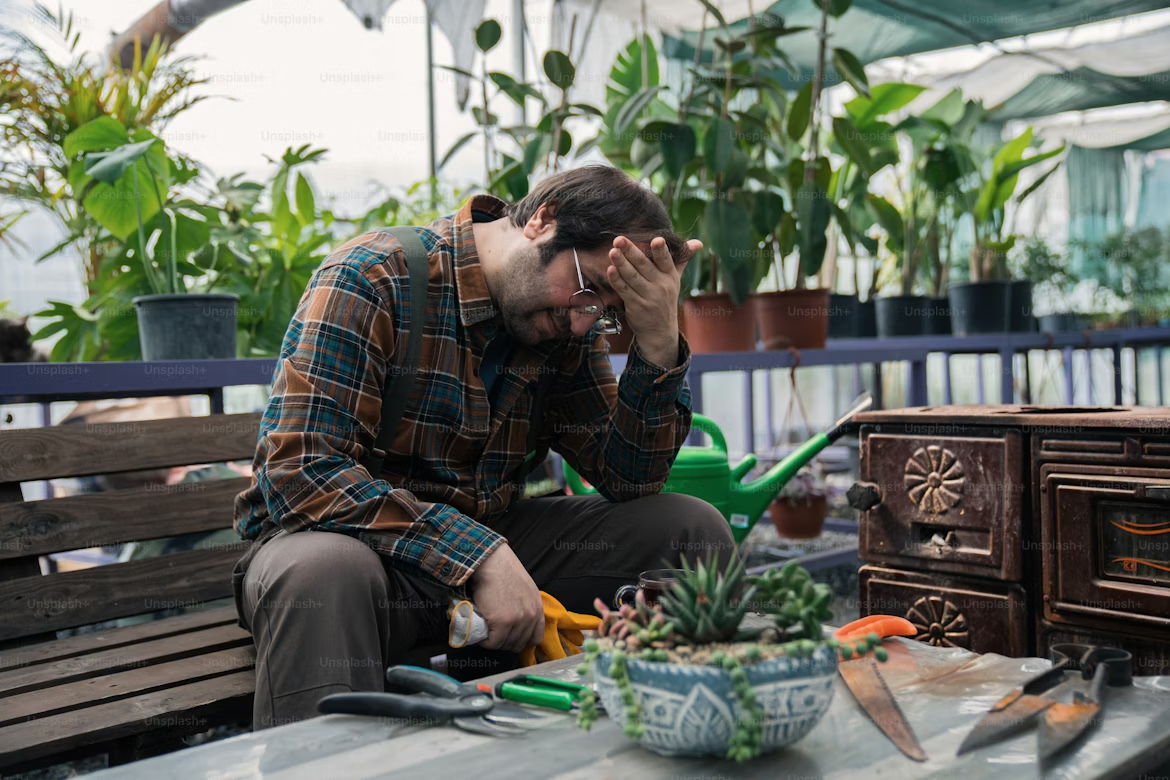
At one point, I tried to fit as many plants as possible into a small space.
It looked full—but not healthy.
Overcrowding reduces airflow, limits access to light, and increases the risk of pests and disease.
spacing comparison:
| Setup Type | Result |
| Overcrowded | Weak growth, poor airflow |
| Proper spacing | Healthy, balanced growth |
what I learned:
Giving plants enough space isn’t wasting room—it’s improving their chances of thriving.
tip 6: observe small changes before they become problems
One of the most useful habits I developed was simply paying attention.
Plants don’t fail suddenly. They show signs early—you just have to notice them.
common early signals:
| Observation | Possible Cause |
| Yellowing leaves | Overwatering |
| Brown edges | Too much sunlight |
| Slow growth | Nutrient deficiency |
what changed:
Instead of reacting to major problems, I started catching small issues early.
tip 7: consistency matters more than perfection
This was probably the most important lesson.
I used to think I needed to do everything perfectly—perfect soil, perfect watering, perfect placement.
That mindset made gardening feel stressful.
what actually works:
| Approach | Outcome |
| Inconsistent effort | Unpredictable results |
| Consistent routine | Stable plant health |
what I do now:
- quick daily checks
- small adjustments
- simple routines
nothing complicated—just consistent.
a simple plant health tracking chart
| Day | Water Check | Light Check | Observation |
| Monday | Yes | Good | Healthy leaves |
| Wednesday | No | Partial | Slight drooping |
| Friday | Yes | Good | Recovered |
keeping track helps identify patterns instead of guessing.
how these tips work together
Individually, each tip improves one aspect of plant care.
Together, they create balance.
- understanding plants prevents mistakes
- good soil supports growth
- proper watering maintains stability
- correct light drives development
- spacing improves airflow
- observation catches issues early
- consistency keeps everything steady
it’s not one big change—it’s several small ones working together.
common habits that harm plant health
before applying these tips, I had habits that quietly affected plant growth:
- watering without checking soil
- placing plants based on convenience
- ignoring early warning signs
- trying to manage too many plants at once
recognizing these habits helped me replace them with better ones.
why “smart” gardening is really about awareness
At first, I thought smart gardening meant using better tools or advanced techniques.
Now I see it differently.
It’s about awareness—understanding what plants need and responding appropriately.
once you develop that awareness:
Everything becomes easier.
a weekly improvement log example
| Week | Adjustment Made | Result |
| 1 | Improved soil quality | Stronger growth |
| 2 | Adjusted watering | Healthier leaves |
| 3 | Changed plant spacing | Better airflow |
| 4 | Monitored daily | Fewer issues overall |
tracking progress reinforces what works.
final thoughts
Healthy plants aren’t the result of complicated techniques or expensive tools.
They’re the result of simple, consistent actions done correctly.
These seven tips didn’t transform my garden overnight, but over time, they created noticeable, lasting improvements.
If you’re struggling with plant health, don’t try to fix everything at once.
Start with one change.
Observe the result.
Then adjust.
That’s how real progress happens.
frequently asked questions
- what is the most important factor for plant health?
There isn’t just one, but proper watering and sunlight are among the most critical. - how often should I check my plants?
A quick daily check is enough to catch most issues early. - can poor soil affect plant growth even with good watering?
Yes, soil quality directly impacts root health and nutrient availability. - how do I know if my plant is getting enough light?
Healthy growth and strong leaves usually indicate sufficient light. - is it okay to keep many plants in a small space?
Only if they are spaced properly to allow airflow and light access. - how long does it take to improve plant health?
You can start seeing improvements within a few weeks after making the right changes.
These tips aren’t complicated—but they work. And once they become part of your routine, healthy plants stop feeling like luck and start feeling predictable.