

7 Smart Home Gardening Tools That Save Time
Home gardening has evolved dramatically over the past decade. What was once a time-consuming hobby that required constant monitoring, manual watering, and guesswork has now become a streamlined and efficient process thanks to smart technology. Whether you’re growing herbs on a windowsill, vegetables in your backyard, or maintaining a decorative indoor garden, smart gardening tools can significantly reduce effort while improving results.
The modern gardener is no longer tied to rigid schedules or dependent on unpredictable weather patterns. Instead, they can rely on automated systems, data-driven insights, and remote control capabilities. These tools not only save time but also help conserve resources, reduce waste, and create healthier plants.
In this article, we will explore seven smart home gardening tools that truly make a difference. Along the way, you’ll find practical insights, comparison tables, and useful data to help you make informed decisions.
- smart irrigation systems
Watering plants is one of the most time-consuming and error-prone aspects of gardening. Too much water can drown roots, while too little can stunt growth. Smart irrigation systems solve this problem by automating the entire process.
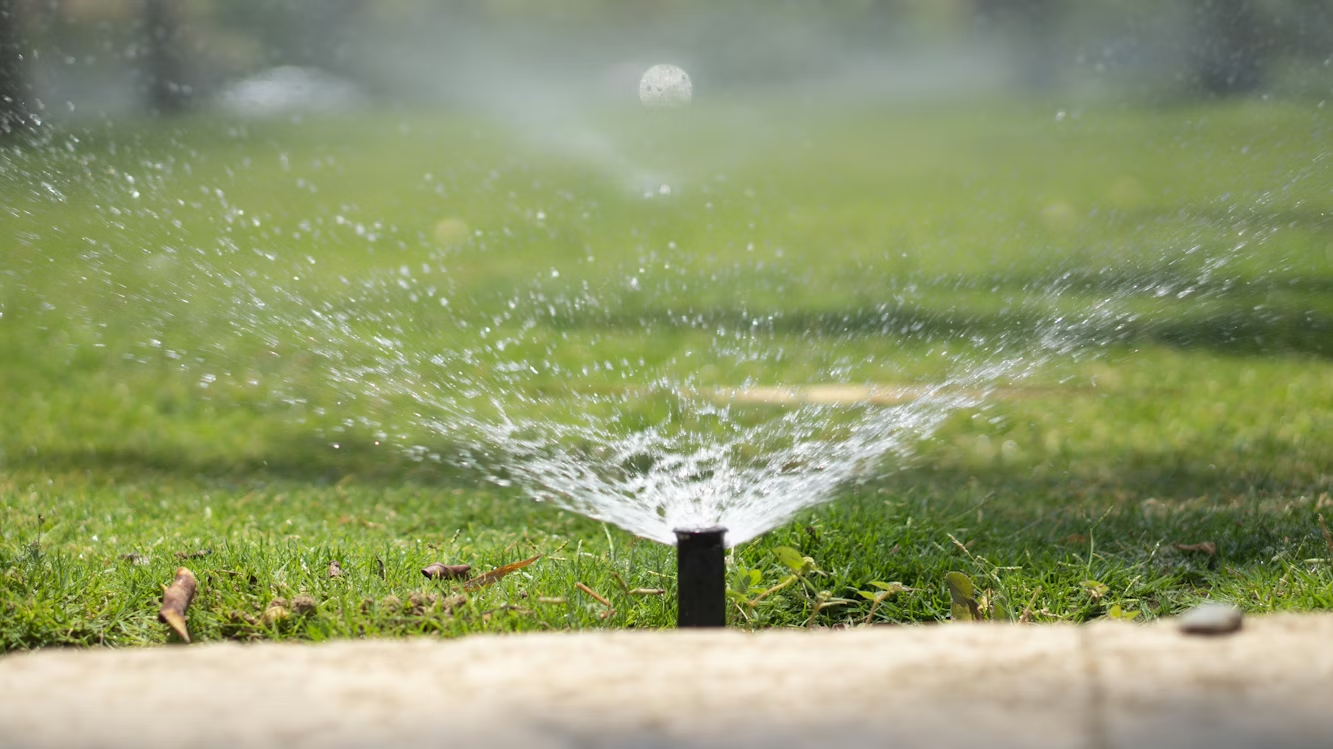
These systems use weather data, soil moisture sensors, and scheduling algorithms to deliver the exact amount of water your plants need. Some systems even adjust watering schedules based on rainfall forecasts or temperature changes.
Key features:
- Automated watering schedules
- Weather-based adjustments
- Remote control via smartphone apps
- Water usage tracking
Benefits:
- Saves hours each week
- Reduces water waste
- Ensures consistent plant health
Comparison table: traditional vs smart irrigation
| Feature | Traditional Watering | Smart Irrigation System |
|---|---|---|
| Time required | High | Low |
| Water efficiency | Low | High |
| Precision | Manual guesswork | Sensor-based |
| Remote access | No | Yes |
| Cost over time | Moderate | Lower (savings) |
- soil moisture sensors
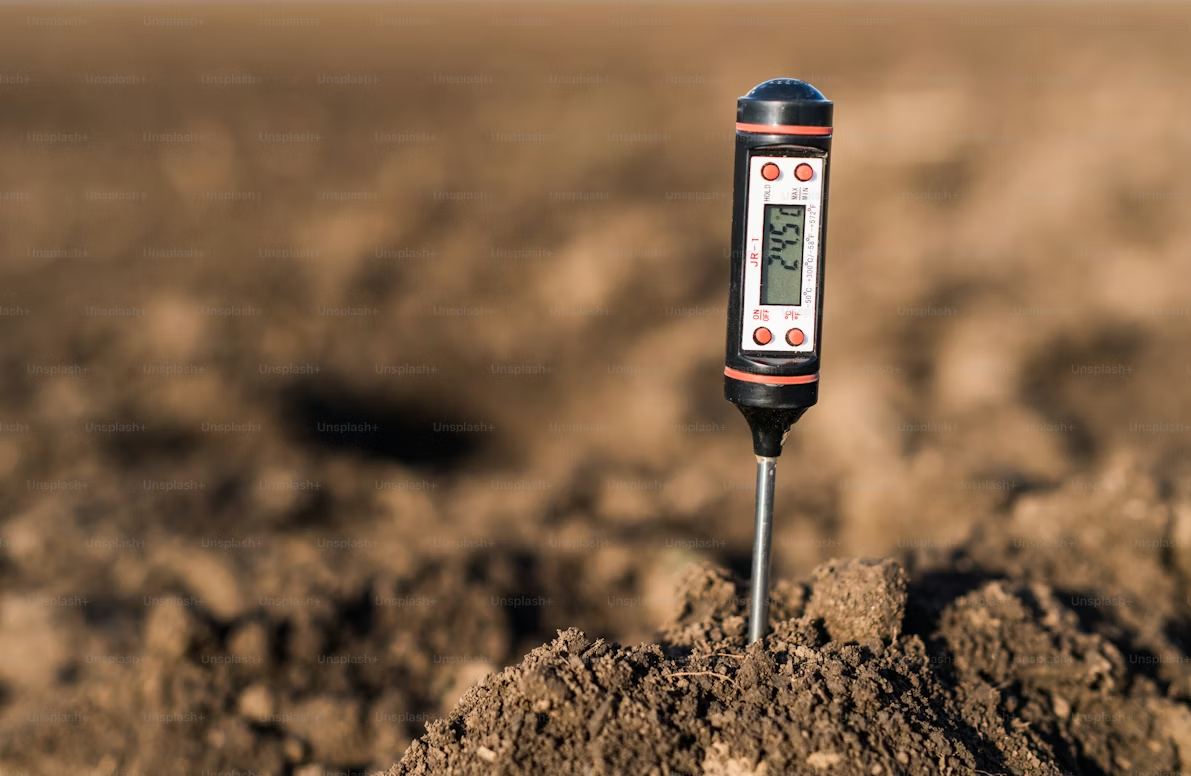
Soil moisture sensors take the guesswork out of watering by providing real-time data about the moisture level in your soil. These small devices are inserted into the soil and connected to a mobile app or smart system.
Instead of checking soil manually, you receive alerts when moisture levels drop below optimal levels.
Key features:
- Real-time moisture readings
- Mobile notifications
- Integration with irrigation systems
Benefits:
- Prevents overwatering
- Improves plant growth
- Saves time on manual checks
Example moisture interpretation chart:
| Moisture Level (%) | Soil Condition | Action Needed |
| 0–20 | Very dry | Immediate watering |
| 21–40 | Dry | Water soon |
| 41–60 | Optimal | No action needed |
| 61–80 | Moist | Monitor |
| 81–100 | Waterlogged | Reduce watering |
- smart plant monitors
Smart plant monitors go beyond soil moisture and track multiple environmental factors such as light intensity, temperature, humidity, and soil nutrients.
These devices act like a personal assistant for your plants, giving tailored recommendations based on the species you’re growing.
Key features:
- Multi-parameter monitoring
- Plant-specific care advice
- Data history tracking
Benefits:
- Helps beginners succeed
- Reduces trial-and-error gardening
- Saves time diagnosing plant issues
Data tracking example:
| Parameter | Ideal Range (Typical Plants) | Smart Monitor Alert |
| Temperature | 18–26°C | Too hot/too cold |
| Humidity | 40–70% | Too dry |
| Light | 6–8 hours/day | Insufficient light |
| Soil nutrients | Balanced | Fertilizer needed |
- automated indoor grow systems
Automated indoor grow systems are complete gardening solutions that include lighting, watering, and nutrient delivery in one unit. These systems are ideal for people with limited space or busy schedules.
They often come with LED grow lights that simulate sunlight and are programmed to provide optimal light cycles for plant growth.
Key features:
- Built-in grow lights
- Automated watering and feeding
- Compact design
Benefits:
- Minimal maintenance required
- Year-round gardening
- Faster plant growth
Efficiency comparison:
| Factor | Traditional Indoor Growing | Automated System |
| Setup complexity | High | Low |
| Daily maintenance | High | Very low |
| Growth speed | Moderate | Fast |
| Success rate | Variable | High |
- robotic lawn mowers
For those with lawns, mowing can be one of the most time-consuming tasks. Robotic lawn mowers automate this process entirely.
These devices navigate your lawn using sensors and mapping technology, trimming grass evenly without human intervention.
Key features:
- Autonomous navigation
- Scheduled mowing
- Obstacle detection
Benefits:
- Saves several hours weekly
- Maintains consistent lawn height
- Quiet and eco-friendly
Time savings estimate:
| Lawn Size | Manual Mowing Time | Robotic Mower Time (User Effort) |
| Small (100 m²) | 30–45 minutes | 5 minutes setup |
| Medium (300 m²) | 1–2 hours | 10 minutes setup |
| Large (600+ m²) | 3+ hours | 15 minutes setup |
- smart composters
Composting is essential for sustainable gardening, but traditional composting takes time and effort. Smart composters accelerate the process using controlled temperature, aeration, and mixing.
These devices turn food waste into usable compost in a matter of days instead of months.
Key features:
- Fast composting cycles
- Odor control systems
- Automated mixing
Benefits:
- Reduces kitchen waste
- Produces nutrient-rich soil quickly
- Saves time and effort
Composting timeline comparison:
| Method | Time Required | Effort Level |
| Traditional | 2–6 months | High |
| Smart composter | 24–72 hours | Low |
- smart garden lighting systems
Lighting plays a critical role in plant growth, especially for indoor gardening. Smart garden lighting systems provide adjustable light intensity and schedules tailored to plant needs.
These systems often sync with apps and can be controlled remotely.
Key features:
- Adjustable brightness
- Automated schedules
- Energy-efficient LEDs
Benefits:
- Promotes healthy growth
- Saves electricity
- Eliminates manual adjustments
Lighting schedule example:
| Plant Type | Light Duration | Intensity Level |
| Herbs | 12–16 hours | Medium |
| Leafy greens | 10–14 hours | Medium-high |
| Flowering plants | 12 hours | High |
| Succulents | 6–8 hours | Low-medium |
integrating smart tools into your gardening routine
Using these tools individually can improve efficiency, but combining them creates a fully automated ecosystem. For example, soil sensors can trigger irrigation systems, while plant monitors provide insights that adjust lighting schedules.
Integration benefits:
- Seamless automation
- Reduced manual intervention
- Better overall plant health
Workflow example:
| Step | Smart Tool Involved |
| Monitor soil | Soil sensor |
| Trigger watering | Smart irrigation |
| Adjust lighting | Smart lighting system |
| Analyze plant health | Plant monitor |
cost vs time savings analysis
While smart gardening tools require an upfront investment, they often pay off in terms of time saved and resource efficiency.
| Tool Type | Average Cost | Time Saved Weekly | ROI Timeline |
| Irrigation system | Medium | 2–4 hours | 6–12 months |
| Soil sensors | Low | 1–2 hours | 3–6 months |
| Plant monitors | Medium | 1–2 hours | 6–12 months |
| Grow systems | High | 3–5 hours | 12–18 months |
| Robotic mower | High | 4–6 hours | 12–24 months |
| Smart composter | Medium | 2–3 hours | 6–12 months |
| Lighting system | Medium | 1–2 hours | 6–12 months |
future of smart gardening
The future of home gardening lies in deeper integration with artificial intelligence and the Internet of Things. Upcoming innovations include:
- Predictive plant care using AI
- Fully autonomous garden ecosystems
- Voice-controlled gardening assistants
- Advanced data analytics for crop optimization
As technology becomes more accessible, smart gardening will likely become the norm rather than the exception.
faqs
- are smart gardening tools suitable for beginners?
Yes, many smart gardening tools are designed specifically for beginners. They provide guidance, automate tasks, and reduce the chances of mistakes. - do smart irrigation systems really save water?
Absolutely. They use sensors and weather data to ensure water is only used when necessary, significantly reducing waste. - can smart gardening tools work without internet?
Some tools have offline functionality, but most features—especially remote control and data syncing—require an internet connection. - are these tools expensive to maintain?
Maintenance costs are generally low. Most devices are durable and require minimal upkeep beyond occasional cleaning or battery replacement. - is it worth investing in smart gardening technology?
If you value time, convenience, and better plant health, the investment is often worthwhile, especially in the long run. - can smart tools be used for outdoor and indoor gardening?
Yes, many tools are versatile and can be used in both environments, although some are specifically designed for one or the other.
Smart gardening is not just about convenience—it’s about transforming the way we interact with nature. By leveraging technology, you can spend less time on repetitive tasks and more time enjoying the beauty and satisfaction of growing your own plants.