
8 Easy Home Gardening Projects You Can Start Today
Introduction
There is something deeply satisfying about growing your own plants at home. Whether it’s a handful of fresh herbs on your kitchen windowsill or a small vegetable patch on your balcony, gardening connects you with nature in a way that few other activities can. For beginners, however, getting started often feels intimidating. Questions about space, tools, soil, and plant care can create hesitation.
The good news is that you don’t need a large backyard, expensive equipment, or years of experience to begin. In fact, some of the most rewarding gardening projects are also the simplest. With a little creativity and consistency, you can start growing plants today using items you already have at home.
This article explores eight easy home gardening projects designed specifically for beginners. Each project is practical, low-cost, and achievable, even if you have limited space or time. Along the way, you will also find tables, structured insights, and practical comparisons that make the process easier to understand and apply.
project 1: kitchen herb garden
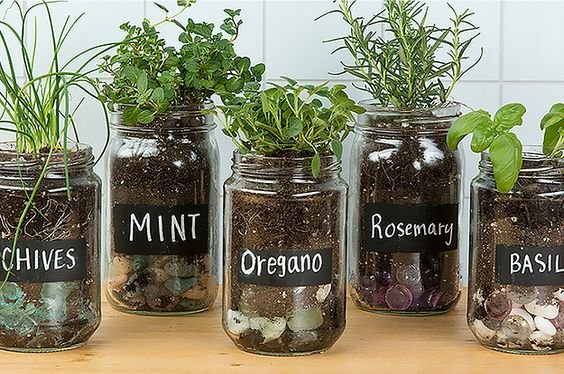
A kitchen herb garden is one of the easiest and most rewarding ways to start gardening. Herbs grow quickly, require minimal care, and can be used directly in cooking.
You can grow herbs in small pots, recycled containers, or even glass jars placed near a sunny window.
common herbs for beginners
| Herb | Growth Speed | Sunlight Needed | Watering Frequency |
|---|---|---|---|
| Mint | Fast | Partial sun | Moderate |
| Basil | Medium | Full sun | Regular |
| Coriander | Fast | Partial sun | Light |
| Parsley | Slow | Partial sun | Moderate |
steps to start
- Choose small containers with drainage holes
- Fill with good-quality potting soil
- Plant seeds or small seedlings
- Place near sunlight (4–6 hours daily)
- Water lightly but consistently
practical insight
Herbs are forgiving plants. Even if you make small mistakes, they usually recover quickly. This makes them perfect for beginners who are still learning.
project 2: container vegetable garden
If you think vegetables require large farms, think again. Many vegetables grow perfectly in containers.
You can use buckets, crates, or even old paint cans (cleaned properly).
best vegetables for containers
| Vegetable | Container Size | Growth Time | Difficulty |
| Tomatoes | Medium | 60–80 days | Moderate |
| Spinach | Small | 30–40 days | Easy |
| Chili | Small | 70–90 days | Easy |
| Lettuce | Small | 30–45 days | Easy |
key tips
- Ensure proper drainage
- Use nutrient-rich soil
- Place containers where they receive enough sunlight
- Avoid overcrowding
comparison: ground vs container gardening
| Factor | Ground Gardening | Container Gardening |
| Space needed | High | Low |
| Flexibility | Low | High |
| Cost | Medium | Low |
| Maintenance | Moderate | Easy |
project 3: recycled bottle planters
This project combines creativity with sustainability. Plastic bottles can be transformed into functional planters.
how to make
- Cut a plastic bottle in half
- Add small drainage holes
- Fill with soil
- Plant herbs or small plants
- Hang or place near sunlight
benefits
| Benefit | Description |
| Cost saving | No need to buy pots |
| Eco-friendly | Reduces plastic waste |
| Space efficient | Can be hung vertically |
creative variations
- vertical wall garden
- hanging planters
- self-watering bottle system
project 4: indoor microgreens setup
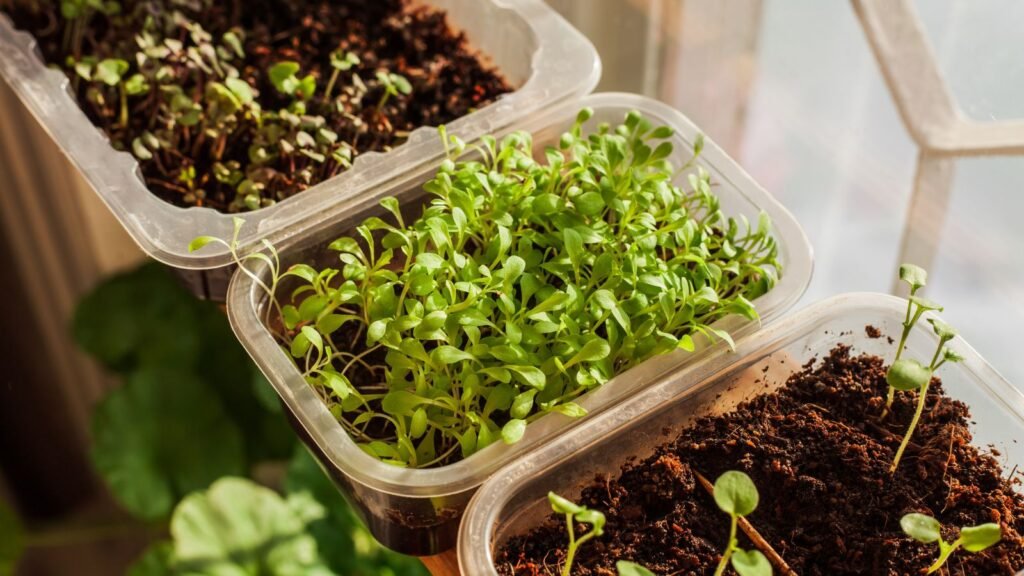
Microgreens are young plants harvested early. They grow quickly and are packed with nutrients.
examples of microgreens
| Type | Harvest Time | Taste Profile |
| Radish | 7–10 days | Spicy |
| Mustard | 8–12 days | Strong |
| Sunflower | 10–14 days | Nutty |
| Pea shoots | 10–15 days | Sweet |
why choose microgreens
- require very little space
- grow extremely fast
- ideal for indoor environments
basic setup
Use a shallow tray, spread seeds densely, and keep soil moist. Place in indirect sunlight and harvest within two weeks.
project 5: composting at home
Composting turns kitchen waste into nutrient-rich fertilizer.
what you can compost
| Waste Type | Suitable? |
| Vegetable peels | Yes |
| Fruit scraps | Yes |
| Eggshells | Yes |
| Meat waste | No |
| Dairy products | No |
simple compost method
- Collect organic waste
- Add dry leaves or paper
- Keep mixture slightly moist
- Turn occasionally
- Wait for decomposition
benefits of composting
| Advantage | Impact |
| Soil fertility | Improves plant growth |
| Waste reduction | Less garbage produced |
| Cost saving | No need for fertilizers |
project 6: vertical garden
If space is limited, go vertical. Vertical gardening allows you to grow more plants in less area.
materials you can use
- wooden pallets
- hanging pots
- wall-mounted shelves
plants suitable for vertical gardening
| Plant Type | Suitability |
| Herbs | Excellent |
| Strawberries | Good |
| Flowers | Excellent |
| Leafy greens | Good |
advantages
- saves space
- visually appealing
- improves air quality
project 7: succulent collection
Succulents are low-maintenance plants that store water in their leaves.
popular succulents
| Plant | Water Needs | Light Needs |
| Aloe vera | Low | Bright |
| Jade plant | Low | Medium |
| Echeveria | Low | Bright |
care tips
- water sparingly
- use well-drained soil
- avoid overwatering
why beginners love them
Succulents are extremely forgiving and can survive neglect better than most plants.
project 8: flower pot garden
Growing flowers adds color and life to your home environment.
easy flowers to grow
| Flower | Growth Time | Sunlight |
| Marigold | 45–60 days | Full sun |
| Petunia | 50–70 days | Full sun |
| Zinnia | 60 days | Full sun |
tips for success
- choose seasonal flowers
- ensure proper sunlight
- deadhead flowers regularly to promote growth
combined project planning chart
| Project Type | Time Required | Cost Level | Difficulty |
| Herb garden | Low | Low | Easy |
| Vegetable containers | Medium | Low | Easy |
| Bottle planters | Low | Very low | Easy |
| Microgreens | Very low | Low | Very easy |
| Composting | Medium | Very low | Easy |
| Vertical garden | Medium | Medium | Moderate |
| Succulents | Low | Medium | Very easy |
| Flower garden | Medium | Low | Easy |
common beginner mistakes
| Mistake | Solution |
| Overwatering | Check soil before watering |
| Lack of sunlight | Move plants to brighter areas |
| Poor soil quality | Add compost or organic matter |
| Plant overcrowding | Give space between plants |
practical routine for beginners
daily (5–10 minutes)
- check soil moisture
- observe plant leaves
weekly (20–30 minutes)
- trim plants
- clean containers
- check for pests
monthly
- add compost
- rearrange plants if needed
final thoughts
Starting a home garden does not require perfection. It requires action. The projects discussed here are not complicated or expensive. They are designed to help you begin immediately, using simple resources and basic knowledge.
Gardening is a process of learning through observation. Some plants will thrive, others may not—but each experience teaches something valuable. Over time, what starts as a small project can grow into a meaningful and rewarding habit.
The key is to begin. Choose one project from this list and start today. Even the smallest step can lead to a thriving green space in your home.
frequently asked questions
- what is the easiest gardening project for beginners?
A kitchen herb garden or microgreens setup is the easiest because they require minimal space and grow quickly. - can i start gardening without outdoor space?
Yes, many projects like microgreens, herbs, and succulents can be grown indoors. - how much time do i need daily for gardening?
Around 5–10 minutes daily is enough for basic care. - what is the cheapest way to start gardening?
Using recycled containers and kitchen waste for compost makes gardening very affordable. - how do i know if i am overwatering my plants?
Yellow leaves, soggy soil, and root rot are common signs. - how long does it take to see results in gardening?
Some plants like microgreens show results within a week, while others may take a few months.
Conclusion
Home gardening is not just about plants—it is about patience, creativity, and connection with nature. With these eight easy projects, anyone can start their gardening journey without feeling overwhelmed.
The most important thing is consistency. Small daily efforts lead to visible results over time. Start simple, learn gradually, and enjoy the process. Your garden will grow, and so will your confidence.