
8 Simple Home Gardening Tips for Small Spaces
Introduction
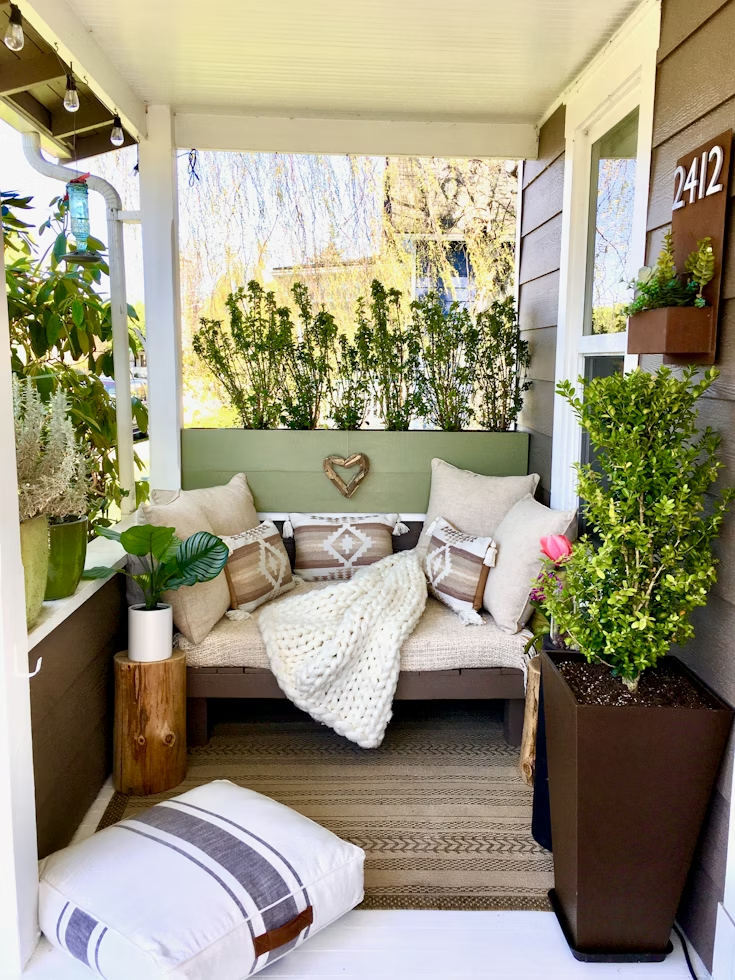
Not everyone has the luxury of a backyard or a large garden, but that doesn’t mean you can’t enjoy the benefits of growing your own plants. Small spaces—whether it’s a balcony, windowsill, or a corner of a room—can be transformed into thriving green areas with the right approach.
The biggest misconception about gardening is that it requires space. In reality, it requires strategy. When space is limited, every decision matters more: the type of plant, the container you choose, where you place it, and how you maintain it. Small-space gardening is less about quantity and more about efficiency.
This guide explores eight simple yet highly effective home gardening tips designed specifically for small spaces. These are not complicated techniques. Instead, they are practical adjustments that make a significant difference. You’ll also find tables, comparisons, and structured insights to help you apply these tips in real life.
tip 1: think vertically, not horizontally
When floor space is limited, vertical space becomes your best friend. Walls, railings, and hanging structures can hold a surprising number of plants.
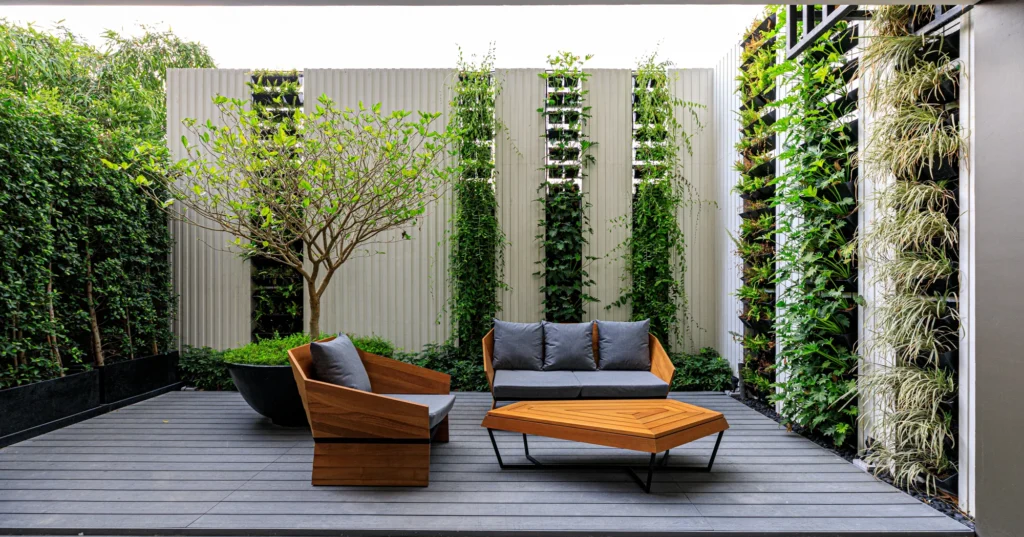
vertical gardening options
| Method | Space Usage | Difficulty |
|---|---|---|
| Wall-mounted pots | Very low | Easy |
| Hanging baskets | Low | Easy |
| Vertical shelves | Medium | Moderate |
benefits
| Advantage | Description |
| Saves space | Uses unused vertical areas |
| Better airflow | Reduces plant crowding |
| Visual appeal | Creates layered greenery |
practical tip
Start with a simple hanging pot or shelf before building a full vertical garden.
tip 2: choose compact and multi-purpose plants
In small spaces, every plant should justify its presence. Compact plants or those with multiple uses are ideal.
best compact plants
| Plant | Type | Benefit |
| Basil | Herb | Cooking |
| Mint | Herb | Refreshing use |
| Chili | Vegetable | Edible |
| Aloe vera | Succulent | Medicinal |
why this matters
You maximize both space and utility, making your small garden more functional.
tip 3: use smart containers
Containers play a crucial role in small-space gardening. The right container can save space and improve plant health.
container comparison
| Type | Pros | Cons |
| Plastic pots | Lightweight | Less durable |
| Clay pots | Good drainage | Heavy |
| Recycled items | Cost-effective | Needs preparation |
creative ideas
- use old bottles
- repurpose jars
- stack containers vertically
tip 4: master watering techniques
Watering becomes more critical in small spaces because containers dry out faster.
watering chart
| Plant Type | Frequency |
| Succulents | Once a week |
| Herbs | 2–3 times/week |
| Vegetables | Daily/light |
smart watering tips
- water early morning
- avoid overwatering
- use self-watering systems if possible
tip 5: maximize sunlight exposure
Small spaces often have limited light, so proper placement is essential.
sunlight mapping guide
| Area | Light Type |
| Window facing east | Morning sun |
| Window facing west | Afternoon sun |
| Indoor corner | Low light |
practical advice
Observe how sunlight moves in your space throughout the day before placing plants.
tip 6: group plants wisely
Grouping plants with similar needs makes maintenance easier and more efficient.
grouping strategy
| Group Type | Example Plants |
| Low water | Succulents, jade plant |
| Medium water | Herbs, flowers |
| High water | Vegetables |
benefits
| Advantage | Impact |
| Easy care | Same routine |
| Better growth | Consistent environment |
| Time saving | Less effort |
tip 7: maintain a simple routine
Consistency is more important than complexity in small-space gardening.
routine chart
| Task Type | Frequency |
| Watering | 2–3 times/week |
| Checking plants | Daily |
| Pruning | Weekly |
| Fertilizing | Monthly |
daily habit
Spend 5 minutes observing your plants. This prevents most problems before they grow.
tip 8: avoid overcrowding
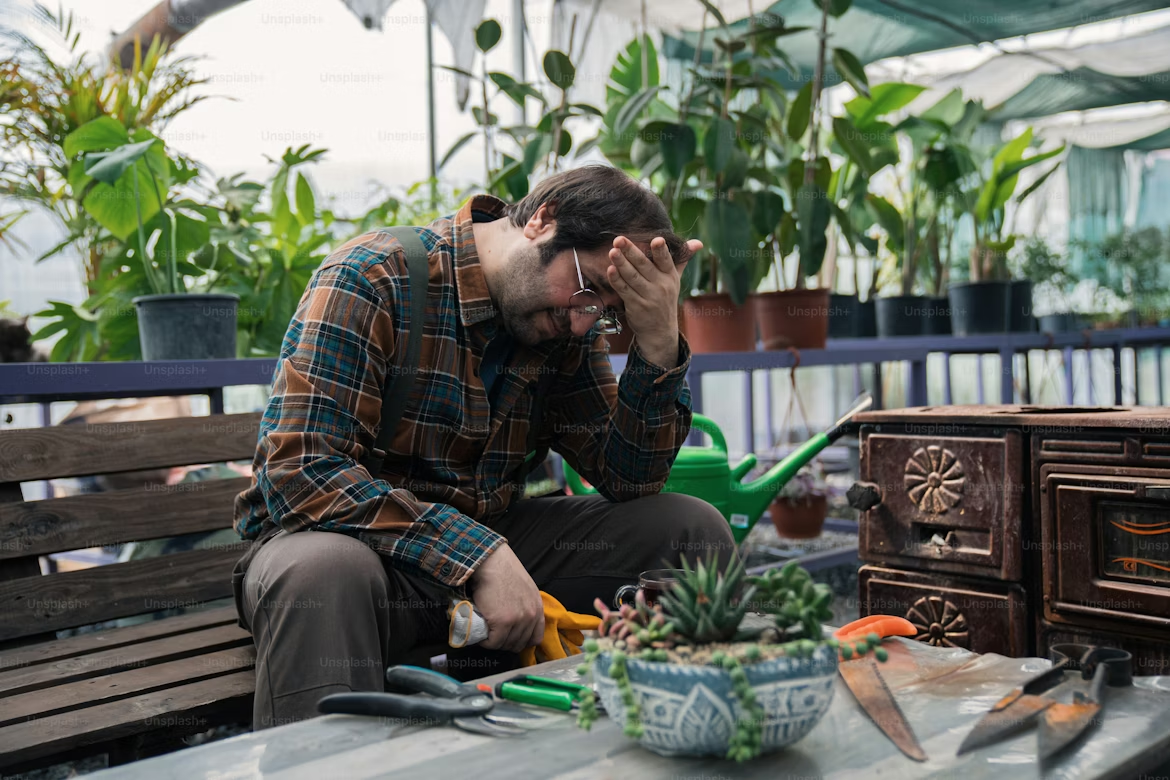
It’s tempting to fill every available space with plants, but overcrowding can harm growth.
spacing guide
| Plant Type | Minimum Space |
| Herbs | 4–6 inches |
| Vegetables | 8–12 inches |
| Flowers | 6–10 inches |
why spacing matters
- improves airflow
- reduces disease
- supports healthy growth
small space gardening planning chart
| Element | Priority | Notes |
| Sunlight | High | Essential for growth |
| Container choice | High | Affects space and drainage |
| Plant selection | High | Choose compact plants |
| Watering routine | Medium | Maintain consistency |
| Decoration | Low | Optional |
common mistakes in small-space gardening
| Mistake | Solution |
| Overwatering | Check soil before watering |
| Poor lighting | Move plants closer to light |
| Overcrowding | Reduce plant count |
| Wrong containers | Ensure drainage |
comparison: small vs large space gardening
| Factor | Small Space | Large Space |
| Maintenance | Easy | Moderate |
| Cost | Low | Higher |
| Flexibility | High | Low |
| Control | High | Medium |
practical beginner checklist
| Task | Status |
| Select plants | ✔ |
| Prepare containers | ✔ |
| Check sunlight | ✔ |
| Set watering routine | ✔ |
| Monitor growth | ✔ |
final thoughts
Gardening in small spaces is not about limitation—it’s about efficiency and creativity. With the right approach, even the smallest corner can become a thriving green space.
These eight simple tips focus on what truly matters: smart use of space, proper plant selection, and consistent care. You don’t need advanced techniques or expensive tools. What you need is attention, patience, and a willingness to learn.
Over time, your small garden will not only grow but also become a source of relaxation and satisfaction. It’s not the size of the garden that matters—it’s how you nurture it.
frequently asked questions
- can i garden in a very small apartment?
Yes, even a windowsill or a small balcony is enough to start gardening. - what are the best plants for small spaces?
Compact plants like herbs, succulents, and small vegetables work best. - how do i manage watering in small containers?
Check soil moisture regularly and avoid overwatering. - how much sunlight do small-space plants need?
Most plants need 4–6 hours of sunlight, but some tolerate low light. - is vertical gardening necessary for small spaces?
It is not mandatory but highly effective for saving space. - how do i avoid overcrowding?
Limit the number of plants and follow proper spacing guidelines.
Conclusion
Small-space gardening proves that you don’t need a large area to enjoy the beauty and benefits of plants. With thoughtful planning and simple techniques, even the smallest spaces can flourish.
These tips provide a strong starting point. Apply them gradually, observe your plants, and adjust as needed. The process itself is just as rewarding as the results.
Start today. A single plant can change how your space feels—and that’s where it all begins.