
9 Powerful Home Gardening Plants for Fresh Air
There is a quiet shift happening in how people think about their homes. It is no longer just about furniture, lighting, or decor. Increasingly, people are paying attention to the quality of the air they breathe indoors. With more time spent inside—whether working, resting, or simply unwinding—the importance of clean, fresh air has become impossible to ignore.
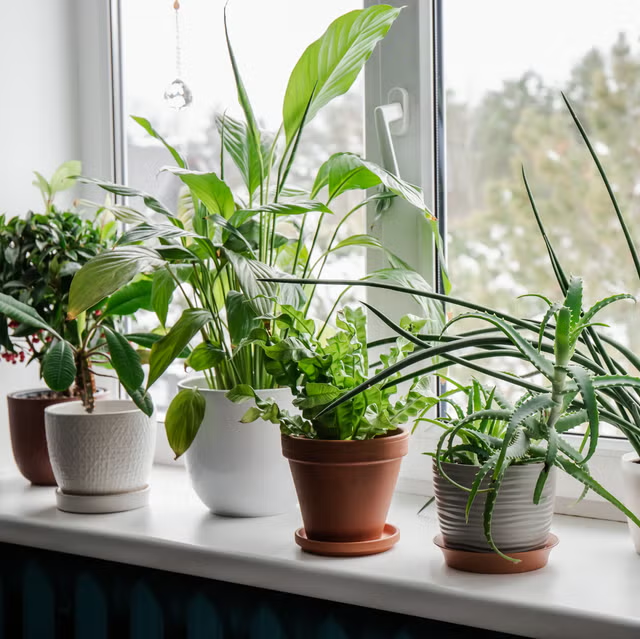
While air purifiers and ventilation systems play a role, there is a far more natural and visually rewarding solution: indoor plants. Beyond their beauty, certain plants actively contribute to improving indoor air quality. They absorb pollutants, release oxygen, and create a more balanced environment.
This article explores nine powerful home gardening plants known for their ability to enhance indoor air. Alongside each plant, you will find practical insights, care requirements, and structured tables to help you make informed decisions.
plant 1: snake plant
Often referred to as one of the most resilient indoor plants, the snake plant is a favorite among beginners and experienced gardeners alike. What makes it particularly powerful is its ability to release oxygen even at night, making it ideal for bedrooms.
key characteristics
| Feature | Details |
|---|---|
| Scientific name | Sansevieria |
| Light requirement | Low to bright indirect |
| Watering | Once every 1–2 weeks |
| Growth rate | Slow to moderate |
air quality benefits
- absorbs toxins like formaldehyde and benzene
- improves oxygen levels during nighttime
- requires minimal maintenance
The snake plant thrives on neglect, which makes it perfect for busy households.
plant 2: spider plant
The spider plant is known for its arching leaves and small plantlets that dangle like tiny spiders. It is not only decorative but also highly effective in filtering indoor air.
care overview
| Factor | Requirement |
| Light | Bright indirect |
| Water | Moderate |
| Difficulty | Very easy |
benefits
- removes carbon monoxide and toxins
- adapts to different environments
- grows quickly and multiplies easily
It is an excellent choice for hanging baskets or shelves.
plant 3: peace lily
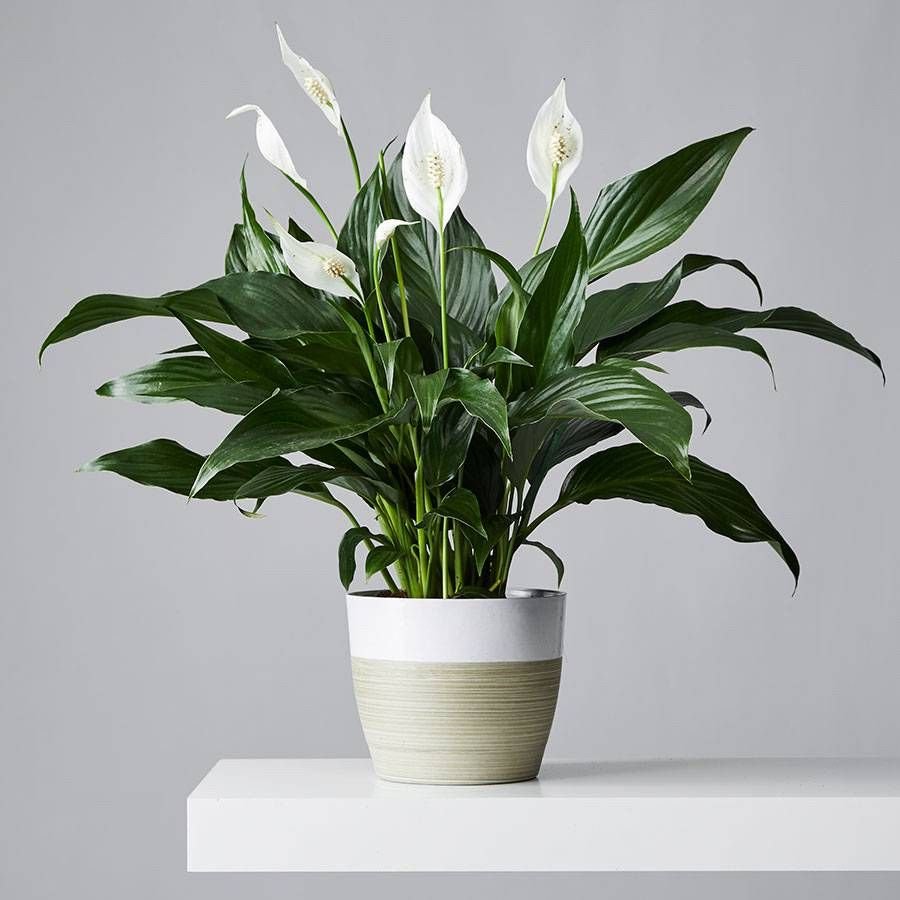
The peace lily is admired for its elegant white blooms and glossy green leaves. It is also one of the most effective plants for improving indoor air quality.
plant profile
| Feature | Details |
| Light | Low to medium |
| Water | Keep soil slightly moist |
| Special trait | Flowering indoor plant |
air purification abilities
- reduces mold spores
- filters ammonia and benzene
- adds humidity to the air
Its ability to combine beauty with function makes it a standout option.
plant 4: aloe vera
Aloe vera is widely known for its medicinal properties, but it also contributes to cleaner indoor air.
quick facts
| Aspect | Information |
| Light | Bright sunlight |
| Water | Low |
| Growth style | Succulent |
advantages
- absorbs harmful chemicals
- easy to maintain
- useful for skin care
It is particularly suitable for sunny windowsills.
plant 5: areca palm
The areca palm brings a tropical feel into indoor spaces while also acting as a natural humidifier.
care details
| Factor | Requirement |
| Light | Bright indirect |
| Water | Moderate |
| Size | Medium to large |
benefits
- increases indoor humidity
- removes airborne toxins
- adds volume and greenery
It works well in living rooms and open spaces.
plant 6: pothos
Pothos is one of the most adaptable indoor plants. Its trailing vines make it ideal for shelves, hanging pots, or vertical gardens.
plant information
| Feature | Details |
| Light | Low to bright |
| Water | Moderate |
| Growth | Fast |
air quality impact
- removes indoor pollutants
- improves oxygen levels
- tolerates neglect
Its versatility makes it a popular choice for urban homes.
plant 7: rubber plant
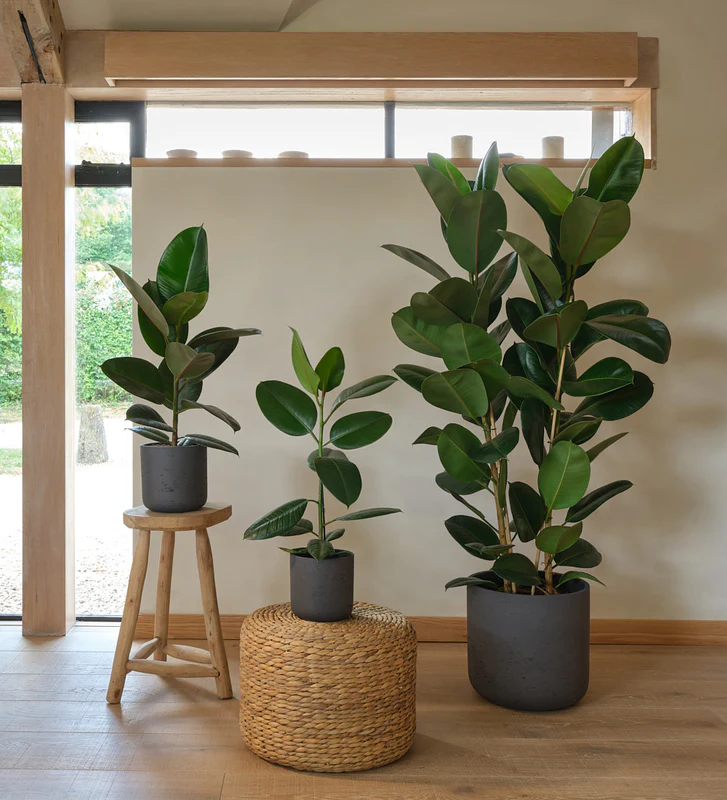
The rubber plant stands out with its large, glossy leaves. It is not just visually striking but also effective in improving air quality.
overview
| Aspect | Details |
| Light | Bright indirect |
| Water | Moderate |
| Growth rate | Moderate |
advantages
- absorbs toxins
- improves indoor humidity
- easy to grow indoors
It is ideal for adding height and structure to your indoor garden.
plant 8: bamboo palm
The bamboo palm is another excellent air-purifying plant that thrives indoors.
care chart
| Factor | Requirement |
| Light | Indirect light |
| Water | Regular |
| Maintenance | Low to medium |
benefits
- filters harmful pollutants
- improves air circulation
- safe for indoor environments
It is especially useful in offices or closed rooms.
plant 9: boston fern
The Boston fern is known for its lush, feathery foliage. It is highly effective at improving indoor air quality and humidity.
plant profile
| Feature | Details |
| Light | Indirect |
| Water | High |
| Humidity | Needs moist air |
benefits
- removes toxins like formaldehyde
- increases humidity
- enhances visual appeal
It requires slightly more care but delivers excellent results.
comparison of air-purifying plants
To better understand how these plants differ, here is a comparison:
| Plant Name | Maintenance Level | Air Purification | Growth Speed |
| Snake plant | Very low | High | Slow |
| Spider plant | Low | High | Fast |
| Peace lily | Medium | Very high | Medium |
| Aloe vera | Very low | Medium | Slow |
| Areca palm | Medium | High | Medium |
| Pothos | Very low | High | Fast |
| Rubber plant | Low | Medium | Medium |
| Bamboo palm | Medium | High | Medium |
| Boston fern | Medium | Very high | Medium |
ideal placement strategy for maximum effect
Where you place your plants matters just as much as which plants you choose.
suggested placement guide
| Area | Recommended Plants |
| Bedroom | Snake plant, peace lily |
| Living room | Areca palm, rubber plant |
| Kitchen | Aloe vera, pothos |
| Office space | Spider plant, bamboo palm |
Strategic placement ensures better air circulation and purification.
daily and weekly care routine
Even low-maintenance plants need occasional care.
basic care schedule
| Task | Frequency |
| Watering | Weekly |
| Dusting leaves | Bi-weekly |
| Fertilizing | Monthly |
| Inspection | Weekly |
Keeping leaves clean improves their ability to absorb pollutants.
common mistakes to avoid
| Mistake | Impact |
| Overwatering | Root damage |
| Poor lighting | Weak growth |
| Ignoring pests | Plant health decline |
| Overcrowding plants | Reduced air circulation |
Avoiding these mistakes helps maintain both plant health and air quality.
how plants improve indoor air
Plants contribute to better air quality through natural processes.
process breakdown
| Process | Function |
| Photosynthesis | Produces oxygen |
| Absorption | Removes pollutants |
| Transpiration | Adds moisture to air |
This combination creates a healthier indoor environment.
frequently asked questions
- do indoor plants really improve air quality
Yes, certain plants can absorb toxins and release oxygen, contributing to cleaner air, especially in enclosed spaces. - how many plants do I need for noticeable results
It depends on room size, but even a few well-placed plants can make a difference. - are these plants safe for pets
Some plants like peace lily and pothos may be toxic to pets, so it’s important to check before placing them in accessible areas. - how often should I water indoor plants
Watering depends on the plant type, but most indoor plants need watering once a week or when the soil feels dry. - can I keep these plants in low-light rooms
Yes, plants like snake plant and pothos can thrive in low-light conditions. - do I need fertilizers for indoor plants
Occasional fertilizing helps maintain plant health, but it should be done in moderation.
final thoughts
Creating a home filled with fresh air does not require complex systems or expensive equipment. Sometimes, the simplest solutions are the most effective. Indoor plants offer a natural, affordable, and visually pleasing way to improve air quality.
Each of the nine plants discussed in this article brings its own strengths—whether it is low maintenance, strong air purification, or aesthetic appeal. By choosing the right combination and placing them strategically, you can transform your indoor space into a healthier and more inviting environment.
In the end, home gardening is not just about plants. It is about creating a space where you can breathe easier, feel calmer, and reconnect with a touch of nature—even in the middle of a busy, modern life.