Introduction
The thought of growing your own vegetables and herbs sounds wonderful, but then you remember that insane schedule. Who has hours to spend watering plants and pulling weeds in between work meetings, family time and trying to fit in a workout? The good news is, home gardening no longer has to consume your entire weekend.
Gardening today has transformed from the old backyard plot needing to be taken care of all the time. Today’s time-poor gardeners are embracing a medley of clever shortcuts and smart tools that relieve them of much heavy lifting. These gardening hacks will make keeping your garden a hobby which doesn’t take up much time, and that means it’s something you can maintain in a busy life.
Whether you live in an apartment and have limited space, or if you have a yard with plenty of real estate, here are seven realistic tactics to help you grow fresh food without using up all your free time. You will discover how to outfit your spaces with low-maintenance setups that basically take care of themselves; select the right species for your schedule and skill level; and utilize technology for lights-out automation.
Set Up Automatic Watering Systems
The failure to water your plants? People. For busy home garden people, that is. An automated watering system solves this issue and ensures your plants are watered when you want them to be.
Drip Irrigation Basics
Drip irrigation delivers water directly to plant roots through tubes and emitters. This approach uses almost no water compared with sprinkling, and it keeps the leaves dry, which can avoid disease.
A simple drip system can be installed in less than two hours. Hook up a timer to your outdoor spigot, connect the main water line and run smaller tubes to each plant. The timer opens and closes with watering, so you do not have to worry about forgetting when to turn the water off.
Benefits of drip systems:
- Cut water use by 50%
- Avoid splashing of leaves when watering from above
- Delivers consistent moisture levels
- Great for containers as well as raised beds
Self-Watering Containers
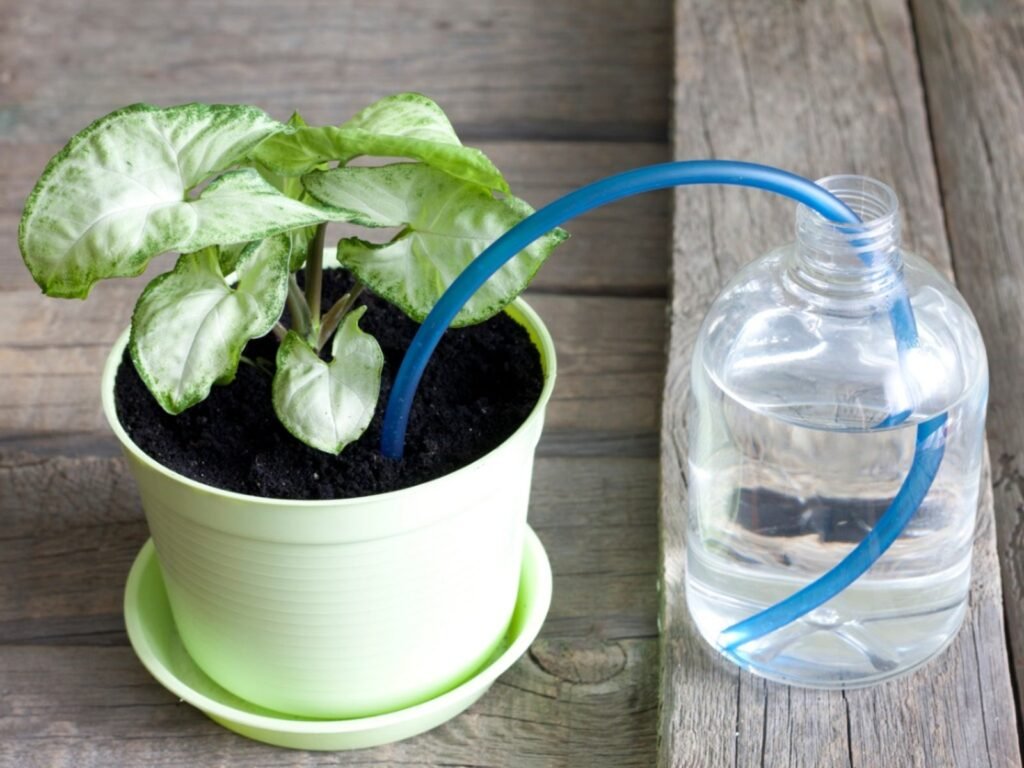
Self-watering pots contain a reservoir that holds excess water. The plants drink from that reservoir using a wicking process to draw up moisture when they’re thirsty. These will keep your plants watered and in need of almost nothing for 5-7 days!
These pots are particularly good for tomatoes, peppers and herbs. You keep the reservoir filled when it runs low, which may happen once or twice a week in hot conditions. The plants control their own water intake, so it’s next to impossible to overwater or underwater them.
Choose Low-Maintenance Plants
Some plants just need more love than others. Choosing varieties that are naturally lower-maintenance is a great way to ease your gardening burden, especially for folks with little time.
Top Vegetables for Busy Gardeners
| Plant | Days to Harvest | Maintenance Level | Key Benefit |
|---|---|---|---|
| Cherry Tomatoes | 60-70 | Low | Yields for months |
| Zucchini | 45-55 | Very Low | Rapid growth |
| Green Beans | 50-60 | Low | Grows vertically |
| Lettuce | 30-45 | Very Low | Shade crop |
| Radishes | 25-30 | Very Low | Quickest vegetable |
Some of our favorite vegetables are unfussy enough to withstand a little neglect. One is every bit its English cousin, and zucchini plants for instance grow so exuberantly that keeping up with the harvest can be a problem rather than an aspiration. Cherry tomatoes will cover themselves in fruit all summer, without the need for much pruning or fussing.
Rugged Herbs for the Absent Minded
Herbs such as rosemary, thyme, oregano and sage “hate to be fussed with” — they want to be left alone. These plants native to the Mediterranean region adapted over time to rocky, dry conditions and do not like constant watering or rich soil.
Plant them once on a sunny day in soil that drains reasonably well, and they will thrive for years. You can harvest whenever you want fresh herbs for cooking, and the plants rebound immediately. These herbs, for the most part, naturally repel pests, so they help save your other garden plants without any real effort from you.
Use Vertical Growing Spaces
If you’re pressed for time, then you’re likely pressed for space as well. The option opens up to grow more food in less space, give a touch of class and style, as well as make it easier to maintain your garden.
Wall-Mounted Planters
Wall planters are designed to make your fence look better. They elevate plants to eye level, sparing you the need for bending or kneeling to care for your garden. Walking to the car, you can verify everything in seconds.
These systems are ideal for the shallow-rooted crops like lettuce, spinach and herbs. A few square feet of wall space will suffice — some designs stack multiple layers of plants. The height of the design also helps to increase air flow between plants and can help reduce disease issues.
Tower Gardens and Stacking Systems
Tower gardens are vertical columns with planting pockets spiraling around the exterior. They can keep 20-30 plants in an area of the floor where typically just 2-3 pots would fit.
Built-in water reservoirs and wicking systems to keep plants watered automatically are commonplace in most tower systems. You are able to grow strawberries, herbs, lettuces and small vegetables without uncalled-for weeding or pests that live at ground level. You can also rotate the entire tower from time to time so all the plants get a fair share of sunlight.
Implement Smart Garden Sensors
Technology also simplifies gardening by tracking conditions and alerting you only if plants really do need attention. Smart sensors do away with the guessing that loses you time and kills your plants.
Soil Moisture Monitors
The sensors insert into the soil and constantly gauge water content. The sensor pairs with your smartphone to alert you when plants are thirsty. Some more sophisticated models monitor light levels, temperature and soil fertility.
Such technology addresses the timeless busy-person mistake of watering on a fixed schedule that has nothing to do with your actual plants. For a cool, cloudy week, your plants may need half as much water as for a hot sunny period. The sensor modifies advice according to actual conditions.
Automated Climate Control
For indoor gardeners or anyone with a greenhouse, smart climate controllers can automatically maintain ideal growing conditions. These systems control the temperature, humidity and CO2 levels with zero involvement on your part.
You can program optimal ranges for your particular plants and the controller will make fine-tuning adjustments throughout the day. If you’re growing heat-seeking peppers, it could also power a heater on cool nights. It might set a misting system in motion when the air becomes too dry, good for humidity-loving ferns.
Practice Mulching Techniques
Mulching is the lazy gardener’s secret weapon. This thin layer of stuff spread on top of your soil multitasks, so that you save yourself a few hours work every month.
Organic Mulch Options
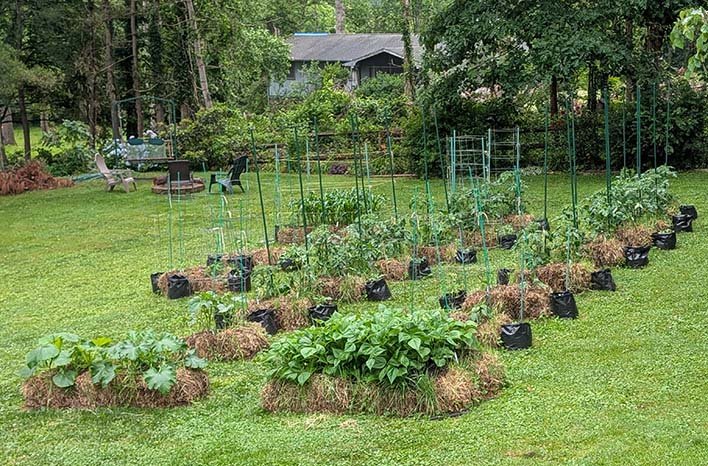
Put 2-3 inches of wood chips, straw or shredded leaves around your plants. This cover blocks sunlight — the very thing weeds need to grow, reducing your time spent yanking unwanted plants by a staggering margin.
Mulch helps moderate soil temperature and seals in moisture. Your plants stay cooler in the heat, and they hold water more between waterings. When organic mulch decomposes, it naturally enriches the soil with nutrients, thus doing some of your fertilizing work for you.
Best mulch materials by use:
- Wood chips: Durable, great for perennials
- Straw: Excellent for vegetable gardens
- Grass clippings: Nitrogen rich and free
- Leaves, chopped up: Texture to the soil, organic matter source over time
Landscape Fabric for Permanent Solutions
For places where you don’t want to do a thing, landscape fabric overlaid with decorative mulch provides nearly weed-free barriers. This is especially effective around fruit trees, berry bushes, and perennial herb gardens.
Snip X-shaped holes into the fabric for plants, then conceal everything with mulch. Weeds have a difficult time growing through the barrier, and the weeds that do come up pull out easily because they aren’t able to root deeply. Such a set-up will last 3-5 years before needing to be redone.
Grow in Raised Beds and Pots
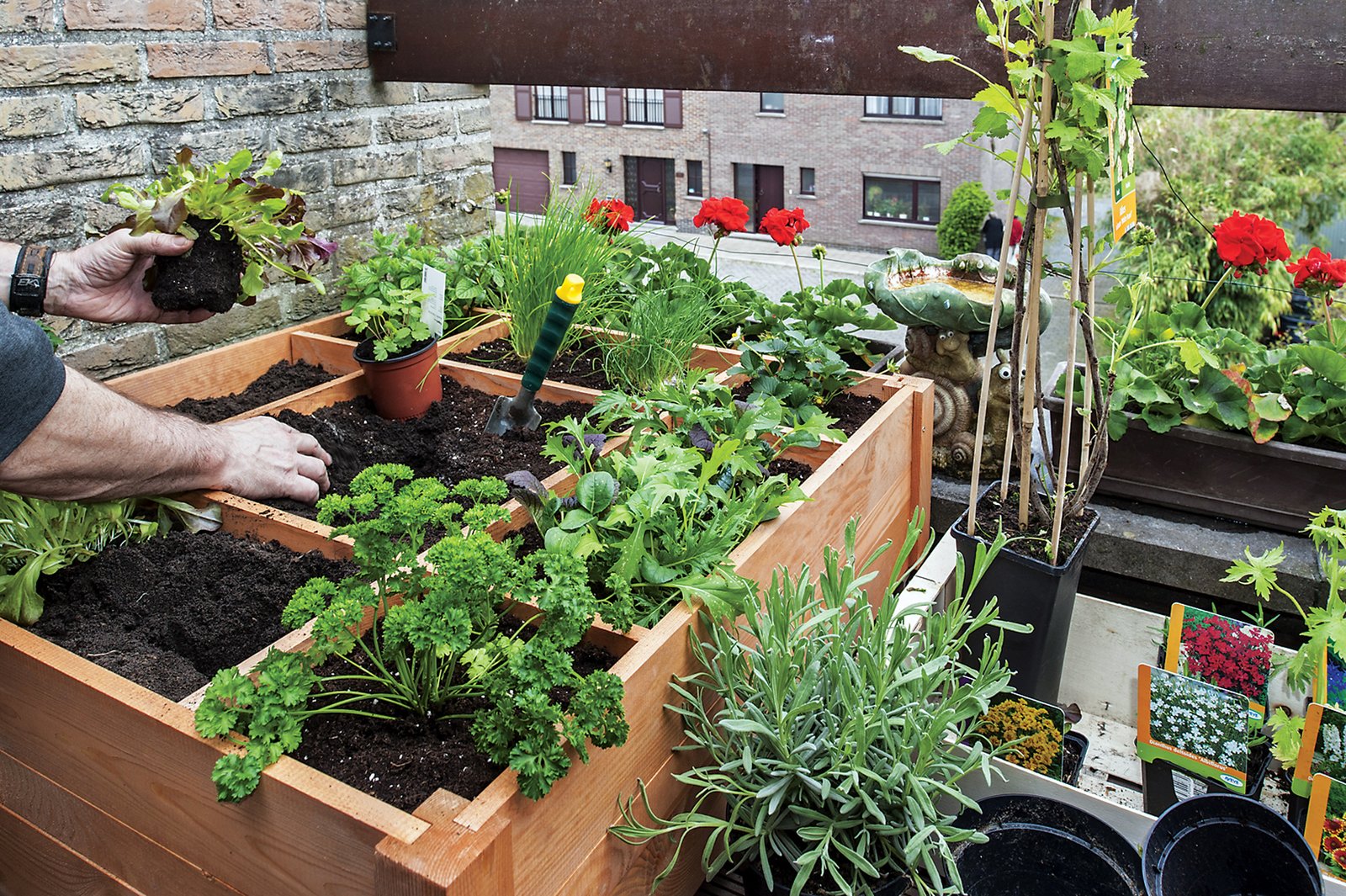
Raised beds and containers focus your gardening efforts into small areas that are less likely to get out of hand than traditional in-ground patches.
Why Raised Beds Save Time
Because they warm up more quickly in the spring, raised beds allow you to have a longer growing season with no extra effort. The raised design also enhances drainage, so waterlogged soil — and the disease and pests that are attracted to it — becomes less of a concern.
You start with high-quality soil mix in your raised beds, so there are fewer weeds and your plants thrive. The rigid walls ensure that grass and effusive weeds do not encroach on your new garden. While it may not sound like much time, for most people having to spend only 30 minutes a week on maintaining their raised bed garden is ideal.
If you’re looking for more comprehensive gardening tips and resources, you’ll find plenty of helpful guides to get started.
Container Gardening Flexibility
Containers allow you to shuttle plants around, following the sun or evading bad weather. And if a heat wave comes, you can move tender plants to a shadier part of the garden in minutes. When the cold weather sets in, don’t let your frost-sensitive herbs die off.
Pots also exclude a great number of garden pests. Slug and rabbit damage, along with some types of insects, also can be less of a problem for container plants, particularly when they’re resting on patios or balconies. Set the containers right near your kitchen door for easy harvesting when you cook.
Create a Composting System
On the face of it, composting sounds like an extra task to manage, but in a well-designed system composting saves time you’d otherwise spend dealing with not only kitchen waste disposal, but also garden fertilizing.
Simple Tumbler Composters
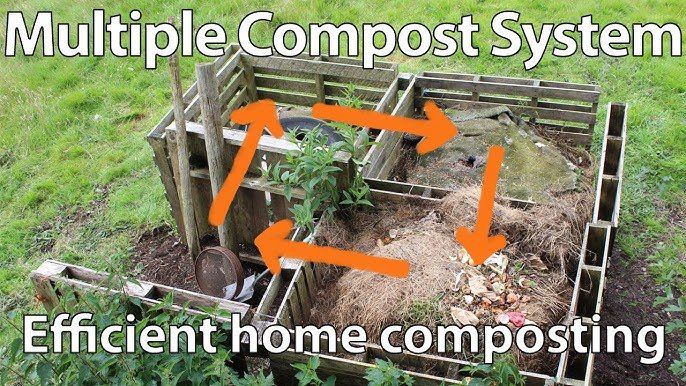
Tumbler composters are closed drums which are rotated on a frame. You throw kitchen scraps and yard waste inside, give it a few spins every couple of days, get finished compost in 4-6 weeks.
They operate faster than the typical compost pile because turning the drum infuses oxygen that accelerates decomposition. The enclosed tumbler helps keep out undesirable pests, and the fresh seal technology prevents messy leaks and offensive odors to quickly transform kitchen scraps into compost. No more trudging to a far corner of the yard with vegetable peelings.
Worm Bins for Apartment Dwellers
Vermicomposting relies on red wiggler worms to turn food waste into nutrient-rich castings. A small bin under your kitchen sink or on a balcony can handle several pounds of waste per week.
The worms labor around the clock and require no electricity or turning. You just bury food scraps under the bedding every few days, and the worms will turn it all into high-quality fertilizer. The process is odor-free when properly managed and you can collect finished compost every 2-3 months.
What goes in your compost:
- Fruit and vegetable scraps
- Coffee grounds and filters
- Eggshells
- Yard trimmings
- Shredded paper and cardboard
What stays out:
- Meat and dairy products
- Oils and fats
- Pet waste
- Diseased plants
For more detailed information on composting methods and benefits, check out the EPA’s guide to composting at home.
Frequent Questions About Home Gardening for Busy People
What amount of time does a low maintenance garden really demand?
Most well-designed low maintenance gardens will require about 30-60 minutes of care a week. It includes a check of water systems, a quick harvest and some occasional weeding. It takes more time to set up initially, but day-to-day maintenance is easy.
Can I grow food if I travel a lot?
Yes, especially with automatic watering systems and self-sustaining systems. In advance of leaving on a trip, set your irrigation timers, add extra mulch and harvest anything that’s nearly ripe. Things can be powered down and come back on with little issue for 1 to 2 weeks on most systems.
How large of a garden do you recommend for someone with limited time?
Begin with 4 to 6 containers, or one raised bed that measures 4×4 foot. And it’s a size that provides meaningful harvests without getting to be too much for your schedule. You can add more later, once you have some streamlined systems in place.
Do smart garden sensors really matter?
Smart sensors relieve you of the relentless mental tax of constantly wondering whether plants need water or fertilizer. They’re particularly great if you travel, or your schedule is all over the place. Those time savings add up fast over the course of a growing season.
What veggies produce the best yield for the least amount of effort?
Zucchini, cherry tomatoes and green beans are always bountiful with little work. Both basil and cilantro continue to yield throughout the season with next to no attention.
Does vertical gardening produce as much as traditional gardening?
Vertical gardens can end up yielding more food per square foot than simply planting in the ground. They make the best use of space and create better growing conditions due to increased air circulation and sunlight exposure.
Conclusion
Full schedules don’t have to add up to giving up on fresh, homegrown food. These seven smart gardening tips turn what was once a laborious hobby into something that meshes easily with your day-to-day schedule.
The automatic watering system takes care of the most time-consuming thing for you. Easy-care plants are forgiving of the occasional neglected weekend. Vertical gardens and raised beds focus your attention where it counts. Instead, smart sensors alert you to exactly what requires attention and when. Mulching can eliminate hours of weeding and do a world of good for soil, to boot. Containers provide versatility that traditional gardens can’t match. Composting systems convert waste into nutrient-rich plant fertilizer without adding to your labor.
The key to successful gardening as a busy person is not more time. It’s working smarter, setting up systems that practically run themselves. Begin with one or two of these tricks that apply to your situation. As each system demonstrates itself to be effective, you can grow confident enough to layer on additional time-saving strategies.
Your garden ought to reduce stress, not cause it. By using these tactics, you get to work less and enjoy more fresh herbs in your dinner, perfect tomatoes on the salads and take pride in growing your own food even though you have got a full calendar.