Introduction: The Journey of Your Garden Begins Now
You don’t have to be a green thumb or have years of experience to get started with home gardening. Whether you are working in a large yard or have a small balcony, plants and fresh food can make your table inside and create a restful outside retreat.
There is so much advice out there for beginners that the gardening press can seem overwhelming to a newcomer. They’re afraid of selecting the wrong plants or that they’ll kill everything they touch. The truth is more mundane than you might assume. Eleven manageable steps are all it takes to make a garden that will remind you of the magic every season.
This guide takes you through every necessary step. You’ll find out where to put your garden, what tools you really need and how to take care of plants without going berserk. No overwrought science or expensive equipment needed.
Time to roll up your sleeves and get your hands dirty.
Choose the Right Location for Your Garden
Place can make or break your garden success. There are certain things plants must have if they’re going to grow strong and make food.
Take a morning and afternoon stroll around your backyard or outdoor space. Notice where sunlight hits longest. Most vegetables and flowers require 6-8 hours of direct sunlight each day. Some leafy greens, including lettuce, can tolerate partial shade.
Look for these characteristics in your site:
- Land that doesn’t flood when it rains
- Water supply within 50 feet
- Protection from withering stem damage by strong winds
- Away from the big tree thieves (nutrient robbers)
If you have only shady spots, don’t despair. Grow shade-friendly plants such as hostas or ferns, or herbs like mint or parsley. Potted gardens are ideal for sunny porches or patios.
Trail your spot for a couple of days. If your knees are a problem, park a chair where you intend to garden. Sit there at different times. Is it convenient? Does it feel inviting? Comfort is important, because you’ll spend regular time here.
Know Your Soil Type
Soil quality dictates what grows and what doesn’t. Get to know what you’re working with before putting anything in the ground.
Take a bit of damp soil. Grip it hard and then open your palm. Sandy soil falls apart immediately. Clay soil forms a tight ball. The finest garden soil, known as loam, holds its shape when pressed but crumbles when poked.
Simple Soil Test Method
Half-fill a transparent jar with some soil. Add water until almost full. Shake hard for one minute. Let it settle for 24 hours.
You’ll see three layers:
- Sand settles at the bottom
- Silt settles in the middle
- Clay floats on top
Measure each layer. These percentages will give you your soil type. Good garden soil consists of 40% sand, 40% silt, and 20% clay.
Inexpensive pH testing kits are available at most garden centers. These will tell you if your soil is acidic or alkaline. Most vegetables grow best in soils that are slightly acidic, with a pH between 6.0 and 7.0.
Gather Basic Gardening Tools
You don’t need an equipment-packed shed. Begin with five basic tools that cover 90 percent of all garden jobs.
Essential Gardening Toolkit
| Tool | Use | Price |
|---|---|---|
| Hand Trowel | Dig smaller holes, transplant | $8-$15 |
| Garden Spade | Turn soil over, create edges between beds | $20-$35 |
| Garden Shears | Trim plants, harvest | $12-$25 |
| Properly Fitted Garden Gloves | Protect hands from thorns and other sharp objects | $8-$15 |
| Garden Hose with Nozzle | Access more challenging areas to water efficiently | $25-$45 |
Invest in tools that are ergonomic and feel good in your hands. Cheap tools break and are bad for work. Find stainless-steel blades and cushioned grips.
You can add the following once you gain some experience: a rake to smooth soil, a wheelbarrow for transporting materials and a hoe for weeding larger areas.
Store tools in a dry place. Wipe dirt off after use. Sharp clean garden tools make for easier and more pleasant gardening.
Select Plants That Suit Your Climate
Not every plant grows everywhere. What makes it through winter and summer temperatures depends on your local climate zone.
You can see what USDA Hardiness Zone you live in by looking it up online and entering your zip code. This number (using the scale from 1 to 13) shows your average minimum winter temperature. Seed packets and plant tags indicate which zones each variety will survive.
Start with native plants of your area. They are adapted to local weather conditions, and resist most pests. Go to a nearby nursery and ask the staff there which ones do best.
Beginner-Friendly Plants by Category
Vegetables: Tomatoes, lettuce, radishes, green beans, zucchini
Herbs: Basil, oregano, thyme, chives, cilantro
Flowers: Marigolds, sunflowers, zinnias, petunias, pansies
Consider your time commitment too. Some plants require attention once a day, and others are fine with weekly watering or even less frequent care. If you have a busy schedule, include a few drought-tolerant succulents or perennial herbs.
Prepare Your Garden Bed Properly
Prepare well and create a healthy root system and strong plants. Skip this step and you’ll be fighting problems all season long.
Clear your garden space of any grass, other plants and debris. Break up clumps and rocks for 8 to 12 inches deep. This aerates the soil and allows roots to spread more easily.
Incorporate organic matter such as compost or aged manure. Add 2-4 inches over the entire bed. This feeds organisms in the soil that help plants take up nutrients.
Raised Bed Alternative
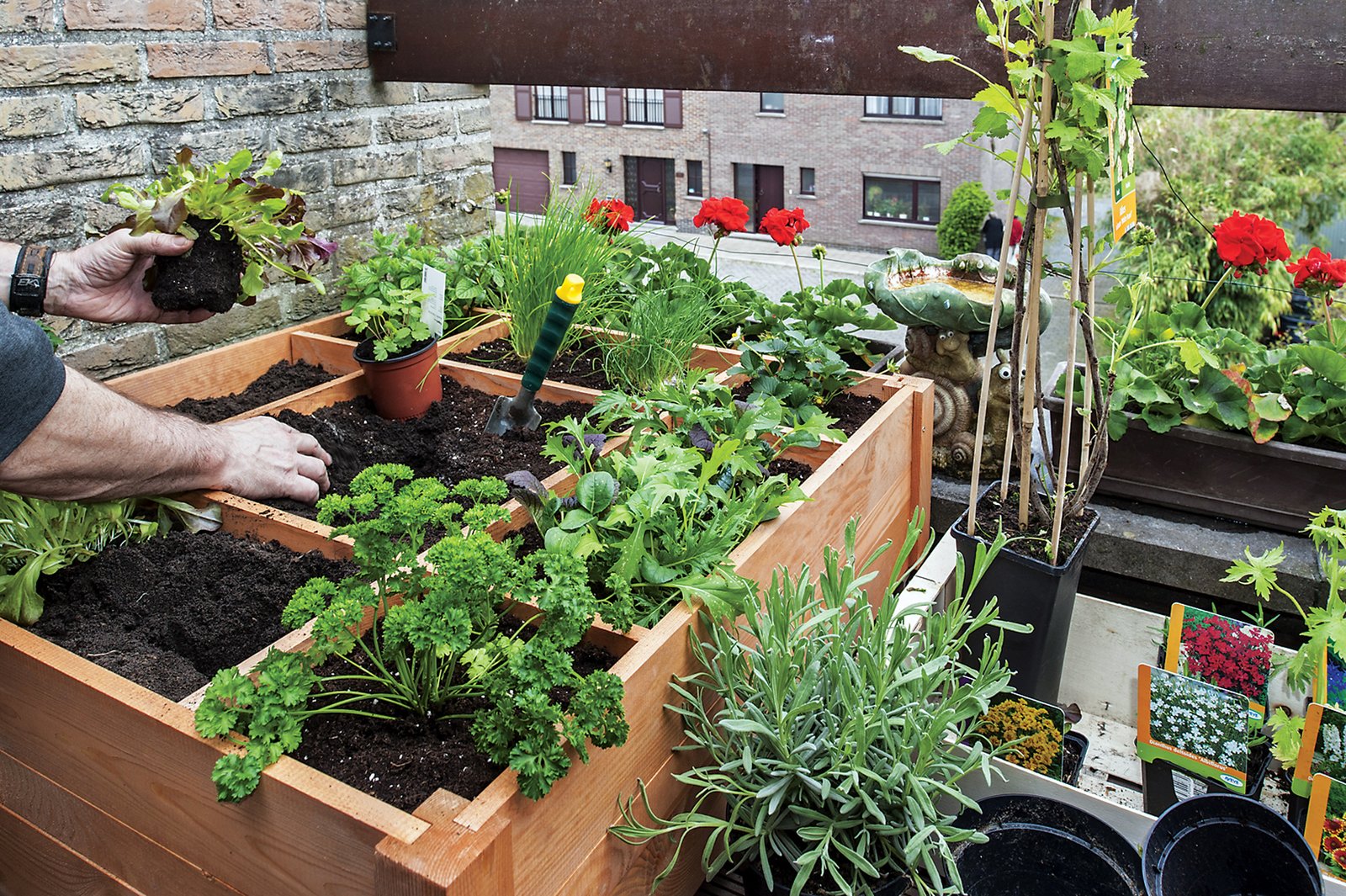
Can’t dig into ground soil? Construct raised beds out of untreated lumber. Fill them with garden soil purchased and mixed with compost. Raised beds make better drainage, warm faster in spring and save your back from too much bending.
Standard raised bed dimensions:
- 4 feet wide (you can access the middle from either side)
- 8-12 feet long (adjust to your space)
- 10-12 inches deep (for most root vegetables)
Rake the surface of your prepared bed flat. If you have drainage issues, make slight mounds or rows.
Direct Sow or Transplant Seeds
There are two ways to start a garden: you can start with seed, or buy young plants.
Seeds are cheaper and there is a greater variety to choose from. Begin indoors 6-8 weeks before last spring frost date. Fill seed-starting trays with sterile potting mix. Put them close by a sunny window, or under grow lights.
Transplants purchased from garden centers provide you with a head start. They are more expensive but can shave a couple of weeks off the growing time. Search for stocky plants with deep green leaves. Steer clear of leggy, pale seedlings or those with flowers already blooming.
Seed Starting Basics
- Sow seed at the depth indicated on the seed packet (typically 2-3 times width of seed)
- Maintain consistent moisture levels in soil; soil should be damp but not waterlogged
- Keep temperature about 65-75°F for most crops
- When seedlings have 2 pairs of leaves, transplant to larger containers or thin to the strongest plant per cell
Harden off indoor-started plants before moving them out permanently. Set them outside for a couple of hours each day for one week. Slowly add more sun exposure and outside time.
Plan Your Garden Layout Strategically
The arrangement of plants influences how easily they can be harvested and maintained. Smart spacing reduces disease and increases production.
Tall plants, such as tomatoes and corn, go on the north edge of a garden. They won’t shade out smaller plants. In hot climates, plant lettuce and greens where they get morning sun and afternoon shade.
Companion Planting Benefits
Some plants are beneficial to other plants when they are growing in close proximity:
Tomatoes + Basil: Basil is a natural aphid repellent and makes tomatoes taste better
Carrots + Onions: The scent of onions is known to discourage carrot flies
Corn + Beans + Squash: The “Three Sisters” sustain each other
Plant spacing is based on the mature size of the plant, not the seedling. Overpacked plants fight for nutrients and air flow. This is an invitation to fungal diseases and pest issues.
Design paths to walk between rows or sections. You’ll want passage to water, weed and harvest without stepping on growing areas.
Water Consistently and Correctly
Nearly all the problems with plants stem from one basic challenge: watering. Too much drowns roots. Too little stresses plants and reduces yields.
New gardens require regular watering while roots take hold. Provide water deeply 2-3 times per week rather than watering lightly every day. Deep watering promotes downward root growth, which produces drought-tolerant plants.
Check soil moisture before watering. Push your finger 2 inches into the soil. If it is dry, water well. If it seems damp, give it another day.
Watering Best Practices
- Water in the morning (helps to lessen fungal disease)
- Aim for the soil, not the leaves
- Apply a total of 1 inch per week of water (including rain)
- Use mulch to hold moisture in the ground
Water directly to roots using drip irrigation or a soaker hose. These systems run $30 to $100 for small gardens and reduce the time you need to spend watering by as much as 70 percent.
Containers dry out more quickly than ground beds. Check them once a day in hot weather. In high summer, they may require watering twice a day.
Give Your Plants Nutrients
Even the richest soil becomes depleted from the nutrients plants take. Regular feeding keeps vegetables producing and flowers blooming.
Plants need three main nutrients: nitrogen (N) for leafy growth; phosphorus (P) for roots and flowers; and potassium (K) for general health. Bags of fertilizer list these figures as ratios (for example, 10-10-10).
Organic vs. Synthetic Fertilizers
Organic options: Compost, fish emulsion, bone meal, blood meal
- Release nutrients slowly over time
- Improve soil structure
- Feed beneficial soil organisms
Synthetic options: Miracle-Gro, Osmocote, granular fertilizers
- Provide immediate nutrient boost
- Precise nutrient ratios
- Quicker yields but don’t enrich soil
Feed with a balanced fertilizer every 3-4 weeks through growing season. Flowers need feeding every 2-3 weeks. Read the package directions closely — more is not better and can burn plants.
Side-dress plants by scattering fertilizer around the base 4-6 inches away from the stems. Water it in thoroughly. For containers, feed weekly with half-strength liquid fertilizer.
Control Weeds and Pests Naturally
Weeds rob your plants of water, nutrients and light. Insects damage leaves and cut production. Address both problems before they take over your garden.
Pull weeds when they’re small before they form deep roots or drop seeds. One weed can generate thousands of seeds. Weed after rain or watering when soil releases roots easily.
Using mulch eliminates 80% of weeds. Place a 2- to 3-inch layer of shredded bark, straw or wood chips around plants. It shades the soil, preventing weed seeds from germinating.
Natural Pest Control Methods
For aphids: Spray plants with a forceful water stream or apply insecticidal soap
For caterpillars: Pick them off by hand or apply Bt (Bacillus thuringiensis), an organic bacteria
For slugs: Place shallow dishes filled with beer in your garden; alternatively, put up copper barriers around the plants
Preventative: Plant flowers that attract beneficial insects such as ladybugs and lacewings
Inspect plants every few days. Spot problems early, when you can address them most easily. Clip off diseased leaves to prevent spreading.
Row covers offer protection to young plants from flying insects but allow light and water through. Remove covers when plants flower and need pollinators.
Harvest at the Right Time
Learning when to harvest vegetables and cut flowers is the difference between okay and amazing. Every plant has a perfect harvest time.
Vegetable Harvest Guide
Tomatoes: Harvest when well colored but slightly firm
Lettuce: Pick outer leaves when 4-6 inches and let center grow
Zucchini: Harvest when 6-8 inches long (they get tough and bitter if allowed to grow overly large)
Green beans: Pick when pods snap cleanly but before beans bulge
Harvest in the morning when cool and dry. Herbs for drying should be harvested in the morning after dew has dried; this provides best flavor.
Most vegetables are freshest when harvested in the early morning. Gather produce gently in a basket or bucket.
Regular harvesting encourages more production. Zucchini, beans and cucumbers yield more when harvested often. Check daily during peak season.
Cut flowers in the bud stage (before the flower is fully open) for longest life. Trim stems at an angle and place directly into water. Remove any lower leaves that would be submerged.
Proper storage retains freshness. The refrigerator is best for most vegetables. Keep tomatoes on the counter until they’re very ripe. Store herbs in glass jars with stems standing in water.
For more expert gardening tips and resources, explore helpful guides that can enhance your gardening success.
Frequently Asked Questions
How expensive is a home garden to get started?
Initial garden setup runs $100-$300 including tools, soil amendments, seeds or transplants, and mulch. Container gardens cost less. Costs drop in future years because tools last and compost replaces purchased fertilizer.
What is the simplest vegetable for a beginner to grow?
Radishes and lettuce are at the top of the list. Both grow quickly (25-30 days), are forgiving of errors and produce under cool conditions. Cherry tomatoes are a close third for warm-season gardens.
How many hours a week of maintenance does a garden need?
Small gardens typically require 2-4 hours per week to water, weed and harvest. This decreases to 1-2 hours as plants mature and mulch suppresses weeds. Most people work in early morning or evening.
Can I garden successfully using only containers?
Absolutely. Container gardens produce just as much as in-ground beds when properly sized. For vegetables, use pots at least 12 inches deep. Ensure drainage holes exist. Container gardening is a great option for renters or small spaces.
When is the right time to start my garden?
In early spring, 4-6 weeks before last frost date, start cool-season crops (lettuce, peas, broccoli). Plant warm-season crops (tomatoes, peppers, squash) after the last frost. Fall gardens are planted 8-10 weeks before first fall frost.
Do I have to test my soil annually?
Test soil every two to three years unless there are problems. Adding compost each year keeps soil healthy naturally. Test immediately if plants are yellowing, growing stunted, or have failed to produce after good care.
Conclusion: Make Something Awesome This Year
These 11 steps comprise the foundation of a successful home garden. You’ve learned where to plant, how to prepare the soil, which tools are worth having and how to tend growing plants.
Start small your first season. Select 3-5 plants that are simple to grow and that you’re excited about. Concentrate on the fundamentals. Every professional gardener started right where you are today.
Gardens teach patience. Some plants will thrive, others won’t. That’s part of the learning process. Every season you gain confidence and knowledge.
The best time to start a garden was last spring. The next best time is now. Choose your spot, collect your basic tools and plant something this weekend. Your future self will be grateful when picking fresh vegetables or flowers.
Your journey into the garden begins with one seed. Take that first step today and see what grows.