Secrets No One Tells You About New Gardening
Starting your first garden is both exhilarating and harrowing. You have your seeds, perhaps a few tools and are ready to grow something fabulous. But then doubt creeps in. What if everything dies? What if you end up spending money on plants that don’t make them any food?
The harsh reality is this: the success of a vegetable garden can often depend on a gardener’s ability to keep things simple, focusing only on those few tricks proven to be most effective. Nor are these complex procedures involving fancy equipment or advanced science degrees. They are down-to-earth lessons that separate the struggling beginner from the confident grower.
The vast majority of gardening guides pack in too much information for new gardeners. They catalogue hundreds of plant varieties, intricate soil chemistry, heady pest control regimes. That way people are paralyzed before they even have their first seed in the ground.
This article takes an alternative approach. You’ll find eight secrets that tackle the very challenges beginning gardeners truly experience. And they suit you whether you’re growing in containers on a balcony or breaking ground in your backyard.
Every secret solves a problem beginners truly face. You will find out how to avoid the watering mistakes that kill most plants, which “easy” vegetables actually aren’t beginner-friendly, and how to make your soil work harder so you work less.
Below, we reveal the gardening secrets that have transformed apprehensive newbies into proud plant parents.
Begin Smaller Than You Feel Like You Should
As a first-timer, your enthusiasm is so very excellent. The most common mistake of new gardeners is to plant three times as much garden as they can realistically manage.
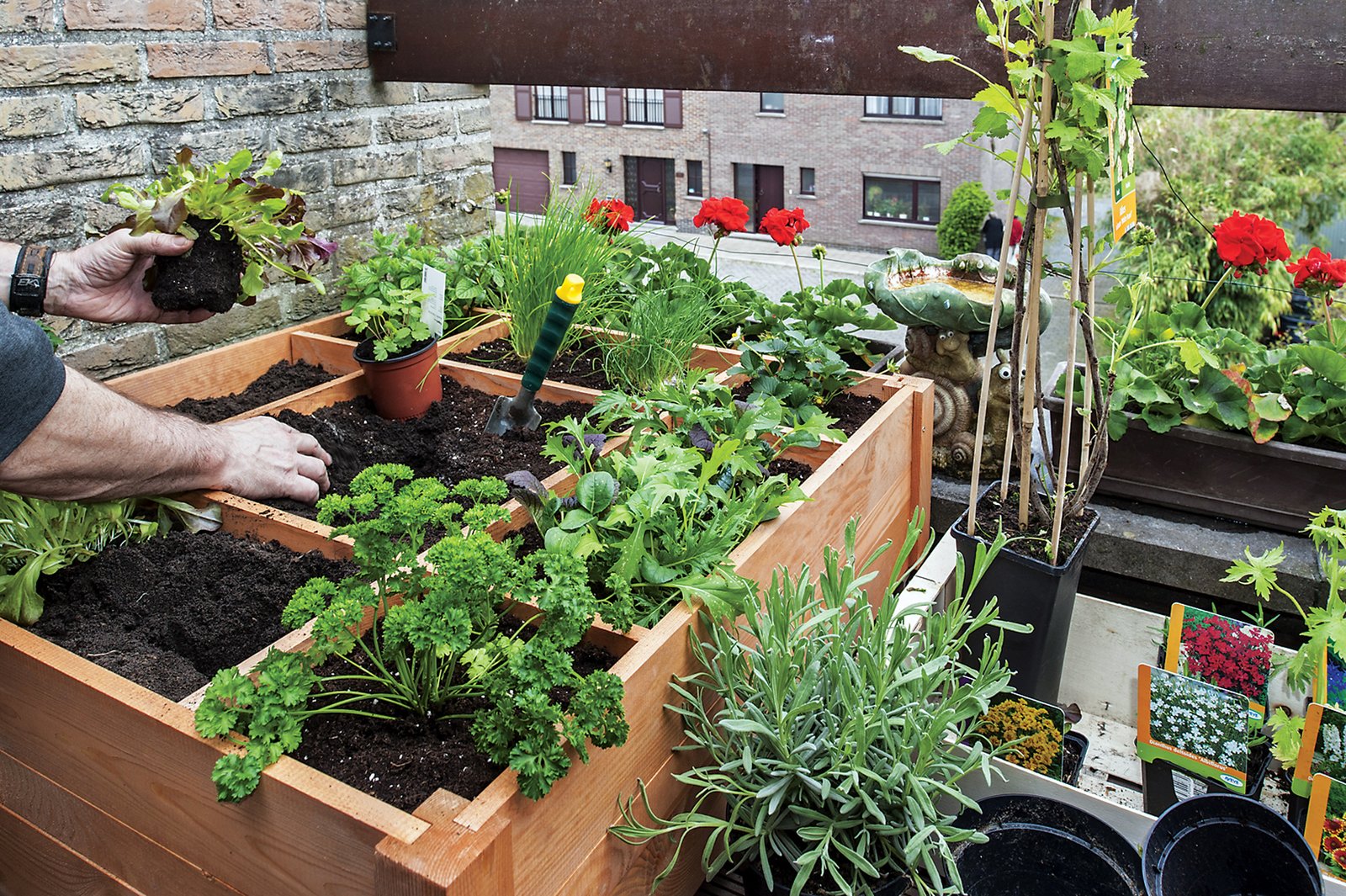
A 4×4 foot raised bed, or six containers, yields so much more food than you would first believe possible. This small size allows you to experiment without having your mind blown. You will learn more quickly because you can focus closely on the needs of each plant.
Large gardens are a serious time commitment. Weeding, watering, harvesting and controlling pests expands exponentially with each square foot you add. Begin small, master the fundamentals — and grow next season with confidence.
The Two-Plant Rule for First Season
Just pick two different vegetables or herbs, for your very first try. This concentrated strategy allows you to get intimately acquainted with the needs of each plant. You’ll recognize what looks off and be able to look up solutions without having to juggle information about ten different species.
Good first-timer combinations:
- Tomatoes + basil (they love to be together)
- Lettuce + radishes (fast results are encouraging)
- Peppers + oregano (the water and sun preferences are close)
- Green beans + mint (low maintenance pair)
After growing two plants through a full season you’ll have the confidence and hands-on experience to expand. That experience trumps any reading or video watching.
Discover the Finger Test Technique for Perfect Watering
Overwatering kills more beginner plants than pests, disease and bad soil combined. First-timers overwater their plants to the point that they lose them, or let them turn brown all over from lack of watering.
The secret? Quit following schedules; start reading your soil.
Stick your index finger into the soil up to your second knuckle (about 2-3 inches deep). Pull it out and see what clings to your finger.
If your finger comes out:
- Bone dry and clean → Water heavily right away
- Slightly damp with a little soil stuck → Check back tomorrow
- Wet with mud clinging → Do not water, check again in 2 days
- Soaking wet with dripping mud → You’re watering too much, let it dry out
This simple test works for containers and garden beds. It tells you exactly what is taking place in the root zone — where plants truly drink water. Beginners often succumb to the misperception that surface soil dries more quickly than soil further down, and thus they over-water.
Morning Watering Makes Everything Easier
Water your plants in the morning, preferably before 10 AM. This timing allows leaves to dry before night falls, minimizing fungal diseases that flourish in moist, cool weather.
Early watering will also cut down on evaporative water loss. When plants are actively growing during the daylight hours, they take up water quite readily. Watering in the evening keeps soil moist after dark when plants aren’t drinking, and encourages rot and disease.
If you tend to forget morning tasks, set a phone reminder. Regular timing helps you form a habit that keeps plants growing healthy.
Throw Out the “Easy Vegetables” List (Mostly)
Gardening websites can’t seem to resist a “list of easy vegetables for beginners.” A lot of these recommendations disappoint first-timers.
Cucumbers make their way onto every list of easy vegetables, but in fact they’re fussy. Once they’re in the ground, they need perfect soil moisture (not too wet, not too dry), attract several pests and readily develop disease in a humid climate. Pumpkins are enormous and grow for weeks before anything even materializes.
Some actually simple vegetables are neglected for being not sexy.
Seriously Easy Vegetables for Absolute Beginners
| Vegetable | Why It’s Actually Easy | Common Mistake to Avoid |
|---|---|---|
| Radishes | Grows in 25 days, forgives your mistakes | Planting too deep (plant seeds only 1/2 inch) |
| Leaf Lettuce | Clip off outer leaves as needed (will keep growing) | Growing in hot weather (grow spring/fall) |
| Cherry Tomatoes | Doesn’t mind if you forget to water occasionally | Picking a large variety instead |
| Bush Beans | No stakes to fuss with, produces fast | Overwatering (let soil dry between watering) |
| Zucchini | Will not be stopped, grows vigorously | More than two plants = constant zucchini flood |
Notice what’s missing? Peppers take forever to produce. Carrots need perfect soil. Corn takes too much space from beginners. All the pests in the neighborhood are attracted to broccoli.
Choose the vegetables that are forgiving to your learning curve and grow food quickly. Rapid results will keep you motivated through the struggles that are sure to come.
Feed Your Soil, Not Your Plants
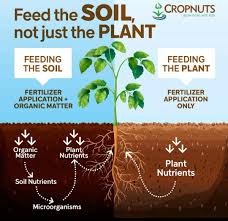
This idea changes the way novices approach successful gardening. Most beginners focus entirely on plants and ignore the soil which determines everything.
Healthy soil is home to millions of beneficial organisms that decompose organic matter into forms available for plants to take up. These tiny workers are doing the heavy lifting. You’re feeding soil organisms, not directly feeding plants.
Incorporate compost in the garden prior to planting and as mulch during the growing season. Just 2-3 inches of good compost transforms sad soil into plant paradise.
Compost vs. Fertilizer: What You Need to Know as a Beginner
Compost nourishes the biology of soil and strengthens soil structure in the long term. It delivers nutrients slowly and evenly. You can’t really overdo compost.
Fertilizer delivers concentrated nutrients directly to plants. It works faster but doesn’t enhance soil health. The over-application of fertilizer can burn plants and kill the helpful organisms in your soil.
For first-timers, compost is safer and more forgiving. Purchase bagged compost from garden centers if you’re not making your own yet. Seek out products with the phrase “composted manure” or “mushroom compost” on the label.
Add compost around plants monthly during the growing season. This easy practice prevents most nutrient deficiency issues that beginners struggle with. Your soil becomes richer each year, instead of becoming more depleted.
Embrace Imperfect Produce
Perfect supermarket vegetables set unrealistic expectations. Those perfect tomatoes and perfectly shaped carrots come from industrial operations applying pesticides, watering exactly right and carefully controlling the environment.
Your first homegrown tomatoes might be a little odd-shaped, have tiny blemishes or uneven color. They’re still delicious and nutritious. In truth, they often taste better than store-bought produce because you have the luxury of growing flavorful varieties instead of ones that are bred to endure shipping.
It’s the little cosmetic imperfections that first-timers find disheartening. They feel like they are failing when their homegrown vegetables don’t resemble pictures in magazines. This attitude results in giving up before you even get a shot at real success.
What Your Harvest Really Means
Here are qualities to focus on instead of physical appearance:
- Taste: Does it taste good? That’s what matters most.
- Freshness: Homegrown food is fresh like nothing available in stores.
- Chemical-free: You know exactly what was or wasn’t put on your food.
- Growing success: Did the plant produce food? That’s a win.
Even a knobby, misshapen tomato that tastes wonderful represents total success. Rejoice in those victories instead of measuring your garden against commercial operations or experienced gardeners’ highlight reels on social media.
Master the Art of Strategic Laziness
First-timers tend to overdo it in their gardens. They’ll yank out every weed and worry about perfectly symmetric spacing between plants. But this approach burns you out very quickly.
Experienced gardeners practice strategic laziness. They reserve their energy for what really counts and let the little stuff slide.
Some weeds don’t hurt anything. If a weed is not taking up space, water or light from your vegetables, you don’t have to pull it. Those weeds may even be doing your garden a favor, acting as ground cover to prevent erosion and keep moisture in the soil.
The 80/20 Rule for Garden Tasks
Twenty percent of your garden work gives you 80% of the results. Find your highest leverage activities and make them top priority.
High-impact tasks worth your time:
- Consistent watering during dry spells
- Harvesting vegetables when ripe
- Removing diseased plant material immediately
- Adding compost or mulch monthly
Low-impact tasks you can skip:
- Achieving perfectly weed-free beds
- Staking every single tomato branch
- Worrying about exact plant spacing
- Achieving magazine-perfect garden aesthetics
This method of gardening makes it fun rather than a tiresome chore. You’ll stick with it for the long haul, and that’s how you actually develop gardening skills.
For more comprehensive gardening strategies and helpful guides, explore additional resources to support your growing journey.
Plant in Clusters, Not Rows
Conventional row planting is wasteful of space and time. That approach has its roots in large-scale farming, where tractors require sufficient space to pass between rows.
Home gardeners will find they have better results if they plant vegetables in clusters or blocks. This allows growing more in less space, while ensuring healthier growing conditions.
Block Planting Benefits
For lettuce and greens: Plant in a solid block with plants 4-6 inches apart from each other in all directions. The leaves provide natural shade, which means fewer weeds and cool roots. You fit three times as many plants in the same amount of space as row planting.
For bush beans: Plant in a 2×2 foot square, with seeds spaced 4 inches apart. The dense planting supports itself, keeps the weeds down and makes harvesting easy. You can reach all the plants from the edges.
For radishes: Scatter seeds over a square area, and thin to 2 inches apart. They will mature at slightly staggered times, giving you a longer harvest instead of 50 radishes all ripe the same day.
The only vegetables that benefit more from rows are those you plant once and harvest once, such as potatoes or onions. Even tomatoes and peppers can grow in clusters if you provide adequate spacing for airflow.
Stop Buying Cheap Seeds and Weak Transplants
This secret spares beginners from heartbreaking failures that have nothing to do with their gardening skills.
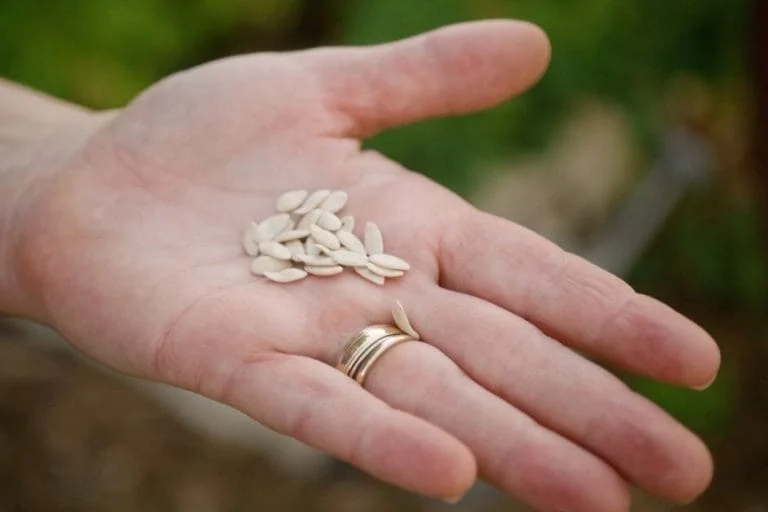
Dollar store seeds and discount transplants often fail because of poor genetics or improper storage. These plants struggle from day one no matter how well you care for them.
How to Spot Quality Transplants
When you purchase starter plants from a local nursery or garden center, look for these signs of health:
Good transplants have:
- Stocky stems (thick and sturdy, not thin and leggy)
- Deep green leaves (not pale or yellowish)
- Moist soil (neither bone dry nor soaking wet)
- No visible pests (check undersides of leaves)
- Size proportional to pot (not root-bound or too small)
Avoid transplants with:
- Flowers or fruit already forming (energy goes to reproduction instead of root establishment)
- Yellow or brown leaf edges (sign of stress or disease)
- Stretching toward light (shows they weren’t cared for properly)
- Wilted appearance even in moist soil (indication of root damage)
Quality seeds come from reputable companies that test germination rates and store seeds properly. Companies like Burpee, Park Seed and Johnny’s Selected Seeds cost slightly more but deliver consistent results.
A packet of cheap seeds can cost $1, while quality seeds are $3-4, but the germination rate might be 90% versus 50%. You actually get better value from premium seeds because more plants successfully grow.
For additional guidance on seed selection and planting techniques, visit the National Gardening Association’s resource center.
Create Your Personal Garden Journal
This final secret separates gardeners who improve every season from those who keep making the same mistakes year after year.
Start a simple notebook to track what you plant, when you planted it and what happened. Your journal becomes personalized gardening wisdom specific to your exact location, climate and conditions.
What to Record in Your Journal
Planting information:
- Date planted
- Variety name
- Where planted (container, garden bed location)
- Weather conditions that week
Growing observations:
- First sprout date
- First flower date
- First harvest date
- Total harvest amount
- Problems encountered (pests, disease, weather damage)
End-of-season notes:
- Would you grow this again?
- What would you do differently?
- Which varieties tasted best?
- Surprises (good or bad)
Take photos throughout the season. Pictures capture details you’ll forget, like exactly how you spaced plants or what early disease symptoms looked like.
Review your journal before starting the next season. You’ll spot patterns and make smarter choices. Maybe you’ll notice certain vegetables consistently fail in July heat but thrive in spring. That knowledge lets you adjust planting schedules for better results.
Digital tools work too. Use a phone app, spreadsheet or document. The key is writing things down while they’re fresh in your mind.
Frequently Asked Questions
How much should I spend on my first garden?
Start with $75-150 for a small beginner setup. This covers basic tools ($30-40), quality seeds or transplants ($20-30), compost ($15-25), and containers or a small raised bed kit ($30-50). You’ll reuse tools for years, making future seasons much cheaper.
What is the biggest mistake first-time gardeners make?
Planting too much too soon. Beginners get excited and plant everything that sounds interesting. Start with 2-3 vegetables maximum in a small space. Master those before expanding. Smaller gardens are more fun and less stressful.
How do I know if my plants are getting enough sunlight?
Most vegetables need 6-8 hours of direct sunlight daily. Observe your space throughout the day. Morning sun is cooler and gentler. Afternoon sun is intense and can stress plants. If plants stretch tall and lean toward light, they’re not getting enough sun.
Can I start gardening in summer or should I wait until next spring?
Start now, whatever the season. Summer is perfect for warm-weather crops like tomatoes, peppers, beans and squash. Fall gardening works great for lettuce, radishes and greens. Waiting until “the right time” delays your learning by months.
Do I really need to buy organic seeds and transplants?
Not necessarily. Organic matters more for what you put on plants (pesticides, fertilizers) than the seeds themselves. Quality and germination rates matter most when choosing seeds. Focus on reputable seed companies rather than organic certification for your first season.
How often should I fertilize as a complete beginner?
Skip liquid fertilizers initially. Add 2-3 inches of compost around plants monthly. This feeds soil organisms that provide nutrients to plants. As you gain experience, you can experiment with specific fertilizers. Compost prevents most beginner nutrient problems without the risk of burning plants.
Conclusion: Your Garden Journey Starts With Secret Knowledge
These eight powerful secrets give you the insider knowledge most gardeners learn through years of expensive mistakes. You now know to start smaller than feels exciting, test soil moisture with your finger instead of following schedules, and choose truly easy vegetables instead of trusting generic “easy” lists.
You understand that feeding soil creates healthier plants than directly fertilizing. You’ve learned to celebrate imperfect produce and practice strategic laziness. You know block planting produces more food in less space and that quality seeds and transplants matter more than most beginners realize.
Most importantly, you’re going to track your journey in a garden journal that becomes your personalized growing guide.
These secrets work because they address the real challenges first-timers face. They prevent common mistakes before they happen. They focus your energy where it actually produces results instead of spreading you thin across every possible gardening task.
Your first garden won’t be perfect. You’ll still make mistakes and lose some plants. That’s completely normal and part of the learning process. But armed with these secrets, you’ll avoid the devastating failures that make beginners quit entirely.
Start small, focus on learning and remember that every successful gardener was once a nervous beginner wondering if they could grow anything at all. The difference between them and people who gave up? They started, they learned and they kept going.
Your garden is waiting. Use these secrets and start growing.