Introduction: Your First Steps into Organic Gardening
Starting an organic garden sounds complicated. You might picture expensive organic products, complex soil testing, and years of study before growing anything edible. That image keeps many beginners from trying organic methods at all.
The reality is much simpler. Organic gardening for beginners focuses on six basic practices that anyone can master. These techniques don’t require special equipment, scientific knowledge, or a big budget. They work with nature’s existing systems instead of fighting against them.
Traditional gardening relies on synthetic chemicals to force plants to grow and kill anything that threatens them. This approach creates dependency on products you must buy repeatedly. It depletes soil health over time and leaves chemical residues on food.
Organic practices take the opposite approach. They build soil that naturally feeds plants, encourage helpful insects that control pests, and create gardens that get healthier each season instead of weaker.
These six easy organic home gardening practices for beginners give you a solid foundation. You’ll learn what actually matters when starting organic and what you can safely ignore. Each practice addresses one specific challenge beginners face, from feeding plants to controlling weeds.
Most importantly, these methods set you up for long-term success. They create positive cycles that make gardening easier over time rather than harder. Your second season will be simpler than your first because you’re building healthy systems instead of fighting problems.
Let’s explore the straightforward practices that make organic gardening accessible to everyone.
Start with Small-Scale Composting
Compost transforms garbage into garden gold. This simple process takes vegetable scraps and yard waste that would go to the landfill and converts them into the best plant food available.
Many beginners think composting requires complicated bins, precise recipes, or unpleasant odors. None of that is true. Basic composting needs just three things: organic materials, moisture, and air.
You don’t need a fancy bin to start. A simple pile in a corner of your yard works perfectly. If you want to contain materials or live in a neighborhood with restrictions, a basic wire cylinder or wooden pallet enclosure costs under $20 to build.
The Lazy Gardener’s Composting Method
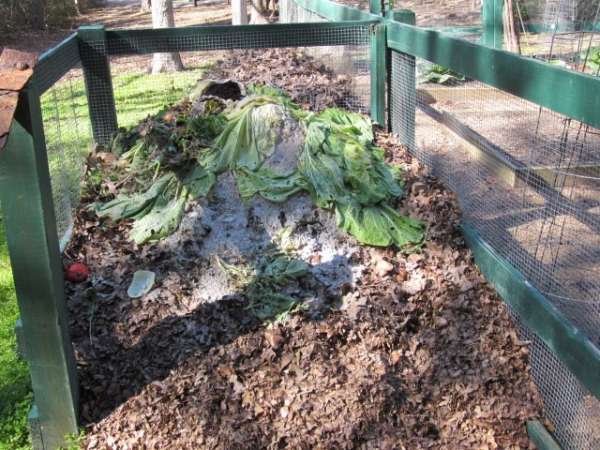
This approach requires minimal effort and produces finished compost in 3-6 months.
Find a spot in your yard that’s convenient but not prominently visible. You’ll be adding materials regularly, so choose somewhere you pass frequently.
Start your pile with a 6-inch layer of brown materials like dry leaves, shredded paper, or straw. These carbon-rich materials create air pockets and prevent the pile from becoming slimy.
Add a 3-inch layer of green materials like vegetable scraps, grass clippings, or coffee grounds. These nitrogen-rich materials heat up the pile and feed the organisms doing the composting work.
Continue alternating brown and green layers as you collect materials. Aim for roughly twice as much brown as green material overall.
What Goes in Your Compost:
| Add These | Skip These |
|---|---|
| Fruit and vegetable scraps | Meat, fish, bones |
| Coffee grounds and filters | Dairy products |
| Eggshells (crushed) | Oils and fats |
| Grass clippings | Pet waste |
| Dry leaves and straw | Diseased plants |
| Shredded paper | Weeds with seeds |
Water your pile when you add new materials. It should feel like a wrung-out sponge—damp but not dripping. In dry climates, sprinkle the pile with a hose weekly.
Turn the pile every 2-3 weeks by mixing the outside materials into the center. This adds oxygen that speeds decomposition. If turning sounds like too much work, just let it sit. It will still compost, just more slowly.
Using Your Finished Compost
Compost is ready when it looks dark and crumbly like rich soil. You shouldn’t be able to identify the original materials except maybe some small woody bits.
Spread 2 inches of compost over your garden beds before planting each season. This feeds plants throughout their entire growing period while improving soil structure.
Add a 1-inch layer around growing plants monthly. This top-dressing provides continuous nutrition and beneficial microorganisms that protect against disease.
Apply Mulch to Do Your Work for You
Mulching might be the single easiest organic practice that delivers the biggest results. This simple technique solves multiple problems with one action.
Organic mulch is any natural material you spread over soil around plants. It blocks sunlight that weeds need to sprout, holds moisture in soil so you water less often, keeps soil temperature stable to protect roots, and breaks down slowly to feed soil organisms.
Most beginners skip mulching because it seems optional. They quickly discover that skipping mulch means hours spent pulling weeds and watering constantly.
Free Mulch Materials You Already Have
You don’t need to buy expensive bagged mulch. Several free materials work just as well or better.
Grass clippings: After mowing your lawn, collect clippings instead of bagging them for the trash. Let them dry for a day to prevent matting. Spread a thin 1-inch layer around vegetable plants. Add more as the layer decomposes.
Grass clippings break down quickly and add nitrogen to soil. They’re perfect for heavy-feeding plants like tomatoes, squash, and corn.
Shredded leaves: Rake fall leaves and run over them with a lawn mower to shred them. Whole leaves mat together and prevent water from reaching soil. Shredded leaves allow water through while blocking weeds.
Apply shredded leaves 3-4 inches thick around all plants. They break down over one season, improving soil dramatically.
Straw: If you don’t have access to free materials, clean straw costs $5-8 per bale and covers a large area. One bale mulches a 100 square foot garden bed 3 inches deep.
Make sure you buy straw, not hay. Hay contains seed heads that sprout into weeds. Straw is just the stems with seeds removed.
Proper Mulching Technique
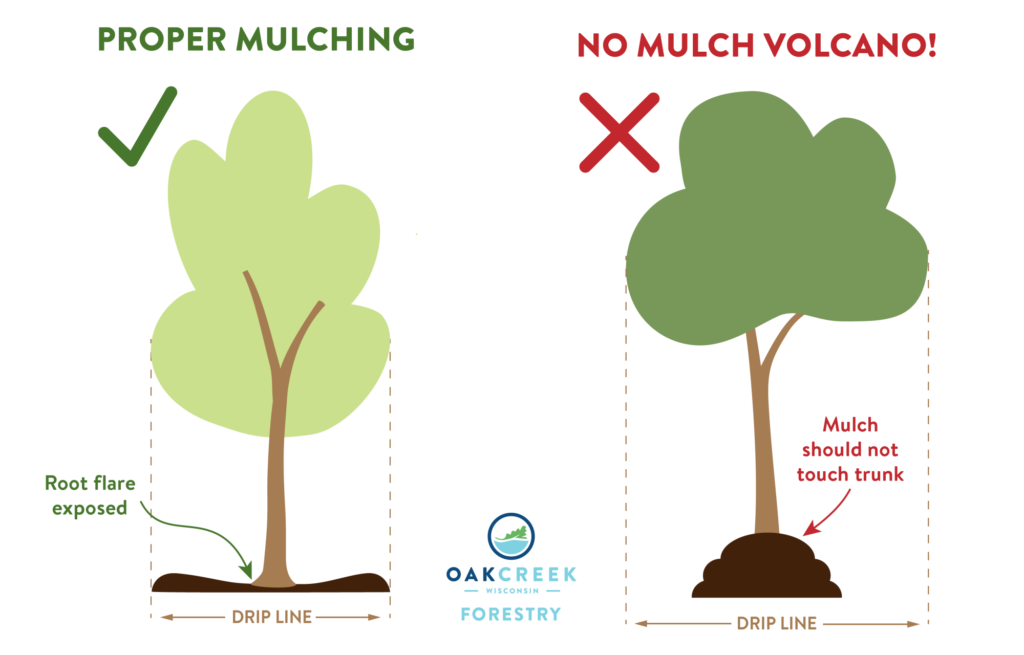
Pull existing weeds before mulching. Mulch prevents new weeds from sprouting but won’t kill established ones.
Keep mulch 2-3 inches away from plant stems. Mulch piled against stems holds moisture that causes rot and invites disease.
Apply mulch 2-4 inches thick depending on material type. Fine materials like grass clippings need only 1-2 inches. Coarser materials like straw need 3-4 inches for effective weed suppression.
Refresh mulch as it decomposes. Check every 6-8 weeks and add more to maintain proper depth. The decomposing mulch is feeding your soil, so regular refreshing improves your garden continuously.
Choose Naturally Pest-Resistant Plants
One of the easiest organic home gardening practices for beginners is simply selecting plants that resist pests and diseases naturally. This prevents most problems before they start.
Some vegetables and herbs rarely have pest issues. They either repel insects naturally, grow so vigorously they outpace damage, or possess natural disease resistance.
Starting with these reliable plants gives you confidence and success in your first organic garden. You’ll harvest food without dealing with complicated pest management.
Beginner-Friendly Organic Vegetables
These vegetables thrive in organic gardens with minimal intervention.
Zucchini and summer squash: These plants grow so fast that pests can’t keep up. Even if squash bugs attack, you’ll harvest plenty of vegetables before damage becomes serious. Plant two plants and you’ll have more squash than you can eat.
Cherry tomatoes: Much more disease-resistant than large tomato varieties. Cherry tomatoes produce hundreds of fruits per plant from mid-summer until frost. They tolerate imperfect growing conditions that would stop larger tomatoes.
Green beans (bush varieties): Bean plants fix nitrogen from the air, so they need less fertilizer. Few pests bother beans. They grow quickly from seed to harvest in just 55-65 days. Bush varieties need no staking or support.
Lettuce and salad greens: Cool-season crops that grow in spring and fall when most garden pests aren’t active. Harvest outer leaves continuously while the plant keeps producing new growth. One packet of seeds provides salads for months.
Swiss chard: Incredibly tough plants that tolerate heat, cold, drought, and poor soil. Few pests bother chard. The colorful stems make it attractive enough for flower beds. One planting produces greens from spring through fall.
Pest-Repelling Herbs
Certain herbs naturally repel many common garden pests. Planting them throughout your garden creates a protective barrier.
Basil: Repels aphids, whiteflies, and mosquitoes. Plant basil between tomato plants for natural pest protection and improved tomato flavor.
Mint: Deters ants, aphids, and flea beetles. Plant mint in containers because it spreads aggressively. Place containers strategically around the garden.
Rosemary: Repels cabbage moths, carrot flies, and bean beetles. This woody herb grows for years in warm climates, providing continuous protection.
Marigolds: Not technically an herb, but these flowers repel nematodes in soil and many above-ground pests. Plant marigolds as a border around vegetable beds.
Water Smart to Prevent Disease
How you water affects plant health as much as how much you water. Most beginner organic gardeners unknowingly create disease problems through poor watering habits.
Organic gardening emphasizes disease prevention because organic disease treatments are limited. Proper watering prevents most fungal diseases that plague gardens.
The Morning Watering Rule
Always water in early morning, ideally before 9 AM. This timing allows foliage to dry completely before evening temperatures cool.
Wet leaves at night create perfect conditions for fungal diseases like powdery mildew, blight, and rust. These diseases spread rapidly and can destroy entire plants in days.
Morning watering also reduces water waste. Less evaporates in cooler morning temperatures compared to hot afternoon watering.
Set a phone alarm if you tend to forget morning tasks. This simple habit prevents more organic gardening problems than any other single practice.
Water Soil, Not Leaves
Direct water at the soil around plants, not at foliage. Wet soil feeds roots while wet leaves invite disease.
Use a watering wand with a gentle shower head or remove the nozzle from your hose to create a soft flow. Blast watering splashes soil onto leaves, spreading soil-borne diseases.
Soaker hoses make this practice automatic. These porous hoses weep water directly into soil without wetting leaves. Lay them along plant rows and turn on for 1-2 hours to water deeply.
The Deep Watering Technique
Most beginners water too frequently and too shallowly. This creates weak root systems that can’t tolerate dry periods.
Water deeply once or twice weekly instead of lightly every day. Deep watering encourages roots to grow down into soil where moisture stays more consistent.
How do you know if you’ve watered deeply enough? Stick a trowel into soil 30 minutes after watering. The soil should be moist 6-8 inches down. If it’s only wet 2-3 inches deep, water longer next time.
Let soil dry somewhat between watering. Stick your finger 2-3 inches into soil before watering. If it feels damp at that depth, wait another day.
Feed Plants with Kitchen Scraps
Organic fertilizers can cost $15-30 per bag. Beginners often think they need multiple specialized products for different plants.
The truth is simpler. You can feed your organic garden using materials from your kitchen that you’d normally throw away. These free fertilizers work as well as expensive products while reducing waste.
Coffee Grounds for Acid-Loving Plants
Used coffee grounds contain nitrogen, potassium, and trace minerals. They also slightly acidify soil, which benefits tomatoes, peppers, and blueberries.
Collect used coffee grounds and filters in a container. When you have a cup or two, scatter them around the base of plants. Scratch them lightly into the top inch of soil.
Coffee grounds also repel slugs and snails. Create a barrier ring around vulnerable plants like lettuce and hostas.
Don’t apply coffee grounds more than once monthly. Too much can make soil overly acidic.
Banana Peels for Flowering and Fruiting
Banana peels are rich in potassium, the nutrient plants need for flowering and fruit production. They also contain calcium and magnesium.
Chop peels into 1-inch pieces. Bury them 2-3 inches deep around tomatoes, peppers, roses, and flowering plants. They decompose in 2-3 weeks, releasing nutrients gradually.
For faster results, make banana peel tea. Soak 3-4 chopped peels in a gallon of water for 48 hours. Strain out solids and pour the liquid around plants.
Eggshell Calcium for Strong Plants
Crushed eggshells provide calcium that prevents blossom end rot in tomatoes and peppers. Calcium also strengthens cell walls, making plants more resistant to disease.
Rinse eggshells and let them dry completely. Crush them into small pieces using a rolling pin or blend them into powder.
Sprinkle crushed shells around tomato and pepper plants at planting time and monthly thereafter. Work them into the top inch of soil or leave on the surface.
Eggshells break down slowly over several months, providing long-lasting calcium.
Vegetable Cooking Water as Liquid Fertilizer
Water you boil vegetables in contains vitamins and minerals that leached out during cooking. Don’t pour this nutrition down the drain.
Let vegetable cooking water cool completely. Pour it around plants as a gentle liquid fertilizer. The nutrients are already dissolved, so plants absorb them immediately.
Never use salted water. Salt damages soil and plants. Only use plain water from steaming or boiling vegetables.
Grow Companion Plants Together
Companion planting is one of the easiest organic home gardening practices for beginners because it requires no extra work. You simply plant beneficial combinations instead of random arrangements.
Certain plants help each other when grown together. Some repel pests that attack their neighbors. Others improve soil for companion plants or provide physical support.
This traditional practice reduces pest problems and increases yields without any additional effort beyond smart planning.
Three Classic Companion Groups
The Three Sisters (Corn, Beans, Squash): This Native American combination is perfect for beginners. Plant corn first. When it’s 6 inches tall, plant beans at the base of corn stalks. Plant squash between corn mounds.
Corn provides a natural pole for beans to climb. Beans fix nitrogen that feeds all three plants. Squash leaves shade the ground, preventing weeds and retaining moisture.
Tomatoes and Basil: These garden favorites benefit each other in multiple ways. Basil repels aphids, whiteflies, and hornworms that attack tomatoes. Many gardeners claim basil improves tomato flavor.
Plant basil seedlings 12 inches away from tomato plants. Both need similar water and sun conditions.
Carrots and Onions: Onions repel carrot flies, the primary pest affecting carrots. Carrots help break up soil, making it easier for onion bulbs to expand.
Alternate rows of carrots and onions, or plant a border of onions around carrot patches.
Simple Companion Planting Rules
Plant strong-smelling herbs throughout the garden: Basil, oregano, thyme, and sage confuse pests searching for vegetables by scent. Tuck herbs between vegetable plants.
Add flowers to vegetable beds: Marigolds, nasturtiums, and alyssum attract beneficial insects while repelling pests. They also make your garden more attractive.
Avoid planting the same family together: Don’t group all tomato-family plants (tomatoes, peppers, eggplants, potatoes) in one area. Pests that find one plant will easily find the others. Spread them throughout the garden.
Keep beans away from onions: Despite working well with most vegetables, beans and onions inhibit each other’s growth when planted together. Keep them in separate areas.
For additional guidance on companion planting strategies and garden layout planning, explore resources at Rodale’s Organic Life.
Track Your Garden Progress
One of the most overlooked easy organic home gardening practices for beginners is simple record-keeping. A basic garden journal prevents you from repeating mistakes and helps you build on successes.
You don’t need fancy apps or detailed spreadsheets. A simple notebook and pencil work perfectly.
What to Write Down
Planting dates: Record when you plant each vegetable. This helps you time plantings better next season and understand how long different crops take to produce.
Varieties grown: Write down specific variety names from seed packets or plant tags. Some varieties perform much better than others in your specific conditions. Your notes tell you which ones to buy again.
Weather patterns: Note unusual weather events—late frost, heat waves, heavy rain periods, drought. These affect plant performance and explain why some seasons produce better than others.
Pest and disease problems: Record what pests or diseases appeared, when they showed up, and how you handled them. This information helps you prevent problems in future seasons.
Harvest notes: Write down when you harvested each crop and approximate quantities. This shows which vegetables produced well and which weren’t worth the space.
End-of-season thoughts: Spend 30 minutes at season’s end reviewing what worked and what didn’t. These fresh observations are invaluable when planning next year’s garden.
Use Photos as Visual Notes
Take photos every week or two throughout the growing season. Photos capture details you’ll forget, like how you spaced plants, what early pest damage looked like, or how much a plant grew in a month.
Photos also track garden improvements over years. Comparing year-one photos to year-three photos shows dramatic differences as organic practices improve your soil and plant health.
Most smartphones automatically date photos and can organize them into garden-specific albums. This creates an automatic visual journal with minimal effort.
For more comprehensive organic gardening tips and seasonal planning guides, explore additional resources to support your growing journey.
Frequently Asked Questions
Do I need to buy organic seeds for an organic garden?
Not necessarily. Organic seeds are ideal but not required for beginners. What matters more is avoiding synthetic pesticides and fertilizers while growing. Standard seeds grow perfectly fine using organic methods. As you gain experience, you can transition to organic seeds if desired.
How long before my organic garden produces food?
Fast-growing vegetables like lettuce and radishes produce in 25-30 days. Bush beans take 50-60 days. Tomatoes need 60-80 days from transplanting. Most beginners harvest their first vegetables within 4-6 weeks of starting their garden.
Is organic gardening more work than regular gardening?
Initially, organic methods take similar time to conventional gardening. After 1-2 seasons, organic gardens require less work because healthy soil and beneficial insects handle many tasks automatically. You spend less time fighting pests and disease as the garden ecosystem balances.
Can I grow organic vegetables in pots and containers?
Absolutely. Container gardening works beautifully with organic methods. Use organic potting mix, add compost monthly, and water with diluted compost tea. Containers actually benefit more from organic approaches because nutrients don’t wash away as quickly with gentle organic feeding.
What should I do about weeds in an organic garden?
Mulch heavily (3-4 inches) to prevent most weeds from sprouting. Pull weeds when they’re small, before they flower and set seed. Hand weeding takes time initially but decreases dramatically once good mulch coverage is established and healthy plants shade the soil.
Are organic vegetables really healthier than conventional ones?
Organic vegetables often contain more vitamins and minerals because healthy organic soil provides complete nutrition. They contain no pesticide residues. Most importantly, organic vegetables taste better because plants develop natural sugars and flavors instead of forced rapid growth from synthetic fertilizers.
Conclusion: Simple Practices, Lasting Results
These six easy organic home gardening practices for beginners create a foundation for long-term success. You’ve learned that composting transforms waste into valuable plant food, mulching solves multiple problems with one simple action, and choosing pest-resistant plants prevents most problems before they start.
You understand that smart watering prevents disease naturally, kitchen scraps feed plants for free, and companion planting increases yields without extra work. You know that simple record-keeping helps you improve each season.
None of these practices require special skills, expensive products, or complicated techniques. They work with nature’s existing systems instead of fighting against them.
Organic gardening isn’t about perfection. You’ll make mistakes, lose some plants, and face unexpected challenges. That’s normal and part of learning.
What matters is that these six practices set you up for continuous improvement. Each season builds on the last. Your soil gets richer. Beneficial insects establish themselves. You gain knowledge specific to your exact growing conditions.
Start with just two or three practices if six feels overwhelming. Composting and mulching deliver the biggest benefits with the least effort. Add other practices as you gain confidence.
The vegetables you grow using these organic methods will taste better than anything from the grocery store. They’ll be free from chemical residues and full of nutrition from healthy soil.
Most importantly, you’ll know exactly how your food was grown. No mystery chemicals, no harmful residues, just clean vegetables grown in harmony with nature.
Your organic garden is waiting. Choose one or two practices from this guide and start today. By next season, you’ll wonder why you ever considered conventional gardening methods.
These easy organic home gardening practices for beginners work because they’re simple, proven, and build on each other. They’ll work in your garden too.