Natural Pest Control, and Why Your Garden “Needs” It
One of the great pleasures of having a home is cultivating your own vegetables and flowers. But when pests go after your cherished plants, the first urge might be to turn to chemical sprays. But these pesticides, which are man-made, kill the good bugs, soil the ground and can be dangerous to your family and pets.
A far safer alternative are natural organic home gardening pest solutions. These solutions ensure your plants will be safe and your garden’s ecosystem intact. You’ll be saving money, keeping these chemicals out of our ecosystem and your produce will bear the fruits of health that are safe for your family.
This guide exposes 11 of the most effective organic pest control methods that actually work. Every solution takes with you ingredients that you probably already have at home or can easily find in your local store. To help eliminate the pests and get rid of them for good, we will have to transform your garden into a beautiful, pest-free paradise…the natural way!
The Power of Companion Planting
When done right, companion planting is nature’s pest control. Some plants naturally drive away insects when planted in proximity to susceptible crops. This is very old-fashioned farming, and it works — because some plants secrete chemicals that bugs don’t just dislike, they hate.
Best Companion Plant Combinations:
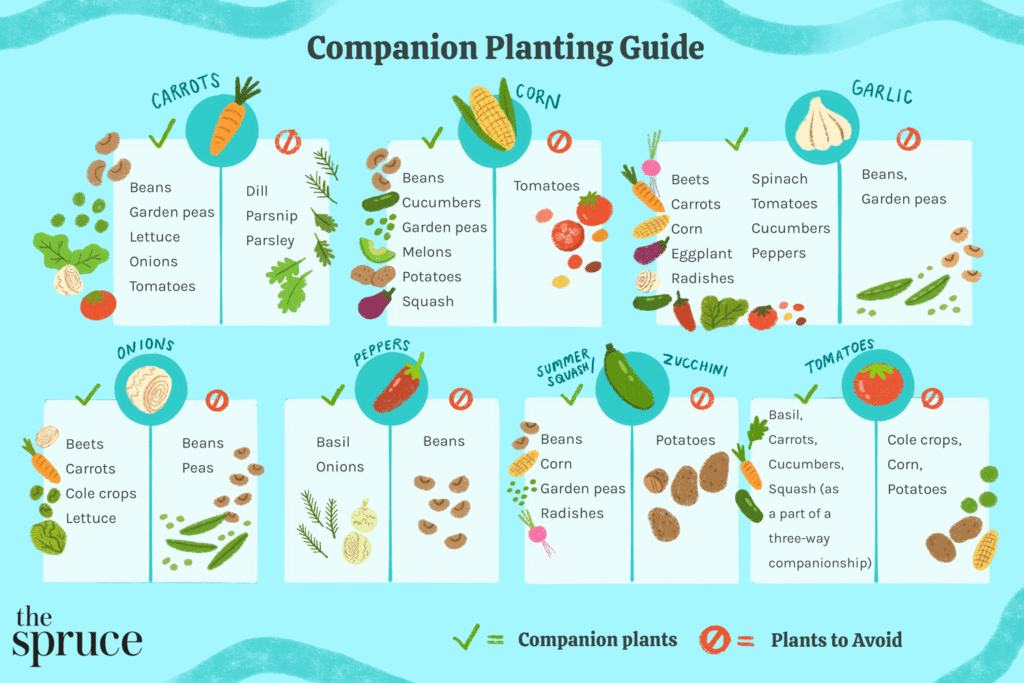
Marigolds and Tomatoes: Scatter marigolds around tomato plants to deter aphids and whiteflies. The strong fragrance confuses them and also masks the smell of your tomato plants. Plant them every 18 inches around the perimeter of your garden.
Basil with Peppers and Tomatoes: Basil grows well with peppers and tomatoes. It is repellent to thrips, flies and mosquitoes and improves the flavor of vegetables next door. The aromatic oil found in basil leaves serves as a natural barrier to pests.
Nasturtiums as Trap Crops: Aphids are enticed to nasturtiums which trap these bugs. These pretty flowers will draw aphids away from your main crops. Plant them on the periphery of gardens so you can easily de-infest them when they are smothered in pests.
Garlic and Onions: Interplanted garlic and onions discourage Japanese beetles, aphids, and spider mites. The other is their sulfur compounds, which produce a natural shield that most bugs want no part of.
Soap Spray for Aphids, Whiteflies and Other Soft-Bodied Insects
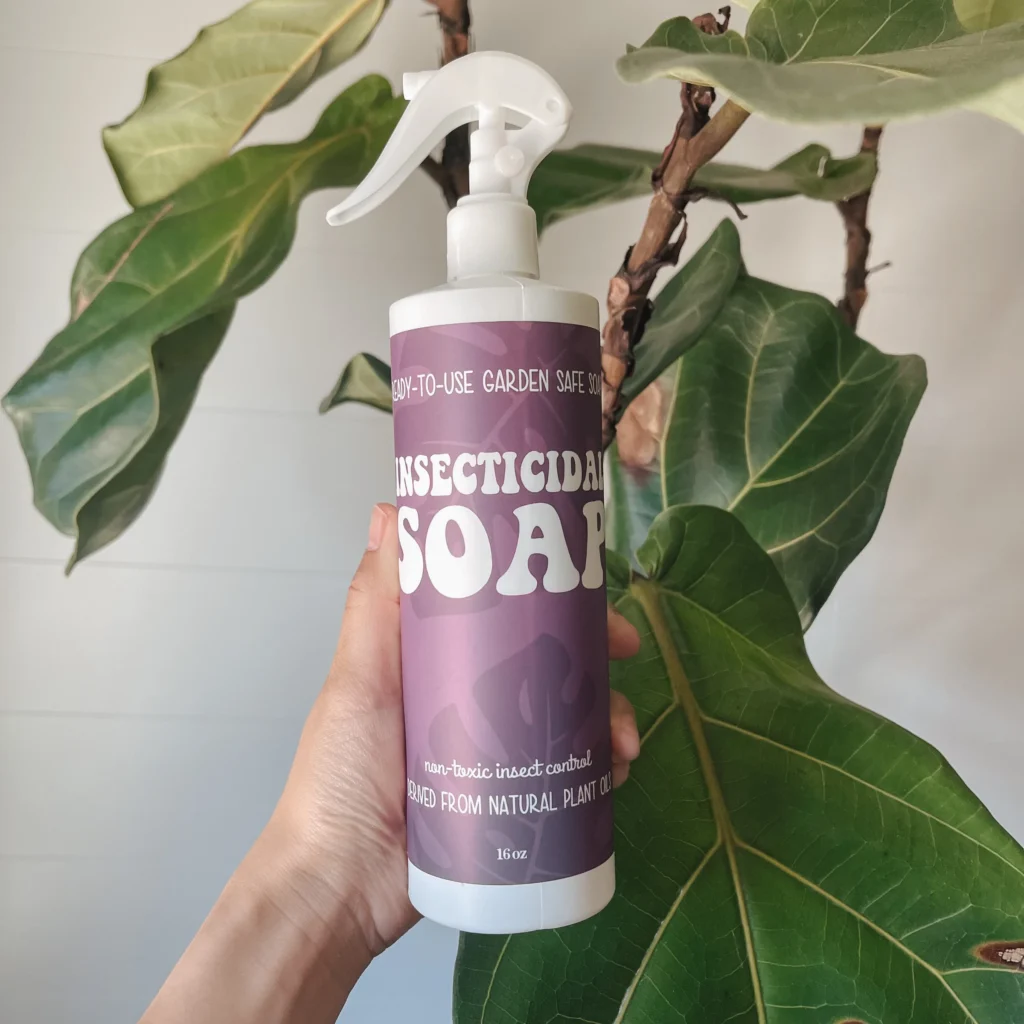
Soap spray is one of the most natural organic home gardening pest solutions. This basic solution kills soft-bodied bugs (including aphids, mealybugs, spider mites, and whiteflies) on contact.
How to Make It:
Blend 1 tablespoon of natural soft liquid castile soap with a quart of water. Stay away from degreaser or antibacterial dish soaps. Decant the solution into a spray bottle.
Application Method:
Spray target pests directly in the early morning or late evening. The soap removes the protective layer on insects’ bodies which leads to dehydration. Cover the leaves extremely well on both sides. Repeat 2-3 days until the mites are gone.
Always try on a small part of a leaf first. Some few delicate plants might evince some sensitiveness. If any leaf damage is observed then rinse the plants with plain water after 2 hours.
Neem Oil: Nature’s Multi-Purpose Pesticide
Neem oil is produced from the seeds of the neem tree, indigenous to India. This natural product manages more than 200 types of pests, and is safe for humans, pets, and beneficial insects when used as directed.
What Makes Neem Oil Special:
Azadirachtin, the active ingredient, interferes with insect hormones. The creatures stop feeding, are unable to reproduce and perish. Neem oil also doesn’t create resistant insects, like chemical pesticides do.
Proper Mixing Instructions:
Mix 2 tablespoons of cold-pressed neem oil into 1 gallon of water. Include 1 teaspoon of mild, liquid soap as an emulsifier. Shake well each time before using as oil and water naturally separate.
Spray early in the morning or late in the evening. Neem oil degrades when exposed to direct sunlight. Spray every 7-14 days and after rainfall. It’s also effective on beetles, caterpillars, leafminers, aphids and fungal diseases.
Diatomaceous Earth for Crawling Pests
Diatomaceous earth (DE) consists of the fossilized flows of small aquatic organisms. Under a microscope, the particles appear as jagged pieces of shattered glass. For insects, walking over DE is like crawling over razor blades.
How It Eliminates Pests:
Those sharp particles sliced through the hard exoskeletons of insects. Pests are desiccated and die within 48 hours. DE also works for slugs, snails, ants, beetles, earwigs and virtually every crawling insect.
Application Guidelines:
Use only food-grade diatomaceous earth. Wear a dust mask when applying to prevent inhaling the fine powder. Layer a thin layer around the base of plants and garden perimeters.
Re-apply after rain or heavy dew, as rain does decrease its effectiveness. Create barriers around vulnerable plants. The powder does not work well in wet environments.
Garlic and Pepper Spray Recipe
This multi-product is two of nature’s most potent pest repellents in one! Sulfur compounds found in garlic are repellent to many insects. There are hot peppers and they have capsaicin that burns upon contact.
Strong Pest Deterrent Formula:
Run 10 cloves of garlic, 2 hot peppers and two cups water through a blender. Let steep overnight. Pour through cheesecloth and mix in 1 tablespoon of liquid soap. Water down with 1 gallon of water.
Safety and Usage:
It’s best to wear gloves when handling hot peppers. The spray irritates the skin and eyes. Test on a few leaves first. Certain more sensitive plants may respond negatively to the potent brew.
Spray generously onto plants and make sure to reach the underside of leaves. Then there is the smell, which in itself deters the critters. Reapply weekly and after rain. It keeps aphids, caterpillars, beetles and larger pests like rabbits at bay.
Beneficial Insects: Your Garden Allies
Not all bugs are bad. In fact, a lot of insects help to defend your garden from pests that are harmful. Luring these beneficials creates an equilibrium that maintains pest numbers at manageable levels. For more comprehensive organic gardening tips and solutions, explore additional resources that can help you build a thriving ecosystem.
Top Beneficial Insects:
| Beneficial Insect | Pests Controlled | Plants That Attract Them |
|---|---|---|
| Ladybugs | Aphids, mealybugs, scale | Dill, fennel, yarrow |
| Lacewings | Aphids, caterpillars, mites | Cosmos, coreopsis, angelica |
| Parasitic Wasps | Caterpillars, aphids, beetles | Parsley, sweet alyssum, dill |
| Ground Beetles | Slugs, snails, cutworms | Perennial ground covers |
| Praying Mantis | Majority of garden pests | Tall grasses, shrubs |
Creating a Beneficial Insect Habitat:
Plant mixed flowers that bloom all season. Put stones in a shallow water source such as birdbaths. Don’t use any pesticides, not even organic ones, when you are building beneficial insect populations. Let a few spots in your garden go wild with leaf litter and mulch where these helpers can hang out.
Control Slugs and Snails with Beer Traps
Slugs and snails do serious damage by munching holes in leaves and turning seedlings into ribbons overnight. These slimy pests are attracted to beer and will crawl into traps in order to lap it up.
Setting Up Effective Traps:
Plant shallow boxes level with surface of soil. Fill halfway with cheap beer. Set traps every 3-4 feet in infested areas. Slugs slither in to sample the yeast scent and drown.
Trap Maintenance:
Empty and reset traps every 2 to 3 days. The rain waters down the beer and results are compromised. Place traps near plants that are being damaged by slugs. This technique is particularly useful in spring and fall when slugs are most active.
To add a little more protection, make yourself some copper barriers which size up against raised beds. Slugs won’t travel across copper — it gives them a light electric shock.
Vinegar Weed Killers and Other Natural Pesticides
White vinegar is food safe and pesticide free, but it contains acetic acid that can kill weeds and certain pests. This common household product is one of the most affordable natural organic home gardening pest remedies.
Weed Control Formula:
Combine 1 gallon of white vinegar (5 percent acidity), 1 cup of salt and 1 tablespoon of dish soap. Spray plants on a sunny day. It burns up weed leaves and prevents regrowth.
Pest Deterrent Spray:
For ants and pests, use straight white vinegar or mix 50/50 with water. Spray on garden paths, plant pots and entry points for ants into your garden. The powerful odor interferes with their scent trails.
Important Warnings:
The vinegar will not be selective and will kill any plant it comes into contact with. Avoid spraying near desired plants. The acid can gradually change soil pH with repeated use. Apply sparingly and only where necessary.
Egg Shells and Coffee Grounds Protection
Kitchen scraps: Do not toss them. Crushed eggshells and grounds from used coffee act as physical walls against local pests.
Eggshell Barrier Method:
Crush eggshells into small pieces. Sprinkle in the base of plants. Its sharp edges snip the soft bodies of pests such as slugs and snails. As an added bonus, eggshells contribute calcium to the soil as it breaks down.
Coffee Grounds Application:
Lay used coffee grounds around plants. The roughness feels bad to slugs and snails. Coffee grounds are also ants and cats repellent. The nitrogen content in the bag feeds your soil microbes.
Double Protection Strategy:
If you use both, your protection will be twice as strong. Form a 2-inch barrier around susceptible plants. Replace monthly as material decomposes. This conserves nutrients while discouraging ground-dwelling pests.
Essential Oil Pest Repellents
Any insect-repelling plant is going to have oils in its leaves that you can distill. Those scents are too much for insects that rely on smell to find food, and they’ll head back elsewhere. Various pests detest various oils so the homemade natural organic home gardening pest control solutions are versatile.
Most Effective Garden Oils:
Peppermint Oil: Aphids, ants, beetles and spiders are driven away by peppermint oil. Combine 10 drops with 1 cup water and 1 teaspoon soap.
Rosemary Oil: Rosemary oil works as an effective cabbage moth, carrot fly and mosquito repellent.
Eucalyptus Oil: Eucalyptus oil kills aphids and mites.
Creating Custom Blends:
Mix oils to protect against a wider range of bugs. Experiment with 5 drops peppermint, 5 drops rosemary and 5 drops tea tree oil to a pint of water with a teaspoon liquid soap. Shake well before each use.
Protect plants by spraying once a week during growing season. Use early in the morning or evening. Essential oils notoriously degrade when exposed to sunlight. Keep mixtures in dark-colored bottles to maintain potency.
Biological Controls: Bacteria and Fungi
Some good bugs destroy particular pests but pose no threat to plants, people or other insects. These natural controls are specific, targeted pest control. According to the EPA’s guide on biopesticides, biological pest control agents are an important part of integrated pest management.
Bacillus Thuringiensis (Bt):
This bacteria, which occurs naturally, produces proteins that are poisonous to caterpillars. When caterpillars consume Bt-sprayed leaves, they cease feeding and perish in a matter of days. Bt is tailored only to moth and butterfly larvae, such as cabbage worm, tomato hornworm and corn borer.
Use Bt powder or liquid according to package instructions. Do this late in the afternoon as UV light will kill bacteria. Spray every 5-7 days when caterpillars are present. Bt does not affect bees, ladybugs or any of the other beneficial insects.
Beneficial Nematodes:
These tiny worms prey on soilborne pests. Insect larvae consume them and the bacteria they carry, which can kill off the host. Beneficial nematodes eliminate grubs, cutworms, fungus gnats and root weevils.
Mix nematodes with water and pour on damp soil in the early morning or evening. Soil should be kept moist for at least two weeks after applying. These life forms set up residence in your garden and offer continuous pest control.
Hand-Picking: The Original Pest Control
The most simple answer is often the best. Handpicking pests is labor intensive but 100% effective and environmentally sound.
Best Times for Picking:
Inspect plants in the early morning when pests are slow. Check the leaves, places where insects generally hide in hidden part of the day. Carry soapy water to dunk the insects as soon you pluck them, either in a cup or by bringing the bucket over.
Most Common Hand-Picked Pests:
Tomato Hornworms: Tomato hornworms are big and obvious. Their color makes them hard to see, but look for black droppings on leaves below the caterpillars.
Japanese Beetles: Japanese beetles feed on plants in the morning. Shake branches out over a tarp to gather what you can.
Cabbage Worms: Cabbage worms camouflage themselves in green leaves, but also leave telltale damage holes.
Squash Bugs: Squash bugs also conceal themselves under leaves and at the base of plants. Inspect daily and remove eggs if possible before hatching.
Making It Easier:
Check your garden every day during the height of pest season. Five minutes of morning inspection prevents full-on infestations. Get kids involved in the hunt, and make them aware of garden ecosystems. This hands-on method helps get you in touch with your plants and catch problems early.
Creating Your Pest Management Schedule
The key to effective natural organic home gardening pest solutions is perseverance. A hit or miss won’t work as well as planned prevention, so it’s important to stay vigilant.
Monthly Garden Pest Calendar:
Early Spring: Treat soil with beneficial nematodes. Set up beer traps for slugs. Plant companion plants with main crops.
Late Spring: Apply a neem oil spray every other week, or as needed as plants grow. Introduce beneficial insects. Inspect under leaves daily for pest eggs.
Summer: Hand-pick pests every morning. Repeat soap spray applications if the numbers increase. Recharge diatomaceous earth barriers following rain.
Autumn: Clear away dead plant debris where overwintering pests may hide. Apply compost to strengthen soil. Coordinate your companion planting for next year.
Winter: Clean spray bottles, and place in storage. Order beneficial insects for spring deployment. Find out what pests were problematic and prepare for prevention.
Measuring Your Success
Keep track of what works in your particular garden. Climate, soil type and local pest populations affect conditions. Make a note of which homemade gardening pest remedies were most effective.
Simple Tracking Method:
Before treating pest damage, take photos. Take notes on what you applied and how often. Photograph results after one week. Record the weather since it may all impact results.
Compare one year to the next on pest pressure. Pest issues should decrease as good bugs set up and soil health grows. The effect of natural pest control is cumulative rather than the quick fix provided by chemical insecticides.
Frequently Asked Questions
How long does natural pest control take to work?
Contact sprays such as soap spray take hours to work on soft-bodied insects. Biological controls take 3-5 days. Prevention is from companion planting and beneficial insects throughout the season. Some work right away for crawling pests like diatomaceous earth.
How Safe Are Natural Pest Controls Around Children and Pets?
The overwhelming majority of natural remedies are safe when taken as directed. Harmless soap sprays, neem oil and diatomaceous earth are little risk. Despite how great garlic and pepper sprays are, they can be irritating, so keep pets away from them. Store all solutions out of reach even if natural.
Is it possible to mix and match natural pest control methods?
Yes, some combination of methods is usually best. Try companion-planting as a deterrent, hand-pick the larger pests and spray them for others. Do not combine multiple sprays in a single application. Alternate between various treatments on different days.
Does organic pest control work as well as chemicals?
When used regularly, natural agents are the most effective way to prevent and control pests. They operate more slowly than synthetic pesticides but they do not kill beneficial insects or contaminate the earth. The answer lies in prevention and early intervention rather than toiling with major infestations.
How frequently should I spray natural insect sprays?
Organic sprays typically need reapplying every 7 to 14 days. After rain, reapply immediately. For active infestations, apply every 2-3 days if necessary. For best results, follow the specific product directions.
But what if natural solutions don’t banish all pests?
Pest presence is a normal and healthy part of the ecosystem. We don’t need or want complete eradication. Concentrate on keeping populations low enough with which the plants are thriving. And keep in mind that some pests also feed beneficial insects. Aim for the balanced, not the sterile, and perfect.
Growing Forward with Confidence
Naturally organic home gardening pest solutions to protect your crops and build the entire garden ecosystem. Here are 11 tactics to empower you to control pests, all without sacrificing your health or damaging the environment.
Start with two or three processes this season. Add more methods of working with your plants to your repertoire as you become more confident and learn from results. Every garden provides different challenges, so try different techniques and learn which is the best for your specific conditions.
Just to remind you that strong plants grown in healthy soil are not as susceptible to harmful pests. Add these pest control strategies to regular composting, watering and good hygiene in your garden. Your work produces a lush garden in which beneficial critters have the upper hand over harmful pests.
There’s no need to use harsh chemicals or expensive treatments on the way to a beautiful, productive garden. Everything you need for plant protection is in nature. Have faith that these proven methods work, and relish in the joy of growing your own food and flowers fresh, natural way!
Your garden will thank you with bountiful vegetable yields, beautiful flowers, and the peace of mind that comes from knowing your family is eating food free from dangerous chemical residues. Begin today, and see your garden become a vibrant ecosystem in which plants and friendly insects help each other thrive.