Introduction: The Path to Your Abundant Landscape
Why do some people have a gloriously green thumb while yours seems to be brownish black? The fact is that there’s no magic to successful gardening; it all boils down to doing the right things.
Whether you’re growing tomatoes on your balcony or tending houseplants in your living room, these seven must-know tips will help you look after them better. You’ll discover easy time-tested techniques that help beginners and experienced gardeners.
Now, let’s get the dirt on how you can get your plants not just to survive but actually thrive.
1. Water Smart, Not Hard
Watering seems simple, right? Just water your plants, and you’re done. Wrong. More plants are killed by overwatering than anything else gardeners do.
The Finger Test Method
Before you irrigate, poke your finger about 2 inches into the soil. When it feels dry, water. If it feels wet, give it another day or two.
This small trick is all you need to keep your plants’ roots happy and away from root rot.
Best Watering Practices
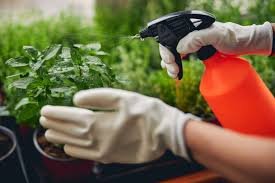
Give your plants a good watering in the early mornings when it is cooler. This allows moisture to be absorbed by plants before the heat of the day.
Avoid watering leaves directly. It’s the soil at the base of your plant we need to be thinking about. Wet leaves can become infected with fungus or attract pests.
Use room-temperature tap water, not ice-cold water from the tap. Cold water may also be a shock to the plants’ roots and slow their growth.
How Much Water Do Your Plants Really Need?
Various plants have different water requirements. Here’s a quick reference guide:
| Plant Type | Watering Frequency | Amount |
|---|---|---|
| Succulent | Every two to three weeks | Light |
| Trees | Every other week | Deep |
| Herbs | Every two to three days | Moderate |
| Vegetables | Daily in the summer | Deep |
| Houseplants | Once a week | Moderate |
| Flowering plants | Every 2-3 days | Moderate-heavy |
Remember, these are general guidelines. Never let your soil dry out completely between watering.
2. Adjust Your Houseplants’ Sunlight Intake
Light is food for plants. Deprive a plant of sunlight and it will surely grow sickly and die.
Know Your Light Levels
There’s no one-size-fits-all when it comes to how much sun plants require. Some love bright direct light; some are best in shade.
Full sun means direct sun of at least 6-8 hours a day. For example, tomatoes, peppers and almost all veggies are part of this camp.
Partial sun plants need 3-6 hours of direct sun per day. Some herbs, like basil and mint, do well here.
Shade lovers should have indirect light or receive only 2-3 hours of light, such as gentle morning sun; ferns, pothos and snake plants are ideal choices.
Reading Your Plant’s Light Signals
Your plants will let you know if they are receiving too much or too little light.
Too little light signs:
- Pale or yellowing leaves
- Slow growth or no new leaves
- Plants leaning toward windows
- Long, stretched stems
Too much light signs:
- Brown, crispy leaf edges
- Faded or bleached-looking leaves
- Wilting despite the soil being moist
- Leaves getting white or brown spots
Moving Plants for Better Light
You might have to move your plants. If a plant just isn’t working where it is, try changing its location from more light to less or vice versa.
The other way to ensure everyone gets some light is to rotate the indoor plants every week or two so all sides get a fair amount of sun.
3. Give Your Plants What They Want to Eat
Soil doesn’t stay nutritious forever. When plants grow they deplete nutrients in the soil. That’s where fertilizers come in.
When to Fertilize
Most plants require feeding in their growing season, which is spring and summer. In the fall and winter, many plants are resting and don’t require as much food.
Begin fertilizing once you notice new growth. This is a sign that the plant is actively growing and can already receive nutrients.
Types of Fertilizers Explained
Liquid fertilizers act quickly and are easy to apply. Mix them with water and pour around the base of your plants.
Granular fertilizers release nutrients slowly. Sprinkle them on top of the soil and water them in.
Organic fertilizers — such as compost and worm castings — not only feed plants, but help soil as a whole. They’re gentle, and difficult to overuse.
The NPK Numbers Decoded
Every fertilizer bag is marked with three numbers, such as 10-10-10. These represent nitrogen (N), phosphorus (P) and potassium (K).
| Nutrient | What It Does | Signs of Deficiency |
|---|---|---|
| Nitrogen (N) | Promotes growth of leaves | Yellow leaves, slow growth |
| Phosphorus (P) | For root and flower development | Purple leaves, weak stems |
| Potassium (K) | Overall plant health | Brown leaf edges, weak plants |
For your home garden, most any balanced fertilizer (equal NPK numbers) is just fine.
Avoid These Fertilizing Mistakes
Never fertilize dry soil. Water first; fertilize second. This prevents root burn.
Don’t over-fertilize. More isn’t better. Follow package directions carefully. An excess of fertilizer can kill your plants more quickly than not giving them any fertilizer at all.
4. For Each Plant, Use the Appropriate Soil
Healthy plants start with good soil. It retains water, imparts nutrients and allows roots to breathe.
What Makes Soil “Good”?
It should be loose and crumbly, not hard or too clay-like. When you pinch it, it should hold together with a few cracks but be crumbly when poked.
Good drainage is crucial. Water should penetrate quickly into the earth, not pool on top. Meanwhile, the soil should hold enough moisture that plants don’t dry out right away.
Different Soils for Different Plants
Container plant soil mixture consists of peat moss, perlite, and vermiculite. It’s light and drains well.
Garden soil is heavier, and it works well for outdoor beds. Add some compost to it for better results.
Succulent mix drains lightning quick and eliminates root rot in cactus, aloe vera and other succulents.
Seed starting mix is fine-textured and sterile for seed germination.
Improving Your Soil
Amend any soil with organic matter like compost. It helps clay soil drain and sandy soil retain water.
Add compost at least once every year. Your plants will thank you with healthier growth and greater yields.
Test your soil’s pH if plants are not doing well. Most plants grow best in soil of a slightly acidic nature (pH 6.0-7.0). You can purchase cheap pH test kits at garden centers.
5. Trim and Prune to Promote Healthier Development
Pruning may be intimidating at first, but it’s one of the most beneficial things you can do for your plants.
Why Pruning Matters
Pruning plants to cut them back stimulates bushier, fuller growth. It also takes out the broken or diseased parts before they spread problems elsewhere.
Trimming also increases air flow among plants, thwarting the development of fungal diseases.
When to Prune
Spring: Most flowering shrubs and trees are pruned in spring. Prune right after they are finished blooming.
Summer: Summer pruning aids in controlling the size and form of the plant. Prune out overgrown branches to maintain neat plants.
Fall: Fall pruning should be minimal. Cut out only the dead or damaged portions. Aggressive pruning in the fall can stress plants that are going into winter.
Basic Pruning Techniques
Be sure to use clean, sharp scissors or pruners. Dirty tools can transfer diseases between plants.
Make your cut just above a leaf node (the spot where leaves connect to stems). New growth is going to emerge from this area.
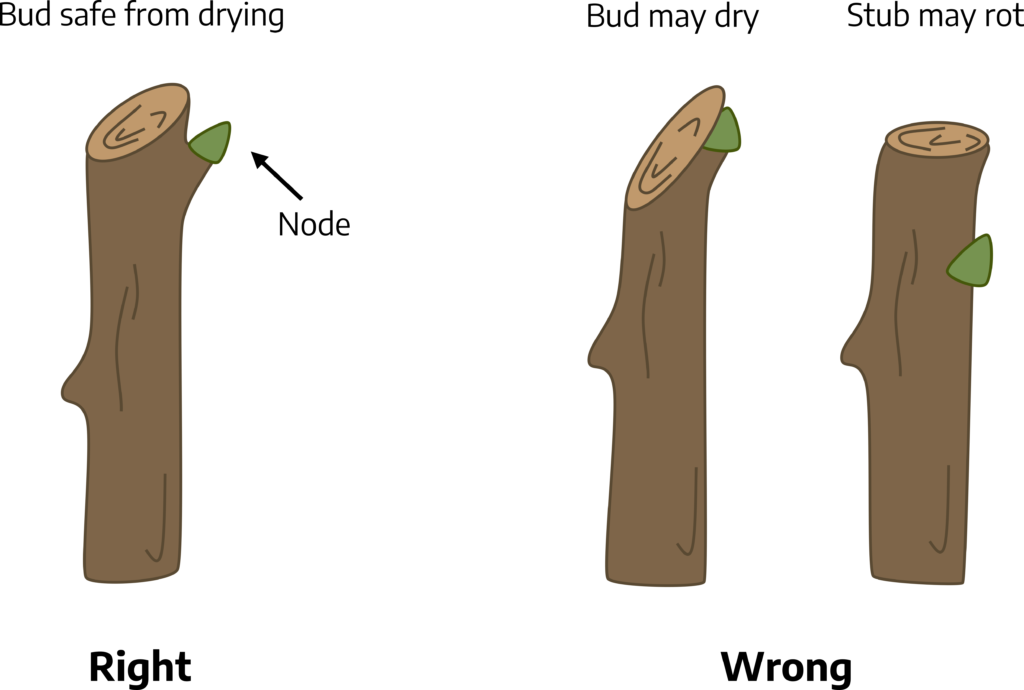
Pinch off dead leaves and blossoms regularly. This is known as “deadheading” and will encourage more growth.
What to Remove
- Dead or discolored leaves and stems
- Crossing branches that rub together
- Diseased or pest-damaged parts
- Stems packed too densely
- Spent flowers on flowering plants
Never take off more than one-third of a plant at one time. This can be too much stress for the plant.
6. Monitor for Pests and Diseases at the First Signs of Trouble
It’s easier to prevent problems with your plants than it is to cure them. And you don’t waste your time, money and emotions on nonsense.
Common Garden Pests to Know
Aphids: Clusters of tiny green, black or white bugs on new growth. They feed on plant juices and produce sticky excrement.
Spider mites: Leave a thin webbing on leaves. They are almost invisible but produce yellow-speckled leaves.
Whiteflies: Resemble small white moths. They fly up when one touches the plant and weaken it by sucking its sap.
Slugs and snails: Leave slime trails and eat holes in foliage, particularly at night.
Natural Pest Control Methods
Spray plants with water and a few drops of dish soap. This smothers soft-bodied insects like aphids.
Promote beneficial insects such as ladybugs and lacewings. They eat harmful pests naturally.
Pull off large pests with your hands. Look under leaves where bugs may be hiding.
Neem oil spray will control persistent pests. It’s organic and safe for most plants.
Spotting Plant Diseases
| Disease | Symptoms | Prevention |
|---|---|---|
| Powdery mildew | White powder covering leaves | Good air flow |
| Root rot | Soggy stems, yellowing | Proper drainage, less water |
| Leaf spot | Brown or black spots on foliage | Avoid wet leaves, trim away damage |
| Blight | Fast wilting and browning of plant’s upper portions | Plant properly apart from each other |
Remove diseased plant parts immediately. Do not compost them — dispose of them in the garbage to prevent spreading.
7. Know Your Climate and Growing Zone
Plants are like people — they have preferences as to where they prefer to live. Some are devoted to hot climates while others prefer cold.
Finding Your Growing Zone
The USDA categorizes regions into hardiness zones based on average winter temperature. Your zone indicates which plants will make it through winter in your region.
Search online for your zip code to locate your zone. This information is invaluable for deciding what plants will do well, not just survive. For those new to home gardening, understanding your zone is one of the first steps to success.
Working With Your Season
Spring: Most vegetables, flowers and trees are best planted in spring. The soil is warming up, and plants have the whole season to grow!
Summer: Summer means maintenance mode. Attend to watering, feeding and shielding plants from excessive heat.
Fall: Perennials, trees and shrubs are wonderful to plant in the fall. Cooler temperatures can help them establish roots before winter.
Winter: Most plants are in a period of relative dormancy during the winter. Back off on watering and cease fertilization until spring returns.
Adapting to Your Local Weather
If you live in a hot, dry area, select drought-tolerant plants like succulents, lavender and rosemary.
In moist locations, choose plants that are resistant to fungus. Maintenance of good air circulation will help prevent problems caused by moisture.
Cold weather gardeners should concentrate on cold-hardy cultivars, and protect roots from winter freezes by mulching.
Extending Your Growing Season
Use row covers or similar protection to shield plants against light frosts. It’s enough to add a few weeks to your growing season.
Sow seeds indoors 6 to 8 weeks before the last spring frost. That will put you ahead for the season.
If you have a short outdoor season, think about container gardening. Pots can be pulled inside during cold snaps.
Creating Your Plant Care Schedule
When it comes to gardening, consistency is key. Establish a basic weekly schedule to maintain the welfare of your plants.
Daily Tasks (5 minutes)
- Inspect container plants for soil moisture
- Search for pests or disease
- Pinch off dead foliage or faded blooms
Weekly Tasks (15-30 minutes)
- Water plants that need it
- Feed plants during growing season
- Inspect plants for irregularities
Monthly Tasks (1-2 hours)
- Prune and trim as needed
- Repot any plants that have outgrown pots
- Top up the beds with mulch or compost
- Clean plant leaves to dust them off
Seasonal Tasks
Spring: Plant new plants, divide overgrown perennials
Summer: Harvest your vegetables and deadhead your flowers regularly
Autumn: Gather seeds, plant bulbs for spring
Winter: Plan next year’s garden and order your seeds
Frequently Asked Questions
How do I know if I’m overwatering my plants?
Overwatered plants have yellow leaves, mushy stems and soil that remains wet for days. The soil may also have a sour or rotten smell. Check soil moisture before watering and make sure the pots have drainage holes.
Can I use my yard dirt to plant pots?
No, yard dirt is too heavy for containers and it could have pests or diseases. Always use the right soil for potted plants. It is well draining and holds moisture to be efficient at its job.
Why are my plant’s leaves yellowing?
Yellow leaves could mean a few things: too much water, not enough light, a nutrient deficiency or natural aging. Review how you are caring for the plant and make any necessary accommodations with regard to watering, light or food needs. Lower leaves yellowing is usually normal.
How frequently do I need to fertilize?
Fertilize every 2-4 weeks while the plant is in its growing season (spring and summer), using a liquid fertilizer, or about once every 2-3 months with slow-release granules. Cut back or stop feeding in the fall and winter, when plants are dormant.
Can I water plants with tap water?
Yes, your tap water will be just fine for most plants. If your water is heavily chlorinated, leave the container out overnight. Some fussy plants appreciate filtered or rainwater, but most common houseplants and garden plants tolerate tap water just fine.
What is the best time of day to water plants?
Early morning is ideal. The plants have time to take up water before the heat begins. Watering in the evening is fine but can encourage fungus to grow since leaves remain wet all night. Don’t water in the midday when it’s hot and evaporation happens quickly.
How do I know what kind of light my plant wants?
Refer to the plant tag or research your particular plant online. Generally speaking, flowering plants or plants that produce fruit will require more light. According to the Old Farmer’s Almanac, keeping an eye on your plant is crucial — if it’s starting to stretch or lean toward light, that’s a sign it wants more sun.
Is there any hope for an overwatered plant?
Frequently, yes, if you catch it promptly. Immediately stop watering and allow the soil to dry out fully. Inspect roots for rot — if they are brown and mushy, cut off the affected areas. Pot in fresh, dry soil and water less in the future.
Conclusion: Start Your Green Thumb Journey Today
Now you’re armed with seven plant-growing hacks to take your green thumb to the next level. The following essential care tips apply whether you are growing a single houseplant or tending to an entire garden.
Remember, plants are forgiving. They’ll let you know through their leaves, growth and appearance what they need. Listen for these cues and dial the care up or down as needed.
If you are new to gardening, start off small. Learn these basics with a few plants before getting out of hand. As you gain confidence, you will develop instincts for what your plants require.
The most important tip? Don’t give up. Every gardener kills plants sometimes. Every time you mess anything up, just remember that it’s a learning experience.
Today is the day for you to begin your journey to become a confident, successful gardener. Choose one of the tips from this article and put it into practice this week. Next week, add another. And before you realize it, you will be doing it as second nature.
Happy gardening! Your plants are waiting to show you what they can accomplish with the tiniest bit of care and attention.