Welcome to Secrets of the Garden Knowing Your Surprises
Your garden has the potential to take on a life of its own and grow far beyond what you dream possible. The distinction between an ailing garden and a blooming Eden is sometimes the result of a few handpicked tips that most novices never think of.
These are not fancy techniques that need expensive equipment or gimmicky tools. They are simple approaches that work with nature rather than against it. It doesn’t matter if you grow tomatoes on the balcony or have rows of vegetables in your backyard; these nine secrets will transform how you garden once and for all.
So you are ready to see your plants explode with health and color? Let’s dig in.
Secret #1: Create the Magic of “Feed Your Soil” with Kitchen Scraps
Powerful plant boosters are hanging out in your kitchen that many people throw away. There are nutrients in the coffee grounds, eggshells and banana peels your plants crave.
How Coffee Grounds Work
Coffee grounds (used) add nitrogen to your soil. This makes sure plants grow healthy, green leaves. The grounds also draw earthworms, which burrow tunnels that enable air and water to reach plant roots more readily.
Just sprinkle your old coffee grounds around the base of your plants. Do not put them down too thickly, or the water may be kept from soaking into the soil. A thin layer works best.
The Eggshell Advantage
Egg shells are also a source of calcium, which will prevent blossom end rot in tomatoes and peppers. Wash your shells, crush them into small pieces and place in the soil when planting.
Though eggshells can take a long time to break down, they slowly release calcium over months. This constant source of nutrients helps make sure they stay healthy all season long.
Banana Peel Power
Cut up banana peels and bury them around tomato plants, roses or pepper plants. The peels provide potassium and phosphorus, which help strengthen plant stems and promote bigger, healthier blooms.
Quick Kitchen Scraps Chart:
| Kitchen Scrap | Main Nutrient | Best For | How to Use |
|---|---|---|---|
| Coffee Grounds | Nitrogen | Roses, azaleas, ferns | Sprinkle around base |
| Eggshells | Calcium | Tomatoes, peppers | Crush and add to soil |
| Banana Peels | Potassium | Roses, tomatoes | Bury at plant root |
| Vegetable Water | Various minerals | All plants | Water plants when cool |
Secret #2: Smart Watering is the Name of the Game
The majority of plant deaths are due to watering error. Too much water will drown roots, while too little will cause plants to wilt and die.
The Finger Test Method
Stick your finger into the soil — all the way up to your second knuckle. Water your plants if the soil feels dry at this depth. If it’s moist, give it another day.
Best of all, this easy test is more accurate than a schedule, which depends on weather, pot size and plant species to gauge how fast soil dries.
Water Deeply, Not Often
When you do water, water the plant thoroughly until water drips out of the drainage holes. This promotes deep and strong root growth. Plants become weak and shallow-rooted with a system that can’t support them being healthy.
A majority of plants require deep watering once or twice a week and not just daily sprinkles. Container plants may require more frequent watering, especially when weather is hot.
Morning Watering Wins
Water your plants first thing in the morning. This allows leaves to dry during the day, limiting fungal diseases. Evening watering means plants are going to be wet overnight, and that’s just what mold and mildew like.
Send water toward the soil, not the leaves. Wet foliage invites disease. A watering can with a long spout or a soaker hose makes this easy.
Secret #3: Your Pantry For Disease-Fighting Spray You Can Make at Home
Chemical sprays also cost money and have the potential to kill beneficial insects. Your pantry is home to safer, cheaper alternatives that work effectively.
Baking Soda Fungus Fighter
Stir one teaspoon of baking soda into one liter of water. Spray the plants naturally susceptible to fungus, such as tomatoes and roses.
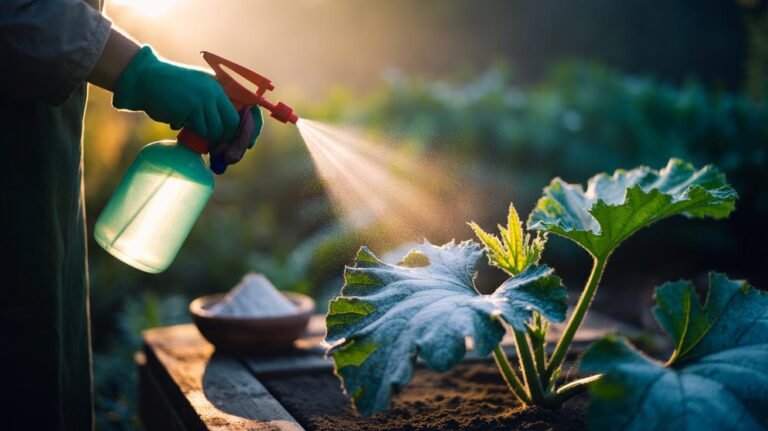
Baking soda provides an environment in which fungus cannot breed. Use this spray every two weeks in damp weather to prevent powdery mildew and other fungi.
Yogurt Mildew Miracle
Combine a tablespoon of natural yogurt with a cup of water. Place in a spray bottle and use on plants with mildew as needed.
The active bacteria in yogurt are able to help fight the yeast that causes mildew. This home remedy seems to work especially well on roses and other flowering plants.
Garlic Pest Repellent
Crush few garlic cloves and soak in water overnight. Strain the solution and spray it on plants to keep aphids, spider mites and other pests at bay.
Its natural compounds make plants taste bad to insects but don’t hurt the plants. Reapply after rain.
Natural Plant Spray Guide:
| Issue | Solution | Recipe | Use |
|---|---|---|---|
| Fungus | Baking soda spray | 1 tsp per liter water | Every 2 weeks |
| Mildew | Yogurt spray | 1 tbsp per cup water | Weekly until cleared |
| Pests | Garlic spray | 5 cloves steeped overnight | After rain |
| General health | Chamomile tea | Strong brew, cooled | Once a month for a boost |
Secret #4: Develop Living Soil That Works For You
Healthy soil creates healthy plants. When soil is dead, no amount of watering and fertilizing can feed the plant its roots are straining to get.
Add Organic Matter Regularly
Compost, leaves, grass clippings and aged manure improve soil structure. These break down into nutrients plants can use while adding better drainage and increasing water retention.
Apply a two-inch layer of compost to garden beds twice a year. Work it into the top few inches of soil or apply it as a mulch around plants.
Test Your Soil pH
The optimum pH is 6.0 to 7.0 for most vegetables and flowers. You can purchase simple pH test kits at garden centers.
If your soil is too acidic, add lime; if too alkaline, add sulfur. Adjusting pH increases nutrient uptake for plants.
Keep Soil Covered
Bare soil allows moisture to be lost rapidly and encourages weeds. Apply mulch, compost or plant cover crops in the off season.
Mulch helps keep the soil cool, holds in moisture and feeds beneficial organisms as it decays. Pull mulch back a couple of inches from plant stems to avoid rot.
Rotate Your Crops
Planting the same things in the same place year after year depletes certain nutrients and can also let disease build up. Alternate locations for plants from year to year.
Observe the three-year rule: don’t grow plants from the same family of vegetables in the same location for three years. This one simple action greatly reduces incidences of disease and pests.
Secret #5: Pruning Like a Pro for Explosive Growth
Cutting back a plant can be intimidating to many gardeners, but by removing dead or overgrown wood you are actually assisting the health and productivity of the plant.
Remove Dead and Yellow Leaves
Dead leaves suck energy from plants and can be an invitation to pests. Inspect your plants weekly and pinch off any leaves that turn yellow or brown.
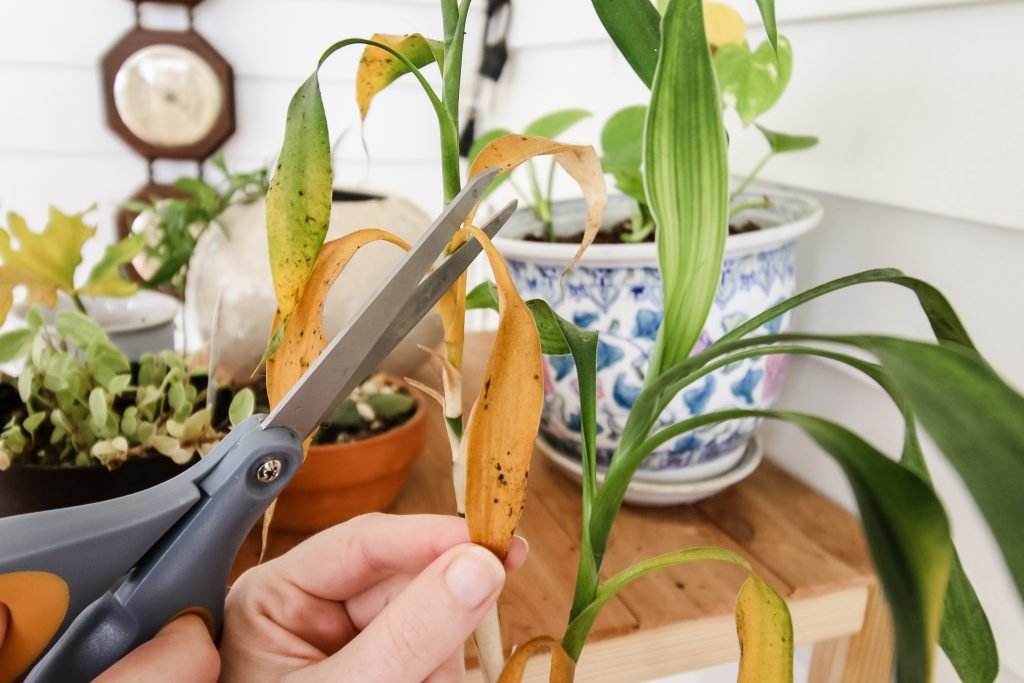
Such simple upkeep discourages little problems from becoming big ones. It does another good too for your plants: promoting better airflow.
Pinch Back for Bushier Growth
When baby plants reach around six inches tall, pinch off the top inch of growth. This makes the plant bush out rather than getting tall and leggy.
Stocky plants bear more flowers and fruit than tall, spindly ones. Apply this method to your tomatoes, peppers, basil and all blooming plants.
Deadhead Spent Blooms
Deadhead spent flowers before they go to seed. This fools the plant into producing more blooms to make seeds.
Regular deadheading will prolong the flowering season by weeks, if not months. It takes only a few minutes, but the impact can be enormous.
Cut at the Right Angle
When trimming stems, make the cut at a 45-degree angle just above a leaf node or bud. This angle sheds water and the area will sprout new growth from the remaining bud.
Clean, sharp pruning shears are a must here. Dull, dirty tools can transfer disease from plant to plant.
Secret #6: Bring Garden Helpers to Do the Work
Your garden requires an army of good bugs and organisms. These helpers dine on pests, pollinate flowers and enrich soil without you doing anything.
Plant Flowers That Bring in the Good Bugs
Ladybugs, lacewings and bees are attracted to marigolds, sunflowers and lavender. These beneficial insects pollinate your crops and eat aphids!
Inter-plant flowers and vegetable plants rather than keeping them apart. This leads to an ecological equilibrium in which the ecosystem is self-regulating.
Create Bug Hotels
A protected area of your garden is a good place to stack hollow stems, pine cones and small twigs. These materials also act as a winter home for beneficial insects.
Beneficial bugs such as ladybugs and bees will continue to return year after year when they have safe places to overwinter.
Leave Some Weeds
Not all weeds are bad. Clover fixes nitrogen into the soil, which means this nutrient is available for other plants use. Dandelions have deep roots that break up hard, compacted soil and bring nutrients up from down below.
Learn to recognize useful weeds and encourage them to grow in specific locations. They’ll enrich your soil as they bring in the pollinators.
Garden Helper Guide:
| Helper | What They Do | How to Get Them |
|---|---|---|
| Ladybugs | Eat aphids | Plant dill, fennel, yarrow |
| Bees | Pollinate flowers | Plant lavender, sunflowers |
| Earthworms | Improve soil | Add compost, coffee grounds |
| Ground beetles | Eat slugs | Mulch and ground covers |
Secret #7: Timing is Everything in Your Garden
When and how you do something is just as important. There is also a technique for timing garden tasks to magnify your own success.
Plant at the Right Time
Lettuce and peas are the best cool-season crops that will do well if planted in early spring or fall. Tomatoes and peppers are warm-season crops that require soil that has warmed.
Refer to your local frost dates and plan accordingly. If planted too early or too late, your harvest will decrease significantly.
Fertilize During Growth
Most plants need the nutrients when they are growing more actively. Feed a monthly dose of vegetable plant food in the spring and summer. Discontinue feeding in late fall when growth is naturally slower.
Too much fertilizer is worse than none. Adhere to the prescribed amounts at recommended intervals.
Divide Plants in the Fall or Spring
Divide perennial flowers every three or four years. This helps keep them healthy and provides free plants for you.
Divide in fall for spring bloomers, and in spring for fall blooms. At this time, plants have a full season to become established before they are required to set flowers.
Mulch Twice a Year
Top with new mulch, both in spring and fall. Mulching in spring can hold moisture in the soil throughout hot summer months. Autumn mulch provides protection for roots through the winter.
As that old mulch decomposes, it nourishes your soil. It’s a natural cycle and will create richer, healthier garden beds every year.
Secret #8: Plants Need Space to Breathe
Dense vegetation struggles for light, water and nutrients. The majority of garden woes can be avoided with proper spacing.
Follow Seed Packet Spacing
Those spacing guidelines are there for good reason. When plants are crowded, they grow weak and become susceptible to disease and pests.
If you sowed seeds too closely together, thin them when the seedlings are small. It’s wasteful feeling, but the result is so much better.
Stake Tall Plants Early
Stake while plants are young, before the roots spread. By supporting plants as they grow, we prevent any broken stems and fruits lying on the ground.
Tomatoes, peppers and climbing beans also will be grateful for early staking. Use something soft that won’t cut into stems as plants grow.
Prune for Air Flow
Thin out lower foliage and crowded growth for better air flow. Good air circulation helps prevent these fungal diseases which prefer to grow in humid, stagnant environments.
This is most important for tomatoes, squash and other plants susceptible to mildew and blight.
Group Plants by Needs
Combine sun-loving plants in the brightest areas. Cluster shade-tolerant plants where they will receive filtered light.
Plants that require a lot of water should be in close areas or close to each other so there is less waste of water. You can put drought-tolerant plants in those places where you’re irrigating less regularly.
Secret #9: Observe and Learn from Your Garden
The finest gardeners are attuned to what their plants communicate. Subtle differences in leaf color, growth rate or flowering can tell us what plants are hungry for.
Keep a Simple Garden Journal
Jot down what you plant, when and how it does. Note problems and successes.
This is a record that you can use to make better decisions next season. You’ll see what types did well and which ones languished.
Inspect Plants Weekly
Really look at your plants for a few minutes each week. Examine the undersides of leaves for pests. Check for signs of disease or nutrient deficiency.
It’s almost always easier to fix a problem if you catch it early. A minor pest problem dealt with today won’t develop into a crop-destroying infestation next month.
Experiment with New Techniques
Each season, attempt one new variety or technique. Begin on a small scale, so that each failure will not wreck your entire garden.
This strategy is useful for discovering what thrives or fails in your environment. What works for other gardeners may not work for you — and vice versa.
Adjust Based on Results
If it isn’t working, modify it. Insanity is repeating the same mistake and expecting different results.
Perhaps that sunny patch isn’t so sunny, after all. Maybe your soil needs more compost. Your garden will tell you what it needs if you listen.
Bringing It All Together
These nine secrets create an intricate web of life that supports your garden. You don’t need to go after them all at the same time. Choose one or two that address your most pressing issues.
Perhaps your plants are diseased. Concentrate on the natural spray recipes and proper spacing for better air circulation. Perhaps your soil is poor. Focus just on adding organic matter and feeding with kitchen scraps.
The point is to cooperate with nature rather than fight it. Healthy soil creates healthy plants. A healthy plant has its own way of resisting disease and pests. A healthy garden ecosystem takes care of itself with limited external interventions.
Start with small efforts, pay attention and adjust as you learn. Your garden will thank you with stronger plants, bountiful harvests and beautiful blooms. For more beginner-friendly gardening tips and guidance, explore additional resources to help you grow with confidence.
Frequently Asked Questions
How frequently should I scatter coffee grounds in my garden?
Sprinkle plants with a layer of coffee grounds every two to three weeks. And if you apply too much, it thickens into a water-repellent layer and does not drain properly. For best results, add grounds to your compost pile.
Can I do these things to indoor plants?
Yes, the majority of these secrets apply to houseplants. Use kitchen scraps sparingly, encourage drainage and water according to climate indoors. You may find that your indoor potted plants generally need to be watered less frequently than outdoor gardens.
What is the quickest way to turn bad soil into good soil?
Top with a two to three inch layer of fine compost and incorporate it into the top six inches. This offers immediate benefits while beginning the long-term work of creating healthy, living soil. Repeat twice a year for best results.
How can I tell if I’m overwatering my plants?
Yellow leaves, especially on lower parts of the plant, often indicate overwatering. The soil will be wet and may smell bad. Roots are likely to be brown and mushy rather than white and firm. Let soil dry between waterings.
When should I start a garden?
Most regions do their best in spring and autumn. Cool-season crops thrive in early spring and fall. Late spring when the soil has heated up is what warm-season crops require. Confirm the appropriate timing for your local frost dates and hardiness zone.
Do I actually need to rotate my crops every year?
Crop rotation helps prevent the buildup of disease and nutrient depletion in the soil. Not essential on a small scale, crop rotation is vital and highly effective for long-term garden health, both from pest and disease perspectives.
How can I tell if my plants need to be fertilized?
Slow growth, pale yellow leaves, few flowers and small fruits all signal a lack of nutrients. Yet, these symptoms also may indicate watering problems or disease. Do a soil test to be sure about what nutrients you lack.
What’s the simplest way to begin composting?
Start with a basic pile or bin sheltered in shade. Alternate “green” materials (vegetable scraps, grass clippings) with “brown” ones (dry leaves, shredded paper). Keep it moist, turning occasionally. According to the USDA’s guide on composting, compost is done when it is dark and crumbly.