Home gardening looks simple from the outside: plant a few seeds, water them regularly, and watch them grow. That’s the illusion. The reality is far more nuanced—and far more rewarding—once you understand the hidden mechanics behind healthy plants.
Like many beginners, I started with enthusiasm but very little knowledge. Some plants thrived, many didn’t, and I often blamed luck. Over time, through trial, error, and observation, I discovered that gardening success isn’t random at all. It’s governed by a handful of powerful principles—secrets, really—that can dramatically change your results.
In this article, I’ll walk you through five of the most impactful gardening secrets I wish I had known earlier. These are not vague tips like “water regularly” or “give sunlight.” Instead, they are deeper insights that explain why plants behave the way they do—and how you can work with nature instead of against it.
Secret #1: Soil Is Everything (And Most People Get It Wrong)
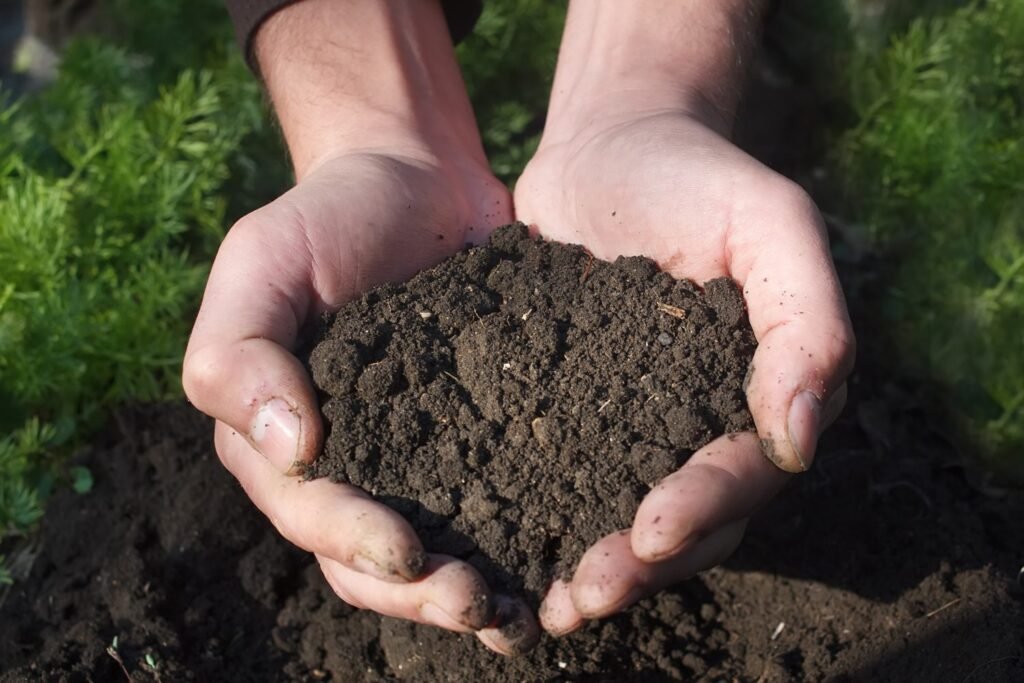
When I first started gardening, I thought soil was just… dirt. If it looked brown and crumbly, it should work, right?
Wrong.
Soil is a living ecosystem. It contains minerals, organic matter, air pockets, water, and billions of microorganisms that directly influence plant health. If your soil is poor, even the best seeds and fertilizers won’t save your plants.
What Makes Good Soil?
Good soil has three main components:
| Component | Function | Ideal Proportion |
|---|---|---|
| Sand | Improves drainage | 40% |
| Silt | Retains moisture and nutrients | 40% |
| Clay | Holds nutrients tightly | 20% |
This balanced mixture is often called loamy soil, and it’s ideal for most plants.
The Hidden Factor: Microbial Life
Healthy soil isn’t sterile—it’s alive. Beneficial microbes:
- Break down organic matter into nutrients
- Improve root absorption
- Protect plants from diseases
Adding compost is one of the easiest ways to boost microbial life.
Quick Soil Improvement Guide
| Problem | Solution |
| Too sandy | Add compost or peat moss |
| Too clay-heavy | Mix in sand and organic matter |
| Poor fertility | Add aged manure or compost |
| Waterlogging | Improve drainage with raised beds |
Key Takeaway
If your plants are struggling, don’t look at the leaves first—look at the soil. Fix the foundation, and everything else becomes easier.
Secret #2: Watering Is About Timing, Not Quantity
Most beginners think watering more frequently equals healthier plants. I made that mistake too—and ended up with root rot, fungus, and weak growth.
The truth is: how and when you water matters more than how much.
The Golden Rule of Watering
Water deeply, but less frequently.
Shallow watering encourages weak roots. Deep watering forces roots to grow downward, making plants more resilient.
Best Time to Water
| Time of Day | Effect on Plants |
| Early Morning | Best time; reduces evaporation |
| Afternoon | Water evaporates quickly |
| Evening | Can promote fungal diseases |
How to Know When to Water
Instead of following a fixed schedule, check the soil:
- Insert your finger 1–2 inches deep
- If it feels dry, it’s time to water
- If it’s still moist, wait
Signs of Improper Watering
| Symptom | Likely Cause |
| Yellow leaves | Overwatering |
| Wilting (wet soil) | Root rot |
| Dry, crispy leaves | Underwatering |
| Slow growth | Irregular watering |
Key Takeaway
Plants don’t need constant watering—they need consistent watering patterns.
Secret #3: Sunlight Isn’t Just “More Is Better”
One of the most common misconceptions is that all plants love full sunlight. That’s simply not true.
Different plants have different light requirements, and giving them too much sun can be just as harmful as giving too little.
Types of Light Requirements
| Light Type | Daily Exposure | Suitable Plants |
| Full Sun | 6–8 hours | Tomatoes, peppers, roses |
| Partial Sun | 3–6 hours | Spinach, lettuce |
| Shade | <3 hours | Ferns, mint |
Understanding Light Intensity
Morning sunlight is gentle and beneficial. Afternoon sunlight is harsher and can scorch leaves—especially in hot climates.
Signs of Incorrect Light Exposure
| Symptom | Cause |
| Leggy growth | Not enough sunlight |
| Burnt leaf edges | Too much direct sun |
| Pale leaves | Low light conditions |
Pro Tip: Rotate Your Plants
If you’re growing plants in pots, rotate them every few days to ensure even growth.
Key Takeaway
Instead of forcing plants to adapt to your space, match your plants to your available light.
Secret #4: Pruning Feels Wrong—But It’s Essential
Cutting parts of your plant can feel counterintuitive. Why remove healthy growth?
Because strategic pruning actually stimulates better growth.
Why Pruning Works
Pruning helps plants:
- Redirect energy to healthy branches
- Improve air circulation
- Prevent disease
- Encourage bushier growth
Types of Pruning
| Type | Purpose |
| Deadheading | Removes dead flowers |
| Thinning | Improves airflow |
| Pinching | Encourages branching |
| Cutting back | Controls size and shape |
When to Prune
- Flowering plants: After blooming
- Fruit plants: During dormant season
- Herbs: Regular trimming encourages growth
Common Mistakes
- Over-pruning (removing too much at once)
- Using dull or dirty tools
- Pruning at the wrong time of year
Key Takeaway
Pruning isn’t harming your plant—it’s guiding it.
Secret #5: Companion Planting Is a Game-Changer
This is one of the most fascinating and underused techniques in home gardening.
Companion planting means growing certain plants together because they benefit each other.
Benefits of Companion Planting
- Natural pest control
- Improved pollination
- Better nutrient usage
- Enhanced growth
Popular Companion Pairings
| Plant A | Plant B | Benefit |
| Tomatoes | Basil | Repels pests, improves flavor |
| Carrots | Onions | Deters insects |
| Cucumbers | Marigolds | Pest control |
| Corn | Beans | Nitrogen fixation |
Plants That Don’t Get Along
| Plant A | Avoid With | Reason |
| Tomatoes | Potatoes | Share diseases |
| Beans | Onions | Growth inhibition |
Key Takeaway
Your garden isn’t just individual plants—it’s a community. The right combinations can make a huge difference.
Bonus Insight: Gardening Is About Observation
No guide, article, or expert can replace what you learn by simply observing your plants.
Pay attention to:
- Leaf color changes
- Growth patterns
- Soil moisture
- Pest activity
Your garden is constantly giving you feedback—you just need to notice it.
Visual Summary Chart
| Secret Number | Core Idea | Impact Level |
| 1 | Soil health | Very High |
| 2 | Proper watering | Very High |
| 3 | Correct sunlight | High |
| 4 | Smart pruning | Medium |
| 5 | Companion planting | High |
Frequently Asked Questions (FAQs)
1. How often should I water my plants?
There’s no universal schedule. Check the soil instead—if the top 1–2 inches are dry, it’s time to water. Deep watering a few times a week is usually better than daily shallow watering.
2. What is the easiest way to improve soil quality?
Adding compost is the simplest and most effective method. It improves structure, fertility, and microbial life all at once.
3. Can plants recover from overwatering?
Yes, but it depends on severity. Stop watering, improve drainage, and allow the soil to dry out. In severe cases, repotting may be necessary.
4. Do all plants need direct sunlight?
No. Some plants thrive in partial shade or low light. Always match plant selection to your available light conditions.
5. Is pruning necessary for all plants?
Not all, but most benefit from it. Especially flowering plants, herbs, and fruit-bearing plants.
6. What is the biggest mistake beginners make?
Ignoring soil quality. Many people focus on watering and sunlight but forget that everything starts from the soil.
Final Thoughts
Gardening isn’t about having a “green thumb.” It’s about understanding a few key principles and applying them consistently.
Once you master soil health, watering, light management, pruning, and plant relationships, everything changes. Plants grow stronger, yields improve, and gardening becomes less frustrating and more enjoyable.
The best part? These secrets aren’t complicated—they’re just often overlooked.
Start applying even one or two of them, and you’ll see the difference sooner than you expect.