Urban living often comes with one major compromise: limited space. Whether you’re in a compact apartment, a studio, or a house with minimal outdoor area, the idea of maintaining a lush garden might seem unrealistic. But modern home gardening has evolved. With a bit of creativity, planning, and smart techniques, even the smallest spaces can transform into thriving green sanctuaries.
This guide explores nine highly practical and smart gardening tips tailored specifically for small spaces. It goes beyond basic advice—diving into strategies, systems, and design thinking that make your garden both functional and beautiful.
Why Small Space Gardening is Worth It
Before diving into the tips, it’s important to understand why small-scale gardening is more than just a hobby.
- Improves air quality indoors
- Reduces stress and boosts mental health
- Provides fresh herbs and vegetables
- Enhances aesthetic appeal of your home
- Promotes sustainable living
Even a few plants can significantly change your environment.
Tip 1: Think Vertical, Not Horizontal
When floor space is limited, the only way is up. Vertical gardening is one of the most effective strategies for small areas.
How to Implement Vertical Gardening
- Use wall-mounted planters
- Install hanging pots
- Utilize ladder shelves
- Create DIY pallet gardens
Benefits of Vertical Gardening
| Feature | Advantage |
|---|---|
| Space Efficiency | Maximizes limited area |
| Better Airflow | Reduces plant diseases |
| Easy Maintenance | Plants are more accessible |
| Aesthetic Appeal | Creates a green wall effect |
Vertical gardening is ideal for herbs, leafy greens, and decorative plants.
Tip 2: Choose the Right Plants
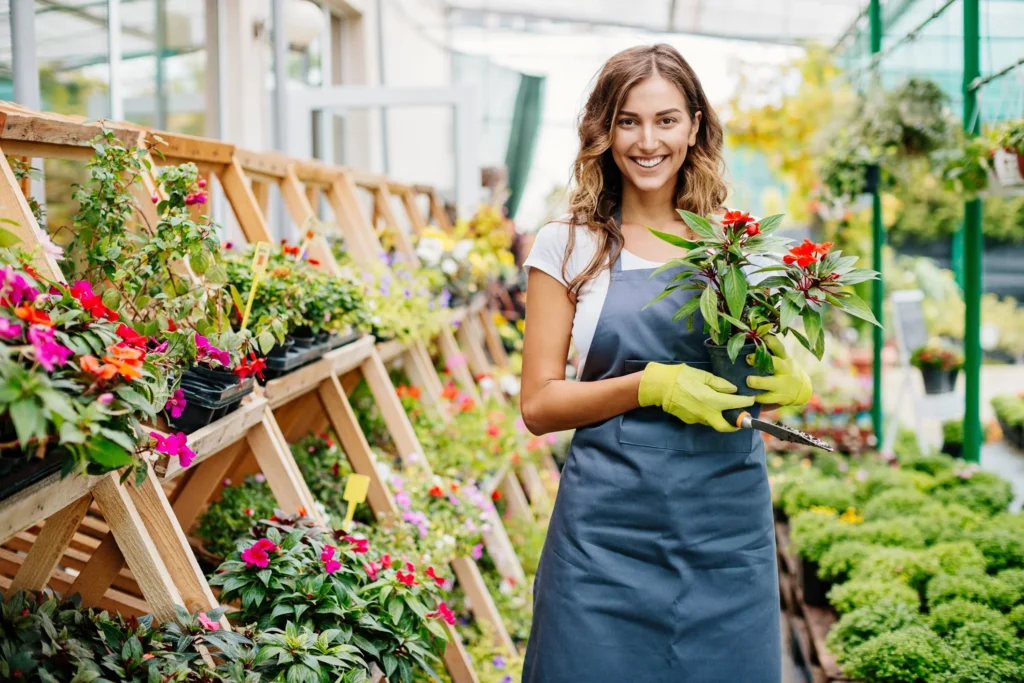
Not all plants thrive in small spaces. Selecting the right varieties is crucial.
Best Plants for Small Spaces
| Category | Examples | Reason |
| Herbs | Basil, Mint, Thyme | Compact and useful |
| Vegetables | Cherry Tomatoes, Spinach | High yield in small pots |
| Flowers | Petunias, Marigolds | Add color and require little space |
| Indoor Plants | Snake Plant, Pothos | Low maintenance |
Key Considerations
- Growth size
- Light requirements
- Root depth
- Maintenance level
Choosing wisely ensures your garden thrives rather than struggles.
Tip 3: Use Multi-Functional Containers
Containers are not just holders—they can be optimized for efficiency.
Smart Container Ideas
- Self-watering pots
- Stackable planters
- Containers with built-in drainage
- Dual-purpose furniture (bench + planter)
Container Comparison Table
| Container Type | Water Efficiency | Space Saving | Cost Level |
| Traditional Pots | Medium | Low | Low |
| Self-Watering Pots | High | Medium | Medium |
| Vertical Planters | Medium | High | Medium |
| Hydroponic Systems | Very High | Very High | High |
Using smart containers reduces effort and improves plant health.
Tip 4: Master Light Management
Light is one of the biggest challenges in small homes, especially apartments.
Types of Light Conditions
| Light Type | Description | Suitable Plants |
| Full Sun | 6–8 hours direct sunlight | Tomatoes, Peppers |
| Partial Sun | 3–6 hours sunlight | Herbs, Lettuce |
| Low Light | Minimal natural light | Snake Plant, Ferns |
Smart Light Solutions
- Use reflective surfaces
- Rotate plants regularly
- Install grow lights
- Place plants near windows strategically
Good lighting can dramatically increase plant productivity.
Tip 5: Go for Smart Watering Systems
Watering can be tricky in small spaces—too much causes mess, too little harms plants.
Efficient Watering Methods
- Drip irrigation systems
- Self-watering containers
- Water globes
- Capillary mats
Watering Frequency Guide
| Plant Type | Frequency |
| Succulents | Once every 1–2 weeks |
| Herbs | 2–3 times per week |
| Vegetables | Daily or alternate |
| Indoor Plants | Once a week |
Automation helps maintain consistency, especially for busy individuals.
Tip 6: Optimize Soil and Nutrition
Healthy soil equals healthy plants.
Soil Mix Recommendation
| Component | Percentage | Purpose |
| Potting Soil | 50% | Base structure |
| Compost | 30% | Nutrients |
| Perlite/Sand | 20% | Drainage |
Fertilization Tips
- Use organic fertilizers
- Apply every 2–4 weeks
- Avoid over-fertilizing
In small containers, nutrients deplete faster—so regular feeding is essential.
Tip 7: Use Smart Technology
Modern gardening is becoming increasingly tech-driven.
Useful Smart Gardening Tools
- Soil moisture sensors
- Smart irrigation timers
- Mobile apps for plant care
- Automated grow systems
Technology Impact Table
| Tool Type | Benefit |
| Moisture Sensor | Prevents overwatering |
| Smart Timer | Saves time and water |
| Plant Apps | Provides care reminders |
| Grow Lights (Smart) | Optimizes plant growth cycles |
Technology reduces guesswork and improves efficiency.
Tip 8: Practice Companion Planting
Even in small spaces, plant pairing can improve growth.
Examples of Companion Plants
| Plant A | Plant B | Benefit |
| Basil | Tomatoes | Enhances flavor & growth |
| Mint | Cabbage | Repels pests |
| Marigold | Vegetables | Natural pest control |
Why It Matters
- Reduces pests naturally
- Improves yield
- Maximizes limited space
Companion planting is a natural way to boost productivity.
Tip 9: Maintain Regular Pruning and Care
Small gardens require consistent maintenance.
Essential Maintenance Tasks
- Pruning dead leaves
- Checking for pests
- Cleaning containers
- Re-potting when necessary
Maintenance Schedule
| Task | Frequency |
| Watering | Daily/Weekly |
| Pruning | Weekly |
| Fertilizing | Bi-weekly |
| Pest Check | Weekly |
Regular care prevents small problems from becoming big ones.
Designing a Smart Small-Space Garden Layout
A thoughtful layout maximizes both beauty and function.
Example Layout Strategy
| Zone | Purpose |
| Window Area | Sun-loving plants |
| Wall Space | Vertical garden |
| Corner Space | Tall plants or shelves |
| Tabletop | Small herbs or decor |
Design is just as important as plant selection.
Common Mistakes to Avoid
- Overcrowding plants
- Ignoring sunlight needs
- Using poor-quality soil
- Overwatering
- Neglecting maintenance
Avoiding these mistakes ensures long-term success.
FAQs
1. Can I grow vegetables in a small apartment?
Yes, many vegetables like cherry tomatoes, lettuce, and peppers grow well in containers and small spaces.
2. How much sunlight do indoor plants need?
It depends on the plant type, but most need at least 3–6 hours of indirect sunlight daily.
3. What is the easiest plant for beginners?
Herbs like basil and mint, as well as plants like pothos and snake plants, are very beginner-friendly.
4. How do I prevent overwatering?
Use well-draining soil, pots with drainage holes, and consider moisture sensors or self-watering containers.
5. Are grow lights effective?
Yes, grow lights can fully supplement or replace natural sunlight, especially in low-light homes.
6. How often should I fertilize plants?
Typically every 2–4 weeks, depending on the plant type and fertilizer used.
Final Thoughts
Small space gardening is not about limitation—it’s about innovation. With smart techniques like vertical gardening, efficient watering, proper plant selection, and the use of modern tools, even the tiniest space can become a vibrant green retreat.
The key lies in planning, consistency, and a willingness to experiment. Start small, learn as you grow, and soon your compact garden will flourish beyond expectations.