Home gardening has evolved far beyond a relaxing hobby—it’s now a practical way to ensure fresh, organic food while maximizing limited space. Whether you’re growing herbs on a balcony or cultivating vegetables in your backyard, one goal remains universal: faster, healthier plant growth.
But achieving rapid growth doesn’t come down to luck. It’s the result of applying the right techniques consistently. In this guide, we’ll explore six proven home gardening methods that accelerate plant growth while maintaining sustainability and plant health.
Understanding Plant Growth: The Foundation
Before diving into techniques, it’s important to understand what plants need to grow quickly:
| Factor | Role in Growth | Ideal Condition |
|---|---|---|
| Sunlight | Drives photosynthesis | 6–8 hours daily |
| Water | Nutrient transport & hydration | Moist, not soggy |
| Soil | Nutrient reservoir | Rich, well-drained |
| Nutrients | Supports cell development | Balanced NPK |
| Temperature | Affects metabolism | 18–30°C |
| Air circulation | Prevents disease, aids respiration | Moderate airflow |
With this foundation in mind, let’s explore the methods that optimize these factors.
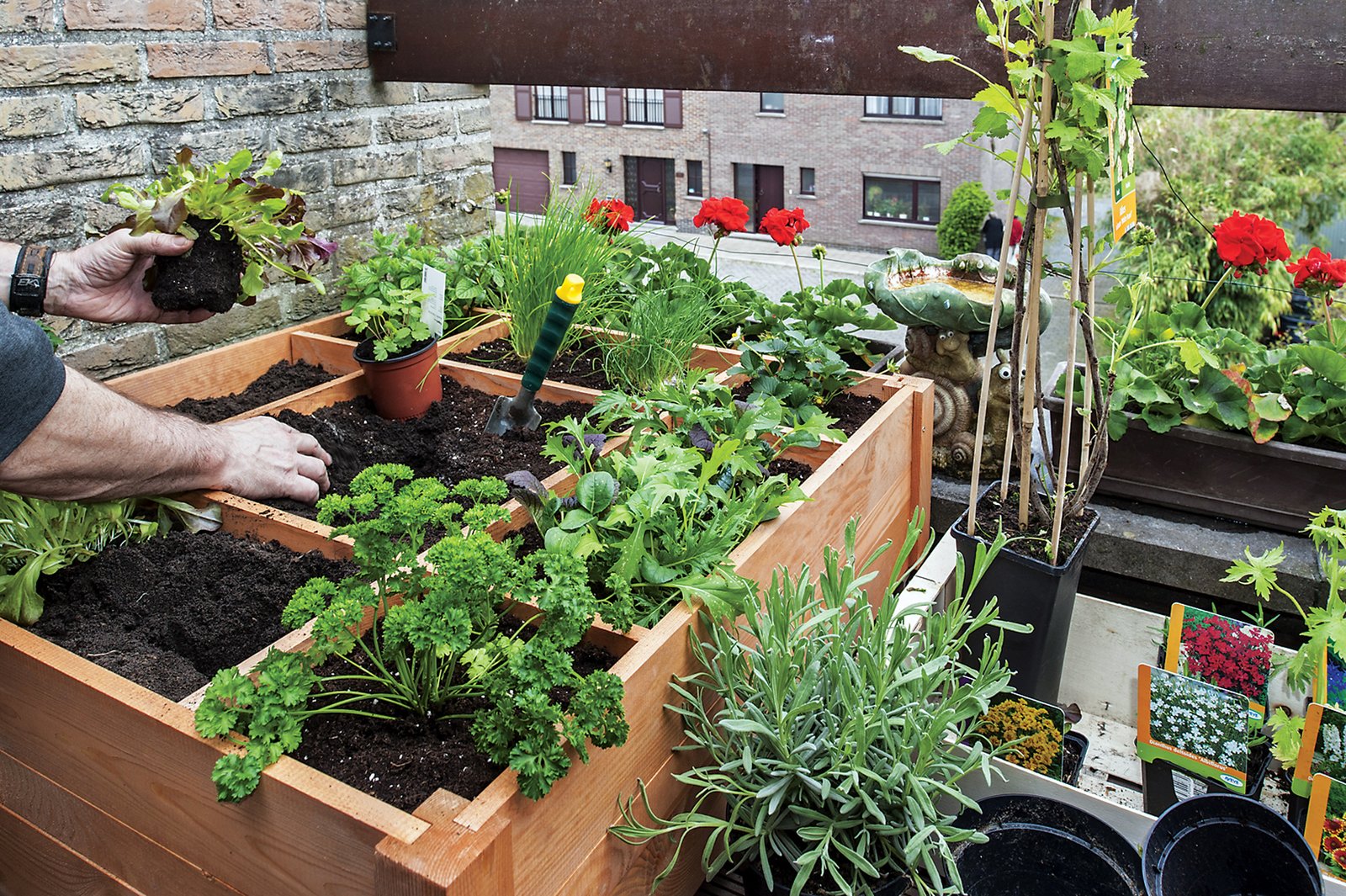
1. Raised Bed Gardening
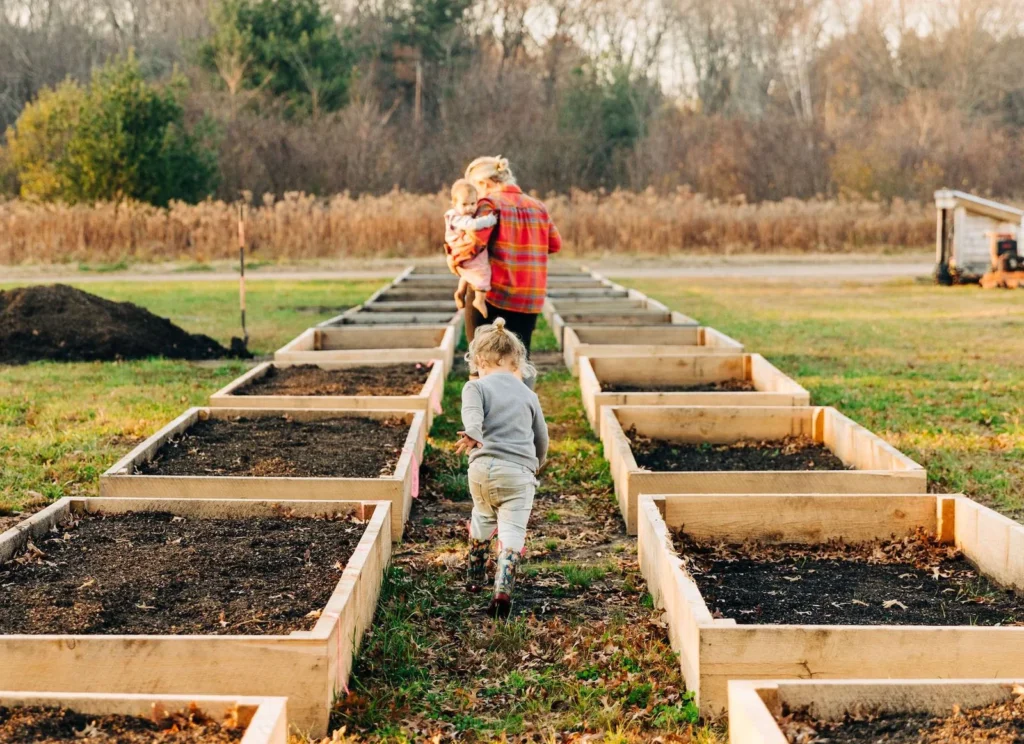
Raised beds are one of the fastest ways to improve plant growth, especially in poor soil conditions.
Why It Works
Raised beds allow you to control soil quality, drainage, and temperature more effectively than traditional ground planting.
Benefits
- Warmer soil leads to faster germination
- Better drainage prevents root rot
- Easier weed and pest control
Ideal Setup
| Component | Recommendation |
|---|---|
| Bed height | 12–24 inches |
| Soil mix | 40% compost, 40% topsoil, 20% aeration |
| Width | 3–4 feet (for easy reach) |
Pro Tip
Use dark-colored materials for the bed walls—they absorb heat and slightly warm the soil, speeding growth.
2. Compost-Enriched Soil
Fast-growing plants need nutrient-rich soil. Compost acts as a natural growth booster.
Why It Works
Compost improves soil structure and provides a slow-release source of nutrients.
Nutrient Breakdown
| Nutrient | Function | Effect on Growth |
|---|---|---|
| Nitrogen | Leaf growth | Faster foliage |
| Phosphorus | Root development | Strong roots |
| Potassium | Overall health | Disease resistance |
Compost Types
| Type | Speed of Nutrient Release |
|---|---|
| Kitchen compost | Medium |
| Vermicompost | Fast |
| Leaf compost | Slow |
Pro Tip
Mix compost into soil before planting and top-dress every 2–3 weeks for continuous growth.
3. Smart Watering Techniques
Watering isn’t just about frequency—it’s about efficiency.
Why It Works
Plants grow faster when they receive consistent moisture without stress from over- or under-watering.
Best Methods
| Method | Efficiency | Growth Impact |
|---|---|---|
| Drip irrigation | High | Steady growth |
| Soaker hoses | Medium | Even hydration |
| Hand watering | Variable | Depends on consistency |
Watering Schedule Guide
| Plant Type | Frequency |
|---|---|
| Leafy greens | Daily (light) |
| Vegetables | Every 2–3 days |
| Herbs | 2–4 times/week |
Pro Tip
Water early in the morning. This reduces evaporation and gives plants a full day to utilize moisture.
4. Companion Planting
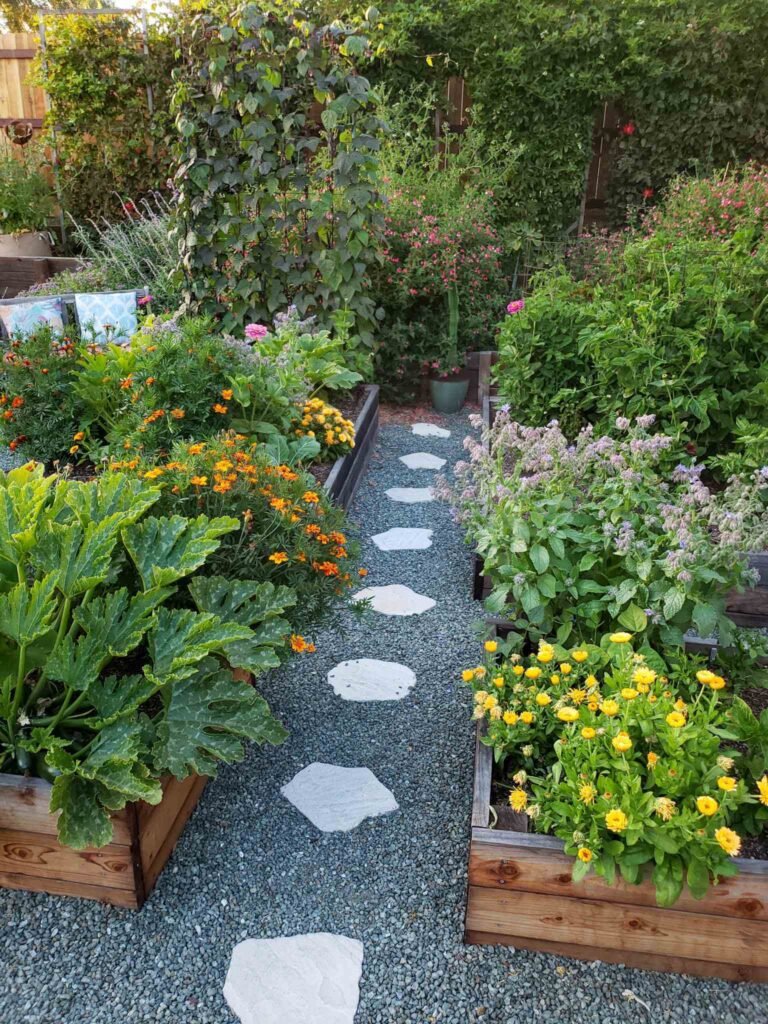
Certain plants grow better together. Companion planting uses natural relationships to boost growth.
Why It Works
Some plants:
- Repel pests
- Improve soil nutrients
- Provide shade or support
Effective Combinations
| Plant A | Plant B | Benefit |
|---|---|---|
| Tomatoes | Basil | Faster growth, pest control |
| Carrots | Onions | Repels insects |
| Lettuce | Radishes | Space optimization |
| Corn | Beans | Nitrogen fixation |
Pro Tip
Avoid planting crops that compete for the same nutrients side-by-side.
5. Mulching for Moisture and Temperature Control
Mulch is often underestimated, but it plays a crucial role in rapid growth.
Why It Works
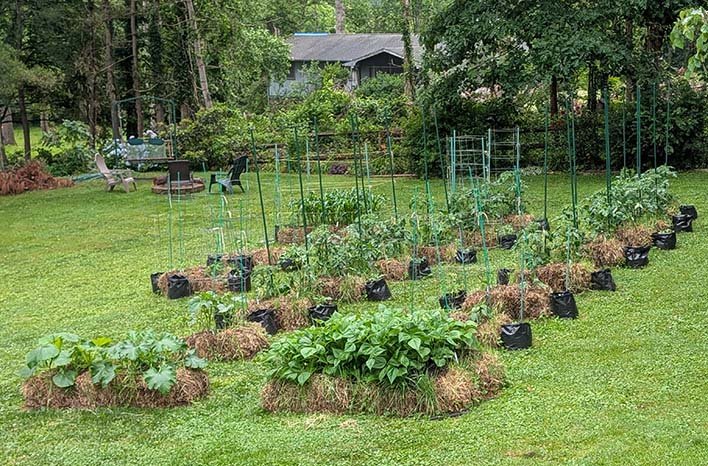
Mulch conserves moisture, regulates temperature, and improves soil over time.
Types of Mulch
| Type | Best For |
|---|---|
| Straw | Vegetables |
| Wood chips | Trees, shrubs |
| Grass clippings | Quick decomposition |
| Plastic mulch | Heat retention |
Benefits
- Reduces watering needs
- Prevents weed competition
- Maintains soil warmth
Pro Tip
Apply 2–3 inches of mulch, but keep it away from plant stems to prevent rot.
6. Use of Organic Liquid Fertilizers
Liquid fertilizers provide an immediate nutrient boost, which is essential for fast growth.
Why It Works
Unlike solid fertilizers, liquids are absorbed quickly through roots and leaves.
Popular Options
| Fertilizer Type | Key Benefit |
|---|---|
| Compost tea | Microbial boost |
| Fish emulsion | High nitrogen |
| Seaweed extract | Growth hormones |
Application Schedule
| Growth Stage | Frequency |
|---|---|
| Seedling | Weekly (diluted) |
| Vegetative | Every 10–14 days |
| Flowering | Every 2–3 weeks |
Pro Tip
Spray on leaves (foliar feeding) in the evening for faster absorption.
Growth Comparison Chart
Here’s how these methods impact growth speed when combined:
| Method Combination | Growth Speed Increase |
|---|---|
| Basic soil + manual watering | 1x (baseline) |
| Compost + proper watering | 1.5x |
| Raised beds + compost | 2x |
| All 6 methods combined | 2.5x–3x |
Common Mistakes That Slow Growth
Even with the best methods, mistakes can limit results.
Avoid These Pitfalls
- Overwatering (causes root rot)
- Poor soil drainage
- Ignoring sunlight requirements
- Overcrowding plants
- Using too much fertilizer
Final Thoughts
Fast plant growth isn’t about shortcuts—it’s about efficiency and consistency. By combining raised beds, compost enrichment, smart watering, companion planting, mulching, and liquid fertilizers, you create an ecosystem where plants thrive naturally and quickly.
The beauty of home gardening lies in experimentation. Start small, observe what works, and refine your approach over time. With these proven methods, you’ll not only grow plants faster but also healthier and more resilient.
Frequently Asked Questions (FAQs)
1. What is the fastest way to grow plants at home?
The fastest method is combining nutrient-rich compost, proper watering, and liquid fertilizers. Raised beds further accelerate growth by improving soil conditions.
2. How often should I fertilize for fast growth?
Use liquid fertilizers every 1–2 weeks during active growth stages. Avoid over-fertilizing, as it can damage plants.
3. Does sunlight affect growth speed significantly?
Yes, sunlight is critical. Most plants need at least 6–8 hours daily. Insufficient light slows photosynthesis and delays growth.
4. Can I use kitchen waste directly as fertilizer?
Not directly. It should be composted first to avoid attracting pests and to ensure nutrients are in a usable form.
5. Is mulching necessary for small gardens?
Absolutely. Even in small spaces, mulch helps retain moisture and regulate soil temperature, leading to faster growth.
6. Which plants grow the fastest for beginners?
Leafy greens like lettuce, spinach, and herbs such as basil and mint are among the fastest-growing and easiest for beginners.
If you want, I can also tailor this article for SEO (with keywords, meta description, and headings) or adapt it for a blog/website format.