Home gardening often begins with excitement—buying pots, selecting seeds, imagining lush greenery—and then somewhere along the way, frustration creeps in. Leaves turn yellow, growth slows down, pests appear out of nowhere, and suddenly what felt simple starts feeling complicated.
The truth is, healthy plants don’t come from doing everything perfectly. They come from doing a few small things consistently and understanding how plants respond to their environment. Over time, I realized that some of the most effective gardening techniques are surprisingly simple. They don’t require expensive tools or expert-level knowledge—just a shift in approach.
This article explores four simple but powerful home gardening tricks that can make a noticeable difference in plant health. These are practical, easy to apply, and rooted in observation rather than theory.
trick 1: water smarter, not more
One of the most common mistakes in home gardening is overwatering. It’s easy to assume that more water equals more growth, but plants don’t work that way. In fact, too much water is often worse than too little.
Plants need oxygen just as much as they need water. When soil stays constantly wet, air pockets disappear, and roots struggle to breathe. This leads to root rot—a silent killer that many beginners don’t notice until it’s too late.
The trick here is not to water more, but to water intelligently.
Instead of following a strict schedule, start paying attention to your soil. Stick your finger about an inch deep. If it feels dry, water the plant. If it’s still moist, wait.
Another important aspect is depth. Light watering only wets the surface, encouraging roots to stay shallow. Deep watering, on the other hand, pushes roots to grow downward, making plants stronger and more drought-resistant.
Below is a simple comparison to understand the difference:
| Watering Style | Effect on Roots | Plant Health Outcome |
|---|---|---|
| Frequent, shallow | Weak, surface roots | Vulnerable to stress |
| Deep, infrequent | Strong, deep roots | More resilient growth |
Timing also matters more than most people think.
| Time of Watering | Result |
| Early morning | Best absorption, minimal evaporation |
| Midday | Water loss due to heat |
| Evening | Risk of fungal diseases |
A small change like watering in the morning instead of evening can significantly reduce plant diseases.
trick 2: improve your soil with what you already have
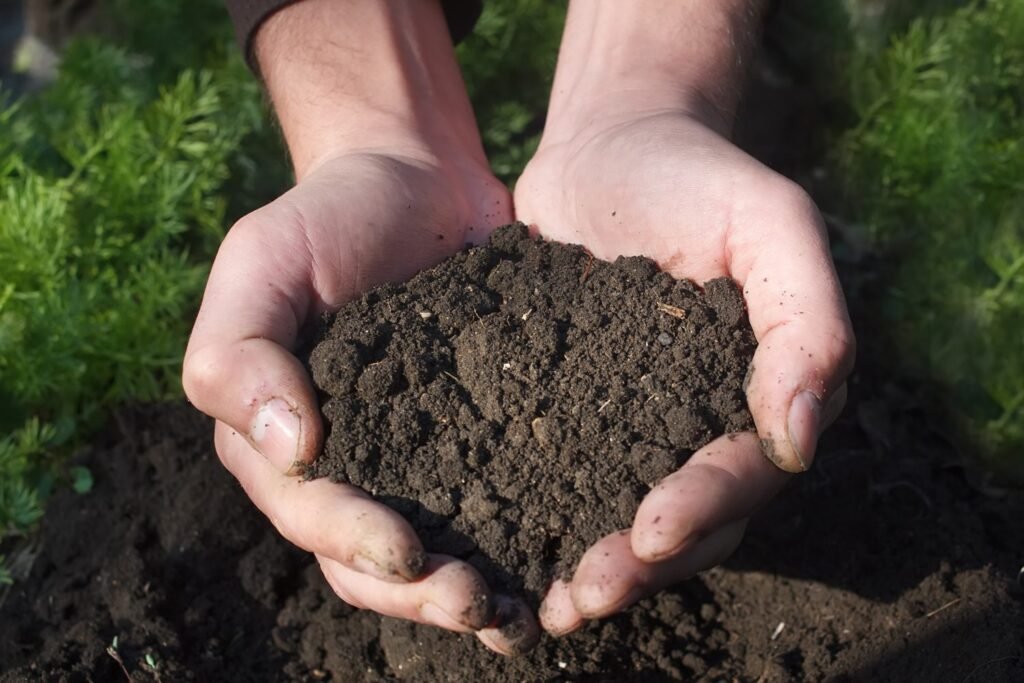
Many people believe they need to buy expensive fertilizers or specialized soil mixes to grow healthy plants. While those can help, they’re not always necessary.
Some of the best soil improvements come from everyday kitchen waste.
Organic matter plays a critical role in soil health. It improves structure, enhances moisture retention, and feeds beneficial microorganisms. Instead of throwing away vegetable peels, fruit scraps, or coffee grounds, you can turn them into nutrient-rich compost.
Even without full composting, small additions can make a difference.
| Household Item | Benefit to Soil |
| Coffee grounds | Adds nitrogen, improves texture |
| Eggshells | Provides calcium |
| Vegetable peels | Boosts organic matter |
| Tea leaves | Enhances microbial activity |
Another simple trick is loosening compacted soil. Over time, soil becomes dense, making it harder for roots to grow and absorb nutrients. Gently aerating the soil with a stick or small tool improves airflow and water penetration.
Here’s a quick soil improvement checklist:
| Problem | Simple Fix |
| Hard, compact soil | Loosen top layer regularly |
| Poor growth | Add organic scraps or compost |
| Water pooling | Mix in sand or organic matter |
Healthy soil doesn’t happen overnight, but small consistent efforts can transform it over time.
trick 3: give plants the right amount of light, not just more light
Sunlight is essential, but more sunlight isn’t always better. Different plants have different light needs, and ignoring this can lead to poor growth or damaged leaves.
A common mistake is placing all plants in the brightest spot available. While some plants thrive in full sun, others prefer indirect light or partial shade.
Understanding light requirements can dramatically improve plant health.
| Light Level | Daily Exposure | Suitable Plant Types |
| Full sun | 6–8 hours | Vegetables, flowering plants |
| Partial light | 3–6 hours | Herbs, leafy greens |
| Low light | <3 hours | Indoor foliage plants |
Another overlooked factor is the direction of light. Morning sunlight is gentle and beneficial, while afternoon sunlight can be harsh, especially in warmer climates.
Signs that your plant is getting the wrong amount of light are often visible:
| Symptom | Possible Cause |
| Pale leaves | Insufficient light |
| Burnt edges | Excessive direct sunlight |
| Slow growth | Light imbalance |
| Leaning stems | Light coming from one side |
A simple trick is rotating your plants every few days. This ensures even growth and prevents them from bending toward a single light source.
trick 4: keep pests away naturally before they become a problem
Pests are inevitable in gardening, but they don’t have to become a major issue. The key is prevention rather than reaction.
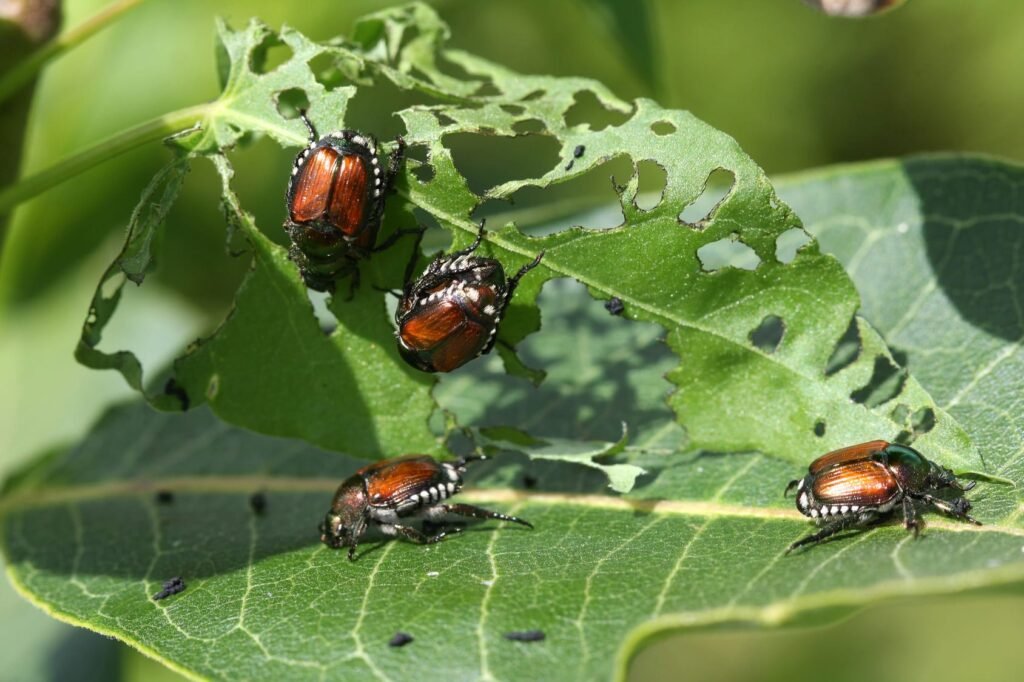
Many gardeners wait until pests appear in large numbers before taking action. By that point, damage has already been done. A better approach is to create an environment that discourages pests from settling in the first place.
One of the simplest methods is maintaining plant cleanliness. Remove dead leaves, clear debris, and keep the soil surface tidy. Pests often thrive in neglected areas.
Natural solutions can also be surprisingly effective.
| Natural Method | Purpose |
| Neem oil spray | Repels insects |
| Soap water solution | Controls soft-bodied pests |
| Garlic spray | Acts as natural deterrent |
| Companion planting | Reduces pest attraction |
Another underrated trick is inspecting your plants regularly. Early detection makes control much easier.
Here’s a basic pest monitoring routine:
| Frequency | Action |
| Daily | Quick visual check of leaves |
| Weekly | Inspect underside of leaves |
| Monthly | Deep cleaning and pruning |
Healthy plants are naturally more resistant to pests, so prevention always starts with proper care.
bringing it all together
Each of these tricks works on its own, but their real power comes from combining them.
Healthy soil supports strong roots. Proper watering keeps those roots functioning well. Correct lighting fuels growth, and pest prevention protects the results.
Here’s a simplified overview:
| Trick | Main Benefit | Difficulty Level |
| Smart watering | Strong root system | Easy |
| Soil improvement | Better nutrient supply | Easy |
| Proper light control | Balanced growth | Easy |
| Natural pest control | Health protection | Easy |
Gardening doesn’t require perfection. It requires attention and small adjustments.
a simple weekly gardening routine
To make things even easier, here’s a basic routine you can follow:
| Day | Task |
| Monday | Check soil moisture |
| Wednesday | Inspect leaves for pests |
| Friday | Light pruning and cleaning |
| Sunday | Deep watering and soil check |
This routine takes very little time but helps maintain consistency, which is often the missing piece in home gardening.
final thoughts
Healthy plants are not the result of complicated techniques or expensive products. They are the outcome of understanding a few simple principles and applying them consistently.
Water thoughtfully. Feed your soil naturally. Respect each plant’s light needs. Stay one step ahead of pests.
Over time, these small habits become second nature. And once they do, gardening stops feeling like a challenge and starts feeling like something much more rewarding.
frequently asked questions
- how do i know if i am overwatering my plants?
Look for yellowing leaves, soggy soil, and a lack of growth. If the soil remains wet for long periods, reduce watering frequency and improve drainage.
- can kitchen waste really replace fertilizers?
It can supplement them effectively. While it may not fully replace fertilizers in all cases, it significantly improves soil quality and reduces the need for chemical inputs.
- what is the easiest plant for beginners?
Herbs like mint or basil are generally easy to grow. They adapt well and respond quickly to proper care.
- how often should i check my plants for pests?
A quick daily glance and a more detailed weekly inspection are usually enough to catch problems early.
- do indoor plants need direct sunlight?
Not always. Many indoor plants thrive in indirect or low light. It depends on the specific plant species.
- why are my plants growing slowly even though i water them regularly?
Growth depends on multiple factors, including soil quality, light, and nutrients. Watering alone is not enough for healthy development.
By focusing on these simple tricks and observing your plants closely, you’ll gradually develop an instinct for what they need—and that’s when gardening truly becomes enjoyable.