Modern life rarely slows down. Between work, responsibilities, and the constant pull of digital distractions, carving out time for something like gardening can feel unrealistic. Yet, the desire to stay connected with nature hasn’t gone anywhere. People still want greenery in their homes, fresh herbs in their kitchens, and a sense of calm in their surroundings.
The good news is that gardening no longer demands hours of daily attention. With the right ideas, systems, and mindset, even the busiest individuals can maintain a thriving home garden. This guide explores twelve practical, time-saving, and efficient gardening ideas designed specifically for people with packed schedules.
Rather than focusing on traditional methods, this article emphasizes smarter approaches—ways to reduce effort while maximizing results.
idea 1: start with low-maintenance plants
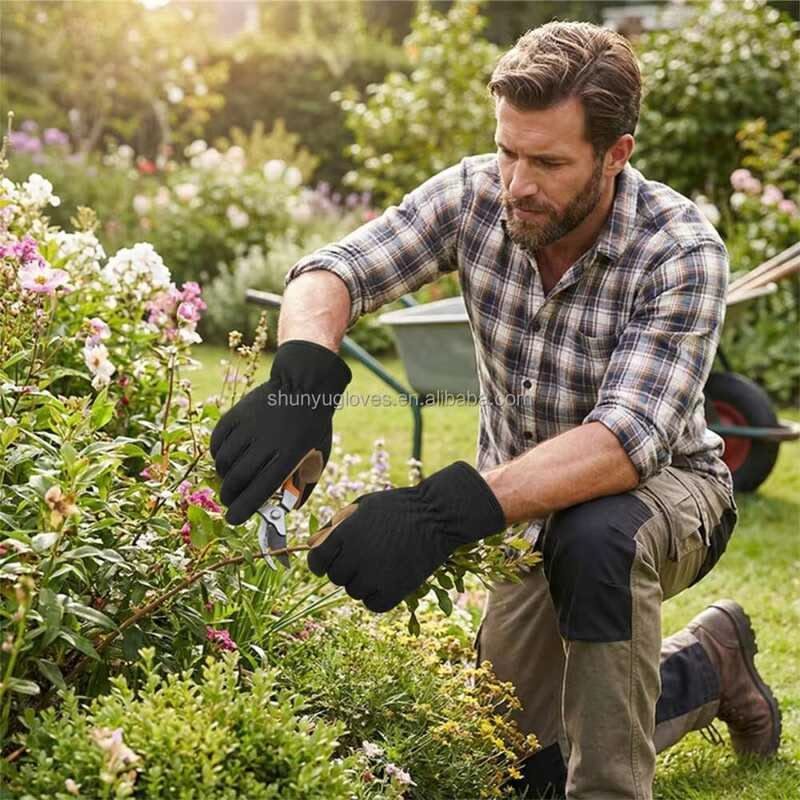
The biggest mistake busy people make is choosing plants that demand constant care. The foundation of a stress-free garden lies in selecting plants that practically take care of themselves.
Low-maintenance plants are resilient, forgiving, and adaptable. They can tolerate irregular watering, varying light conditions, and minimal pruning.
examples of low-maintenance plants
| Plant Type | Examples | Why They Work |
|---|---|---|
| Succulents | Aloe, Jade | Store water, require little care |
| Herbs | Mint, Basil | Grow quickly and are forgiving |
| Indoor Plants | Snake plant, ZZ plant | Thrive in low light and neglect |
| Leafy Greens | Spinach, Lettuce | Fast-growing and easy to manage |
Choosing the right plants alone can reduce gardening effort by nearly half.
idea 2: use self-watering systems
Watering is often the most time-consuming part of gardening. Missing even a few days can harm plants, especially in warm climates.
Self-watering systems solve this problem by providing a steady supply of moisture directly to the roots.
types of self-watering systems
| System Type | Best For | Maintenance Level |
| Self-watering pots | Indoor plants | Low |
| Drip irrigation | Balcony gardens | Medium |
| Water globes | Small pots | Very low |
| Capillary mats | Seedlings | Low |
These systems ensure consistency, which is often more important than frequency.
idea 3: embrace container gardening
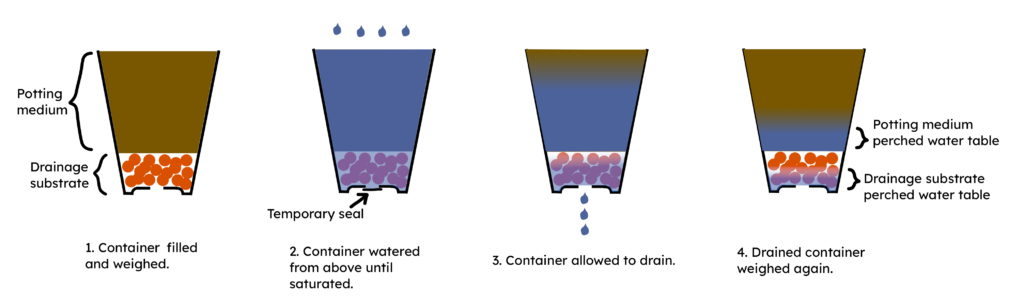
Container gardening is one of the most flexible solutions for busy individuals. It eliminates the need for digging, heavy soil management, and large spaces.
You can place containers anywhere—balconies, windowsills, kitchen counters, or even shelves.
advantages of container gardening
- Easy to move plants as needed
- Better control over soil and nutrients
- Less weed growth
- Simplified maintenance
container size guide
| Plant Type | Minimum Pot Size |
| Herbs | 6–8 inches |
| Tomatoes | 12–16 inches |
| Leafy Greens | 8–10 inches |
| Small Flowers | 6 inches |
Containers allow gardening to fit into your lifestyle rather than the other way around.
idea 4: automate with smart tools
Technology has transformed gardening into something far more manageable. Automation tools reduce manual work and help maintain consistency.
useful smart gardening tools
| Tool | Function | Time Saved |
| Smart timers | Automate watering schedules | High |
| Moisture sensors | Indicate when plants need water | Medium |
| Grow lights (timed) | Provide consistent lighting | High |
| Plant care apps | Send reminders and tips | Medium |
Automation minimizes guesswork and ensures plants stay healthy even during busy weeks.
idea 5: grow herbs in the kitchen
If you’re short on time, integrate gardening into your daily routine. The kitchen is one of the best places to start.
Growing herbs near where you cook ensures you naturally check on them every day.
best kitchen herbs
| Herb | Light Needs | Water Needs |
| Basil | High | Moderate |
| Mint | Medium | High |
| Parsley | Medium | Moderate |
| Chives | Medium | Low |
This approach combines convenience with practicality—you water plants while preparing meals.
idea 6: try vertical gardening
When space is limited, vertical gardening offers a powerful solution. It also reduces the time spent managing scattered pots.
vertical gardening ideas
- Wall-mounted planters
- Hanging baskets
- Stackable pots
- Shelf gardening
benefits overview
| Feature | Impact |
| Space saving | Maximizes small areas |
| Easy access | Reduces bending and movement |
| Organization | Keeps plants in one location |
| Visual appeal | Enhances home aesthetics |
Everything becomes easier when your garden is organized vertically.
idea 7: use ready-made potting mixes
Mixing soil manually can be time-consuming and inconsistent. Ready-made potting mixes are designed to provide balanced nutrition and proper drainage.
soil comparison
| Soil Type | Preparation Time | Effectiveness |
| Garden soil | High | Medium |
| DIY mix | Medium | High |
| Store-bought mix | Very low | High |
For busy people, convenience often outweighs the marginal benefits of custom mixes.
idea 8: practice batch gardening
Instead of tending to plants daily, group tasks together. This approach, often called batch gardening, is highly efficient.
example weekly schedule
| Day | Task |
| Monday | Quick watering check |
| Wednesday | Light pruning |
| Saturday | Fertilizing + cleaning |
| Sunday | General inspection |
Batching reduces mental load and saves time by creating a routine.
idea 9: choose fast-growing plants
Patience is not always easy when you’re busy. Fast-growing plants provide quick results, which keeps motivation high.
fast-growing options
| Plant | Growth Time |
| Lettuce | 3–4 weeks |
| Radishes | 3–4 weeks |
| Spinach | 4–5 weeks |
| Basil | 2–3 weeks |
Quick wins make gardening feel rewarding rather than demanding.
idea 10: minimize weeds with smart techniques
Weeds compete for nutrients and require constant removal. Preventing them is easier than dealing with them.
weed control methods
| Method | Effectiveness | Effort Required |
| Mulching | High | Low |
| Container use | Very high | Very low |
| Ground covers | Medium | Medium |
Reducing weeds directly reduces maintenance time.
idea 11: recycle household items as planters
Busy people benefit from simplicity. Instead of buying new containers, reuse items already available at home.
creative planter ideas
- Old mugs
- Plastic bottles
- Tin cans
- Wooden boxes
benefits
| Benefit | Explanation |
| Cost saving | No need for new purchases |
| Sustainability | Reduces waste |
| Convenience | Easily accessible materials |
This approach removes barriers to starting or expanding your garden.
idea 12: keep it small and scalable
One of the most important ideas is to start small. A large garden can quickly become overwhelming.
start with
- 3–5 plants
- One small shelf or corner
- Simple tools only
scaling strategy
| Stage | Number of Plants | Time Required |
| Beginner | 3–5 | Very low |
| Intermediate | 6–10 | Low |
| Advanced | 10+ | Moderate |
Growing gradually ensures gardening remains enjoyable rather than stressful.
balancing gardening with a busy lifestyle
Gardening should not feel like another task on your to-do list. Instead, it should become a calming break within your routine.
key principles to remember
- consistency matters more than perfection
- automation reduces effort
- simplicity leads to sustainability
- small steps create long-term success
When approached correctly, gardening can actually save time by improving mental clarity and reducing stress.
common mistakes busy people should avoid
| Mistake | Consequence |
| Overwatering | Root rot and plant damage |
| Choosing complex plants | Increased maintenance |
| Ignoring light needs | Poor growth |
| Overcrowding | Competition for nutrients |
Avoiding these mistakes is just as important as following the right strategies.
frequently asked questions
- can I maintain a garden if I travel frequently
Yes, using self-watering systems, automated timers, and low-maintenance plants allows your garden to survive even if you’re away for several days. - what is the easiest plant for busy beginners
Snake plants, pothos, and mint are excellent choices because they require minimal attention and are highly resilient. - how much time does a small home garden require
With smart systems in place, a small garden can be maintained in as little as 15–30 minutes per week. - do I need expensive tools to start
No, basic containers, good soil, and a few plants are enough. Many effective solutions involve reusing household items. - how do I know if I am overwatering my plants
Signs include yellow leaves, soggy soil, and a musty smell. Using moisture sensors can help prevent this. - can I grow food in a small indoor space
Yes, herbs, leafy greens, and even small vegetables like cherry tomatoes can thrive indoors with proper light and care.
final thoughts
Gardening doesn’t have to compete with your schedule. It can adapt to it. By choosing efficient methods, leveraging technology, and simplifying your approach, you can enjoy all the benefits of gardening without the burden of constant maintenance.
The secret lies in working smarter, not harder. A few thoughtful choices—like using self-watering pots, selecting the right plants, and organizing your space—can transform gardening from a time-consuming hobby into a seamless part of your everyday life.
In the end, even the busiest person can create a thriving green space. It doesn’t require perfection. It just requires a smart start.