I didn’t start gardening with a grand plan. It began with a few pots, some seeds I barely understood, and an overconfidence that plants would “just grow” if I gave them water and sunlight. That illusion didn’t last long.
Within a few weeks, leaves turned yellow, soil smelled odd, and some plants simply gave up. At first, I thought gardening was harder than people made it seem. Later, I realized something important: most of my struggles weren’t random—they were the result of very common mistakes.
The good news is that every mistake came with a lesson. Even better, most of them were fixable much faster than I expected.
What follows is not a perfect guide. It’s a real account of five mistakes I made in my home garden—and how I corrected them before they ruined everything.
mistake 1: overwatering everything
If there’s one mistake that nearly wiped out my entire garden, it was this one. I believed more water meant happier plants. Every morning, I’d walk out with a watering can and soak everything generously, thinking I was doing the right thing.
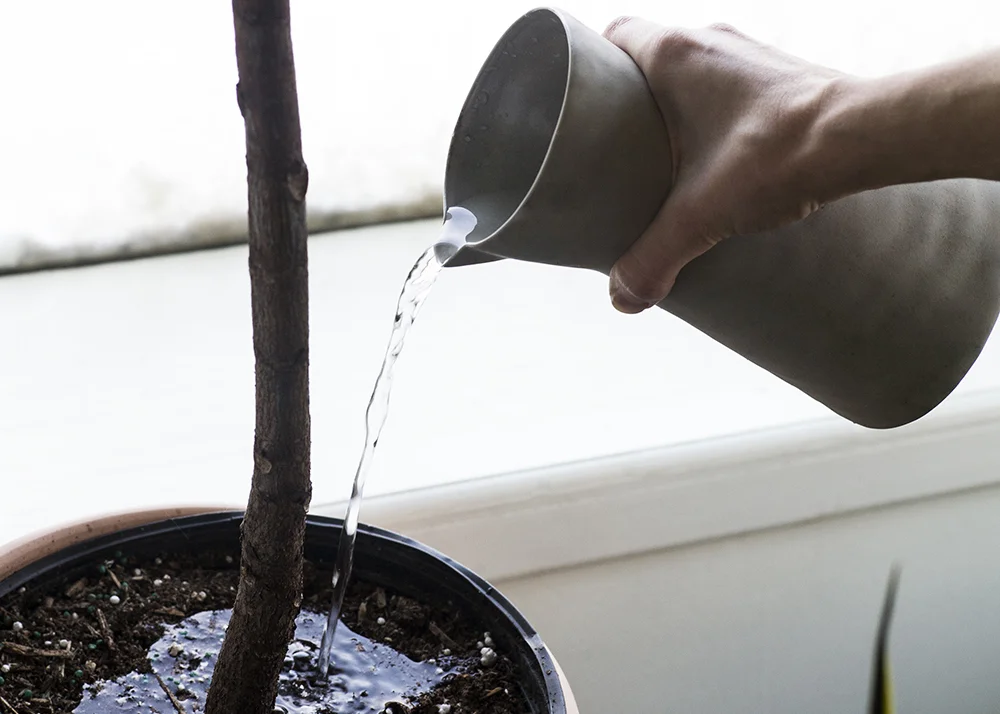
What I didn’t realize was that I was suffocating the roots.
Plants don’t just need water—they need oxygen too. When soil stays constantly wet, air pockets disappear, and roots begin to rot. That’s exactly what happened in my case.
signs I noticed (too late at first)
| Symptom | What I Thought | What It Actually Meant |
|---|---|---|
| Yellow leaves | Nutrient deficiency | Root stress from water |
| Drooping plants | Thirst | Overwatering damage |
| Mold on soil surface | Normal | Excess moisture |
| Slow growth | Poor seeds | Root suffocation |
how I fixed it
The first step was simple but uncomfortable: I stopped watering.
Not completely, of course—but I forced myself to wait until the top inch of soil felt dry before watering again. I also switched from a fixed schedule to a need-based approach.
Then I improved drainage. Some pots had no proper holes, which I had ignored earlier. Fixing that alone made a huge difference.
watering adjustment chart
| Plant Type | Old Habit (Wrong) | New Approach (Correct) |
|---|---|---|
| Herbs | Daily soaking | Every 2–3 days |
| Vegetables | Daily | When soil is dry |
| Indoor plants | Every day | 2–4 times per week |
Within a week, I started seeing recovery. Leaves stopped yellowing, and new growth looked healthier.
mistake 2: using poor quality soil
At the beginning, I treated soil like it didn’t matter. Dirt is dirt, right? That assumption cost me weeks of stalled growth.
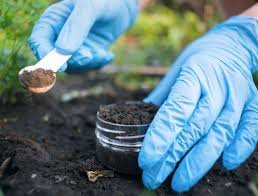
The soil I used was dense, clumpy, and poorly draining. It held too much water in some spots and dried out completely in others. Roots couldn’t spread easily, and nutrients weren’t balanced.
plants don’t grow in dirt—they grow in ecosystems
Once I understood that soil is more than just a medium, I started paying attention to its composition.
key components of healthy soil
| Component | Role in Plant Growth |
|---|---|
| Organic matter | Provides nutrients |
| Sand/perlite | Improves drainage |
| Clay | Holds nutrients |
| Microbes | Supports root health |
how I fixed it
Instead of replacing everything, I improved what I already had. I mixed in compost, added some coarse material for aeration, and broke up compacted sections.
soil improvement mix I used
| Ingredient | Percentage |
|---|---|
| Garden soil | 40% |
| Compost | 30% |
| Coco peat | 20% |
| Sand/perlite | 10% |
The difference wasn’t immediate, but within two weeks, plants looked stronger. Roots had more space, and water behaved more predictably.
mistake 3: ignoring sunlight requirements
This one surprised me the most. I assumed placing plants near a window or outside for “some sunlight” was enough.
It wasn’t.
Different plants need different amounts of sunlight, and I hadn’t paid attention to any of that. Some plants were getting too much harsh sun, while others were practically living in shade.
resulting problems
| Issue | Cause |
|---|---|
| Scorched leaves | Too much direct sunlight |
| Leggy growth | Not enough light |
| Pale leaves | Weak photosynthesis |
| Delayed growth | Improper placement |
how I fixed it
I started observing sunlight patterns throughout the day. This alone changed everything.
Instead of treating my garden as one uniform space, I divided it into zones.
sunlight zoning system
| Zone Type | Sunlight Duration | Plants Placed There |
|---|---|---|
| Full sun | 6–8 hours | Tomatoes, peppers |
| Partial sun | 3–5 hours | Herbs, leafy greens |
| Shade | <3 hours | Indoor plants, ferns |
I also rotated pots occasionally to ensure even exposure. Within days, plants that had struggled began to stabilize.
mistake 4: overcrowding plants
When I started, I wanted to grow as much as possible in a limited space. So I planted seeds close together, thinking I’d maximize output.
Instead, I created competition.
Plants began fighting for sunlight, water, and nutrients. Roots tangled, leaves overlapped, and airflow reduced—leading to slower growth and occasional disease.
what overcrowding looked like in my garden
| Symptom | Impact on Plants |
|---|---|
| Small leaves | Limited nutrients |
| Weak stems | Light competition |
| Slow growth | Root congestion |
| Increased pests | Poor airflow |
how I fixed it
This one required some tough decisions. I had to remove some plants to give others space.
spacing guidelines I adopted
| Plant Type | Ideal Spacing |
|---|---|
| Lettuce | 6–8 inches |
| Tomatoes | 18–24 inches |
| Herbs | 8–12 inches |
| Carrots | 2–4 inches |
It felt wasteful at first, but the remaining plants grew faster and healthier. In the end, I harvested more than I would have with overcrowding.
mistake 5: neglecting consistent feeding
For a while, I assumed soil alone would provide everything plants needed. That worked briefly, but growth eventually slowed down.
Plants consume nutrients continuously. Without replenishment, even the best soil becomes depleted.
signs of nutrient deficiency
| Symptom | Likely Deficiency |
|---|---|
| Yellow leaves | Nitrogen |
| Purple tint | Phosphorus |
| Weak stems | Potassium |
| Slow growth | General deficiency |
how I fixed it
I started using simple organic feeding methods rather than complicated fertilizers.
feeding schedule I followed
| Growth Stage | Feeding Frequency |
|---|---|
| Seedling | Light feeding weekly |
| Growing phase | Every 10–14 days |
| Mature plants | Every 2–3 weeks |
I also experimented with compost tea and diluted liquid fertilizers. The results were noticeable—plants became greener, stronger, and more productive.
growth comparison before and after fixes
To understand the impact of these changes, I tracked plant performance over time.
| Condition | Growth Rate | Plant Health | Yield |
|---|---|---|---|
| Before fixes | Slow | Weak | Low |
| After fixing watering | Moderate | Improved | Medium |
| After all corrections | Fast | Strong | High |
lessons that changed how I garden
Looking back, none of these mistakes were unusual. In fact, they’re probably the most common issues beginners face.
What made the difference wasn’t perfection—it was observation and adjustment.
A few things I learned the hard way:
- Plants communicate through their leaves and growth patterns
- More care doesn’t always mean better care
- Small changes can lead to big improvements
- Patience matters as much as technique
Gardening became much more enjoyable once I stopped guessing and started understanding.
final thoughts
If your plants aren’t growing the way you expected, there’s a good chance one of these mistakes is involved. The encouraging part is that most problems don’t require starting over—they just need small corrections.
Fixing watering habits, improving soil, adjusting sunlight, giving plants space, and feeding them properly can completely transform your garden in a short time.
I didn’t learn these lessons overnight. But once I did, everything changed—from struggling plants to a thriving, productive space that actually felt rewarding.
frequently asked questions (faqs)
- how do I know if I’m overwatering my plants?
Check the soil before watering. If it feels wet an inch below the surface, wait. Yellowing leaves and a musty smell are also common signs.
- what is the best soil mix for home gardening?
A balanced mix of garden soil, compost, and aeration material like sand or perlite works well for most plants.
- how much sunlight do most plants need?
Most vegetables need 6–8 hours of sunlight daily, while herbs and indoor plants can manage with less.
- is it okay to grow multiple plants in one pot?
Yes, but only if they have enough space. Overcrowding can slow growth and increase disease risk.
- how often should I fertilize my plants?
Generally, every 1–2 weeks during active growth is sufficient. Adjust based on plant type and soil quality.
- can damaged plants recover after mistakes?
In many cases, yes. If the roots are still healthy and conditions improve, plants can recover surprisingly quickly.