When I first tried growing plants at home, space was the biggest excuse I had. The balcony was small, the indoor corners felt crowded, and every time I thought about gardening, I imagined needing a backyard I didn’t have.
What changed everything wasn’t more space—it was using space differently.
Over time, I realized that home gardening isn’t about how much room you have. It’s about how efficiently you use what’s already there. A narrow wall, a windowsill, even the side of a shelf can become a growing area if approached the right way.
These seven ideas come from trial, adjustment, and a lot of rearranging. They’re not complicated, and more importantly, they actually work in real homes.
idea 1: vertical gardening that actually uses unused walls
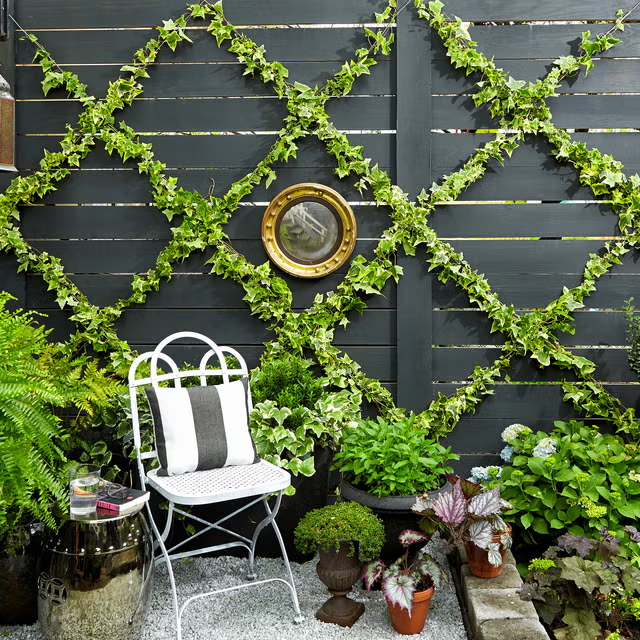
The biggest shift in my thinking happened when I stopped looking at the floor and started looking at the walls.
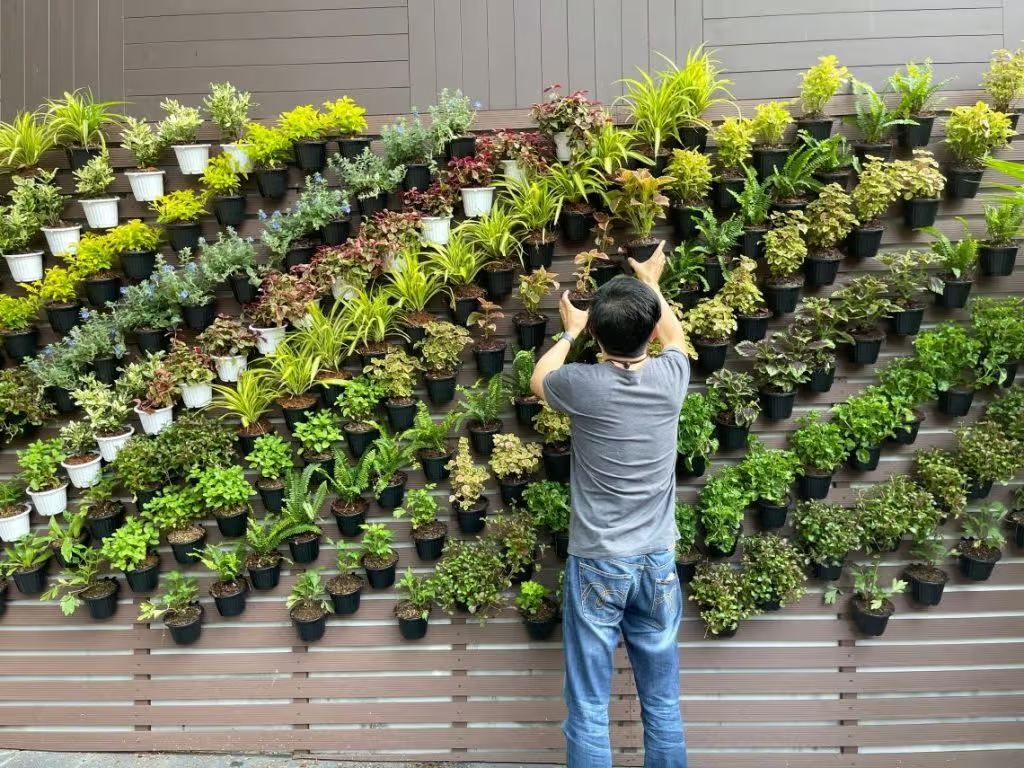
Most homes have empty vertical surfaces that go completely unused. Once I began experimenting with wall-mounted planters and hanging systems, the available space seemed to double overnight.
common vertical setups:
| Setup Type | Space Required | Difficulty | Best For |
|---|---|---|---|
| Wall planters | Very low | Easy | Herbs, small plants |
| Hanging baskets | Low | Easy | Flowers, trailing plants |
| Shelf systems | Medium | Moderate | Mixed plants |
what makes this idea work:
Vertical gardening doesn’t compete with your living space—it uses what’s already empty. It also improves airflow and sunlight exposure when done properly.
idea 2: stackable pots for layered growing
At one point, I had multiple pots spread across the floor, taking up more space than necessary. Switching to stackable pots made a noticeable difference.
Instead of spreading outward, you grow upward in layers.
how stacking changes efficiency:
| Arrangement | Floor Space Used | Number of Plants |
| Separate pots | High | 5–6 |
| Stackable system | Low | 10–15 |
best plants for stacking:
- Lettuce
- Spinach
- Herbs like basil and mint
lesson learned:
Stacking works best when plants have similar water and sunlight needs. Mixing very different plants can create maintenance issues.
idea 3: window gardening that uses natural light
Windows are often overlooked as growing areas.
Instead of placing random items on windowsills, I started treating them as mini garden zones. Even a small window can support multiple plants if arranged carefully.
window space optimization:
| Window Type | Suitable Plants | Arrangement Tip |
| Sunny window | Tomatoes, herbs | Use tiered stands |
| Partial light | Spinach, parsley | Keep pots evenly spaced |
| Low light | Indoor foliage plants | Avoid overcrowding |
what made the difference:
Using tiered stands or small racks allowed me to place multiple plants without blocking light.
idea 4: railing planters for balconies
Balcony railings are one of the most underused gardening spots.
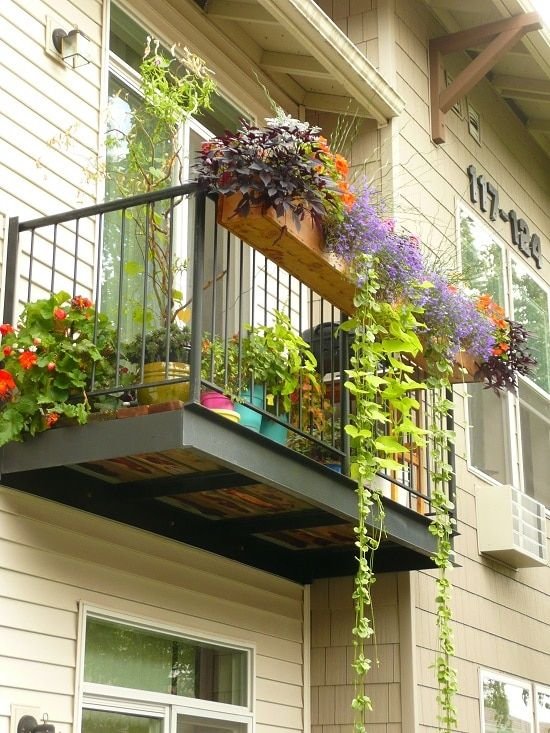
Instead of placing pots on the floor, I started attaching planters directly to the railing. This freed up walking space while increasing planting area.
benefits of railing planters:
| Feature | Advantage |
| Elevated position | Better sunlight exposure |
| Space-saving | No floor usage |
| Easy access | Simple watering |
plants that work well:
- Herbs
- Small flowering plants
- Leafy greens
what to watch for:
Make sure the planters are securely attached, especially in windy conditions.
idea 5: multi-purpose furniture with built-in planters
This idea came from necessity.
I didn’t want plants to take over the entire room, so I started using furniture that could double as planting space.
examples I’ve used:
| Furniture Type | Gardening Use |
| Shelves | Plant tiers |
| Coffee tables | Small plant displays |
| Corner stands | Vertical plant arrangement |
why this works:
It blends gardening into your living space instead of making it feel separate or intrusive.
idea 6: recycled containers for flexible placement
Not every planter needs to be bought.
Some of the most space-efficient setups I’ve created came from reusing everyday items.
common recycled options:
| Item | Use Case |
| Plastic bottles | Hanging planters |
| Tin cans | Small herb pots |
| Buckets | Medium-sized plants |
what makes this idea practical:
Recycled containers can be shaped, cut, or hung in ways that standard pots can’t. This flexibility helps fit plants into tight or unusual spaces.
idea 7: rotating plant positions for better space usage
This wasn’t something I planned—it happened out of necessity.
Some plants needed more sunlight than others, but I didn’t have enough prime spots. So I started rotating them every few days.
how rotation helps:
| Benefit | Result |
| Equal sunlight | Balanced growth |
| Space sharing | More plants in same area |
| Flexibility | Better overall health |
what I noticed:
Instead of competing for the best spot, plants shared it over time.
a simple space efficiency comparison chart
| Method | Space Saved | Effort Level | Best Use Case |
| Vertical gardening | High | Moderate | Walls, small rooms |
| Stackable pots | High | Easy | Balconies |
| Window gardening | Medium | Easy | Indoor spaces |
| Railing planters | High | Easy | Apartments |
| Furniture gardening | Medium | Moderate | Living areas |
mistakes that reduced efficiency
Not every idea worked immediately. Some actually made things worse before I adjusted.
- overcrowding plants in one spot
- ignoring sunlight direction
- mixing incompatible plants
- using containers without drainage
each mistake taught me how to refine the setup.
a weekly space management tracker
| Day | Adjustment Made | Result |
| Monday | Moved plants upward | Better light exposure |
| Wednesday | Rotated positions | Even growth |
| Friday | Removed extra pots | More breathing space |
tracking small changes helped me understand what improved efficiency.
why saving space is really about control
At first, I thought space-saving was just about fitting more plants into a small area.
Over time, I realized it’s more about control—controlling light, airflow, accessibility, and maintenance.
A well-organized small garden often performs better than a large, unmanaged one.
final thoughts
You don’t need a backyard to build a meaningful garden.
What you need is a shift in perspective. Once you start seeing walls, windows, railings, and everyday objects as potential growing spaces, the limitations begin to disappear.
These ideas aren’t complicated, and they don’t require expensive tools. They work because they adapt to real living conditions—small apartments, shared spaces, and busy routines.
Start with one idea. Test it. Adjust it.
That’s how a small space slowly turns into something much bigger than it looks.
frequently asked questions
- can I start gardening in a very small apartment?
Yes, even a windowsill or a single wall can support multiple plants if used efficiently. - what is the best space-saving method for beginners?
Vertical gardening or window gardening are the easiest to start with. - do space-saving methods affect plant growth?
Not if done correctly. Proper sunlight, watering, and spacing still matter. - how many plants can I grow in a small area?
It depends on the setup, but smart arrangements can double or triple capacity. - are recycled containers safe for plants?
Yes, as long as they are clean and have proper drainage. - how do I prevent overcrowding in small gardens?
Leave enough space for airflow and avoid placing too many plants in one spot.
These ideas didn’t come from perfect planning—they came from working with limitations and finding what actually fits into everyday life.