City life moves fast. Concrete replaces soil, balconies replace backyards, and schedules often leave little room for slow, nurturing activities like gardening. Yet, something about growing plants—watching them respond to light, water, and care—feels deeply human. Even in dense urban environments, people continue to find ways to bring greenery into their homes.
Urban gardening is not just about aesthetics. It is about reclaiming a small piece of nature, improving air quality, growing fresh food, and creating a calming environment in otherwise hectic surroundings. The challenge lies in adapting traditional gardening practices to limited space, inconsistent light, and busy routines.
This article explores nine powerful home gardening ideas specifically designed for urban living. These are not generic suggestions—they are practical, efficient, and adaptable methods that work in apartments, small homes, and high-rise buildings.
idea 1: build a vertical garden system
When floor space is scarce, vertical space becomes your greatest asset. Instead of spreading plants across the ground, you stack them upward.
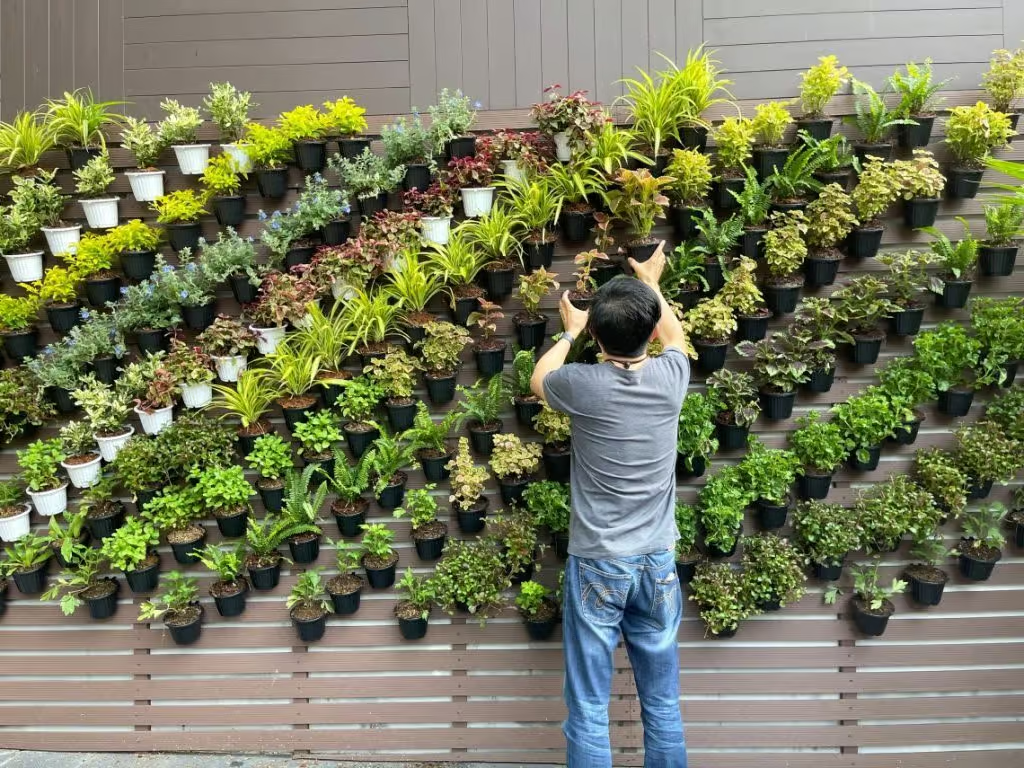
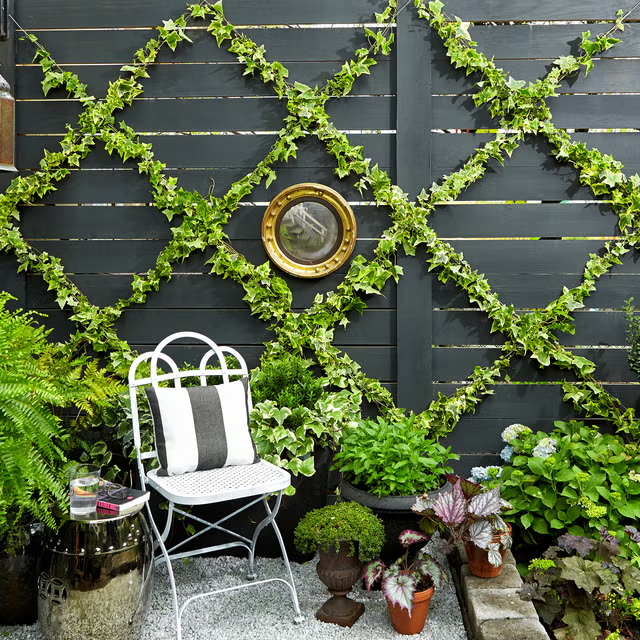
Vertical gardening transforms empty walls into productive green zones. It works especially well in apartments where balconies are narrow or nonexistent.
common vertical garden setups
| Setup Type | Best Location | Difficulty Level |
|---|---|---|
| Wall planters | Living room walls | Easy |
| Hanging baskets | Balconies/windows | Easy |
| Shelf gardens | Corners | Medium |
| Trellis systems | Outdoor walls | Medium |
benefits of vertical gardening
- maximizes limited space
- improves air circulation
- creates a visually appealing green wall
- makes plant care more accessible
A well-designed vertical garden can hold dozens of plants in the space of just a few square feet.
idea 2: use smart container gardening
Urban gardening relies heavily on containers. However, not all containers are created equal. Smart container gardening involves choosing pots that enhance efficiency and reduce maintenance.
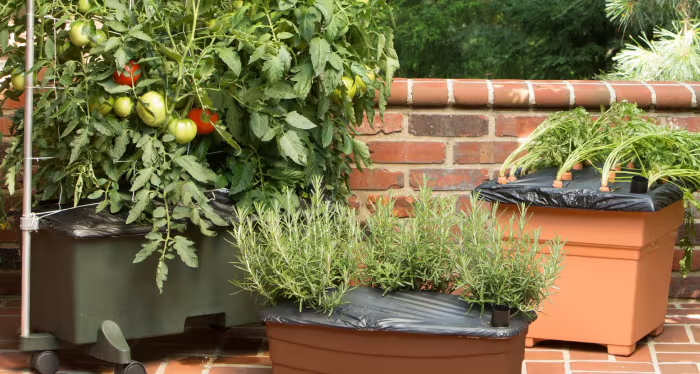
types of containers and their impact
| Container Type | Water Retention | Portability | Suitability |
| Clay pots | Low | Medium | Herbs, flowers |
| Plastic pots | High | High | Indoor plants |
| Self-watering pots | Very high | Medium | Busy lifestyles |
| Fabric grow bags | Medium | High | Vegetables |
Containers allow complete control over soil, nutrients, and placement. They also make it easy to rearrange your garden based on seasonal changes.
idea 3: optimize natural and artificial light
Light is one of the most limiting factors in urban homes. Tall buildings often block sunlight, making it difficult for plants to thrive.
understanding light conditions
| Light Type | Description | Suitable Plants |
| Full sun | 6–8 hours direct sunlight | Tomatoes, peppers |
| Partial light | 3–5 hours sunlight | Herbs, lettuce |
| Low light | Indirect or minimal sunlight | Snake plant, pothos |
smart lighting solutions
- place plants near south-facing windows
- rotate pots weekly for even growth
- use mirrors or reflective surfaces
- install LED grow lights for consistency
Lighting adjustments often make the difference between struggling plants and thriving ones.
idea 4: create a kitchen herb station
One of the most practical urban gardening ideas is growing herbs in your kitchen. It integrates gardening into your daily routine.
Instead of treating gardening as a separate activity, you naturally care for plants while cooking or cleaning.
popular kitchen herbs
| Herb | Growth Speed | Maintenance Level |
| Basil | Fast | Medium |
| Mint | Very fast | Low |
| Coriander | Medium | Medium |
| Thyme | Slow | Low |
advantages of a kitchen herb station
- easy access for daily use
- frequent monitoring
- efficient use of small space
- reduces grocery costs
Even a small windowsill can support a productive herb garden.
idea 5: adopt hydroponic gardening
Hydroponics is a soil-free method of growing plants using nutrient-rich water. It is especially effective in urban environments where soil quality may be poor or messy.
hydroponic system comparison
| System Type | Space Required | Setup Cost | Maintenance |
| Kratky method | Very low | Low | Very low |
| NFT system | Medium | Medium | Medium |
| Deep water culture | Medium | Medium | Medium |
why hydroponics works in cities
- no soil required
- faster plant growth
- less water usage
- cleaner indoor setup
Although initial setup may take effort, long-term maintenance is surprisingly low.
idea 6: grow compact and dwarf varieties
Urban gardeners benefit greatly from plants bred specifically for small spaces. Dwarf and compact varieties produce full yields without requiring large areas.
examples of compact plants
| Plant Type | Compact Variety Example | Space Requirement |
| Tomatoes | Cherry tomatoes | Low |
| Peppers | Mini bell peppers | Low |
| Fruit plants | Dwarf lemon | Medium |
| Leafy greens | Baby spinach | Very low |
These plants are designed to thrive in containers and controlled environments.
idea 7: automate watering and care
Consistency is a challenge in urban life. Automated systems ensure your plants receive proper care even when you are busy or away.
automation tools overview
| Tool Type | Function | Benefit |
| Drip irrigation | Slow, consistent watering | Prevents overwatering |
| Water timers | Scheduled watering | Saves time |
| Moisture sensors | Detect soil dryness | Improves accuracy |
| Smart planters | Integrated watering systems | Minimal manual effort |
Automation reduces the risk of neglect, which is one of the most common reasons plants fail.
idea 8: use multi-layer plant arrangements
Instead of placing plants in a single row, arrange them in layers. This technique increases plant density without overcrowding.
layering strategy example
| Layer Level | Plant Type | Purpose |
| Top layer | Hanging plants | Decorative and shading |
| Middle layer | Herbs and flowers | Accessibility |
| Bottom layer | Larger pots | Stability |
This approach maximizes both space and visual appeal.
idea 9: design a low-maintenance routine
Even the best gardening setup fails without consistency. A simple, structured routine ensures long-term success.
weekly maintenance plan
| Day | Task |
| Monday | Check soil moisture |
| Wednesday | Light pruning |
| Friday | Rotate plants |
| Sunday | Fertilize and inspect |
key routine principles
- keep tasks short and simple
- combine gardening with daily habits
- avoid overcomplicating care
A predictable routine reduces effort and builds habit over time.
urban gardening layout example
Below is a simple layout for a small apartment garden:
| Area | Usage |
| Window sill | Herbs and small plants |
| Balcony wall | Vertical garden |
| Corner shelf | Layered plant arrangement |
| Kitchen counter | Quick-access herbs |
Thoughtful placement ensures that every inch of space is utilized effectively.
common challenges in urban gardening
| Challenge | Solution |
| Limited sunlight | Use grow lights |
| Small space | Go vertical |
| Busy schedule | Automate watering |
| Poor ventilation | Space plants properly |
Understanding these challenges helps you plan proactively rather than reactively.
why urban gardening is more than a trend
Urban gardening is not just about decoration. It reflects a shift toward sustainability, self-sufficiency, and mindful living.
People are becoming more conscious of what they consume and how their environment affects their well-being. Even a small collection of plants can improve air quality, reduce stress, and create a sense of accomplishment.
In a world dominated by screens and schedules, gardening offers something tangible—something real.
frequently asked questions
- can I start a garden without a balcony
Yes, many plants grow well indoors near windows or under grow lights. Vertical gardening and shelf setups are ideal for indoor spaces. - how much time does urban gardening require
With efficient systems, you can maintain a small garden in 15–20 minutes a few times a week. - what are the best plants for beginners in cities
Snake plants, pothos, mint, and basil are excellent beginner-friendly options. - do I need special equipment for urban gardening
Not necessarily. Basic containers, good soil, and proper light are enough to start. Advanced tools can be added later. - how do I deal with pests indoors
Use natural remedies like neem oil, ensure proper airflow, and regularly inspect plants to catch problems early. - is hydroponic gardening suitable for small apartments
Yes, hydroponic systems are compact, clean, and highly efficient, making them ideal for indoor urban environments.
final thoughts
Urban living may limit space, but it does not limit possibility. With the right strategies, even the smallest apartment can support a thriving garden. The key is not to replicate traditional gardening but to adapt it intelligently.
Vertical systems, smart containers, automation, and thoughtful plant selection all contribute to a garden that fits seamlessly into modern life. It is not about how much space you have—it is about how effectively you use it.
In the end, urban gardening is less about plants and more about balance. It brings a sense of calm, connection, and creativity into spaces that often lack all three. And once you begin, even with a single pot, it rarely stops there.