Balcony gardening has a way of changing how you see your home. What starts as an empty or underused space slowly becomes something alive—something that shifts with the seasons, the light, and even your mood. I didn’t plan for that transformation. At first, I just wanted a few plants to make the space feel less bare. But over time, I realized that not every plant works well in a balcony environment.
Balconies come with their own challenges. Wind, uneven sunlight, limited space, and sometimes unpredictable temperature changes. The plants that thrive here aren’t just “good-looking”—they’re adaptable, efficient, and surprisingly resilient.
After experimenting with different types, I found a group of plants that consistently performed well in balcony spaces. These are not just popular choices—they’re smart choices.
tomatoes (compact and surprisingly productive)
I didn’t expect tomatoes to do well in a balcony setting. They seemed like something meant for gardens with plenty of space. But compact varieties proved otherwise.
Tomatoes adapt well to containers and produce generously when given enough light. Even a single plant can yield a steady supply.
why they work in balconies
They grow vertically, making efficient use of limited space, and they respond well to container environments.
basic care guide
| Factor | Requirement |
|---|---|
| Light | 6–8 hours sunlight |
| Container | Medium to large pot |
| Water | Regular, consistent |
| Support | Stakes or small trellis |
growth timeline
| Stage | Duration |
|---|---|
| Germination | 5–10 days |
| Flowering | 3–4 weeks |
| Fruit harvest | 6–8 weeks |
Once fruit starts appearing, it changes how you look at your balcony—it becomes productive, not just decorative.
basil (compact, fragrant, and useful)
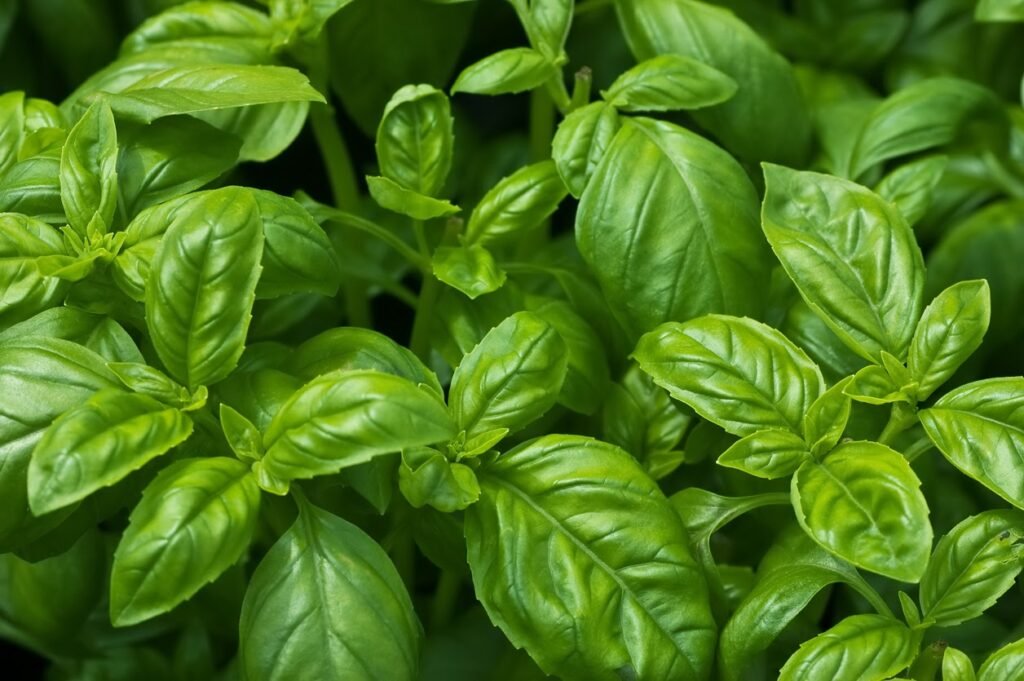
Basil was one of the first plants I tried, mostly because it seemed easy. It turned out to be more than that—it became one of the most practical plants to grow.
why it works in balconies
It doesn’t take up much space and grows quickly in containers. It also adapts well to regular pruning.
care overview
| Factor | Requirement |
|---|---|
| Light | Bright sunlight |
| Water | Light but frequent |
| Container | Small to medium |
| Maintenance | Regular trimming |
harvest cycle
| Action | Frequency |
|---|---|
| Leaf picking | Weekly |
| Pruning | Every 2–3 weeks |
The more you use it, the more it grows. That feedback loop makes it rewarding.
mint (fast-growing and low effort)
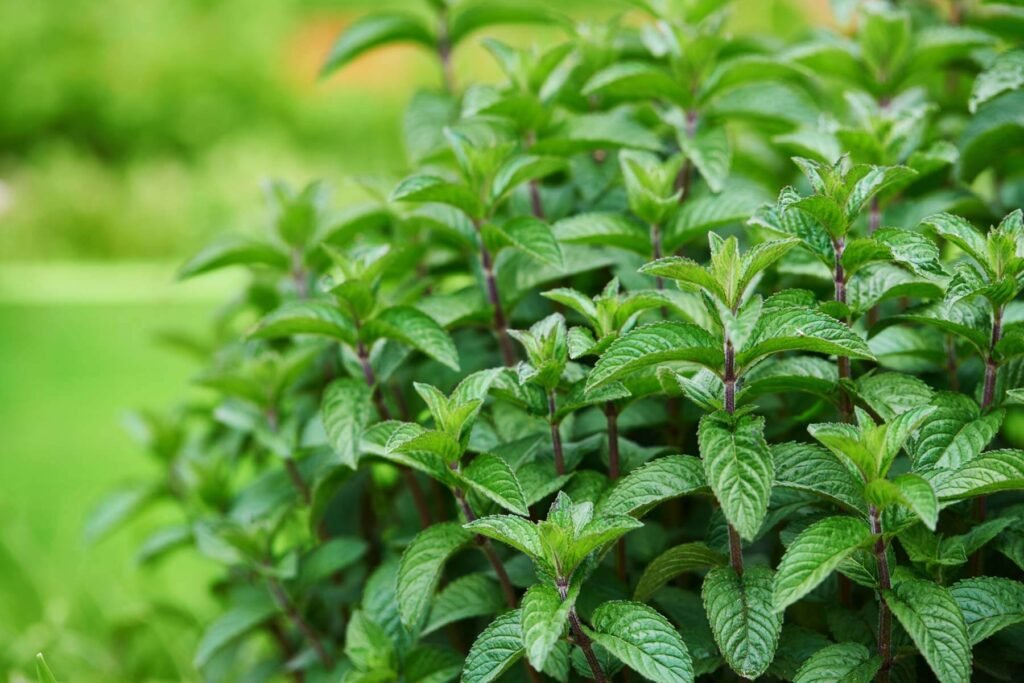
Mint doesn’t just grow—it spreads. In a balcony setup, that can be both an advantage and something to manage carefully.
why it works in balconies
It thrives in containers and doesn’t require intense sunlight.
care summary
| Factor | Requirement |
|---|---|
| Light | Partial sunlight |
| Water | Moderate |
| Container | Medium |
| Growth | Rapid |
growth behavior
| Condition | Result |
|---|---|
| Controlled pot | Healthy growth |
| Open soil | Aggressive spread |
Keeping it in a container helps manage its growth while still benefiting from its resilience.
chili peppers (small plant, high yield)
Chili plants are compact but surprisingly productive. They fit well into small spaces and add a bit of variety to a balcony garden.
why they work in balconies
They don’t need large containers and can handle warm conditions well.
care guide
| Factor | Requirement |
|---|---|
| Light | Full sunlight |
| Water | Moderate |
| Container | Medium |
| Temperature | Warm environment |
yield expectation
| Plant Count | Weekly Harvest |
|---|---|
| 1 plant | Small but steady |
| 2–3 plants | Consistent supply |
They’re practical and add visual interest when fruits start appearing.
lettuce (quick and space-efficient)
Lettuce was one of the easiest plants to grow in my balcony. It doesn’t demand much and grows quickly.
why it works in balconies
It has a short growth cycle and doesn’t require deep containers.
care overview
| Factor | Requirement |
|---|---|
| Light | Partial to full sunlight |
| Water | Frequent, light |
| Container | Shallow |
growth timeline
| Stage | Duration |
|---|---|
| Germination | 3–7 days |
| Harvest | 3–4 weeks |
You can harvest leaves continuously, which makes it efficient.
snake plant (for structure and balance)
Not everything in a balcony garden has to be edible. Snake plants add structure and balance to the space.
why it works in balconies
It tolerates varying light conditions and requires minimal care.
care summary
| Factor | Requirement |
|---|---|
| Light | Low to bright indirect |
| Water | Low |
| Maintenance | Minimal |
placement benefit
| Location | Effect |
|---|---|
| Corners | Adds structure |
| Near walls | Visual balance |
It’s a stabilizing presence among more demanding plants.
pothos (softening edges with trailing growth)
Pothos adds a different dimension to balcony gardening. Instead of growing upward, it cascades.
why it works in balconies
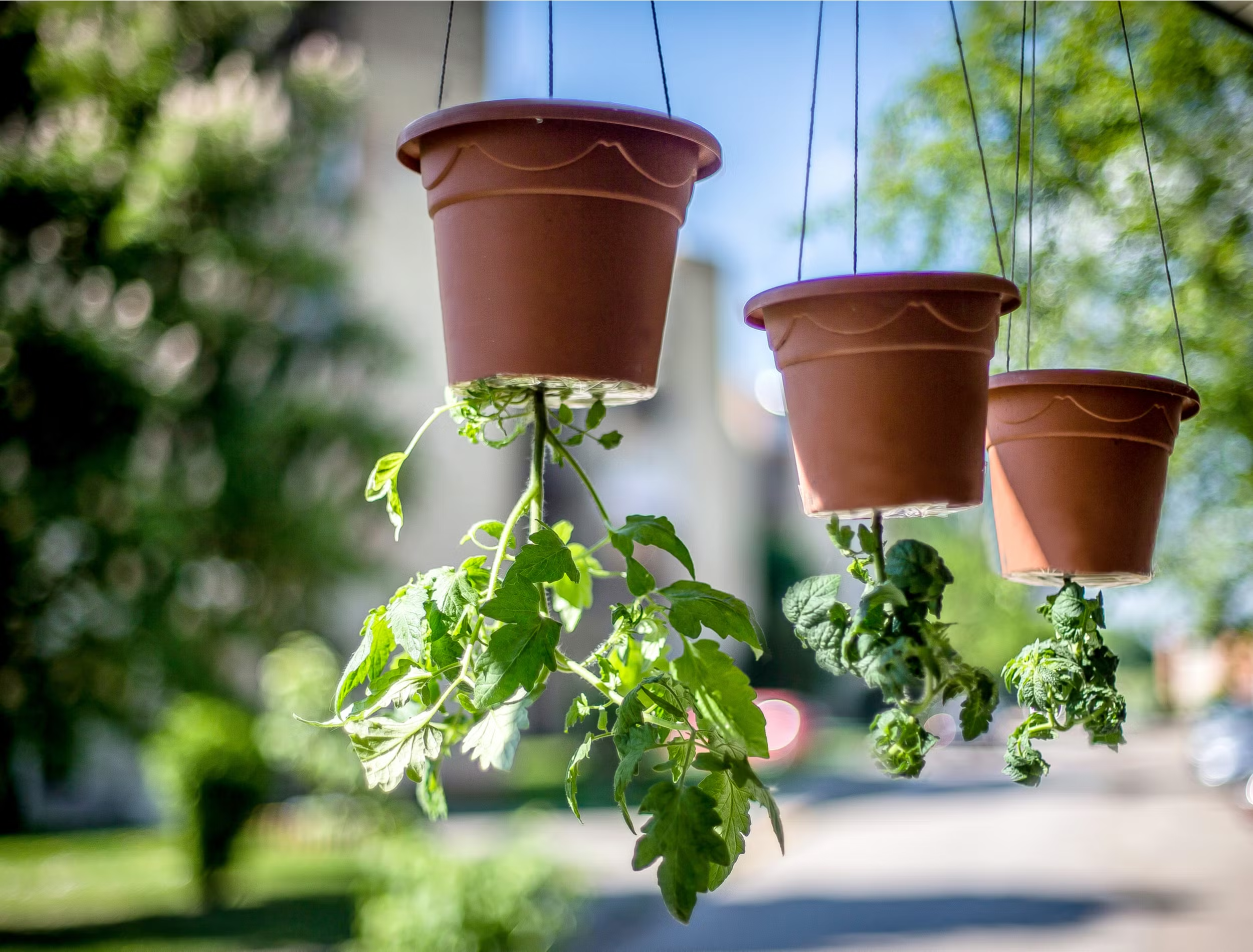
It adapts easily and can grow in hanging containers.
care overview
| Factor | Requirement |
|---|---|
| Light | Low to bright indirect |
| Water | Moderate |
| Growth type | Trailing |
visual impact
| Setup | Result |
|---|---|
| Hanging pots | Cascading vines |
| Shelf placement | Soft edges |
It makes the space feel fuller without adding clutter.
balcony layout strategy
After working with these plants, I realized placement matters as much as selection.
simple layout approach
| Area | Plant Type |
|---|---|
| Railing | Tomatoes, chilies |
| Floor | Snake plant, mint |
| Hanging space | Pothos |
| Shelves | Basil, lettuce |
This arrangement balances sunlight, space, and accessibility.
combined performance chart
| Plant | Space Needed | Maintenance | Growth Speed | Usefulness |
|---|---|---|---|---|
| Tomatoes | Medium | Moderate | Medium | High |
| Basil | Small | Low | Fast | High |
| Mint | Medium | Low | Fast | High |
| Chili | Medium | Moderate | Medium | High |
| Lettuce | Small | Low | Fast | High |
| Snake plant | Small | Very low | Slow | Decorative |
| Pothos | Small | Low | Medium | Decorative |
lessons from balcony gardening
Over time, a few patterns became clear:
- Plants that adapt to containers perform best
- Sunlight direction matters more than plant type
- Mixing edible and decorative plants creates balance
- Simplicity often works better than complexity
Balcony gardening isn’t about fitting as many plants as possible. It’s about choosing the right ones and letting them grow in a way that fits the space.
final thoughts
A balcony doesn’t need to be large to be effective. With the right plants, even a small area can become productive, calming, and visually engaging.
The seven plants listed here worked not because they were perfect—but because they were adaptable. They handled the inconsistencies of balcony life without constant attention.
If you’re starting out, begin with one or two. Watch how they respond. Adjust as you go.
That’s how a balcony turns into a garden—not all at once, but gradually.
frequently asked questions (faqs)
- what are the easiest plants to grow on a balcony?
Basil, mint, and lettuce are among the easiest due to their fast growth and low maintenance needs.
- how much sunlight does a balcony garden need?
Most plants need 4–8 hours of sunlight, but some like pothos and snake plants can tolerate lower light.
- can I grow vegetables in small balcony spaces?
Yes, many vegetables like tomatoes and chilies grow well in containers and don’t require large spaces.
- how often should I water balcony plants?
It depends on the plant and weather, but generally when the top layer of soil feels dry.
- do I need special pots for balcony gardening?
No, as long as containers have proper drainage, many household items can be used.
- how do I protect plants from strong wind on balconies?
Place heavier pots on the floor, use barriers, and group plants together to reduce wind exposure.
If you want, I can also convert this into a high-ranking SEO blog, add monetization sections, or create Pinterest-friendly summaries.